Odia Wedding Jewellery Guide: Tarakasi, Sun-Chandi & Traditional Orissa Ornaments
Odisha (formerly Orissa) sits at the crossroads of India's eastern jewellery traditions — influenced by the Kalinga kingdom's ancient gold-working heritage, the Jagannath temple's art traditions, and the unique coastal ecosystem that shaped its aesthetic. While Odisha is internationally celebrated for its Tarakasi silver filigree work, Odia brides also wear magnificent gold jewellery with deeply rooted symbolism. This guide explores the complete spectrum of Odia wedding jewellery.
The Dual Heritage: Gold and Silver in Odia Tradition
Unlike many Indian wedding traditions that favour exclusively gold, Odia bridal jewellery includes both gold and silver as equally prestigious metals. The split falls along ritual lines:
- Gold jewellery: Considered auspicious for weddings; worn by the bride as "saubhagya" (good fortune) items
- Silver (Tarakasi): The art form for which Odisha is globally recognised; primarily given as family heirlooms and displayed as part of the wedding trousseau
Tarakasi: Odisha's UNESCO-Recognised Silver Filigree
Tarakasi (literally "star wire") is the art of creating intricate jewellery and decorative objects from extremely fine silver wire (thinner than a human hair) twisted, coiled, and soldered into complex patterns. Concentrated in Cuttack, which is called the "Silver City of India," Tarakasi has been practised for over 500 years.
- The wire: Silver is drawn to ultra-fine gauges — some pieces use wire as thin as 0.012mm
- The technique: Wire is twisted into ropes, coiled into spirals, and arranged in patterns before soldering — no casting involved
- GI Tag: Cuttack Tarakasi received a Geographical Indication tag, protecting the craft
- Prices: Start from ₹2,000 for small pieces; elaborate bridal sets can reach ₹50,000+
Typical Tarakasi bridal pieces include: necklaces (Kantihar in Tarakasi), earrings, bangles, and the spectacular Tarakasi crown-like hair ornament worn on the wedding day.
Gold Jewellery for the Odia Bride
1. Kantihar (The Signature Necklace)
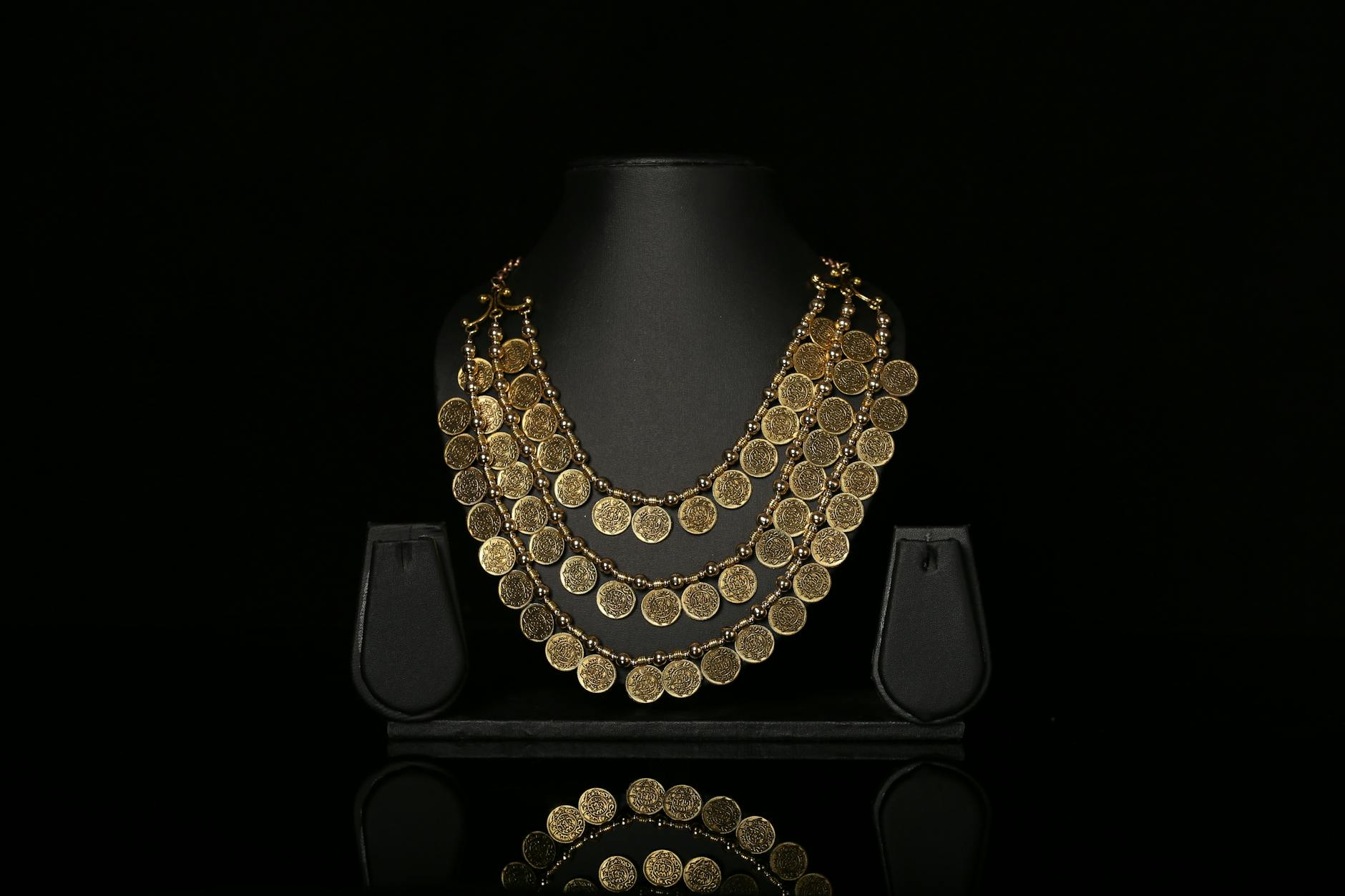
The Kantihar is the quintessential Odia necklace — a series of gold medallions (often featuring Lakshmi, the sun, or floral motifs) strung together in a graduated cascade. Each medallion (called a "kantha" — throat ornament) is individually crafted and linked. Bridal Kantihars can have 5 to 21 medallions in graduated sizes. Weight: 40–100 grams for a full bridal piece.
2. Chudakarana Bangles
The Chudakarana is a traditional Odia wedding ritual where gold bangles are given to the bride. The bangles are typically plain gold (22K) or with minimal floral engraving — simplicity is considered more auspicious than elaborate decoration for this ritual gift.
3. Nolia (Waist Band)
The Nolia is a gold waist ornament — a flexible chain of gold links worn around the waist. In the Odia tradition, the Nolia signals that the wearer is a married woman. Contemporary designs are lighter and more comfortable than traditional heavy pieces.
4. Nakaphul (Nose Jewellery)
Odia brides traditionally wear a Nakaphul — a gold nose ornament, typically a decorated stud or small ring in the left nostril. Some communities wear the Bullak — a larger ring that hooks through the septum — for specific ceremonies, though the simple stud is more common today.
5. Kaan Phul (Ear Flowers)
Kaan Phul are traditional Odia gold earrings shaped like flowers — the name literally means "ear flower." They are typically large, disc-shaped pieces with gold petals radiating from a central stone. The Odia Kaan Phul is different from similar-named pieces in other regions, featuring flatter profiles and more intricate gold granulation.
6. Maang Tika (Head Ornament)
The Maang Tika for an Odia bride typically features a central gold pendant — often a Lakshmi or sun motif — hanging on the centre parting of the hair. The chain is simple and the pendant is the focus, unlike the elaborate North Indian Maang Tikkas.
Temple Jewellery Influence in Odisha
The Jagannath Temple in Puri has profoundly influenced Odia jewellery design. Jewellers who made ornaments for the Lord Jagannath deity created a distinctive "temple style" that has become bridal tradition:
- Circular design language (representing the sun and cosmic completeness)
- Motifs of Lakshmi, Garuda, lotus, and conch
- Heavy embossed gold work with minimal gemstone use
- Matte gold finish (not polished) to mimic the ancient temple aesthetic
Odia Wedding Rituals and Jewellery Exchange
Barapokharia (Finding the Groom's Procession)
The groom's mother presents the bride with a gold necklace during the barapokharia ritual — this is usually the first gold ornament the bride receives from the groom's family.
Sadhabharan (Married Women's Blessings)
Married women of the family bless the bride while wearing their own bridal gold. The display of older gold ornaments from different generations is a visible representation of the family's jewellery heritage.
Sindurdan (Vermilion Ceremony)
After the sindur is applied, the bride begins wearing all her bridal jewellery simultaneously. The "sindur ceremony jewellery" is heavy and complete — this is the key moment when the full set is presented to the assembled guests.
Contemporary Odia Bridal Jewellery Trends
While tradition remains important, contemporary Odia brides also incorporate:
- Temple jewellery: South Indian temple sets (from Chennai craftsmen) have become popular at Odia weddings for their similarity to traditional Odia styles
- Kundan work: Rajasthani Kundan-meenakari pieces are increasingly worn at urban Odia weddings
- Tarakasi in gold: Some innovative jewellers now create Tarakasi-style filigree work in gold — a fusion of the silver art form's technique with gold's prestige
Where to Buy Authentic Odia Wedding Jewellery
- Cuttack: Silver City; best for Tarakasi; Badambadi and Chandi Bajar areas
- Bhubaneswar: Commercial hub; modern jewellers carry both gold and silver; Janpath and Saheed Nagar markets
- Puri: Temple jewellery specialists near Jagannath Temple bazaar
- Online: Platforms like Kraftly and several Odisha government handicraft e-stores carry Tarakasi
Frequently Asked Questions
What is the difference between Tarakasi and regular silver jewellery?
Tarakasi is made from extremely fine silver wire twisted and soldered into patterns — entirely without casting. Regular silver jewellery is typically cast in moulds. Tarakasi is recognisable by its lacy, almost transparent appearance with intricate twisted wire patterns. It's significantly more labour-intensive and therefore more expensive per gram than cast silver.
Is Odia bridal jewellery only in gold or also silver?
Both. Gold is used for the primary bridal ornaments (Kantihar, bangles, waist band, nose ring, earrings). Silver — specifically Tarakasi — is used for display pieces, ceremonial ornaments, and gifts. Some families prioritise silver Tarakasi for its artistic prestige even over gold.
How much gold does a typical Odia bride wear?
A middle-class Odia bride typically wears 100–200 grams of gold. Affluent families may use 300–500 grams. The Kantihar alone can weigh 40–80 grams for a full bridal set. Unlike some North Indian traditions, Odia weddings tend toward fewer, more substantial pieces rather than many lighter ornaments.
Can Tarakasi silver be bought online?
Yes. The Odisha State Handicrafts Corporation (ORIFLAMME) and platforms like Amazon Karigar, Flipkart Samarth, and dedicated Cuttack craft stores ship Tarakasi nationally. Prices for authenticated Tarakasi start from ₹500 for small pieces and reach ₹30,000+ for elaborate sets. Look for the GI-certified Cuttack Tarakasi mark.
What is the significance of the Kantihar necklace in Odia culture?
The Kantihar (throat ornament) symbolises the protection of the bride's speech and voice — in Hindu tradition, the throat (kantha) is the seat of expression and truth. Wearing a Kantihar is believed to bless the marriage with honest communication and auspicious words. It is the most important single piece in the Odia bridal set.
Compare with Assamese bridal jewellery and Bengali bridal jewellery for east India regional traditions. Find jewellers near you on JewellersInCity.
More in Wedding & Bridal
Share this article
Our editorial team comprises jewellery industry veterans, certified gemmologists, and passionate writers with decades of combined experience across India's gold, diamond, and gemstone markets. Every article is researched, fact-checked, and written to help Indian buyers make smarter, safer jewellery decisions.
Passionate about jewellery and love to write? We'd love to hear from you.
Join us as a writer →Ready to buy? Find verified jewellers near you
Browse 10,000+ BIS hallmark certified jewellers across India. Compare ratings, check today's gold rate, and book a visit.
Keep Reading