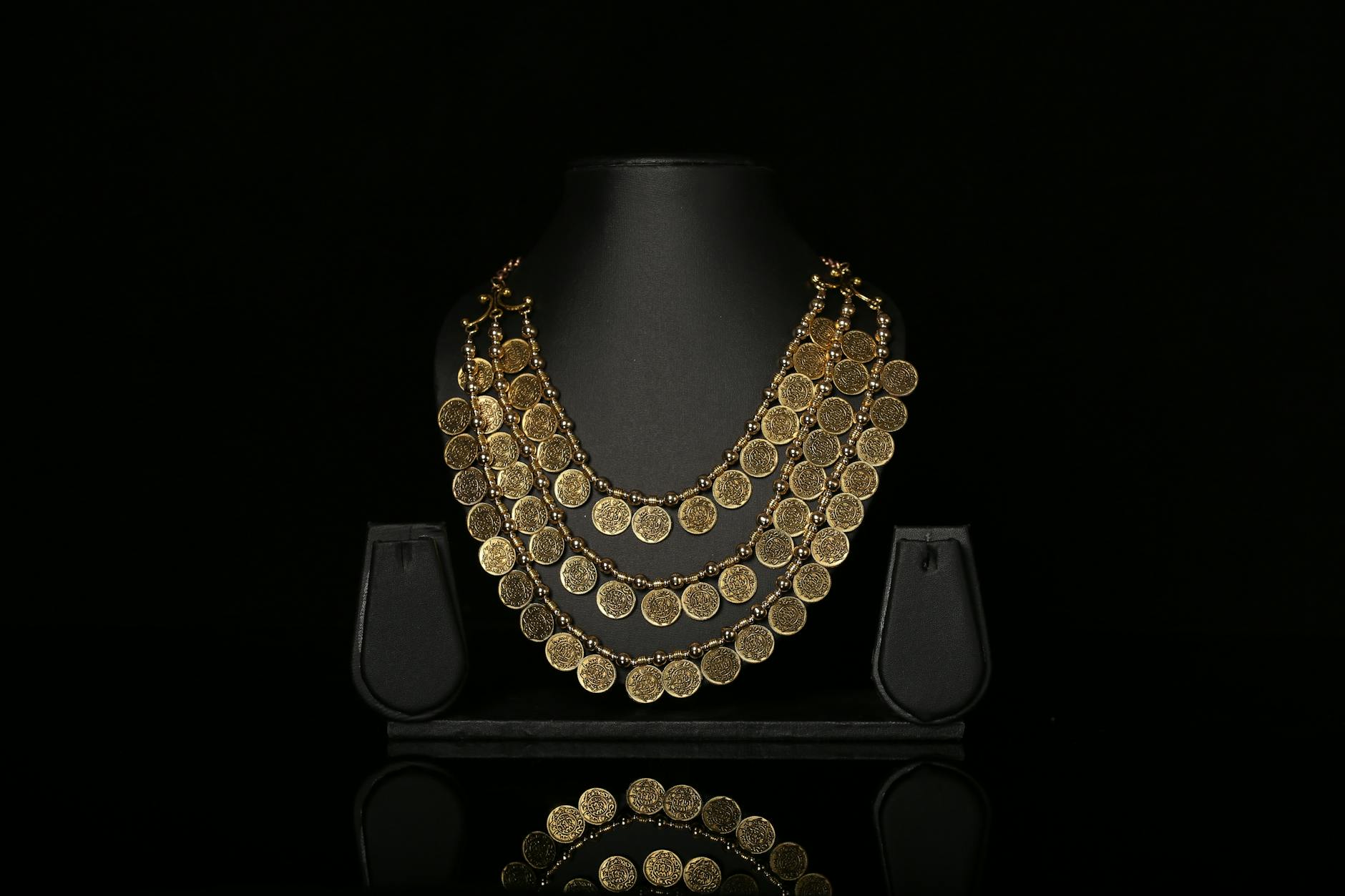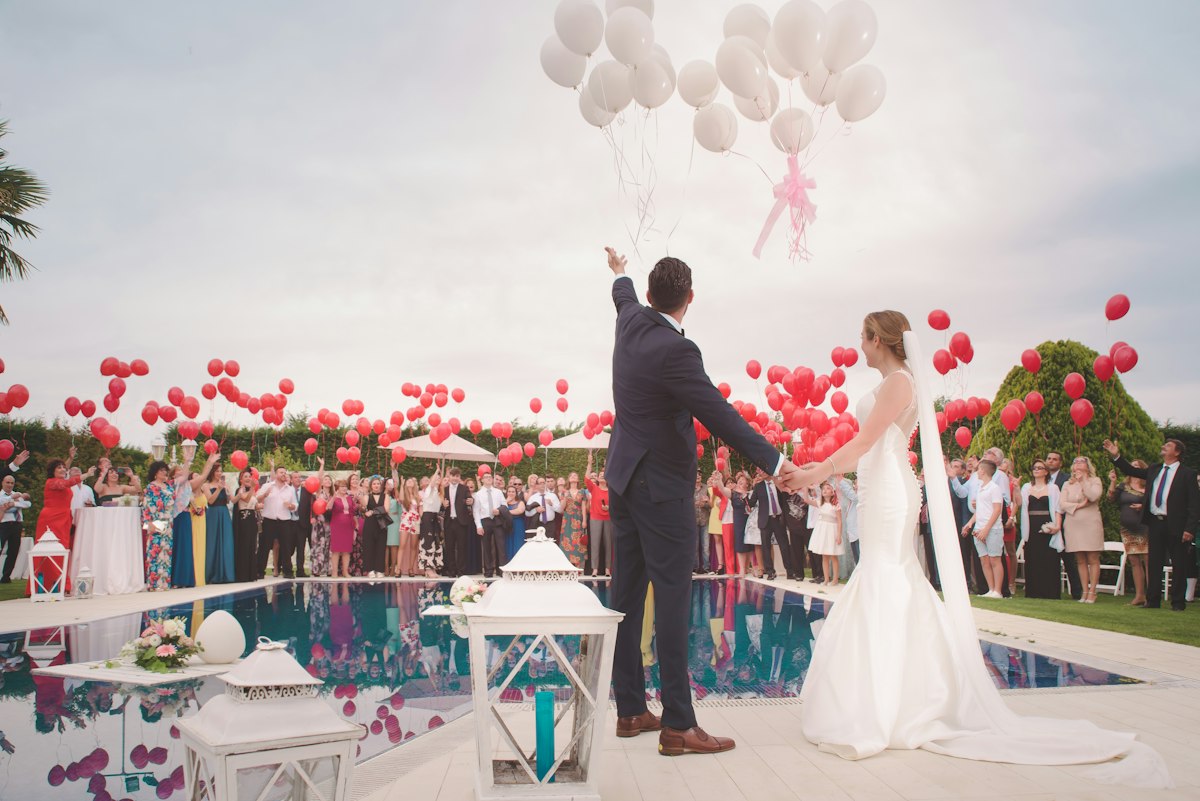
A traditional South Indian oddyanam (gold waist belt) might cost ₹3–10 lakh to purchase. Worn for one ceremony day, it may never emerge from the locker again. The same logic applies to long Kasu Malas, elaborate Kundan necklace sets, and heavy Jhoomar passa combinations. In this context, the growing trend of bridal jewellery rental in India is not a compromise — it's straightforward financial sense. This guide covers how it works, what it costs, what you must check before signing a rental agreement, and how to decide what to rent versus buy.
The Case for Renting
Consider the economics: a Kasu Mala with 60 grams of gold might cost ₹4,50,000 to purchase (gold weight + making charges). Rented for ₹12,000 for the wedding day, with a ₹1,50,000 refundable security deposit, the actual cost is ₹12,000 — plus you have your ₹1,50,000 back within a week. If you wear the Kasu Mala once in your life, the rental is 97% cheaper.
The case for purchasing is equally straightforward: if you plan to wear the piece at multiple family events over years — or if it is a symbol of family wealth that will be passed to your daughter — purchase makes more sense. The question is always about utilisation, not prestige.
What Is Most Commonly Rented
South Indian Bridal Pieces
- Oddyanam / Vaddanam (waist belt): The single most-rented bridal jewellery piece in South India. Heavy, expensive, and worn for the wedding ceremony only.
- Kasu Mala (gold coin necklace): Long versions (60+ coins) are often rented. Shorter Kasu Malas worn regularly are more often purchased.
- Jadai / Surya-Chandra set: Full bridal hair ornament sets for South Indian Hindu weddings.
- Temple jewellery sets: Complete Bharatanatyam-style bridal sets for Tamil and Telugu weddings.
North Indian Bridal Pieces
- Passa / Jhoomar: Side head ornaments for Punjabi and North Indian brides.
- Mathapatti: Full forehead chain sets.
- Kundan / Polki necklace sets: High-value statement pieces worn for mehendi and baraat ceremonies.
Pieces Usually Better Purchased
- Mangalsutra / Minnu / Tali (the sacred marriage pendant — has ritual significance)
- Wedding ring / engagement ring
- Everyday bangles and simple earrings worn post-wedding
- Gold that will serve as family investment
Cost Guide (2026 Estimates)
| Piece | Rental Fee (per day) | Security Deposit (refundable) |
|---|---|---|
| Basic necklace + earring set | ₹2,000–₹5,000 | ₹30,000–₹80,000 |
| Full bridal set (necklace, earrings, tikka, bangles) | ₹5,000–₹15,000 | ₹80,000–₹2,00,000 |
| Oddyanam / waist belt | ₹4,000–₹12,000 | ₹1,00,000–₹5,00,000 |
| Long Kasu Mala (60+ coins) | ₹6,000–₹15,000 | ₹2,00,000–₹5,00,000 |
| Kundan statement set | ₹8,000–₹25,000 | ₹1,50,000–₹5,00,000 |
| Full traditional South Indian set | ₹15,000–₹50,000 | ₹3,00,000–₹10,00,000 |
Security deposits are fully refundable on undamaged return. Rental fees are the actual cost to you.
Where to Find Bridal Jewellery Rental
Traditional Jewellers with Rental Divisions
Many established jewellers — particularly in Chennai, Hyderabad, and Bangalore — have formal rental divisions alongside their retail. These are the most reliable rental sources: the pieces are genuine gold (not imitation), properly insured, and the jeweller has reputation stake in fair dealing.
Dedicated Rental Shops
Major cities have standalone bridal rental boutiques that carry jewellery, bridal wear, and accessories. Quality varies significantly — vet them carefully (see below).
Online Platforms
Rental aggregator platforms have grown post-2020. Typically: browse online catalogue, select pieces, visit store or have delivered (for lower-value sets), sign contract, provide deposit. Return within agreed window.
Photographer / Bridal Coordinator Recommendations
Bridal photographers and coordinators often maintain referral lists of reliable rental shops they have worked with across multiple weddings — a useful starting point.
What to Check Before Signing a Rental Agreement
Never rent jewellery — especially high-value pieces — without reviewing these points:
- Damage and loss liability: Read the contract terms for what "damage" means. Are minor scratches included? What happens if a stone falls out during wear? Who bears the cost of repairs vs replacement?
- Security deposit return process: How quickly is the deposit returned? Under what conditions can the shop retain it? Who assesses damage on return?
- Photograph all pieces before leaving the shop. Time-stamped photographs of every piece from multiple angles are your evidence if the shop claims damage you did not cause.
- Insurance: Does the shop's insurance cover theft during your possession? Does your own home insurance? Understand who bears risk for theft.
- Authenticity: For gold pieces, confirm they are genuine gold (not imitation). Ask for a hallmark or assay confirmation if significant money is involved.
- Cleaning practices: Ask how pieces are cleaned between rentals. Reputable shops use professional ultrasonic cleaning.
- Advance booking: Popular sets book out 3–6 months ahead for peak wedding season (October–February, April–May). Book early.
The Hybrid Strategy
Many couples combine rental and purchase: buy the jewellery with lasting value and emotional significance (the mangalsutra, key gold pieces that will be worn regularly, family heirloom pieces), and rent the statement pieces worn for one ceremony only (the oddyanam, the elaborate necklace set for the reception). This balances financial sense with the desire to own meaningful pieces.
For help planning what to buy, see our full bridal jewellery budget guide.
Is Rental Socially Acceptable?
Social attitudes toward bridal rental in urban India have shifted decisively. In Chennai, jewellery rental for waist belts and heavy sets is entirely mainstream — established for decades. In Mumbai and Bangalore, rental is normalised across income levels. In North Indian cities, rental is growing faster than ever. The framing has changed: rental is presented as smart resource allocation, not insufficiency.
Resistance remains in some rural and conservative family contexts where gold weight at the wedding is a public statement of family standing. In these contexts, the family's priorities need to drive the decision — not the rental shop's economics.
Conclusion
Bridal jewellery rental is a financially rational, socially accepted, and growing choice for Indian weddings in 2026. The decision framework is simple: pieces you wear once, rent; pieces with emotional permanence or regular future use, buy. Protect yourself with a careful contract review and photographs before leaving the shop. Find jewellers near you on JewellersInCity — many offer both retail and rental services.
More in Wedding & Bridal
Share this article
Our editorial team comprises jewellery industry veterans, certified gemmologists, and passionate writers with decades of combined experience across India's gold, diamond, and gemstone markets. Every article is researched, fact-checked, and written to help Indian buyers make smarter, safer jewellery decisions.
Passionate about jewellery and love to write? We'd love to hear from you.
Join us as a writer →Ready to buy? Find verified jewellers near you
Browse 10,000+ BIS hallmark certified jewellers across India. Compare ratings, check today's gold rate, and book a visit.
Keep Reading