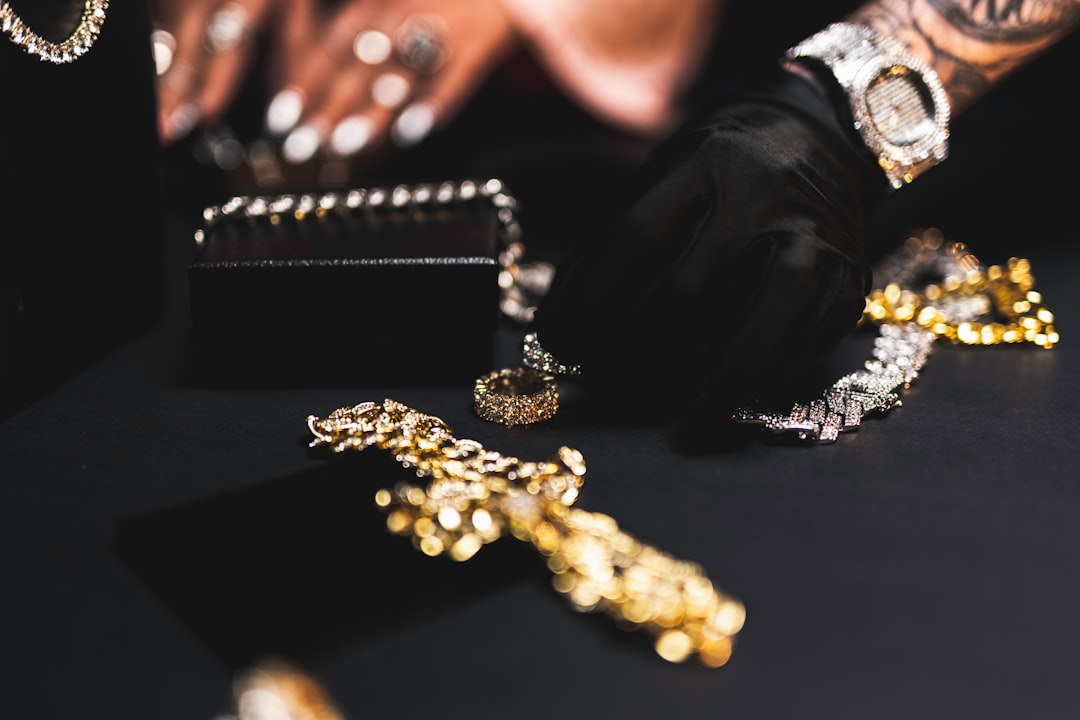
Most gold jewellery loses its shine not from ageing but from accumulated body oils, soap residue, and oxidation of alloy metals. A safe home clean every 4–8 weeks keeps daily-wear pieces looking new without risking damage. This 2026 guide gives you the proven safe method, what to absolutely avoid, and special handling for stone-set Indian jewellery.
The basic safe method (works for plain 22K, 18K)
Materials needed:
- Lukewarm water (not hot — heat can loosen stone settings)
- Mild dish soap (Vim, Pril, Ezee — anything pH-neutral)
- Soft baby toothbrush or makeup brush
- Soft microfibre cloth for drying
- Small bowl
Process: fill the bowl with lukewarm water, add 2–3 drops of dish soap. Soak the piece for 10 minutes — this loosens body oils and dirt. Brush gently in crevices (links of chains, around stones, inside ring bands). Rinse thoroughly under running water to remove all soap residue. Pat dry with the microfibre cloth.
What absolutely to avoid
Five household substances damage gold jewellery:
- Ammonia-based cleaners (Windex, multi-surface sprays): corrodes alloy metals, dulls polish.
- Chlorine bleach: pits gold surfaces. Removes plating from white gold.
- Toothpaste: abrasive — scratches gold surface visibly under magnification. Cumulative damage over years.
- Hot water: loosens glue/epoxy in modern stone settings. Can warp delicate filigree work.
- Acetone (nail polish remover): dries out pearl jewellery, dissolves emerald oil treatments.
Special: hallmarked pieces
The HUID and BIS triangle stamps are deeply etched and won't fade with normal cleaning. But avoid scratching the stamp surface with abrasives. The stamp is the proof of authenticity for resale — protect it. After any major cleaning, verify the HUID via BIS Care app to confirm it's still readable.
Special: stone-set jewellery
Different stones require different handling:
- Diamonds and harder gemstones (rubies, sapphires): handle cleaning fine. Sometimes ultrasonic is acceptable.
- Pearls: cannot be soaked. Wipe with damp cloth only. Cleaners damage their nacre.
- Emeralds: often oil-treated. Soaking dissolves the oil treatment, revealing internal flaws.
- Coral and turquoise: porous. Never soak. Damage is permanent.
- Polki/Kundan jewellery with foil-set stones: never soak; gold foil deforms and stones can fall. See our heritage jewellery guide.
Special: white gold
White gold is plated with rhodium for the bright white finish. Aggressive cleaning erodes the rhodium layer faster, exposing the underlying gold-palladium alloy (warm yellow undertone). Use only the basic safe method; gentle handling extends rhodium life. Re-plating costs ₹500–₹2,000 every 1–3 years for daily-wear white gold.
Cleaning frequency by piece type
Daily-wear pieces (chains, rings, bangles): every 4–6 weeks. The accumulated oils and skin contact dull the surface within this timeframe.
Occasional-wear pieces (bridal sets): every 6–12 months or before each major use. Storage conditions matter more than wear.
Heritage pieces: minimal cleaning. The natural patina (slight darkening of antique gold) is desirable on heritage pieces. Aggressive cleaning destroys heritage value. Light cleaning only (damp cloth wipe).
Stone-set occasional pieces: annual professional clean by your jeweller. Many jewellers offer this complimentary for high-value pieces purchased from them.
When to take it to a jeweller
Five signs that home cleaning isn't enough:
- Significant tarnishing despite cleaning — alloy oxidation needs professional polishing.
- Loose stones or prongs — needs setting repair (₹500–₹3,000).
- Bent shape from impact — needs reshaping.
- Cracked clasp or broken chain — needs soldering.
- Annual deep clean for high-value bridal pieces — jewellers offer this for ₹100–₹500.
Storage between cleanings
Storage conditions affect how often you need to clean:
- Use airtight zip-lock bags or sealed containers — humidity is the main tarnish driver.
- Add anti-tarnish strips (silica-gel-style absorbers, ₹200–₹500 per pack on Amazon) to each storage container.
- Store each piece in its own soft pouch to prevent scratching.
- Keep heritage and bridal pieces in bank locker with desiccant pouches.
- Avoid bathroom storage — humidity is highest there.
The cleaning routine for working women
If you wear daily gold jewellery (mangalsutra, chain, earrings, bangles) at work:
- Daily: wipe with dry soft cloth before storing for the night.
- Weekly: 5-minute mild soap soak + gentle brush + rinse + dry.
- Monthly: 30-minute deeper clean with focused crevice work.
- Quarterly: visual inspection for loose stones, weakened clasps, surface scratches needing professional attention.
- Annually: professional polish if visible wear; HUID re-verification via BIS Care.
What about specialist cleaning solutions?
Commercial gold cleaning solutions (Hagerty's Gold Foam, Connoisseurs gold cleaner, etc.) work but are unnecessary for standard 22K and 18K pieces. Mild dish soap performs equivalently. Specialist solutions are useful for: heavily tarnished pieces, complex stone-set pieces requiring careful work, or quick cleaning before an event.
If using a commercial product: read the label carefully; verify it's safe for your specific stones (especially pearls, emeralds, opals, turquoise — many commercial cleaners damage these); follow the time directions exactly.
Authoritative references
For BIS hallmarking standards and HUID verification: bis.gov.in. For your tehsil's verified BIS-licensed jewellers offering professional cleaning: our JewellersInCity directory. For today's IBJA gold rate if you're considering selling old jewellery instead of cleaning, see our gold rate page.
Common cleaning mistakes Indian buyers make
Avoid these traps:
- Using ash from incense — a folk remedy in some communities. Ash contains alkaline salts that scratch gold over time.
- Boiling jewellery in water with turmeric or detergent — heat damages stone settings; turmeric stains alloy metals.
- Overcleaning daily-wear chains — weekly cleaning is enough; daily aggressive cleaning thins the alloy surface.
- Using the same brush for jewellery and household items — household residues can scratch gold. Keep a dedicated soft toothbrush for gold cleaning.
- Storing in plastic without anti-tarnish strips — plastic outgassing can darken silver alloys faster than open air.
Bottom line
Routine home cleaning with mild soap and lukewarm water keeps gold looking new and extends its lifecycle. Avoid the five household substances that damage gold. Treat stone-set and heritage pieces with extra care. For polishing or repair, use a BIS-licensed jeweller. With this routine your daily-wear pieces will look new for decades, and your bridal sets will be wedding-fresh whenever you need them.
More in Jewellery Care
Share this article
Our editorial team comprises jewellery industry veterans, certified gemmologists, and passionate writers with decades of combined experience across India's gold, diamond, and gemstone markets. Every article is researched, fact-checked, and written to help Indian buyers make smarter, safer jewellery decisions.
Passionate about jewellery and love to write? We'd love to hear from you.
Join us as a writer →Ready to buy? Find verified jewellers near you
Browse 10,000+ BIS hallmark certified jewellers across India. Compare ratings, check today's gold rate, and book a visit.
Keep Reading