Three terms — Polki, Kundan, Jadau — are often used interchangeably in Indian jewellery shops, but they describe distinct concepts developed during the Mughal era. Understanding the difference helps you buy authentic pieces, recognise quality, and avoid paying Polki prices for imitation work. This 2026 guide untangles the three.
Polki: the stone
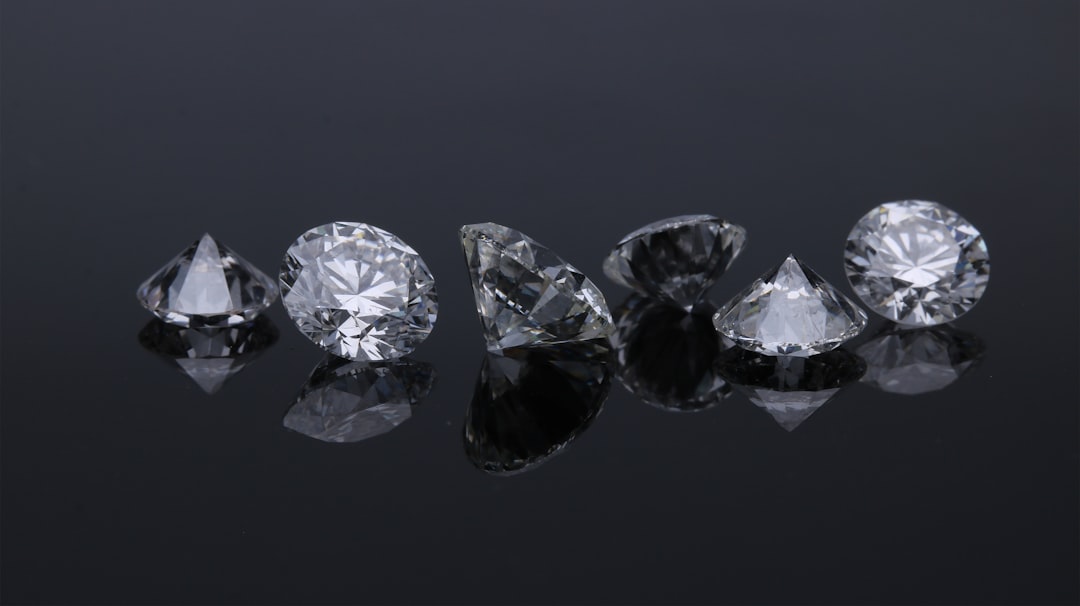
Polki refers to uncut diamonds — diamonds in their natural rough or only slightly polished form, never faceted. They have an irregular, raw appearance with subtle internal sparkle quite different from modern brilliant-cut diamonds. Before European cutting techniques arrived in India in the 18th century, Polki was the only diamond form available — every Mughal-era diamond was Polki.
Polki diamonds are graded by clarity (more clear = higher grade) and colour (whiter = better). Indian Polki specifically often has a slight yellow or grey tint reflecting its provenance from the Golconda mines. A 1-carat top-grade Polki costs ₹4,000–₹40,000 depending on clarity and color — significantly cheaper per carat than a brilliant-cut diamond, but Polki jewellery costs MORE because of the labour-intensive Kundan setting.
Kundan: the setting technique
Kundan describes a setting technique, not a stone. The technique uses pure 24K gold foil — pure gold being malleable enough to bend at room temperature without heat or solder — to hold stones in place. The goldsmith literally wraps each stone in gold foil, no prongs, no glue, no heat-fusing.
The advantage of Kundan setting: enables stones to sit absolutely flush to the surface, creating the distinctive flat-faced look. The reverse side is typically decorated with Meenakari (enamel) work — colourful painted patterns that are themselves valuable craftsmanship. The disadvantage: the soft gold foil is less durable than prong settings; Kundan pieces aren't suitable for daily wear.
Jadau: the combination
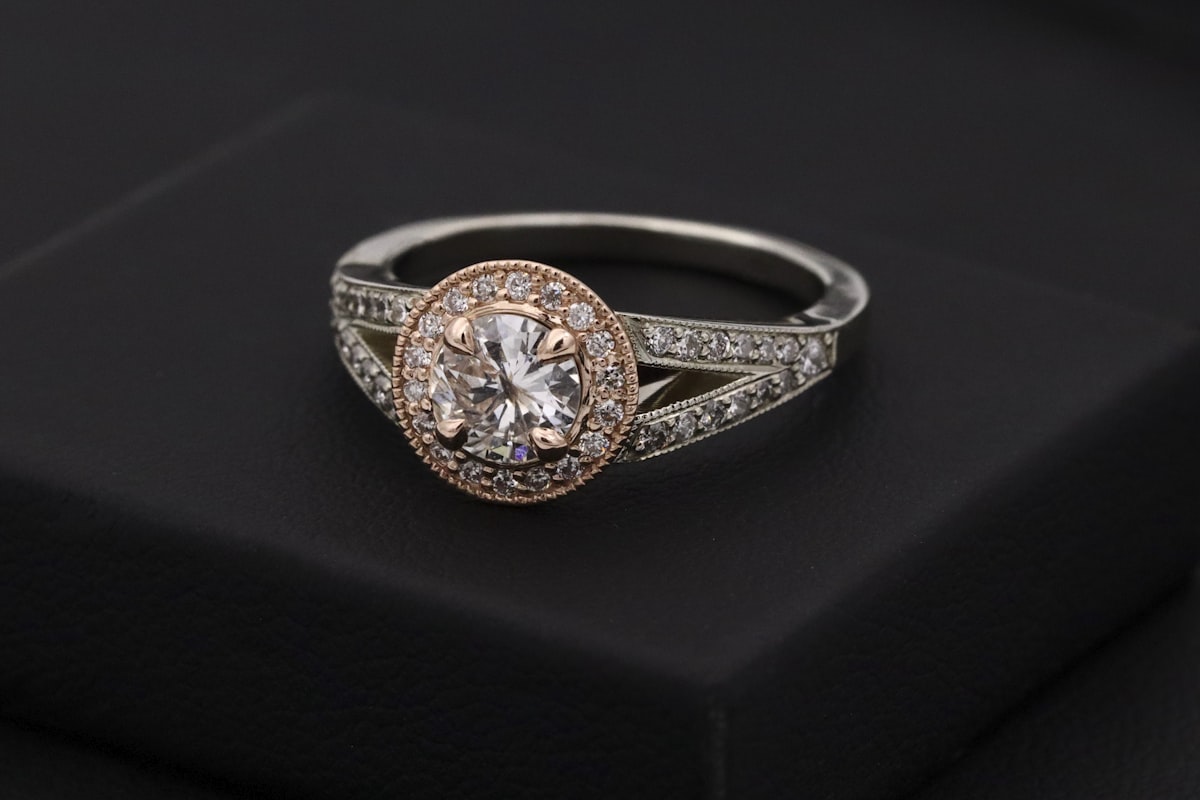
Jadau is the umbrella term for jewellery that uses Kundan setting technique with multiple stones — typically Polki diamonds + coloured gemstones (rubies, emeralds, sapphires) + sometimes pearls. A "Jadau set" implies a complete bridal set: necklace + earrings + maang tikka + sometimes nath, all featuring Kundan-set Polki + gems with Meenakari reverse.
The historic centre for Jadau is Jaipur — particularly Johari Bazaar where craftsmen from generations of master karigars work. Hyderabad has its own Nizami-era Jadau tradition. Delhi's Dariba Kalan is the third major Jadau market.
How to identify genuine vs imitation
Three quick checks for genuine Polki/Kundan/Jadau:
- Polki diamond shape: rough, irregular outline; subtle sparkle; no faceted brilliance. If the "Polki" stone has obvious facets like a brilliant-cut diamond, it's not authentic Polki — that's a heat-treated cubic zirconia or similar imitation marketed as "Polki-style".
- Kundan setting visibility: close inspection should reveal gold foil bent around each stone — slightly uneven, hand-shaped. Machine-replicated "Kundan-style" looks too uniform.
- Meenakari reverse: genuine Jadau pieces have hand-painted enamel patterns on the back. Cheap imitations have a plain or stamped reverse.
Pricing structure
A complete Jadau bridal set has multiple cost components. For an illustrative ₹15 lakh set:
- Gold weight: 60–80g of 22K = ₹8–11 lakh of gold value
- Polki diamonds: 30–60 carats × ₹15,000–30,000/ct = ₹4–18 lakh
- Coloured gemstones: 10–25 carats of rubies/emeralds = ₹2–8 lakh
- Kundan setting craftsmanship: ₹50,000–2 lakh for the setting work
- Meenakari work: ₹30,000–1.5 lakh additional
The wide range reflects stone grade, gold weight, and craftsmanship complexity. For wedding gold planning, expect Jadau sets to run 50–200% above plain 22K bridal sets of similar gold weight.
Pairing with other Indian bridal pieces
A Jadau set is typically the centerpiece of a North Indian bridal trousseau, paired with:
- Maang Tikka or Maatha Patti (forehead piece, often Jadau-style)
- Heavy Rani Haar or Sita Haar (chain layered behind the Jadau necklace)
- Hathphool (hand harness, sometimes with Polki accents)
- Polki-set Nath (nose ring) — Banarasi tradition
South Indian bridal traditions use less Polki/Kundan — temple jewellery dominates with antique-finish 22K + ruby and emerald accents. Bengali and Maharashtrian brides also use less Jadau.
Where to buy authentic pieces
Best regional sources:
- Jaipur (Johari Bazaar): the historic Polki/Kundan capital. Highest concentration of authentic master karigars. Pricing competitive due to high competition.
- Hyderabad (Charminar area): Nizami-era Polki tradition. Often combined with pearls — distinctive Hyderabadi style.
- Delhi (Dariba Kalan + Karol Bagh): sources from Jaipur with Delhi retail markup. Convenient for North Indian buyers.
- Major chains (Tanishq, Kalyan, Malabar): pre-made designs with brand assurance. Higher prices but standardised quality.
For verified jewellers in your tehsil who can custom-order Jadau pieces, browse our JewellersInCity directory across all 36 Indian states.
Investment vs collection value
Genuine Polki/Kundan jewellery has both investment value (gold + stones at melt prices) and collection value (heritage, craftsmanship, design). On resale:
- Gold weight: 92–96% of today's IBJA × purity (per standard buy-back formula).
- Polki diamonds: typically 50–75% of original purchase price (Polki has narrower resale market than brilliant-cut).
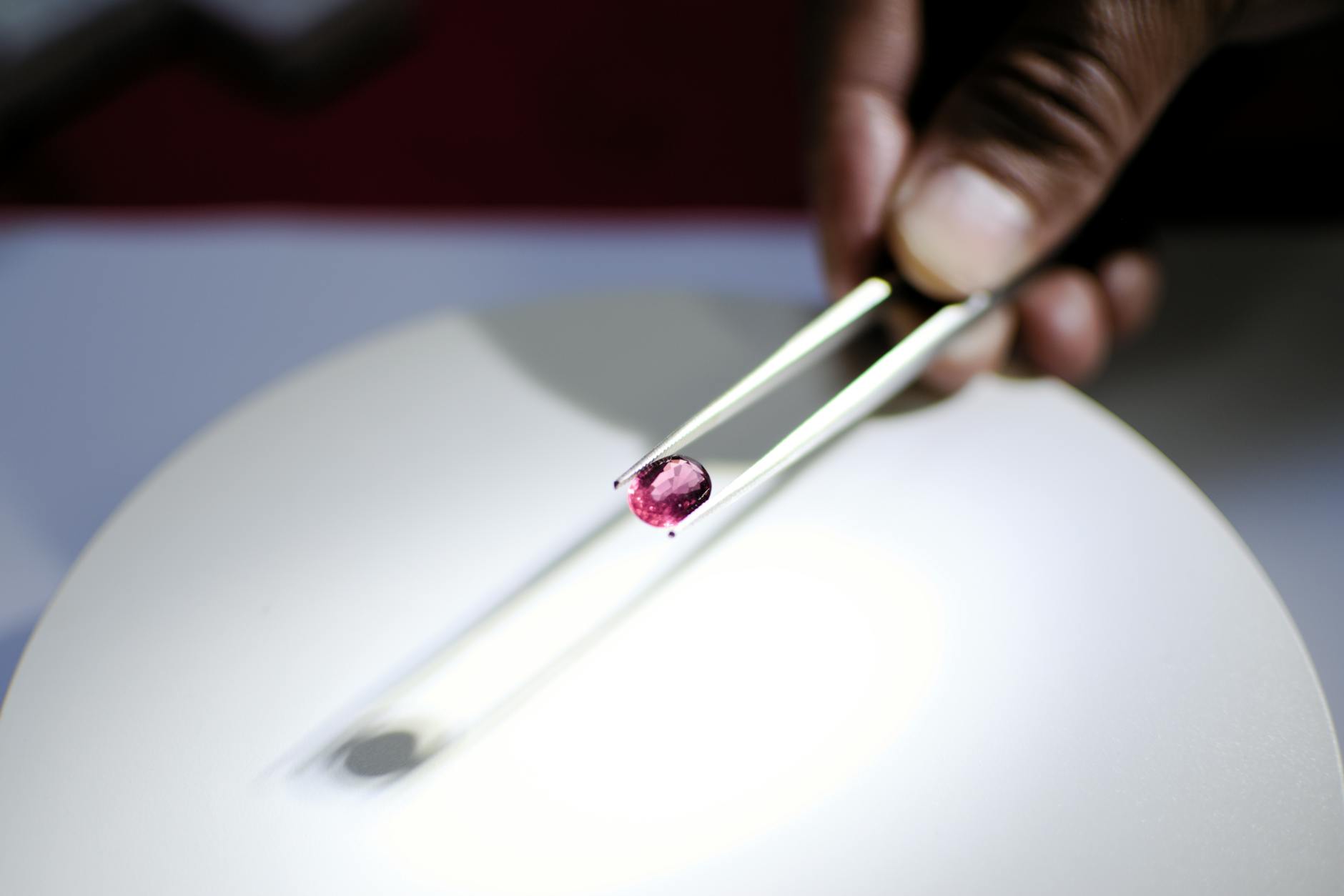
- Coloured gemstones: depending on certification + provenance.
- Heritage premium: pieces with documented provenance (Mughal-era, princely-state) can command 50–100% above melt value.
Care for Polki/Kundan jewellery
Specific care because of the soft Kundan setting:
- Never use ultrasonic cleaners — vibration loosens stones from gold foil.
- Avoid water exposure — water can dissolve traditional adhesive used under foil.
- Wipe with soft dry cloth only — no soap or polish.
- Store in airtight bag with anti-tarnish strips. Each piece in its own bag to prevent gold foil scratches.
- Annual inspection by jeweller — check stone tightness; loose stones need re-Kundan setting (₹500–₹2,000 per stone).
Authoritative references
For BIS hallmarking on Jadau pieces (gold portion must be hallmarked): bis.gov.in. For diamond grading certificates accompanying Polki stones: gia.edu. For today's IBJA gold rate, see our gold rate page.
Bottom line
Polki = the uncut diamond. Kundan = the gold-foil setting technique. Jadau = jewellery combining Polki + Kundan + coloured stones + often Meenakari. Authentic pieces are heritage-grade, expensive, and culturally distinct. For Indian bridal trousseaus where heritage matters, Jadau is the highest expression — buy from established sources in Jaipur, Hyderabad or Delhi, verify the gold via BIS Care, and document the stones with certificates for resale and insurance value.
More in Diamonds & Gemstones
Share this article
Our editorial team comprises jewellery industry veterans, certified gemmologists, and passionate writers with decades of combined experience across India's gold, diamond, and gemstone markets. Every article is researched, fact-checked, and written to help Indian buyers make smarter, safer jewellery decisions.
Passionate about jewellery and love to write? We'd love to hear from you.
Join us as a writer →Ready to buy? Find verified jewellers near you
Browse 10,000+ BIS hallmark certified jewellers across India. Compare ratings, check today's gold rate, and book a visit.
Keep Reading