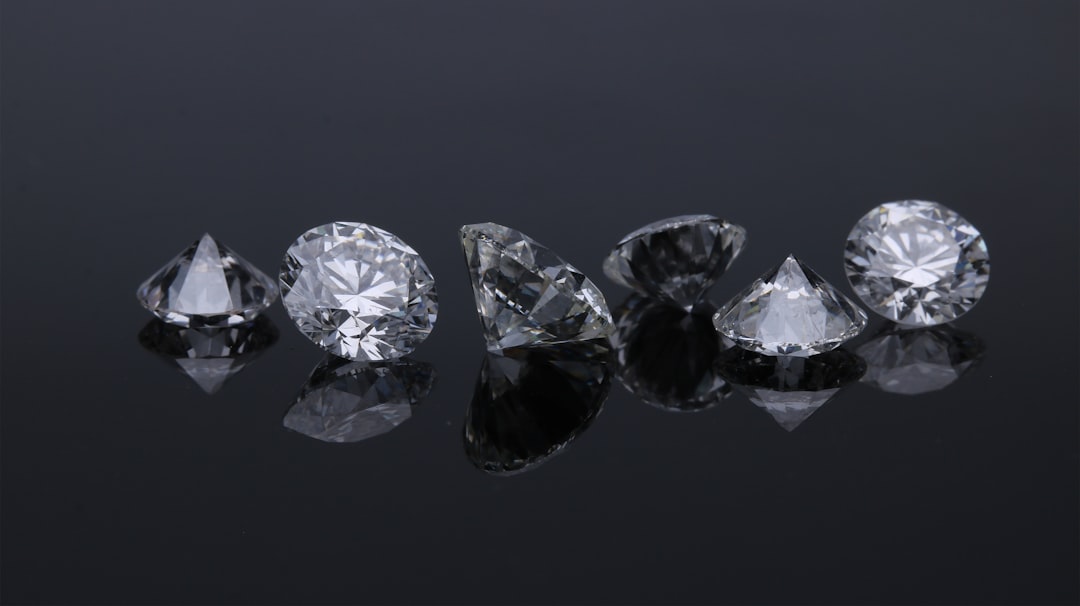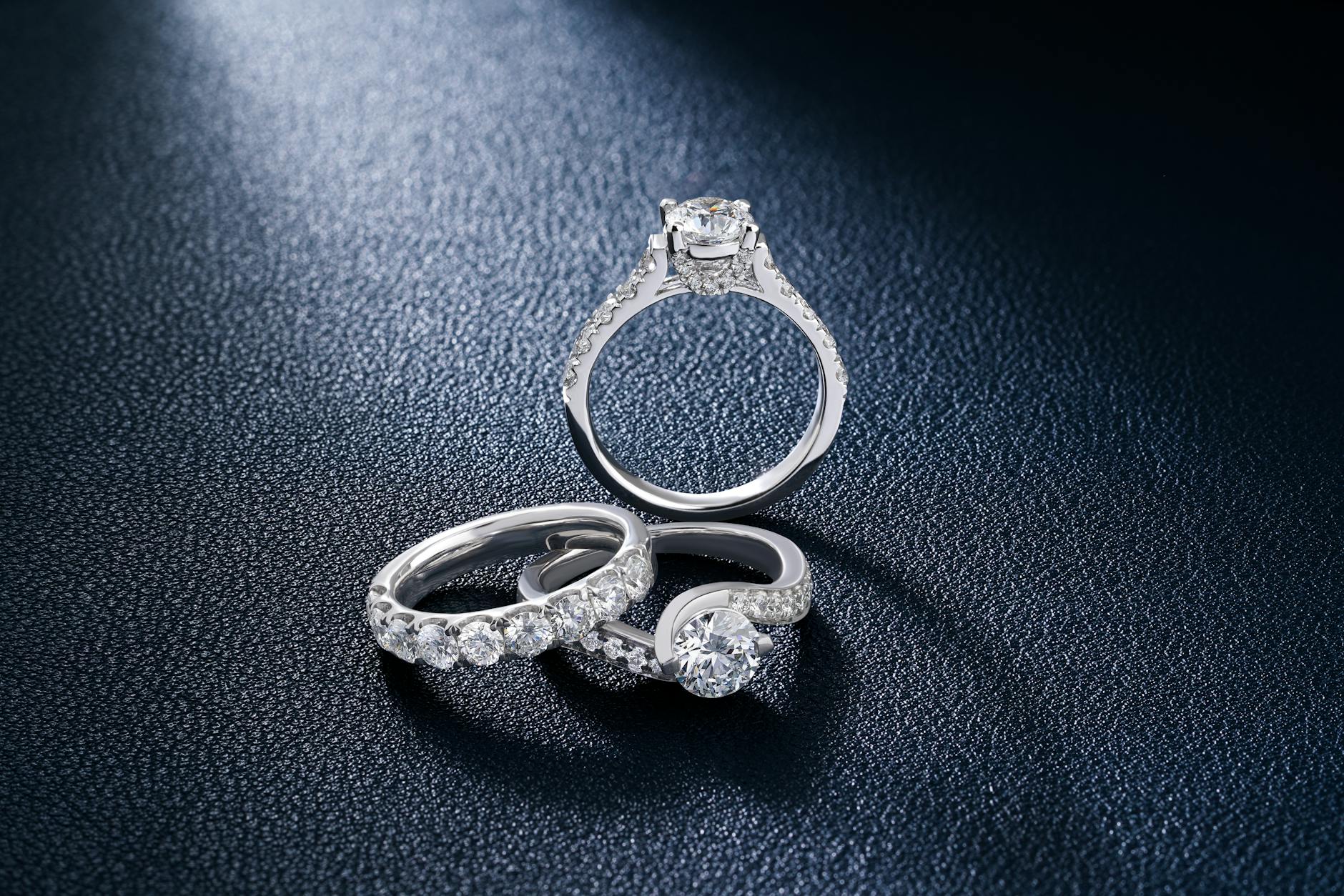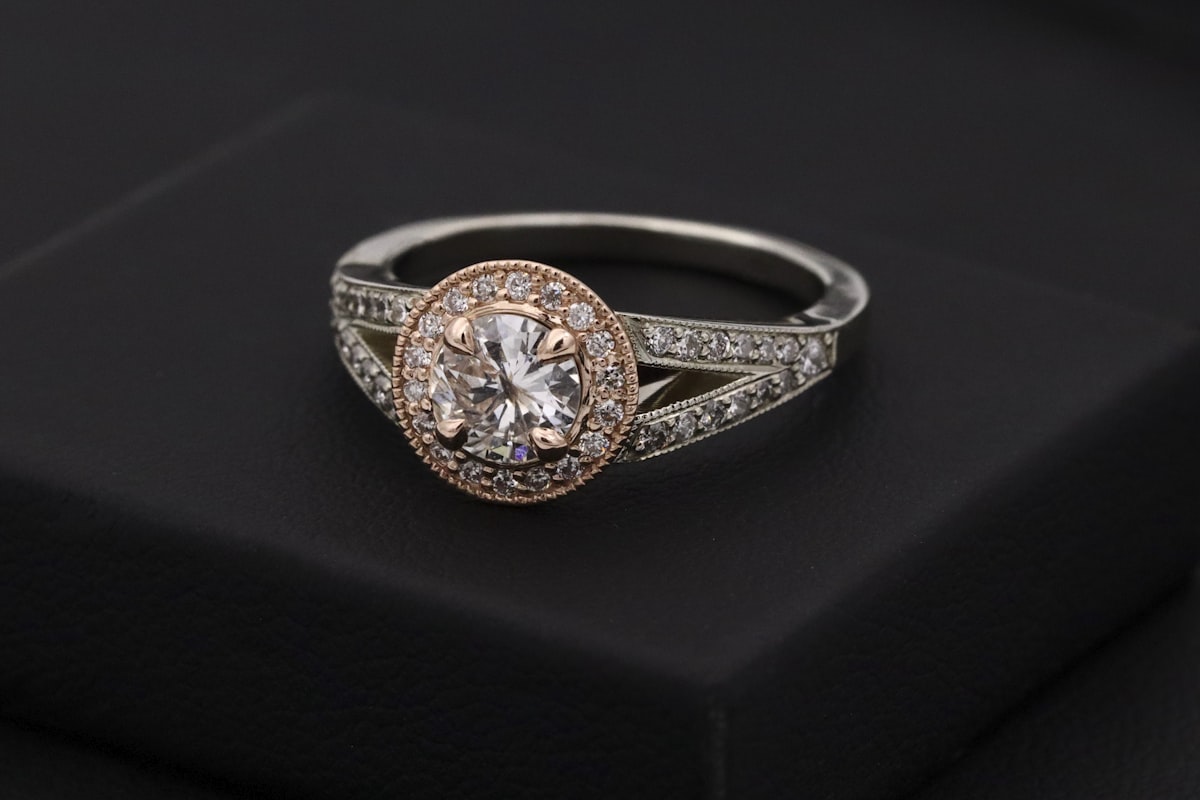
You are standing in a jewellery showroom, a diamond ring in your hand, and the salesperson is explaining why this particular stone is exceptional. How do you know if it's true? This guide gives you the systematic verification framework — what to check, what to ask, and what documents to secure before handing over any money.
Step 1: Demand the Certificate First
Before examining the stone, ask for the certificate. For any diamond above 0.30 carat, a GIA or IGI certificate should accompany the piece. If the jeweller says "this stone doesn't have a certificate" for a solitaire ring priced above ₹30,000 — that should immediately raise questions.
Once you have the certificate:
- Note the report number prominently displayed at the top
- Verify this number on the issuing lab's website immediately on your phone (GIA Report Check at gia.edu/report-check; IGI at igiworldwide.com/igi-report-check)
- Confirm the certificate on the website matches the physical certificate in front of you
- Confirm the 4C grades on the certificate match what the salesperson has been telling you
Step 2: Match the Certificate to the Stone
A certificate can be genuine but belong to a different stone than the one you are being sold. Match the certificate to the physical stone:
- Carat weight: Any jeweller should have a carat scale; ask for the stone to be weighed in your presence and confirm it matches the certificate (±0.02 carat is normal tolerance)
- Measurements: The certificate shows dimensions in mm. Ask the jeweller to measure the stone with calipers and confirm match
- Clarity characteristics map: GIA certificates include a diagram showing the location and nature of major inclusions. Under loupe magnification, you should be able to locate these inclusions in the stone
Step 3: Request Loupe Inspection
Ask the jeweller to provide a 10x loupe (most show-room counter jewellers have one). Under 10x magnification:
- Clarity: Locate the major inclusions noted on the certificate. An SI1 stone should show inclusions visible under 10x. A VS2 should show very slightly visible inclusions. An IF should show none.
- Cut quality: Look at the stone face-up. Well-cut diamonds show brilliant, even scintillation. A poorly cut stone may show dark areas ("bow ties") or a dull centre.
- Fluorescence effect: If the certificate notes "strong" or "very strong" fluorescence, view the stone under UV light — strong fluorescence can make some diamonds appear milky in daylight. Note whether this affects the stone you are looking at.
Step 4: Evaluate the 4Cs with Reference Context
Cut
Cut is the most important C for visual brilliance. GIA grades Cut as Excellent, Very Good, Good, Fair, or Poor (for round brilliants). For most buyers, Very Good or Excellent cut is the right choice — the difference in appearance between these grades is significant.
For fancy shapes (oval, pear, cushion, princess), GIA does not grade cut — rely on symmetry and polish grades instead (both should be Excellent or Very Good).
Colour
The GIA colour scale: D (colourless) → G (near-colourless) → K (faint yellow) → Z (light yellow). For most buyers, G–I provides excellent value — the difference between D and G is undetectable to most eyes in a mounted setting, but the price difference is significant. For yellow gold settings, K–M colour is often perfectly acceptable as the yellow gold masks slight warmth.
Clarity
VVS1/VVS2 and IF/FL are premium grades that offer clarity beyond what's visible to the naked eye. VS1/VS2 is "eye-clean" for most people (inclusions not visible without magnification). SI1 is often eye-clean; SI2 may show inclusions to the naked eye — inspect carefully before paying VS prices.
Carat
Price increases non-linearly at magic weights: 0.50ct, 0.75ct, 1.00ct, 1.50ct, 2.00ct. A 0.98 carat diamond looks essentially identical to a 1.00 carat but may be priced 15–20% less. "Shy weight" stones (just below magic numbers) offer significant value.
Step 5: Price Verification
Diamond prices in India should be calculable. Ask the jeweller for the per-carat price of the stone (separate from the gold ring cost). Compare with online diamond price indices (Rapaport wholesale list is the industry reference; retail is typically 20–40% above Rapaport for standard grades).
For lab-grown diamonds, prices have been declining rapidly (2023–2026) — current market rates are significantly below what they were 2 years ago. Verify current lab-grown prices before purchasing. Lab-grown diamond guide here.
Step 6: The Invoice Must Be Right
Before paying, verify the invoice includes:
- Diamond weight in carats (and the 4C grades or certificate reference number)
- Gold weight in grams and karatage
- Making charges stated separately
- GST breakdown: 3% on gold, 0.25% on diamond value, 5% on making charges
- Jeweller's GST registration number
- Certificate number
An invoice that shows only a lump sum price without component breakdown is insufficient for insurance, future resale, or any dispute resolution.
Step 7: Lab-Grown vs Natural — Confirm Which You Are Buying
Lab-grown diamonds must be disclosed on the certificate ("Lab Grown" stated clearly on GIA and IGI certificates). If you are buying what you believe to be a natural diamond and no certificate is provided, ask the jeweller for written confirmation on the invoice: "Natural diamond, not lab-grown, not simulant." Any reputable jeweller will do this without hesitation. Full comparison guide.
Step 8: Return and Exchange Policy
Before completing purchase, confirm in writing:
- Is there a return window? (Major chains typically offer 30-day exchange)
- What is the policy if a stone falls out within the warranty period?
- What is the exchange value for the gold ring component?
- Is there an upgrade policy (trade-in the diamond toward a larger stone later)?
Quick Reference Checklist
- ☐ Certificate provided (GIA / IGI for any stone 0.30ct+)
- ☐ Certificate verified on lab website by report number
- ☐ Stone weighed and measurements confirmed
- ☐ Inclusions located under loupe
- ☐ Cut grade assessed (Excellent / Very Good for round brilliants)
- ☐ Colour grade appropriate for setting metal colour
- ☐ Clarity grade eye-clean (VS2+ or SI1 if clearly eye-clean on inspection)
- ☐ Per-carat price verified against market comparisons
- ☐ Natural vs lab-grown status confirmed
- ☐ Invoice shows all components separately with GST breakdown
- ☐ Return / exchange policy documented
Conclusion
Diamond buying in India is increasingly well-protected by certification standards and consumer rights — but only if you exercise those protections. A certificate that isn't verified, a stone that isn't weighed, and an invoice that doesn't specify grades are all opportunities for misrepresentation that a prepared buyer eliminates. Read the full gemstone certification guide | Find verified diamond jewellers on JewellersInCity.
More in Diamonds & Gemstones
Share this article
Our editorial team comprises jewellery industry veterans, certified gemmologists, and passionate writers with decades of combined experience across India's gold, diamond, and gemstone markets. Every article is researched, fact-checked, and written to help Indian buyers make smarter, safer jewellery decisions.
Passionate about jewellery and love to write? We'd love to hear from you.
Join us as a writer →Ready to buy? Find verified jewellers near you
Browse 10,000+ BIS hallmark certified jewellers across India. Compare ratings, check today's gold rate, and book a visit.
Keep Reading