Assamese Wedding Jewellery Guide: Junbiri, Dugdugi & Traditional Ornaments
Assam, the land of the mighty Brahmaputra and one-horned rhinoceros, has a jewellery tradition as rich and flowing as its great river. Assamese gold jewellery is distinctive for its naturalistic motifs — animals, birds, flowers, and fish inspired by the region's extraordinary biodiversity. At an Assamese wedding, the bride's ornaments are not mere accessories; they are statements of cultural identity, family wealth, and ancestral pride. This guide introduces you to the complete world of traditional Assamese bridal jewellery.
The Cultural Context of Assamese Jewellery
Assamese jewellery tradition developed over centuries under the Ahom Kingdom (1228–1826 CE), which ruled Assam for nearly 600 years and created a sophisticated court culture. The royal goldsmiths (called sonar or sonari) developed intricate techniques that survive today. Traditional Assamese jewellery is made in 22K gold and features designs inspired by:
- Wildlife: rhino, elephant, peacock, fish (Assam's river bounty)
- Flowers: lotuses, jasmine (Kopou Phool — the state flower used at weddings)
- Geometric patterns from traditional Assamese weaving (pat silk, muga silk)
Essential Assamese Bridal Jewellery: Head to Toe
1. Junbiri (The Crescent Necklace)
The Junbiri is the most iconic Assamese jewellery piece — a crescent-shaped gold pendant necklace. "Jun" means moon in Assamese, and the ornament's curved shape mirrors the crescent moon. Traditionally crafted in 22K gold with fine granulation work, the Junbiri hangs from a gold chain or thread of beads (often coral or glass) and sits at the base of the throat. No Assamese bride is considered complete without it.
2. Dugdugi (The Distinctive Earrings)
Dugdugi earrings are large, cylindrical gold earrings — their name derives from the drum-like shape. They typically feature intricate filigree work and may include hanging pendants. The traditional Dugdugi is heavy — sometimes 8–12 grams of gold per earring — and brides often support them with threads tied behind the ear. Contemporary Dugdugi designs retain the form but in lighter weights (3–5 grams).
3. Gejera / Keru (Bangles)
Assamese brides wear specific types of bangles:
- Gamkharu: Thick gold bangles with a distinctive dome-shaped projection on the outer surface — among the most recognisable Assamese ornaments
- Keru: Spiral gold bangles worn on the upper arm (not wrist) — a distinctly Assamese tradition
- Gejera: Plain but heavy gold bangles, often given by the bride's parents
4. Locket / Bana
The Bana is a traditional Assamese gold locket featuring raised relief work — often depicting deities, nature motifs, or geometric patterns. It's worn on a gold chain and serves as the main necklace pendant alongside or instead of the Junbiri for some communities.
5. Dhulbiri (Nose Ring)
The Dhulbiri is an Assamese gold nose ring — typically a small, plain gold ring in the left nostril. Unlike the elaborate naths of North Indian brides, the traditional Assamese nose ring is modest and elegant.
6. Thuria (Earrings)
The Thuria are smaller, everyday Assamese earrings often worn alongside the Dugdugi. They feature disc-like gold designs with granulation work and are lighter than Dugdugi, making them suitable for post-wedding occasions.
7. Muthikharu (Hand Ornament)
The Muthikharu is a ring-and-bracelet combination — gold rings connected by gold chains to a bracelet worn on the same hand. It's an elaborate hand ornament representing the highest level of bridal adornment.
8. Chains and Amulets
Assamese brides often wear multiple gold chains, including one holding a gold amulet (Kothia) containing protective verses. These religious amulets are blessed by priests and are believed to protect the bride.
The Role of Kopou Phool (Foxtail Orchid) in Assamese Weddings
The Kopou Phool (Rhynchostylis retusa — the state flower of Assam) plays a unique role: real Kopou Phool flowers are worn in the bride's hair alongside gold ornaments. Gold replicas of Kopou Phool are also made as jewellery — exquisite crafted gold flowers worn as hair accessories during the wedding.
Assamese Jewellery for Different Wedding Rituals
Juron (Engagement / Pre-Wedding Ceremony)
At the Juron ceremony, the groom's family formally presents gifts to the bride, including gold jewellery. Traditional gifts include at least one pair of Keru (arm bangles), a gold necklace, and gold earrings. The bride wears lighter ornaments for this ceremony.
Main Wedding Day
Full bridal jewellery is worn — Junbiri, Dugdugi, Gamkharu, Keru, Dhulbiri, Muthikharu, and all chains. The weight of jewellery can reach 200–400 grams for affluent families. The bride is dressed in Mekhela Chador (Assamese silk saree) with the jewellery complementing the gold-threaded silk.
Biya Naam (Wedding Songs)
Traditional wedding songs specifically mention the bride's jewellery — a cultural practice that makes the jewellery part of the wedding's artistic expression, not just its visual spectacle.
Mising, Bodo, and Other Tribal Wedding Jewellery
Assam is home to dozens of tribal communities, each with distinct jewellery traditions:
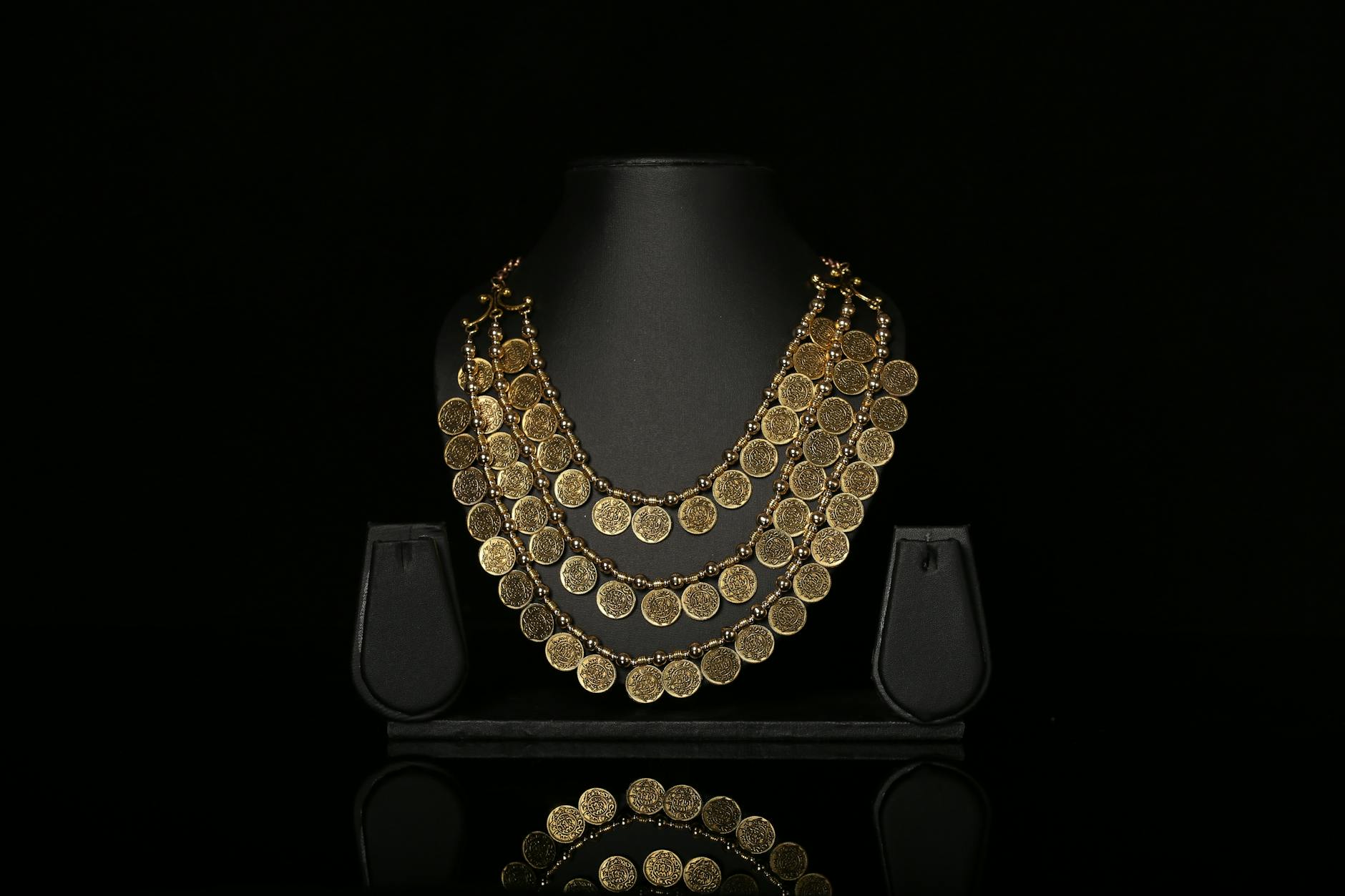
- Mising tribe: Silver jewellery dominates; elaborate necklaces of silver beads and coins; distinctive silver earrings
- Bodo tribe: Traditional Dokhona (saree) accompanied by silver ornaments; Bodo brides wear distinctive silver bangles called phisiri
- Karbi tribe: Elaborate bead necklaces (Chekso-phon) in multiple strands; silver ornaments
Where to Buy Authentic Assamese Jewellery
Authentic Assamese gold jewellery is concentrated in:
- Guwahati: Fancy Bazar, Paltan Bazar, and Uzan Bazar have traditional goldsmiths specialising in Assamese designs. The city is the commercial hub for Assamese jewellery.
- Jorhat: Known for traditional Assamese goldsmithing; close to the original Ahom kingdom heartland
- Sivasagar: The ancient capital of the Ahom kingdom; goldsmiths here maintain centuries-old techniques
- Online: Several Guwahati-based jewellers now ship pan-India; look for certified craftsmen to ensure authenticity
Assamese Jewellery Price Guide (Approximate)
| Ornament | Weight Range | Approximate Price (22K gold) |
|---|---|---|
| Junbiri necklace | 10–25g | ₹75,000 – ₹1,90,000 |
| Dugdugi earrings (pair) | 8–20g | ₹60,000 – ₹1,50,000 |
| Gamkharu (pair) | 20–50g | ₹1,50,000 – ₹3,75,000 |
| Keru arm bangles (pair) | 15–35g | ₹1,12,500 – ₹2,62,500 |
| Muthikharu hand ornament | 15–30g | ₹1,12,500 – ₹2,25,000 |
| Complete bridal set | 100–250g | ₹7,50,000 – ₹18,75,000 |
Prices based on 22K gold at approximately ₹7,500/gram plus making charges of 12–20% for intricate Assamese work.
Frequently Asked Questions
What is the most important jewellery piece for an Assamese bride?
The Junbiri (crescent necklace) is considered the most quintessentially Assamese bridal ornament. If an Assamese bride wears only one traditional piece, it is typically the Junbiri. The Gamkharu bangles and Keru arm bangles are the next most essential.
Is Assamese jewellery available outside Assam?
Authentic Assamese jewellery is primarily available in Guwahati, Jorhat, and Sivasagar. Some specialised jewellers in major cities like Delhi (particularly areas with Assamese communities) carry a limited range. Online purchases from certified Guwahati jewellers are increasingly common. Always ask for BIS hallmarking when buying.
Can Assamese jewellery be worn with non-traditional outfits?
Absolutely. The clean, naturalistic designs of Assamese jewellery — particularly the Junbiri and Thuria — pair beautifully with contemporary outfits. Many fashion-forward women wear Assamese pieces as statement jewellery with sarees, kurtas, and even Indo-western fusion looks.
What metal is used in Assamese jewellery?
Traditional Assamese bridal jewellery is made exclusively in 22K gold. Silver is used for tribal and everyday ornaments. Some contemporary designers create Assamese-motif jewellery in sterling silver or white gold, but for weddings, yellow gold (22K) is traditional and expected.
How do I ensure Assamese jewellery is authentic?
Look for BIS hallmarking (916 stamp for 22K gold). Authentic Assamese designs have very specific characteristics — the Junbiri crescent shape, the granulation work on Dugdugi, the dome projections on Gamkharu. Ask the jeweller if they can explain the traditional significance of each piece. Buying from established Guwahati jewellers with physical shops is the safest route.
Explore our Punjabi bridal jewellery guide, Kerala gold traditions, and Gujarati jewellery guide for regional comparisons. Find jewellers near you on JewellersInCity.
More in Wedding & Bridal
Share this article
Our editorial team comprises jewellery industry veterans, certified gemmologists, and passionate writers with decades of combined experience across India's gold, diamond, and gemstone markets. Every article is researched, fact-checked, and written to help Indian buyers make smarter, safer jewellery decisions.
Passionate about jewellery and love to write? We'd love to hear from you.
Join us as a writer →Ready to buy? Find verified jewellers near you
Browse 10,000+ BIS hallmark certified jewellers across India. Compare ratings, check today's gold rate, and book a visit.
Keep Reading