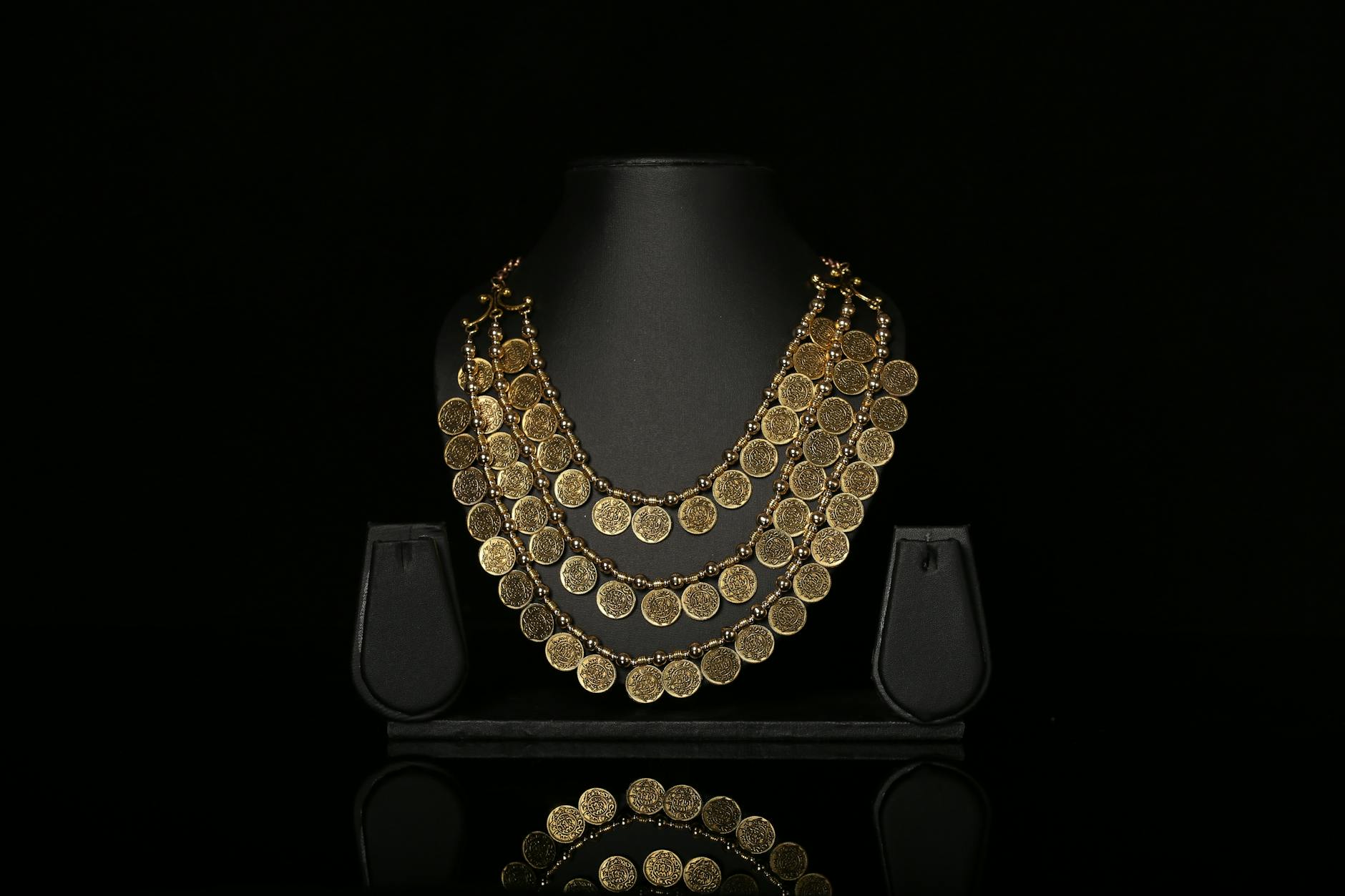
At Indian weddings, gold is not decoration — it is communication. The weight of gold gifted communicates family status, the depth of relationship between families, and generational wealth transfer. But for many guests — particularly those new to Indian wedding customs or attending a different community's celebration — the question of what to give, how much to spend, and in what form is genuinely confusing. This guide answers all of it.
The Significance of Gold at Indian Weddings
Gold gifting at weddings serves multiple simultaneous functions:
- Auspicious blessing: Gold is Lakshmi's metal — gifting it is bestowing wealth and prosperity on the couple
- Practical wealth transfer: Gold holds value; it is a meaningful start to a couple's financial life together
- Social statement: The amount and quality of gold gifted communicates the relationship's depth and the giver's standing
- Community custom: In many communities, specific relatives have specific gold gifting obligations — these are understood expectations, not optional generosity
Who Gives What: A Relationship Guide
Parents (of both bride and groom)
Parents are the primary jewellery providers for their child. The bride's parents are responsible for the bulk of her jewellery (the "stridhan" — her own wealth). The groom's parents typically gift jewellery to the bride as well (often the main wedding set or a significant necklace). Amounts here are family-specific and can run from ₹2 lakh to ₹50 lakh+.
Grandparents
Grandparents typically gift gold chains, coins, or significant pieces. This is often the first and most meaningful family gold the bride receives. ₹10,000–₹1,00,000+ depending on family capacity.
Maternal Uncle (Mama)
In many communities, the bride's mama has a specific ritual obligation — Paanetar in Gujarati tradition, major gold in Kerala, or specific jewellery pieces in other communities. This is community-specific and should be confirmed with family before the wedding.
Aunts and Uncles
Typically gift jewellery or gold coins at moderate amounts. ₹10,000–₹50,000 is a reasonable range. Closer aunts/uncles gift more.
Siblings
Siblings of the bride or groom may contribute to a joint gift or gift individually. ₹10,000–₹30,000 individually; a joint sibling gift can be more substantial.
Cousins
₹5,000–₹20,000. Gold earrings, a small chain, or a gold coin are typical at this tier.
Friends
For close friends: ₹5,000–₹15,000. For acquaintances and work colleagues: ₹2,000–₹8,000. Gold coins work well in this range — buy 2-gram or 4-gram BIS hallmarked coins from any major jeweller.
Jewellery vs Gold Coins: Which to Gift
Gold Coins and Bars
BIS hallmarked gold coins (1g, 2g, 4g, 5g, 8g, 10g, 20g, 50g) from certified mints (MMTC, India Post, major bank mints, and reputable jewellers) are financially the most versatile gift:
- No making charges — full gold weight value
- Hallmarked for purity verification
- Exchangeable at any jeweller at market gold rates
- Can be accumulated and later converted to jewellery
The small downside: coins feel less personal than jewellery. Presenting a set of coins beautifully on a silk-lined tray with flowers compensates for the aesthetic gap.
Gold Jewellery
Jewellery is more emotionally resonant and immediately wearable. Best for:
- When you know the bride's style well enough to choose something she'll actually wear
- Culturally expected pieces (a specific necklace style, community-specific pieces)
- When the recipient is a family member and jewellery has sentimental weight
Avoid jewellery when: you are uncertain about taste, style, or community norms. A gold coin is always welcome; specific jewellery is only welcome if it fits the recipient's aesthetic.
Community-Specific Gold Gifting Customs
South Indian (Tamil, Telugu, Kannada, Malayali) Weddings
Gold gifting is central and public. The Veli (dowry-adjacent gifting) involves substantial gold display. Extended family gold gifts are often displayed at the ceremony on a tray. The standard gift for extended family is gold coins or a simple chain; close family gifts larger pieces. It is common for 50+ gift gold pieces to be presented at South Indian weddings.
Punjabi Weddings
Gold is presented at multiple ceremonies — Roka, Ring Ceremony, Sangeet, and the main wedding. Close family is expected at each stage. Shagun envelopes (cash in auspicious odd amounts) at Roka and engagement are supplemented by gold jewellery at the main wedding.
Gujarati Weddings
The maternal uncle's Paanetar gift is central. Extended family gifts gold coins and jewellery. The bride's family accumulates gold from guests over multiple pre-wedding ceremonies (Pithi, Sangeet) as well as the main wedding.
Bengali Weddings
Iron bangles (loh) are the traditional auspicious Bengali bridal piece, alongside gold chains and earrings. Extended family typically gifts gold chains and simple pieces. The Aashirbaad ceremony (blessing ceremony) involves significant gold gifting from elders.
Muslim Weddings
Mehr (the bride's right) is often fulfilled in gold. Family gifts of gold jewellery are traditional — heavy sets for close family. In some Muslim communities, gold coin sets are a preferred gift for their financial clarity.
Presentation: How to Gift Gold
Presentation matters in Indian gold gifting culture:
- Use a decorative tray (thali) lined with silk or velvet, decorated with flowers, diyas, and betel leaves
- Gold coins can be presented in their original case or on a thali — never loose in a pocket
- Jewellery should be in a proper presentation box from the jeweller
- Accompany with kumkum, haldi, and flowers for auspicious presentation
- Present in public at the appropriate ceremony moment — the public nature of the gift is part of its social meaning
Tax Implications of Gold Gifts
Under Indian income tax law, gifts received on the occasion of a wedding are exempt from gift tax — there is no limit on the amount. This makes a wedding the ideal occasion for significant gold transfers within families. Gifts from non-relatives above ₹50,000 in a non-wedding context are taxable; wedding gifts are exempt regardless of amount or relationship. Full gold tax guide for India.
Buying Gold Gifts: Practical Tips
- Buy BIS HUID hallmarked coins or jewellery. The recipient can verify purity and exchange at full value.
- For coins, buy from reputable sources: Major jewellers, bank mints (SBI, MMTC, India Post), or certified coin dealers. Avoid street vendors or unknown online sellers for gold coins.
- Gift receipt / certificate: For higher-value jewellery, request a gift receipt or certificate from the jeweller noting the piece weight and purity. This helps the recipient if they exchange or sell later.
- Consider timing: Buy gold gifts before major price spikes — festival weeks drive up demand. Best time to buy gold guide.
Conclusion
Gifting gold at Indian weddings is one of the most meaningful expressions of goodwill in the culture. Whether you're a close family member fulfilling a community obligation or a friend choosing a thoughtful gift, understanding the forms, amounts, and customs transforms the gesture from obligation to genuine celebration. Find jewellers near you on JewellersInCity for coins, gift sets, and jewellery purchases.
More in Wedding & Bridal
Share this article
Our editorial team comprises jewellery industry veterans, certified gemmologists, and passionate writers with decades of combined experience across India's gold, diamond, and gemstone markets. Every article is researched, fact-checked, and written to help Indian buyers make smarter, safer jewellery decisions.
Passionate about jewellery and love to write? We'd love to hear from you.
Join us as a writer →Ready to buy? Find verified jewellers near you
Browse 10,000+ BIS hallmark certified jewellers across India. Compare ratings, check today's gold rate, and book a visit.
Keep Reading