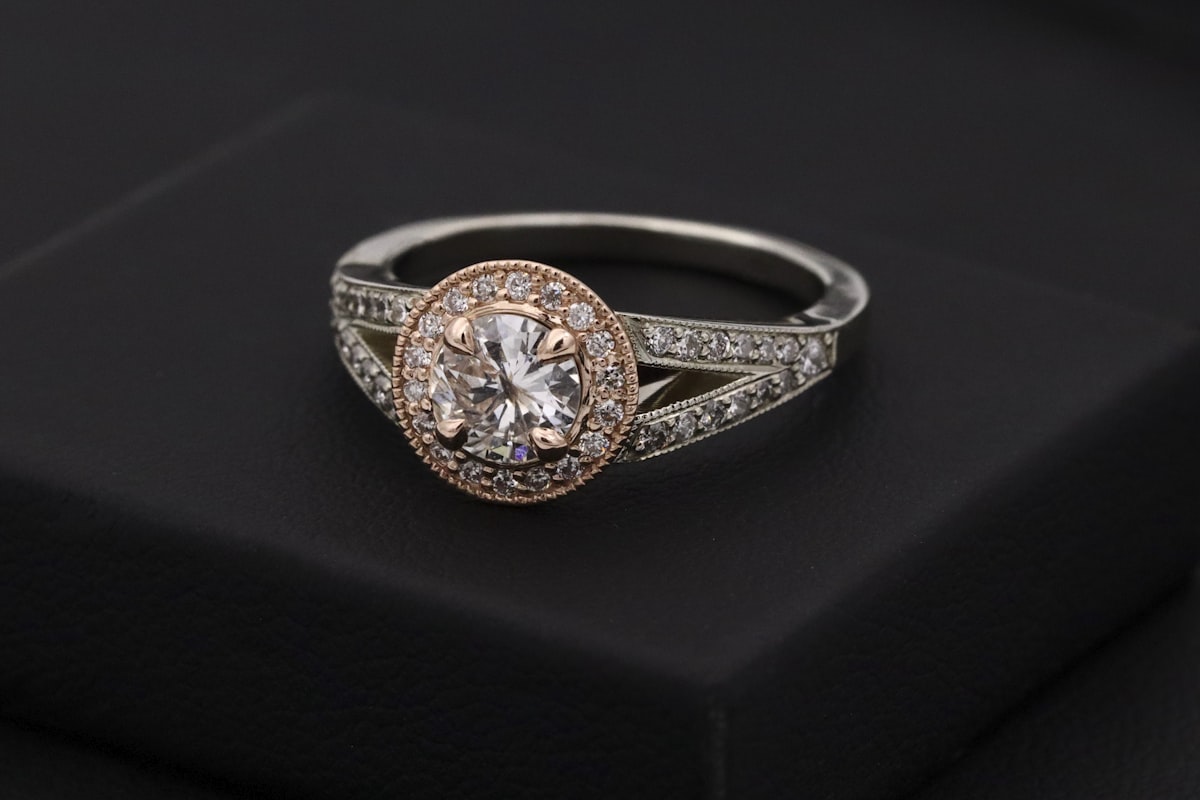
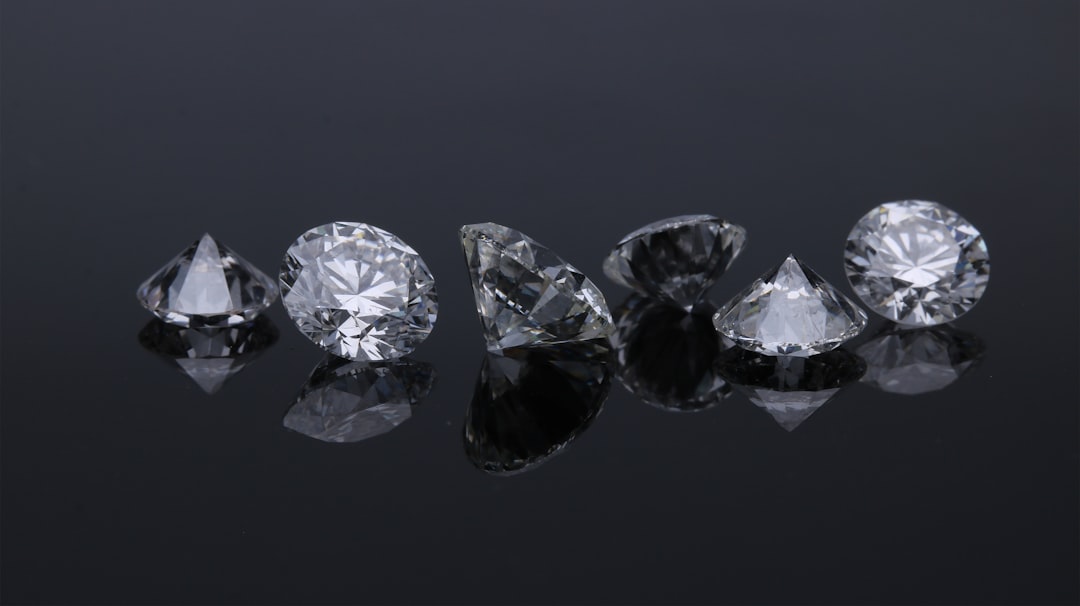
Navratna — literally "nine gems" in Sanskrit — is one of the most ancient and revered jewellery traditions in India. Found across centuries of Mughal, Rajput, South Indian, and Deccan royal jewellery, the Navratna combination holds deep significance in Vedic astrology, Indian aesthetics, and cultural identity. Today it appears in rings, pendants, necklaces, bangles, and earrings across every price range from a few thousand rupees to several lakhs. This guide explains every aspect of Navratna: the nine gems, their symbolism, quality standards, pricing, and how to buy intelligently.
The Nine Gems of Navratna — Planets and Significance
Each of the nine gems in Navratna corresponds to one of the nine celestial bodies (Navagraha) of Vedic astrology. The correspondence is consistent across all authentic Navratna traditions:
| Position | Gemstone | Planet (Graha) | Colour | Traditional Metal |
|---|---|---|---|---|
| Centre | Ruby (Manik) | Sun (Surya) | Red | Gold |
| 2 | Pearl (Moti) | Moon (Chandra) | White / Cream | Silver |
| 3 | Red Coral (Moonga) | Mars (Mangal) | Coral Red | Gold / Copper |
| 4 | Emerald (Panna) | Mercury (Budh) | Green | Gold |
| 5 | Yellow Sapphire (Pukhraj) | Jupiter (Guru) | Yellow | Gold |
| 6 | Diamond (Heera) | Venus (Shukra) | White / Clear | Platinum / White Gold |
| 7 | Blue Sapphire (Neelam) | Saturn (Shani) | Blue | Gold / Iron |
| 8 | Hessonite Garnet (Gomed) | Rahu (North Node) | Honey / Orange | Gold / Panchdhatu |
| 9 | Cat's Eye Chrysoberyl (Lehsunia) | Ketu (South Node) | Olive / Yellow | Gold / Panchdhatu |
Traditional Navratna Setting and Layout
The traditional Navratna ring or pendant places the Ruby in the centre (representing the Sun as the king of the solar system) with the remaining eight gems surrounding it in a specific arrangement. The arrangement varies slightly between North Indian and South Indian traditions, but the Ruby's central position is universal and non-negotiable in authentic Navratna jewellery.
In the traditional Navratna ring, all nine stones are set in open-back (prong or bezel) settings that allow light — and supposedly cosmic energy — to reach the skin. Closed-back settings are considered less effective in the astrological tradition.
Who Should Wear Navratna?
This is where Navratna differs fundamentally from single-stone astrological gemstones. Single-stone gems (like wearing a Blue Sapphire for Saturn or an Emerald for Mercury) require consultation with a qualified Jyotish astrologer — wearing the wrong stone for your chart can have adverse effects according to Vedic tradition.
Navratna is traditionally considered safe and auspicious for everyone, regardless of horoscope. The reasoning: since all nine planetary energies are represented, no single planet is overly strengthened. The combination is considered balanced and universally beneficial. Most Jyotish practitioners consider Navratna appropriate without individual chart consultation.
💡 Pro Tip
If you want the astrological benefits of Navratna but your budget is limited, prioritise gem quality over size. A Navratna ring with small but natural, untreated gems is far more effective astrologically than one with large synthetic or glass-filled stones, according to Jyotish principles.
Navratna Jewellery Types
Navratna appears in virtually every type of jewellery in the Indian tradition:
- Ring: The most common form for astrological purposes. Traditionally worn on the ring finger of the dominant hand.
- Pendant/Locket: Very popular for daily wear; the nine stones are set in an oval, square, or lotus-shaped pendant.
- Necklace: South Indian Navratna necklaces are elaborate and often part of bridal jewellery sets.
- Bangles and Kadas: Navratna bangles feature the nine gems repeated along the bangle circumference.
- Earrings: Navratna stud earrings (9 stones in each earring or one stone per earring across 9 pairs) are popular.
- Maang Tikka and Headpiece: In South Indian bridal tradition, Navratna features in headpieces.
Price Ranges for Navratna Jewellery
The price range for Navratna jewellery is enormous, driven entirely by the quality of the nine gemstones:
| Tier | Gem Quality | Metal | Price Range (Ring) |
|---|---|---|---|
| Budget | Synthetic or glass-filled gems | Silver or gold-plated | ₹3,000–₹15,000 |
| Mid-Range | Natural semi-precious (garnet, citrine, etc. substitutes) | 22K or 18K gold | ₹40,000–₹2,00,000 |
| Premium | Natural precious gems — ruby, sapphire, emerald | 22K gold | ₹1,50,000–₹8,00,000 |
| High-End | Certified natural gems — all precious, fine quality | 22K gold | ₹5,00,000–₹50,00,000+ |
⚠️ What You Are Actually Getting at Budget Prices
A Navratna ring sold for ₹5,000–₹20,000 almost certainly contains synthetic stones (lab-grown corundum, synthetic spinel, glass) rather than natural gems. This is not illegal if disclosed, but sellers often imply or claim "natural" gems. For fashion purposes this is fine; for astrological purposes, synthetic gems are considered ineffective in Jyotish tradition.
Authentic Gem Quality Standards for Each Stone
For an authentic Navratna with astrological value, minimum quality standards per stone according to Jyotish tradition:
- Ruby: Natural, no glass filling; heat treatment acceptable; minimum 0.5ct; vivid red preferred
- Pearl: Natural saltwater preferred (South Sea or Basra); freshwater acceptable; minimum 3–4mm; orient (luster) important
- Red Coral: Natural Italian or Japanese Moonga coral; not dyed; minimum 3ct
- Emerald: Natural, Colombian or Zambian; minor inclusions acceptable; no fracture-filling; minimum 0.5ct
- Yellow Sapphire: Natural, Sri Lankan (Ceylon) preferred; vivid yellow; no heat treatment preferred; minimum 1ct
- Diamond: Natural; SI clarity minimum; G-H colour or better; minimum 0.15ct (or white sapphire as substitute)
- Blue Sapphire: Natural, Ceylon or Kashmir preferred; vivid blue; minimum 0.5ct
- Hessonite Garnet: Natural, Sri Lankan; honey colour; minimum 2ct
- Cat's Eye Chrysoberyl: Natural; strong chatoyancy (the "eye" band); minimum 1ct
Regional Navratna Traditions
South Indian Navratna: Temple jewellery tradition (particularly Tamil Nadu and Kerala) features Navratna prominently in elaborate necklaces, vaddanam (waist belts), and headpieces used in temple dance and bridal wear. The South Indian tradition often uses uncut or cabochon stones in heavy gold settings (kundan or claw-set), with larger stones and more ornate metalwork.
North Indian / Mughal Navratna: The Mughal influence brought polki (uncut diamond) Navratna jewellery to prominence. Rajasthani meenakari (enamel) work combined with Navratna gems is particularly celebrated. North Indian Navratna rings tend toward more compact, structured settings.
Panchdhatu (Five-Metal) Settings: Traditional Navratna rings for pure astrological purposes are sometimes set in Panchdhatu — an alloy of gold, silver, copper, iron, and zinc — rather than pure gold. This is considered auspicious in certain Vedic traditions as each metal also carries planetary significance.
Certification and Investment Value
For Navratna jewellery above ₹2 lakh, seek individual gem certificates from reputable labs (IGI India, GIA, GRS) for each of the major precious stones — at minimum the ruby, sapphire, emerald, and cat's eye. A Navratna set where each stone has a certificate will hold its value and be much easier to sell, resell, or claim insurance on.
As an investment, Navratna with certified precious stones outperforms single-stone jewellery because the value is diversified across nine different gemstones — you benefit from price appreciation in whichever gem markets perform well.
Frequently Asked Questions
Can anyone wear Navratna jewellery? Yes. Unlike single-planet gemstones that require horoscope consultation, Navratna is traditionally considered safe and beneficial for everyone as it balances all nine planetary influences simultaneously.
Is Navratna good for business? According to Vedic tradition, Navratna is considered auspicious for general well-being, health, and prosperity. Some practitioners specifically recommend it for business owners as it covers the full spectrum of planetary influences that affect commerce, communication, wealth, and relationships.
How do I clean Navratna jewellery? Use lukewarm water with a very mild soap and a soft brush. Avoid ultrasonic cleaning (can crack pearls and coral), steam cleaning (harmful to pearls, coral, and emeralds), and any harsh chemicals. Each of the nine stones has different hardness and stability — the safest common denominator is gentle hand cleaning only.
More in Diamonds & Gemstones
Share this article
Our editorial team comprises jewellery industry veterans, certified gemmologists, and passionate writers with decades of combined experience across India's gold, diamond, and gemstone markets. Every article is researched, fact-checked, and written to help Indian buyers make smarter, safer jewellery decisions.
Passionate about jewellery and love to write? We'd love to hear from you.
Join us as a writer →Ready to buy? Find verified jewellers near you
Browse 10,000+ BIS hallmark certified jewellers across India. Compare ratings, check today's gold rate, and book a visit.
Keep Reading