Introduction: The Distinctive Beauty of Maharashtrian Bridal Jewelry
Maharashtrian bridal jewelry occupies a unique and revered position in the vast landscape of Indian wedding traditions. Unlike the heavy, ornate jewelry sets favored in North Indian weddings or the temple-inspired gold ensembles of South Indian ceremonies, Maharashtrian bridal jewelry strikes a distinctive balance between opulence and elegance, between spiritual symbolism and artistic refinement. Each piece in the traditional Maharashtrian bridal set carries centuries of cultural significance, connecting the modern bride to a lineage of women who wore the same designs through the Peshwa courts, the Maratha empire, and the vibrant communities of the Deccan plateau.
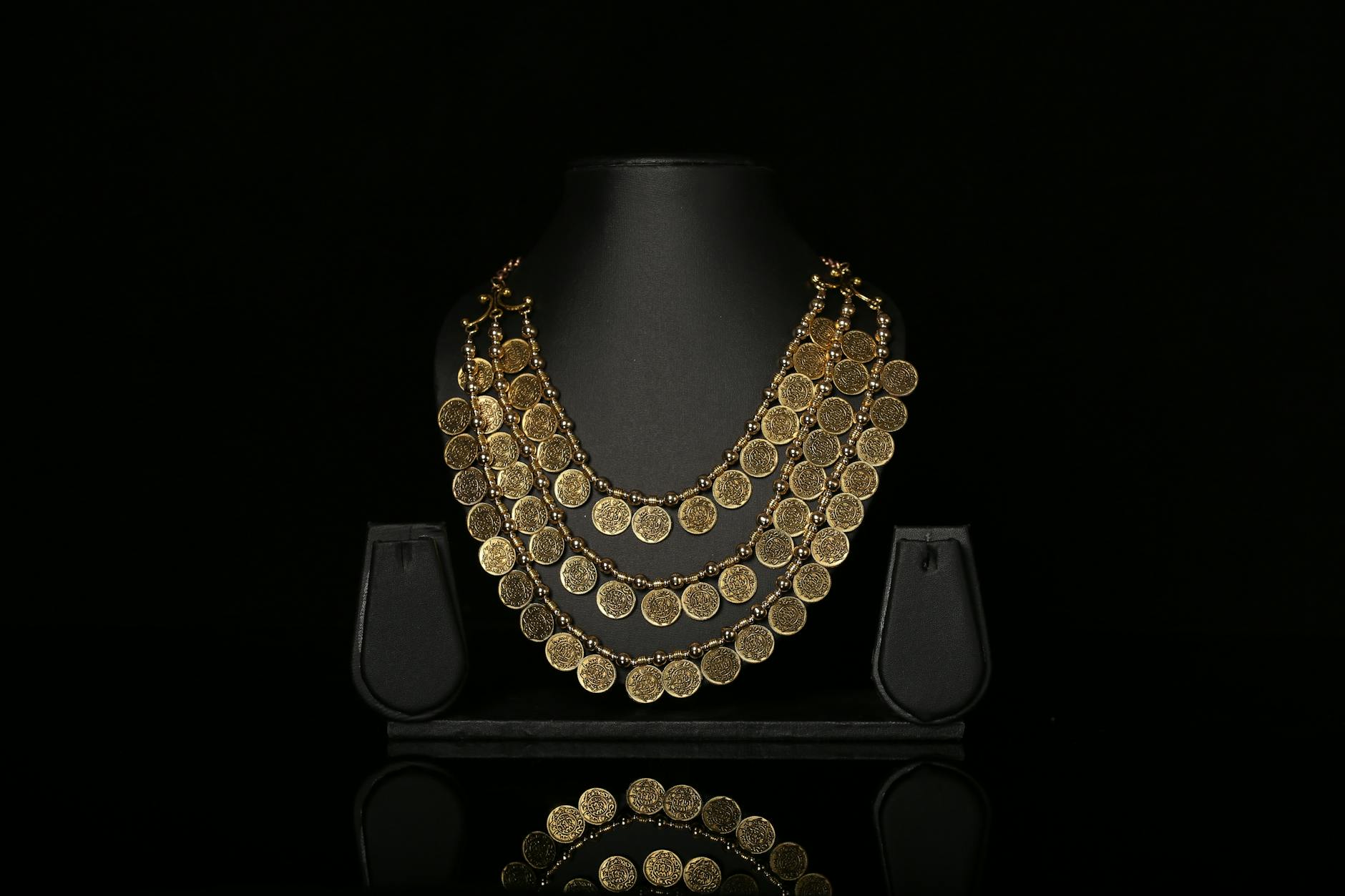
The Maharashtrian bridal jewelry tradition is remarkable for its diversity within a coherent aesthetic framework. From the intricate Thushi choker of Pune to the regal Kolhapuri Saaj of the southern districts, from the showstopping Nath that has become an icon of Marathi womanhood to the delicate Bangdi that adorns the wrists, each piece tells a story. These are not merely ornaments — they are cultural artifacts that encode information about the bride's community, region, family traditions, and marital status.
In 2026, Maharashtrian bridal jewelry is experiencing a renaissance. Young Marathi brides who may have considered these traditional pieces old-fashioned are rediscovering their beauty, particularly as celebrity brides and fashion designers have showcased Maharashtrian jewelry on national platforms. The traditional nine-yard Nauvari saree paired with a complete Maharashtrian jewelry set has become one of the most photographed bridal looks in India. Social media has amplified this trend, with hashtags like NauvariSaree and MarathiBride generating millions of views.
This comprehensive guide covers every major piece in the Maharashtrian bridal jewelry set, their cultural and spiritual significance, modern adaptations, cost breakdowns at current 2026 gold rates, and practical guidance on where to find the best pieces in Pune, Mumbai, and Kolhapur.
The Complete Maharashtrian Bridal Jewelry Set
The traditional Maharashtrian bridal ensemble, known informally as the "solah shringar" or sixteen adornments of the Marathi bride, includes specific jewelry for the head, ears, nose, neck, wrists, waist, fingers, and toes. While the exact composition varies by community (Brahmin, Maratha, CKP, Pathare Prabhu, and others each have their own traditions), the core pieces remain consistent across most Maharashtrian weddings.
| Piece | Body Part | Significance | Weight Range | Price Range (22K, 2026) |
|---|---|---|---|---|
| Mundavalya | Forehead | Bride's crown | 5-10g | ₹30,000-₹60,000 |
| Thushi | Neck (choker) | Marital status | 15-30g | ₹90,000-₹1,80,000 |
| Kolhapuri Saaj | Neck (long) | Family prosperity | 30-80g | ₹1,80,000-₹4,80,000 |
| Chinchpeti | Neck (mid) | Elegance | 20-35g | ₹1,20,000-₹2,10,000 |
| Tanmani | Neck (pendant) | Beauty | 10-20g | ₹60,000-₹1,20,000 |
| Nath | Nose | Marital status | 5-15g | ₹30,000-₹90,000 |
| Kaan | Ears | Feminine grace | 8-15g | ₹48,000-₹90,000 |
| Bajuband | Upper arm | Strength | 10-20g | ₹60,000-₹1,20,000 |
| Bangdi/Tode | Wrists | Saubhagya | 15-30g per pair | ₹90,000-₹1,80,000 |
| Vanki | Upper arm | Status | 10-20g | ₹60,000-₹1,20,000 |
| Jodvi | Toes | Married woman | 10-20g (silver) | ₹800-₹2,000 |
| Kamarpatta | Waist | Fertility | 30-60g | ₹1,80,000-₹3,60,000 |
Thushi: The Iconic Maharashtrian Choker
History and Significance
The Thushi is arguably the most recognizable piece of Maharashtrian jewelry. This close-fitting choker necklace, typically featuring multiple strands of tiny gold beads woven together with a central pendant or clasp, sits snugly at the base of the throat. The name "Thushi" is believed to derive from the Marathi word for "satisfaction" or "contentment," symbolizing the joy that fills a home with a new bride.
Historically, the Thushi was worn not just by brides but by married women as a daily marker of their marital status, much like the mangalsutra in other Indian communities. In the Peshwa era (1674-1818), elaborate Thushi designs were markers of social status, with the weight and intricacy of the piece reflecting the family's wealth and position.
Design Anatomy
A traditional Thushi consists of multiple twisted strands (typically 4 to 8) of tiny gold beads, each strand woven or braided together to create a rope-like effect. The beads themselves are hollow, keeping the piece relatively lightweight despite its substantial appearance. The central pendant, known as the "tik," is often a flat, circular or leaf-shaped gold piece that may feature filigree work, gemstones, or images of deities.
The closure mechanism of the Thushi is itself a work of art. Traditional Thushis have a hook-and-loop gold clasp shaped like a flower or a mango (paisley), which sits at the back of the neck and is visible when the hair is worn up, as is customary in Maharashtrian bridal hairstyling.
Modern Adaptations
Contemporary jewellers have reimagined the Thushi for the 2026 bride while preserving its essential character. Modern adaptations include diamond-studded tik pendants, use of colored gemstones (ruby and emerald) within the woven strands, combination designs that integrate Thushi elements with a contemporary choker band, and adjustable sizing mechanisms that replace the traditional fixed length with extension chains. Some designers have created "convertible" Thushis that can be worn as a single thick choker or separated into multiple thin strands for a layered look.
Cost Breakdown
A traditional bridal Thushi in 22K gold weighs between 15 and 30 grams. At April 2026 gold rates (approximately ₹6,000-₹6,200 per gram for 22K), the gold value alone ranges from ₹90,000 to ₹1,86,000. Making charges for Thushi are among the highest in Maharashtrian jewelry due to the intricate bead-weaving process, typically running ₹800-₹1,500 per gram. This brings the total cost of a bridal Thushi to approximately ₹1,02,000 to ₹2,31,000.
| Thushi Type | Weight | Gold Value | Making Charge | Total Price |
|---|---|---|---|---|
| Light daily-wear | 10-15g | ₹60,000-₹93,000 | ₹8,000-₹15,000 | ₹68,000-₹1,08,000 |
| Medium bridal | 18-25g | ₹1,08,000-₹1,55,000 | ₹18,000-₹37,500 | ₹1,26,000-₹1,92,500 |
| Heavy ceremonial | 28-40g | ₹1,68,000-₹2,48,000 | ₹28,000-₹60,000 | ₹1,96,000-₹3,08,000 |
Kolhapuri Saaj: The Crown Jewel of Marathi Bridal Necklaces
Origin and Cultural Importance
The Kolhapuri Saaj is a long, elaborate necklace that traces its origins to the temple city of Kolhapur, home of the revered Mahalakshmi temple. This piece is believed to have been inspired by the ornaments adorning the deity herself, and wearing a Kolhapuri Saaj is considered a way of invoking Mahalakshmi's blessings upon the marriage.
The defining characteristic of the Kolhapuri Saaj is its pendant design — 21 leaf-shaped gold elements (known as "paan" or "saajpaan") arranged along a gold chain, with a central pendant that is larger and more ornate than the flanking elements. The number 21 is significant in Marathi culture, symbolizing completeness and divine blessing. Each leaf typically features a raised design of a deity, a peacock, a mango, or a floral motif.
Regional Variations
While the Kolhapuri Saaj is the most famous, there are several regional variations:
Vajratik: Featuring diamond-shaped (or diamond-studded) elements rather than leaf shapes, the Vajratik is favored by Brahmin families in Pune. It has a more geometric, austere aesthetic that reflects the community's scholarly traditions. Putli Haar: This Maratha-tradition necklace features small figurative pendants — often of deities or animals — interspersed along the chain. Historically, each figurine represented a blessing for the bride's married life. Mohanmaal: A multi-strand gold bead necklace, simpler than the Thushi but longer, the Mohanmaal is often worn as a layering piece between the Thushi and the Kolhapuri Saaj.Cost Breakdown
The Kolhapuri Saaj is typically the most expensive single piece in a Maharashtrian bridal set due to its weight and the craftsmanship required for each leaf pendant.
A standard bridal Kolhapuri Saaj weighs 30-80 grams, with most pieces falling in the 40-60 gram range. At current rates, gold value ranges from ₹2,40,000 to ₹3,72,000 for a mid-weight piece. Making charges for the hand-carved leaf pendants run ₹1,000-₹1,800 per gram, adding ₹40,000-₹1,08,000. Total cost for a bridal-quality Kolhapuri Saaj: ₹2,80,000 to ₹4,80,000.
For families seeking the traditional look at a lower price point, hollow-cast versions (which appear identical but weigh 40-60% less) are available from ₹1,20,000 to ₹2,00,000. Some brides also opt to wear the Kolhapuri Saaj in gold-plated silver for the wedding day and invest in a lighter gold version for regular use later.
The Nath: Maharashtra's Most Iconic Bridal Ornament
A Symbol of Marathi Womanhood
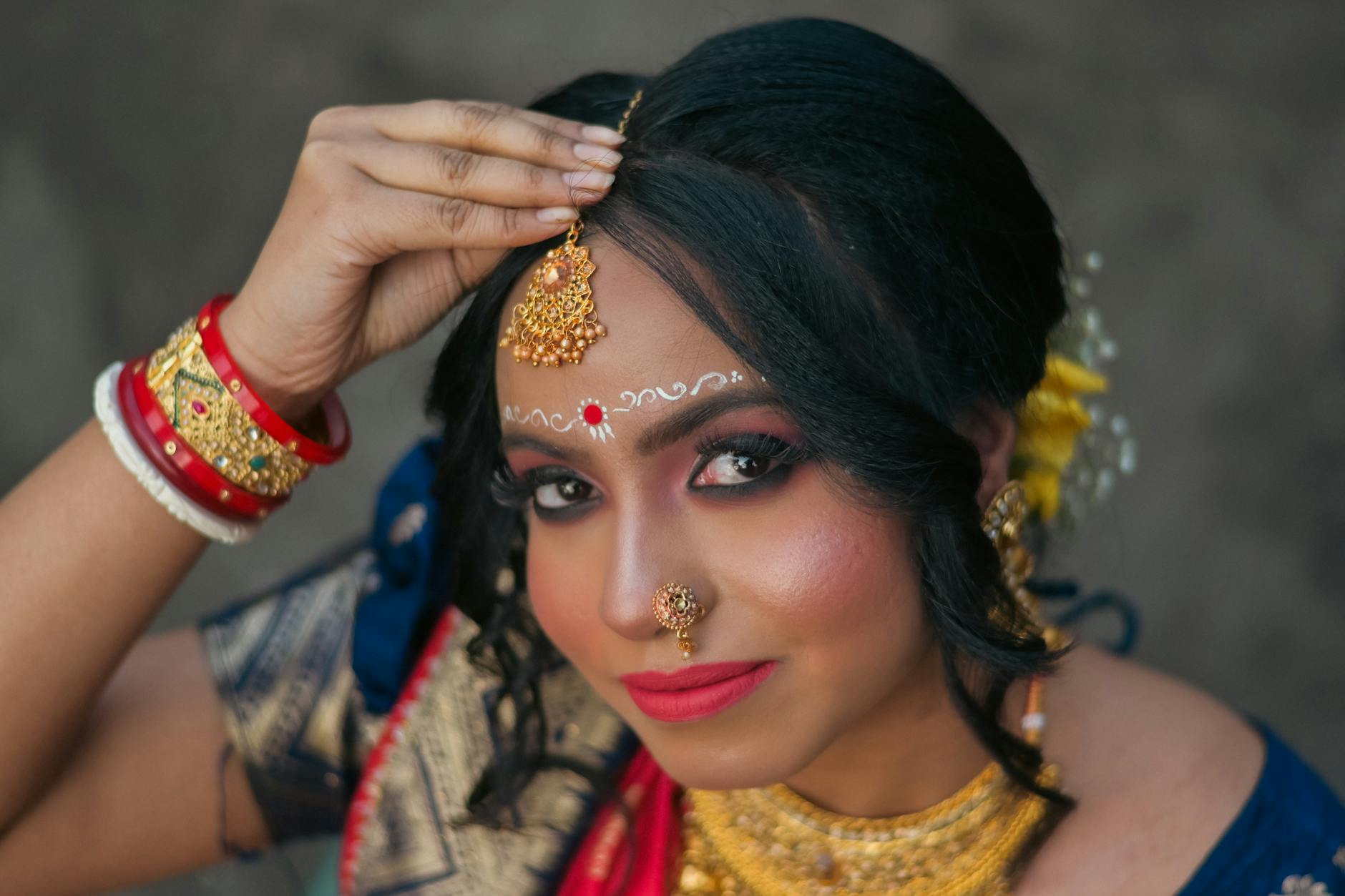
If there is one piece of jewelry that instantly identifies a Maharashtrian bride, it is the Nath. This oversized nose ring, typically worn on the left nostril and connected by a pearl-and-gold chain to the hair, is perhaps the most dramatic and photogenic element of the Marathi bridal look. The Nath has transcended its regional origins to become a national symbol of Maharashtrian culture, celebrated in films, literature, and art.
The Marathi Nath is distinct from nose rings worn in other Indian traditions. It is significantly larger — ranging from 3 to 8 centimeters in diameter — and features a distinctive design with an outer ring, inner filigree work, and often a cluster of pearls, rubies, and emeralds at the center. The chain connecting the Nath to the hair (known as the "nathni chain") is typically made of gold links interspersed with pearls.
Types of Nath
Brahmani Nath: Worn by Brahmin brides, this is typically the smallest and most delicate version, featuring fine filigree work and minimal stone embellishment. Diameter: 2-4 cm. Weight: 3-6 grams. Maratha Nath: The most recognized style, featuring a large hoop with pearl clusters, central gemstones, and an elaborate chain. Diameter: 4-8 cm. Weight: 8-15 grams. Paisa Nath: A distinctive design where the nose ring incorporates a coin-like flat circular pendant. This style is associated with specific sub-communities in Western Maharashtra. Clip-on Nath: For brides who do not have a nose piercing, modern clip-on versions with adjustable tension screws provide a comfortable, secure alternative. These have become increasingly popular, with jewellers reporting that clip-on Naths now account for nearly 40% of Nath sales.The Nath Ceremony
In many Maharashtrian families, there is a specific ceremony called "Nath Utarvane" (removing the Nath), which traditionally occurs after the wedding or at a specific milestone in married life. The mother or mother-in-law performs this ritual, which symbolizes the bride's transition into her new household. Some families maintain the tradition of the mother gifting the Nath at the wedding, while the mother-in-law gifts it on a later occasion.
Cost Breakdown
| Nath Type | Weight | Stone Details | Total Price |
|---|---|---|---|
| Simple Brahmani | 3-5g | Minimal | ₹25,000-₹45,000 |
| Medium Maratha | 8-12g | Pearls, small rubies | ₹65,000-₹1,10,000 |
| Heavy traditional | 12-18g | Pearls, rubies, emeralds | ₹1,00,000-₹1,80,000 |
| Designer/contemporary | 6-10g | Diamonds, pearls | ₹80,000-₹2,50,000 |
| Clip-on (gold) | 5-8g | Varies | ₹40,000-₹75,000 |
Bangdi and Tode: The Marathi Bridal Bangles
Cultural Significance
Bangles are the most enduring symbol of married life across all Indian communities, and Maharashtra is no exception. The Bangdi (narrow gold bangles) and Tode (thick, hollow gold bangles) form the wrist jewelry of the Maharashtrian bride. Green glass bangles, known as "hirava chooda," are also essential — a Marathi bride is traditionally never without her green bangles as long as her husband lives.
The gold Bangdi set typically consists of four to eight matching bangles worn on each wrist. These are plain or lightly textured gold bangles that create a musical sound with movement — a sound traditionally associated with the presence of a married woman in the household. The Tode, heavier and more ornate, are worn alongside the Bangdi as statement pieces, often featuring carved or hammered designs.
Peshwai Bangdi
The Peshwai Bangdi is a specific style that emerged from the Peshwa courts of Pune. These bangles feature intricate latticework (jali), allowing the skin beneath to peek through the gold design. The craftsmanship required for Peshwai Bangdi is extraordinary — a single bangle can take a master goldsmith days to complete. This is reflected in making charges that can reach ₹2,000-₹3,000 per gram, significantly higher than simple bangles.
Modern Adaptations
Contemporary Maharashtrian brides are increasingly choosing adjustable gold cuffs and open bangles over traditional fixed-size Bangdi. These modern versions offer the same aesthetic but accommodate the practical reality that many modern women do not wear bangles daily and prefer pieces that can be easily put on and removed. Two-tone bangles combining yellow and rose gold have also gained popularity, offering a fresh take on the traditional form.
Cost Breakdown
| Bangle Type | Weight (per piece) | Making Charge | Price (per piece) |
|---|---|---|---|
| Thin Bangdi | 6-8g | ₹500-₹800/g | ₹39,000-₹54,400 |
| Medium Bangdi | 10-14g | ₹500-₹800/g | ₹65,000-₹95,200 |
| Peshwai Bangdi | 12-18g | ₹1,500-₹3,000/g | ₹90,000-₹1,65,600 |
| Tode (thick) | 20-30g | ₹600-₹1,000/g | ₹1,32,000-₹2,16,000 |
| Green glass bangles (set of 12) | N/A | N/A | ₹200-₹1,000 |
Mundavalya: The Bridal Forehead Ornament
The Mundavalya is a string of pearls and gold beads that adorns the bride's forehead, draped from the maang (center parting) across both sides of the forehead. Unlike the North Indian maang tikka which has a single pendant, the Mundavalya creates a continuous line across the hairline, framing the face in a distinctive manner that is immediately recognizable as Maharashtrian.
The groom also wears a Mundavalya in many Maharashtrian weddings, making it one of the few pieces of wedding jewelry shared between bride and groom. The groom's Mundavalya is simpler, typically consisting of a single strand of pearls or gold beads.
Modern Mundavalyas incorporate diamond-studded gold elements, colored gemstones matched to the saree color, and adjustable lengths to suit different hairstyles. A traditional pearl-and-gold Mundavalya costs ₹15,000 to ₹40,000, while a diamond-accented version can reach ₹80,000 to ₹1,50,000.
Additional Pieces: Completing the Look
Chinchpeti
The Chinchpeti is a flat, collar-style necklace named after the tamarind seed (chinch), which its individual elements resemble. Worn between the Thushi and the Kolhapuri Saaj in terms of length, it creates the middle layer of the traditional three-necklace Maharashtrian bridal look. The Chinchpeti features a series of flat, seed-shaped gold elements linked together, often with red or green enamel accents. Weight: 20-35 grams. Price: ₹1,30,000-₹2,50,000.
Tanmani
The Tanmani is a simple gold pendant on a black bead chain (similar to a mangalsutra but distinct in design). The pendant is typically a large, flat gold piece with engraved or embossed designs — goddess figures, peacocks, or geometric patterns. The Tanmani serves as both a daily-wear piece and a wedding ornament, making it one of the most versatile investments in the Maharashtrian bridal set. Weight: 10-20 grams. Price: ₹65,000-₹1,40,000.
Kamarpatta (Waist Belt)
The gold Kamarpatta, worn over the Nauvari saree at the waist, serves both an aesthetic and practical purpose — it helps secure the elaborate draping of the nine-yard saree while creating a stunning visual focal point. Traditional Kamarpattas feature a series of linked gold plates with deity motifs and gemstone accents. Weight: 30-60 grams. Price: ₹2,00,000-₹4,20,000.
Vanki and Bajuband
The Vanki (V-shaped armlet) and Bajuband (broad armband) adorn the upper arms. The Vanki is distinctive for its V-shape that sits at the front of the upper arm, while the Bajuband is a broader band that encircles the arm completely. Both pieces require careful sizing and are typically made to order. Weight: 10-20 grams each. Price: ₹70,000-₹1,50,000 each.
Community-Specific Traditions
Brahmin (Deshastha and Konkanastha)
Brahmin brides traditionally favor more delicate, refined jewelry with an emphasis on craftsmanship over weight. The Brahmin Nath is smaller than the Maratha version, and the overall jewelry weight tends to be 20-30% lighter than Maratha bridal sets. Pearl elements are given prominence, reflecting the community's scholarly aesthetic. The Vajratik necklace is preferred over the Kolhapuri Saaj in many Brahmin families.
Maratha
Maratha bridal jewelry tends toward boldness and grandeur, reflecting the community's martial heritage. The Nath is at its largest and most elaborate, the Kolhapuri Saaj is heaviest, and the overall set projects power and prosperity. Many Maratha families maintain heirloom pieces that are worn by successive generations of brides.
CKP (Chandraseniya Kayastha Prabhu)
CKP wedding jewelry combines Maharashtrian traditions with some influences from coastal regions. The Khopa (hair ornament) is given special importance, and CKP brides often wear a distinctive hair comb studded with gold and pearls. The jewelry is generally of medium weight, prioritizing elegance over volume.
| Community | Avg. Total Set Weight | Avg. Budget | Key Distinctive Piece |
|---|---|---|---|
| Deshastha Brahmin | 80-150g | ₹6,00,000-₹12,00,000 | Vajratik necklace |
| Konkanastha Brahmin | 80-140g | ₹5,50,000-₹11,00,000 | Pearl-heavy Mundavalya |
| Maratha | 150-300g | ₹10,00,000-₹22,00,000 | Large Nath, heavy Saaj |
| CKP | 100-180g | ₹7,00,000-₹14,00,000 | Khopa hair ornament |
| Pathare Prabhu | 100-200g | ₹7,50,000-₹15,00,000 | Unique Mangalsutra design |
Where to Buy Maharashtrian Wedding Jewelry
Pune
Pune is the heartland of Maharashtrian jewelry and offers the widest selection of traditional pieces. Key shopping destinations include:
Laxmi Road and Tulshibaug: The traditional jewelry shopping hub of Pune, where dozens of heritage jewellers have operated for generations. Stores like Tribhovandas Bhimji Zaveri, PNG Jewellers, and Waman Hari Pethe have flagship outlets here. The concentration of stores makes price comparison easy, and competition keeps making charges competitive. Best for: All traditional Maharashtrian pieces, particularly Thushi and Bangdi. JM Road and FC Road: More modern, boutique-style jewellers catering to the contemporary Pune bride. These stores specialize in fusion designs that blend traditional Maharashtrian elements with modern aesthetics. Best for: Contemporary adaptations, designer pieces. Rasta Peth: Known for silver jewelry and more affordable gold options. Several family-owned workshops here create Maharashtrian jewelry at lower making charges than the branded stores on Laxmi Road. Best for: Budget-conscious brides, silver toe rings and accessories.Mumbai
Zaveri Bazaar, Kalbadevi: India's largest gold market naturally has extensive Maharashtrian jewelry offerings. The density of stores is unmatched, and wholesale-adjacent pricing can save 10-15% on making charges compared to retail outlets. However, the overwhelming variety can be confusing for first-time buyers. Best for: Kolhapuri Saaj, Kamarpatta, and heavy gold pieces. Dadar and Parel: These traditionally Maharashtrian neighborhoods have jewellers who specialize in Marathi bridal sets. Stores like PNG Jewellers (Dadar) and local family businesses in the area offer personalized service and deep knowledge of community-specific traditions. Best for: Community-specific sets, family-style personalized service. Thane and Navi Mumbai: Suburban jewellers like Kalyan Jewellers, Joyalukkas, and local stores in these areas cater to the large Maharashtrian population and often have dedicated "Marathi Bridal" sections. Competitive pricing and modern showroom experiences make these areas popular with younger couples. Best for: One-stop shopping, branded stores with certification.Kolhapur
For the authentic Kolhapuri Saaj, there is no substitute for buying in Kolhapur itself. The city's jewellers have perfected this specific design over centuries, and the craftsmanship of Kolhapur-made Saaj is widely considered superior to versions made elsewhere. The area around Mahalakshmi Temple has several renowned jewellers. Many families make a special trip to Kolhapur specifically for the Saaj purchase, combining it with a temple visit for blessings before the wedding.
Modern Maharashtrian Bridal Jewelry Trends for 2026
The Minimalist Marathi Bride
A growing number of Maharashtrian brides in 2026 are choosing to pare down the traditional multi-piece set to a curated selection of three or four key pieces worn with maximum impact. A Thushi, a statement Nath, and a pair of gold bangles — worn with a beautifully draped Nauvari saree — creates a look that is both traditional and strikingly modern. This "less is more" approach works particularly well for intimate, non-traditional wedding settings.
Mixed-Metal Maharashtrian Jewelry
Two-tone pieces combining yellow gold with rose gold accents have entered the Maharashtrian bridal space. Some contemporary jewellers offer Thushi designs where the woven strands alternate between yellow and rose gold, or Kolhapuri Saaj with rose gold leaf pendants on a yellow gold chain. These pieces appeal to brides who want to honor tradition while expressing a contemporary sensibility.
Bridal Jewelry Rental
The rising cost of gold has made bridal jewelry rental a practical option for many families. Several Pune and Mumbai-based jewellers now offer premium Maharashtrian bridal sets on rent for ₹15,000 to ₹50,000 for the wedding period (typically 3-7 days). This allows brides to wear a complete traditional set worth ₹10,00,000 or more without the full investment. The rental model also appeals to NRI Marathi brides who may not have regular occasions to wear traditional Maharashtrian jewelry abroad.
Frequently Asked Questions
1. What is the minimum Maharashtrian bridal jewelry a bride should wear?
At an absolute minimum, a Maharashtrian bride is expected to wear a Mangalsutra (tied during the ceremony), a Thushi or equivalent gold choker, green glass bangles, a Nath (even a small one), and Mundavalya for the forehead. The Jodvi (toe rings) are also considered essential as they are put on during the ceremony itself. This minimum set in gold might weigh 30-50 grams and cost ₹2,00,000-₹3,50,000. However, expectations vary significantly by family and community — an open conversation with the families about budget and preferences avoids stress and ensures everyone is comfortable.
2. Should the bride's family or the groom's family pay for the wedding jewelry?
Traditionally, the bride's family provides most of the bridal jewelry as part of the stridhan (the bride's personal wealth). However, specific pieces may be gifted by the groom's family — the Mangalsutra is typically provided by the groom's family, and many families gift a gold necklace or bangle set during the engagement ceremony. In contemporary practice, many couples share the jewelry expenses or the bride selects and purchases her own jewelry with contributions from both families. There is no single rule, and the arrangement should be discussed openly and agreed upon early in the wedding planning process.
3. Can I wear a Kolhapuri Saaj if I am not from Kolhapur?
Absolutely. The Kolhapuri Saaj has transcended its geographic origins to become a pan-Maharashtrian bridal piece. Brides from Pune, Mumbai, Nagpur, Nashik, and even Maharashtrian families settled outside the state commonly wear the Kolhapuri Saaj. It is associated with Maharashtrian identity broadly, not with Kolhapur specifically. The only consideration is that certain pendant designs may be associated with specific communities — consult your jeweller to choose designs that align with your family's traditions.
4. How do I choose between a real Nath and a clip-on Nath?
If you have a nose piercing that can accommodate the weight of a traditional Nath (5-15 grams), a real Nath provides the most authentic look and feel. However, if your piercing is small, recent, or absent, a high-quality clip-on Nath is an excellent alternative. Modern clip-on mechanisms are significantly more comfortable and secure than older designs. Many brides wear a clip-on for the ceremonies and photographs, then remove it for the reception. Your jeweller can show you both options and advise based on your specific situation. Some brides get a nose piercing 3-6 months before the wedding specifically for the Nath — ensure it is fully healed before wearing a heavy gold piece.
5. What gold purity is standard for Maharashtrian bridal jewelry?
22K (916) gold is the overwhelming standard for Maharashtrian bridal jewelry. The rich yellow color of 22K gold is integral to the traditional aesthetic, and pieces in lower karat gold simply do not have the same visual impact. Some contemporary pieces, particularly those with heavy diamond or gemstone settings, may use 18K gold for structural reasons. Always insist on BIS hallmarking with HUID number regardless of karat. The hallmark certificate should be retained as proof of purity for future generations.
6. How long in advance should I order Maharashtrian bridal jewelry?
Order at least 2-3 months before the wedding date for standard designs available from stock. For custom or made-to-order pieces — which includes most Kolhapuri Saaj, Peshwai Bangdi, and elaborate Nath designs — allow 3-6 months. During peak wedding season (November to February), jewellers are backlogged with orders, and rush charges may apply for last-minute requests. Ordering early also allows time for alterations — bangles that need resizing, necklace lengths that need adjustment, or clip-on Nath mechanisms that need tightening.
7. Can Maharashtrian bridal jewelry be worn with outfits other than the Nauvari saree?
Yes. While the traditional Nauvari saree (nine-yard drape) is the most iconic pairing, Maharashtrian bridal jewelry looks stunning with six-yard sarees, lehengas, and even contemporary silhouettes. Many brides wear the Nauvari with traditional jewelry for the ceremony and switch to a lehenga or designer saree with select traditional pieces for the reception. A Thushi works beautifully with a deep-necked blouse and modern saree draping. The Nath is striking regardless of outfit. The key is to adjust the number of pieces to the formality and style of the outfit — fewer pieces for modern silhouettes, the full set for traditional ones.
8. What is the resale value of Maharashtrian bridal jewelry?
Gold jewelry resale value is based on weight and purity, not design. When selling old gold, you receive the current market rate for the gold content minus a 5-10% margin that the buyer takes. Making charges are not recoverable. This means a Kolhapuri Saaj weighing 50 grams of 22K gold has a resale value of approximately ₹2,85,000-₹3,00,000 at April 2026 rates, regardless of the ₹50,000-₹90,000 in making charges originally paid. However, antique or heritage Maharashtrian pieces with exceptional craftsmanship may command a premium in the collector's market. The best "resale" strategy is to exchange old gold toward new pieces at jewellers who offer the full gold value on exchange.
9. Are there eco-friendly or sustainable options for Maharashtrian bridal jewelry?
The sustainable jewelry movement has reached Maharashtrian bridal markets. Several Pune-based artisan jewellers now offer pieces made from recycled gold, which has the same purity and appearance as newly mined gold but with a significantly lower environmental impact. Lab-grown diamonds and ethically sourced gemstones are available for accent work. Some brides choose to rework family heirloom gold into new Maharashtrian bridal designs, honoring both tradition and sustainability. This approach — melting grandmother's old jewelry into a new Thushi or Kolhapuri Saaj — carries deep emotional significance while reducing the need for new gold.
10. How should I insure my Maharashtrian bridal jewelry?
Given the significant value of a complete Maharashtrian bridal set (often ₹5,00,000 to ₹20,00,000), insurance is strongly recommended. Options include adding jewelry to your homeowner's or renter's insurance policy as a scheduled item (requires individual appraisal), purchasing a standalone jewelry insurance policy from providers like Bajaj Allianz or ICICI Lombard, or using a bank locker for storage with a separate transit insurance for occasions when the jewelry is worn. Keep all purchase invoices, hallmark certificates, and photographs of each piece in a secure digital location. Update your insurance coverage annually as gold rates increase.
11. What is the difference between Maharashtrian and South Indian temple jewelry?
While both traditions use gold extensively and feature deity motifs, there are distinct differences. Maharashtrian jewelry (Thushi, Saaj, Nath) uses more filigree work, woven-bead techniques, and relatively restrained stone use. South Indian temple jewelry features heavier use of rubies, emeralds, and pearls set directly into thick gold frames, with more uniform deity figures (Lakshmi, Ganesh) across pieces. The color palette differs — Maharashtrian pieces lean toward pure gold with occasional meenakari, while South Indian pieces are more colorful with gemstones. A knowledgeable jeweller can help you identify authentic Maharashtrian pieces versus South Indian-influenced designs.
12. Can non-Maharashtrian brides wear Maharashtrian wedding jewelry?
Indian wedding fashion has become beautifully cross-cultural, and many non-Maharashtrian brides incorporate Maharashtrian pieces into their bridal look. The Nath, in particular, has become a pan-Indian bridal favorite. A Punjabi bride might wear a Maharashtrian Nath with her traditional chooda, or a Bengali bride might add a Thushi to her bridal collection. As long as the pieces are worn with respect for their cultural significance, there is no barrier to cross-cultural jewelry appreciation. Many jewellers, including those you can find on JewellersInCity, are happy to guide non-Maharashtrian brides on how to incorporate these beautiful traditional pieces into their wedding look.
Conclusion: Preserving Tradition, Embracing the Future
Maharashtrian bridal jewelry is not merely a collection of gold ornaments — it is a living cultural heritage that connects today's brides to centuries of tradition. Each piece, from the intimate Mundavalya to the grand Kolhapuri Saaj, carries stories of the women who wore them before, the artisans who crafted them, and the communities that gave them meaning.
As you plan your Maharashtrian wedding in 2026, approach the jewelry selection not as a checklist to be completed but as a journey of cultural discovery. Visit the traditional bazaars, listen to the jewellers' stories about each piece, and choose items that resonate with your personal sense of beauty while honoring the traditions that make Maharashtrian weddings uniquely magnificent.
Find hallmark-certified Maharashtrian jewelry specialists in Pune, Mumbai, and Kolhapur on JewellersInCity. Our verified partner jewellers offer expert guidance on traditional bridal sets, transparent gold pricing, and BIS-hallmarked purity for the most important jewelry purchase of your life.
More in Wedding & Bridal
Share this article
Our editorial team comprises jewellery industry veterans, certified gemmologists, and passionate writers with decades of combined experience across India's gold, diamond, and gemstone markets. Every article is researched, fact-checked, and written to help Indian buyers make smarter, safer jewellery decisions.
Passionate about jewellery and love to write? We'd love to hear from you.
Join us as a writer →Ready to buy? Find verified jewellers near you
Browse 10,000+ BIS hallmark certified jewellers across India. Compare ratings, check today's gold rate, and book a visit.
Keep Reading