The diamond market in India is undergoing its most significant transformation in centuries. What was once a binary choice — buy a diamond or do not — has evolved into a far more nuanced decision. Lab-grown diamonds, also called cultured or engineered diamonds, have surged from a scientific curiosity to a mainstream jewellery option, capturing an estimated 8 to 12 percent of India's diamond jewellery market by value in early 2026. Surat, long the undisputed capital of diamond cutting and polishing, now hosts over 50 lab-grown diamond manufacturing facilities, making India both a production powerhouse and a rapidly growing consumer market.
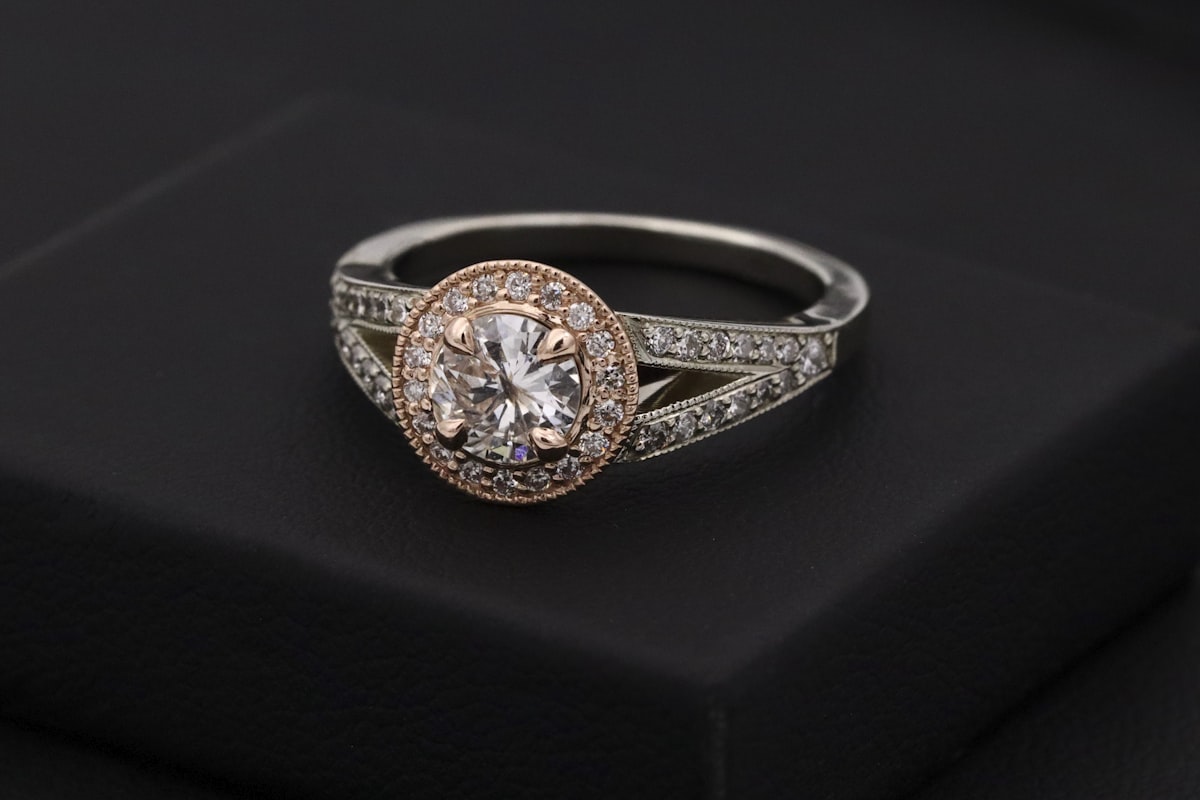
For Indian buyers — whether shopping for an engagement ring, a mangalsutra with diamond accents, or a pair of solitaire studs — the lab-grown versus natural debate touches on science, economics, emotion, culture, and investment. This guide provides an exhaustive, evidence-based comparison to help you make the right choice for your circumstances, budget, and values.
How Lab-Grown Diamonds Are Made
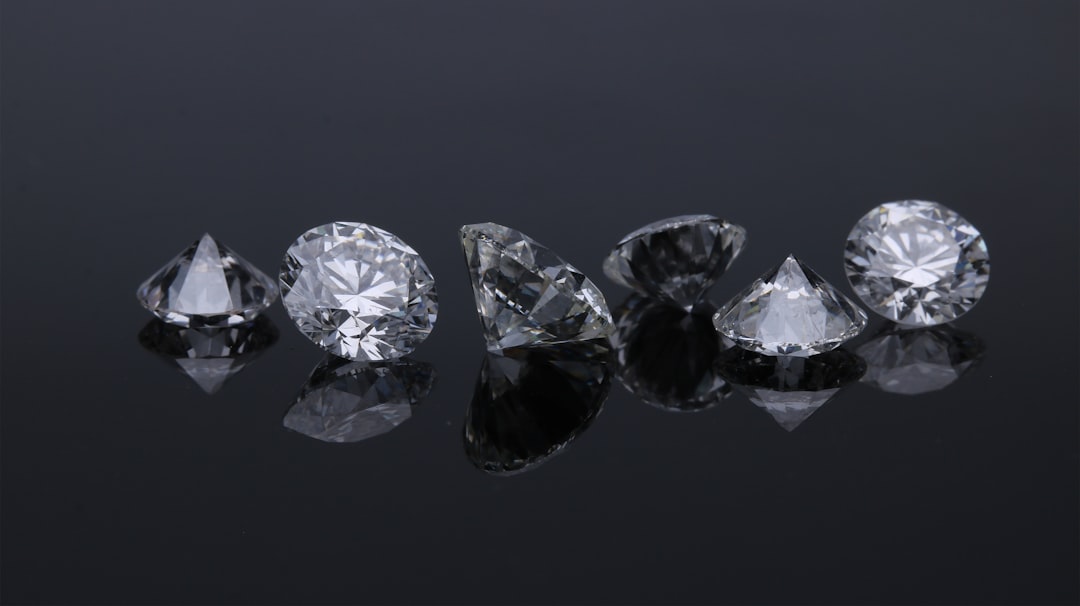
Lab-grown diamonds are real diamonds. They share the same crystal structure (cubic carbon), the same hardness (10 on the Mohs scale), the same refractive index (2.42), and the same thermal conductivity as natural diamonds. The only difference is their origin: natural diamonds formed deep within the earth's mantle over one to three billion years, while lab-grown diamonds are created in controlled environments over a period of weeks.
HPHT (High Pressure High Temperature)
The HPHT method mimics the natural conditions under which diamonds form. A small diamond seed is placed in a growth chamber with a carbon source (typically graphite) and a metallic catalyst (usually iron, nickel, or cobalt). The chamber is subjected to pressures of approximately 5 to 6 gigapascals (roughly 50,000 to 60,000 atmospheres) and temperatures of 1,300 to 1,600 degrees Celsius.
Under these extreme conditions, the carbon dissolves in the molten metal catalyst and slowly crystallises on the diamond seed, atom by atom. The growth process takes approximately two to four weeks for a rough crystal large enough to yield a one-carat polished diamond. HPHT diamonds tend to have a slightly yellowish tint due to nitrogen incorporation, though advanced techniques have largely overcome this limitation.
HPHT is the older of the two methods, pioneered by General Electric in the 1950s. It remains widely used for producing diamonds up to about 3 to 4 carats, though larger stones are possible. The major Indian HPHT producers are concentrated in Surat and include companies like New Diamond Era and IIa Technologies.
CVD (Chemical Vapour Deposition)
CVD is a newer and increasingly dominant method. A thin diamond seed plate is placed in a vacuum chamber, which is then filled with a carbon-rich gas mixture — typically methane (CH4) and hydrogen (H2). The gas is ionised using microwave energy, breaking the molecular bonds and releasing individual carbon atoms, which settle on the diamond seed and crystallise layer by layer.
CVD operates at much lower pressures than HPHT (below atmospheric pressure) but at temperatures of 700 to 1,200 degrees Celsius. Growth rates are approximately 0.1 to 10 micrometres per hour, meaning a one-carat stone takes two to four weeks. CVD diamonds tend to be purer than HPHT stones because the process introduces fewer metallic inclusions, and the resulting crystals are often Type IIa — the purest classification of diamond.
India's leading CVD producers include Greenlab Diamonds (Surat), Ethereal Green Diamond (Mumbai), and WD Lab Grown Diamonds. The CVD method has become preferred for producing larger, higher-quality stones suitable for jewellery.
Comparison of Growth Methods
| Parameter | HPHT | CVD |
|---|---|---|
| Temperature | 1,300 – 1,600°C | 700 – 1,200°C |
| Pressure | 5 – 6 GPa | Below atmospheric |
| Growth time (1 carat) | 2 – 4 weeks | 2 – 4 weeks |
| Typical crystal shape | Cuboctahedral | Flat plate |
| Common inclusions | Metallic (Fe, Ni) | None or minimal |
| Colour tendency | Slight yellow (improvable) | Near-colourless |
| Energy per carat | ~700 – 1,000 kWh | ~200 – 350 kWh |
| Best for | Up to 3 – 4 ct | Large, high-quality stones |
| Indian production hub | Surat | Surat, Mumbai |
Quality Comparison: Lab-Grown vs Natural
Lab-grown diamonds are graded using the exact same 4C framework — Cut, Colour, Clarity, and Carat — that applies to natural diamonds. The Gemological Institute of America (GIA), the International Gemological Institute (IGI), and other major labs grade both types.
The 4Cs Applied to Both Types
Cut is entirely determined by the skill of the cutter and polisher, not the diamond's origin. Indian cutting centres in Surat handle both lab-grown and natural rough with equal expertise, and the quality of cut is indistinguishable between the two. Colour in natural diamonds ranges from D (colourless) to Z (light yellow or brown). Lab-grown diamonds, particularly CVD stones, routinely achieve D to F colour grades. HPHT stones may require post-growth treatment (such as annealing) to achieve top colour grades. Clarity refers to the presence of inclusions. Natural diamonds typically contain inclusions formed during their geological growth — tiny crystals, feathers, or clouds. Lab-grown diamonds have their own inclusion signatures: metallic flux remnants in HPHT stones, or strain patterns in CVD stones. Both types commonly achieve VS1 to VVS2 clarity grades at retail. Carat weight is simply a measure of mass. Lab-grown diamonds are available in sizes from under 0.10 carats to over 10 carats, though stones above 3 carats remain less common and more expensive to produce.Optical and Physical Properties
| Property | Natural Diamond | Lab-Grown Diamond |
|---|---|---|
| Hardness (Mohs) | 10 | 10 |
| Refractive index | 2.42 | 2.42 |
| Dispersion | 0.044 | 0.044 |
| Thermal conductivity | 22 W/cm·K | 22 W/cm·K |
| Density | 3.52 g/cm³ | 3.52 g/cm³ |
| Brilliance | Identical | Identical |
| Fire (spectral dispersion) | Identical | Identical |
| Fluorescence | ~25% show blue | Varies; some show none |
Price Comparison: The 60-80% Advantage
The price gap between lab-grown and natural diamonds is the single most compelling factor driving consumer adoption in India. As of April 2026, lab-grown diamonds cost approximately 60 to 80 percent less than comparable natural stones, with the gap widening for larger carat sizes.
Detailed Price Comparison (April 2026, IGI Certified, Ex-GST)
| Specification | Natural Diamond (₹) | Lab-Grown Diamond (₹) | Savings |
|---|---|---|---|
| 0.30 ct, G, VS2, Excellent | ₹28,000 – ₹35,000 | ₹6,500 – ₹9,000 | 72 – 77% |
| 0.50 ct, F, VS1, Excellent | ₹75,000 – ₹95,000 | ₹15,000 – ₹22,000 | 77 – 80% |
| 0.70 ct, E, VVS2, Excellent | ₹1,60,000 – ₹2,10,000 | ₹30,000 – ₹45,000 | 78 – 81% |
| 1.00 ct, D, VVS1, Excellent | ₹4,50,000 – ₹6,00,000 | ₹65,000 – ₹90,000 | 83 – 86% |
| 1.50 ct, E, VS2, Excellent | ₹7,50,000 – ₹10,00,000 | ₹1,10,000 – ₹1,50,000 | 85% |
| 2.00 ct, F, VS1, Excellent | ₹14,00,000 – ₹18,00,000 | ₹2,00,000 – ₹2,80,000 | 84 – 86% |
Complete Jewelry Piece Cost Comparison
| Jewelry Piece | With Natural Diamond (₹) | With Lab-Grown Diamond (₹) | Savings |
|---|---|---|---|
| Solitaire engagement ring (0.5ct, 18K gold) | ₹1,15,000 – ₹1,40,000 | ₹42,000 – ₹55,000 | ₹65,000 – ₹85,000 |
| Diamond mangalsutra (0.8ct total) | ₹1,80,000 – ₹2,40,000 | ₹55,000 – ₹75,000 | ₹1,15,000 – ₹1,65,000 |
| Diamond stud earrings (0.5ct each) | ₹2,00,000 – ₹2,60,000 | ₹50,000 – ₹70,000 | ₹1,40,000 – ₹1,90,000 |
| Tennis bracelet (5ct total, 18K) | ₹8,00,000 – ₹11,00,000 | ₹1,60,000 – ₹2,20,000 | ₹6,00,000+ |
| Diamond nose pin (0.15ct) | ₹18,000 – ₹25,000 | ₹5,500 – ₹8,000 | ₹12,000 – ₹17,000 |
Resale Value: The Honest Truth
This is where the conversation gets complicated, and where honesty matters more than marketing.
Natural Diamond Resale
Natural diamonds have historically retained 30 to 50 percent of their retail purchase price when resold through jewellers or secondary markets. The resale market for natural diamonds is established, with buy-back programmes offered by most major Indian retailers (Tanishq offers up to 85 percent of prevailing diamond value for stones purchased from them). However, it is important to note that diamonds are not investment-grade assets in the way that gold is. The retail markup on natural diamonds (typically 100 to 200 percent above wholesale) means that immediate resale always results in a loss.
Lab-Grown Diamond Resale
Lab-grown diamonds currently have a weaker resale market. Most jewellers do not offer buy-back or exchange programmes for lab-grown stones, and secondary market prices are significantly lower — often 10 to 20 percent of the original purchase price. This is partly because lab-grown diamond prices have been declining as production technology improves, and partly because the resale infrastructure has not yet matured.
However, context matters. If you purchase a one-carat lab-grown diamond for ₹80,000 and it retains 15 percent resale value (₹12,000), your net loss is ₹68,000. If you purchase a comparable natural diamond for ₹5,00,000 and it retains 40 percent resale value (₹2,00,000), your net loss is ₹3,00,000. In absolute terms, the natural diamond results in a much larger financial loss despite a better percentage retention.
Resale Value Summary
| Factor | Natural Diamond | Lab-Grown Diamond |
|---|---|---|
| Resale as % of purchase price | 30 – 50% | 10 – 20% |
| Buy-back programme availability | Widely available | Limited |
| Secondary market liquidity | Moderate | Low |
| Price trend (5-year outlook) | Stable to slow appreciation | Declining as production scales |
| Absolute loss on ₹1L purchase | ₹50,000 – ₹70,000 | ₹80,000 – ₹90,000 |
| Absolute loss on equivalent stone | Higher (due to higher purchase price) | Lower (due to lower purchase price) |
Ethical Considerations
Environmental Impact
Natural diamond mining displaces enormous quantities of earth. The Mir mine in Russia created a pit 525 metres deep and 1.2 kilometres wide. The Orapa mine in Botswana covers over 100 hectares. While modern mining operations have improved their environmental practices significantly, the fundamental impact of open-pit mining on landscapes, water tables, and biodiversity cannot be eliminated.
Lab-grown diamond production is not without environmental cost — it is energy-intensive, requiring 200 to 1,000 kilowatt-hours per carat depending on the method. However, when powered by renewable energy (and several Indian producers are transitioning to solar), the overall environmental footprint is dramatically lower.
Human Rights
The natural diamond industry has made substantial progress since the blood diamond crisis of the 1990s, with the Kimberly Process and subsequent initiatives significantly reducing conflict diamond flows. However, concerns about labour conditions in some mining regions persist. Lab-grown diamonds eliminate mining-related human rights risks entirely, as production takes place in factory settings with standard industrial labour protections.
Cultural and Emotional Value
For many Indian families, the provenance of a diamond matters deeply. An engagement ring featuring a natural diamond carries the romance of geological time — a stone formed billions of years ago, enduring the immense pressures of the earth's mantle, before being discovered and cut to brilliance. Lab-grown diamonds, while identical in appearance, do not carry this narrative. The emotional value assigned to origin is personal and valid, and no guide should dismiss it.
The Indian Lab-Grown Diamond Market
India occupies a unique position in the global lab-grown diamond ecosystem: it is simultaneously one of the largest producers, the world's dominant cutting and polishing centre, and a rapidly growing consumer market.
Production
Surat houses the majority of India's lab-grown diamond production facilities, with over 50 factories operational as of 2026. Indian manufacturers produce an estimated 15 to 20 percent of the world's lab-grown rough by volume. Companies like Greenlab Diamonds, Ethereal Green Diamond, IIa Technologies (Hyderabad), and WD Lab Grown Diamonds have invested heavily in both HPHT and CVD technology.
Cutting and Polishing
India's traditional dominance in diamond cutting and polishing extends naturally to lab-grown stones. Surat's 6,000-plus cutting units process both natural and lab-grown rough, and the expertise developed over decades with natural diamonds translates seamlessly. This is a significant competitive advantage, as the quality of Indian cutting is globally recognised.
Retail Adoption
Major Indian jewellery retailers have embraced lab-grown diamonds at varying speeds. Tanishq offers no dedicated lab-grown line as of April 2026, maintaining its focus on natural diamonds. However, brands like Limelight Diamonds (by Diamond Foundry), Swarovski's Created Diamonds line, and numerous independent Indian retailers now feature lab-grown options prominently. Online platforms like BlueStone, CaratLane (owned by Tanishq's parent Titan), and Qudera have introduced lab-grown diamond categories with strong consumer response.
Government Support
The Indian government has actively supported the lab-grown diamond industry. In the 2023 Union Budget, the customs duty on lab-grown diamond seeds was reduced from 5 percent to zero. Special economic zones and research grants have been directed toward the sector, and Surat's diamond bourse includes dedicated sections for lab-grown stones.
When to Choose Natural Diamonds
Natural diamonds remain the right choice in several specific scenarios.
Heirloom and Generational Pieces
If the piece is intended to be passed down through generations as a family heirloom, natural diamonds carry a provenance story that may resonate more strongly over time. A grandmother's natural diamond ring, worn for fifty years, holds a weight of history that is independent of the stone's market value.
Investment-Oriented Purchases
For buyers who view their diamond as a partial store of value, natural diamonds — particularly rare colours (fancy vivid pink, blue, or green) or exceptional sizes (above 3 carats with top grades) — have a more established value trajectory. These are collector-grade stones with genuine scarcity.
Cultural or Religious Significance
In some Indian communities and astrological traditions, the natural origin of a gemstone is considered essential to its spiritual or healing properties. If this belief system is personally meaningful to you, it is a valid consideration that no price differential can override.
When to Choose Lab-Grown Diamonds
Lab-grown diamonds are the superior choice in these scenarios.
Maximising Size and Quality Within Budget
If your priority is the largest, most beautiful diamond possible for a given budget, lab-grown is the clear winner. The 60 to 80 percent cost advantage means you can purchase a significantly larger or higher-quality stone. For an engagement ring or a special occasion piece where visual impact matters, this advantage is transformative.
Everyday Wear and Fashion Jewelry
For pieces that will be worn daily and subjected to potential damage — office wear, gym wear, travel jewellery — lab-grown diamonds offer the same beauty and durability without the financial anxiety of wearing a ₹5,00,000 stone in everyday situations.
Ethical Priority
If environmental and human rights considerations are primary factors in your purchasing decision, lab-grown diamonds offer a significantly cleaner provenance with zero mining impact and no conflict risk.
Multiple Pieces Over One Statement Piece
Instead of investing ₹5,00,000 in a single natural diamond ring, you could purchase a lab-grown diamond ring (₹80,000), a pair of lab-grown diamond earrings (₹50,000), a lab-grown diamond pendant (₹35,000), and a lab-grown diamond bracelet (₹1,20,000) — a complete collection for less than the cost of one natural diamond.
Certification and Grading
Both natural and lab-grown diamonds should come with grading reports from recognised gemological laboratories.
Leading Certification Bodies in India
The International Gemological Institute (IGI), headquartered in Antwerp with a major operation in Mumbai, is the most common certification body for both natural and lab-grown diamonds in India. The Gemological Institute of America (GIA) is considered the gold standard globally. India's own Gem Testing Laboratory (GTL) under the Gem and Jewellery Export Promotion Council (GJEPC) also provides reliable grading.
Lab-grown diamond certificates clearly state the stone's origin (e.g., "Laboratory Grown" on IGI reports). GIA reports for lab-grown diamonds use a different report format than their natural diamond reports to prevent any confusion. All lab-grown diamonds sold in India should be laser-inscribed on the girdle with the certificate number and the words "Lab Grown" or "LG" for transparency.
Frequently Asked Questions
1. Can a jeweller tell the difference between lab-grown and natural diamonds?
Not with the naked eye or a standard loupe. Even experienced gemologists cannot distinguish between the two without specialised equipment. Instruments like the DiamondSure, DiamondView, or spectroscopic analysis can detect subtle differences in growth patterns and trace element composition. This is why certification from a reputable laboratory is essential for both types.
2. Will lab-grown diamonds lose their sparkle over time?
No. Lab-grown diamonds have the same hardness (10 on the Mohs scale), the same crystal structure, and the same optical properties as natural diamonds. They will not cloud, fade, or lose brilliance. A lab-grown diamond will look exactly the same in fifty years as it does today, assuming normal wear and occasional cleaning.
3. Are lab-grown diamonds considered "real" diamonds?
Yes. The Federal Trade Commission (USA) and the International Organisation for Standardisation (ISO) both classify lab-grown diamonds as real diamonds. They are not simulants (like cubic zirconia or moissanite) — they are genuine diamonds with identical chemical composition (pure carbon), crystal structure, and physical properties. The only difference is their origin.
4. How much cheaper are lab-grown diamonds in India?
As of April 2026, lab-grown diamonds are approximately 60 to 80 percent cheaper than comparable natural diamonds. A 1-carat, D colour, VVS1, Excellent cut natural diamond costs ₹4,50,000 to ₹6,00,000, while an equivalent lab-grown stone costs ₹65,000 to ₹90,000. The percentage gap tends to widen for larger stones.
5. Can I get lab-grown diamonds set in traditional Indian jewelry?
Absolutely. Lab-grown diamonds can be set in any jewellery design — engagement rings, mangalsutras, bangles, nose pins, jhumkas, maang tikkas, and more. Any jeweller who works with natural diamonds can work with lab-grown diamonds, as the stones are physically identical. Several Indian jewellers now offer custom design services specifically featuring lab-grown diamonds.
6. Do lab-grown diamonds come with a warranty or buy-back?
Certification (IGI, GIA, or GTL) is standard for lab-grown diamonds above 0.30 carats. Buy-back policies vary by retailer. Some brands, like Limelight Diamonds and select CaratLane offerings, provide exchange or upgrade programmes. However, buy-back for cash at full value is rare. Always clarify the retailer's exchange and return policy before purchasing.
7. Are lab-grown diamonds good for engagement rings?
Yes, and they are increasingly popular for this purpose. A lab-grown diamond engagement ring offers the same visual impact, durability, and symbolism as a natural diamond ring at a fraction of the cost. Many couples use the savings to invest in a larger stone, a more elaborate setting, or other financial priorities like a home or honeymoon.
8. What happens to lab-grown diamond prices in the future?
Lab-grown diamond prices have been declining as production technology matures and scales. This trend is expected to continue, though the rate of decline is slowing as the market stabilises. This is relevant for resale considerations but less relevant for personal jewellery, where the value lies in wearing and enjoying the piece rather than reselling it.
9. Can lab-grown diamonds be insured?
Yes. All major Indian insurance companies that cover jewellery will insure lab-grown diamond pieces. The insured value is based on the purchase price and current replacement cost. Maintain your certificate and purchase receipt for claims. Insurance premiums for lab-grown diamond jewellery are proportionally lower because the replacement cost is lower.
10. How is Surat involved in lab-grown diamond production?
Surat is the epicentre of India's lab-grown diamond industry, hosting over 50 manufacturing facilities and thousands of cutting and polishing units that process lab-grown rough. The city's diamond infrastructure, built over decades for natural diamonds, has adapted seamlessly to lab-grown production. Surat's DREAM City project includes dedicated zones for lab-grown diamond businesses.
11. Do Indian astrologers accept lab-grown diamonds?
This is a matter of individual belief and interpretation. Some Vedic astrologers consider the natural geological origin essential for a diamond's (Heera's) astrological properties and recommend only natural diamonds for planetary remedies. Others argue that since lab-grown diamonds are chemically identical, they carry the same energetic properties. If astrological use is your primary purpose, consult your personal astrologer for guidance.
12. Should I tell people my diamond is lab-grown?
This is entirely a personal choice. There is no legal or ethical obligation to disclose the origin of your diamond to friends or family. However, lab-grown diamonds are increasingly celebrated as a conscious, modern choice, and many buyers are proud to share their decision. The stigma around lab-grown diamonds has diminished dramatically as awareness and acceptance have grown.
Conclusion
The lab-grown versus natural diamond debate does not have a universal right answer — it has a right answer for you, based on your priorities, budget, values, and intended use. If maximum visual impact for your budget is the goal, lab-grown diamonds are the clear choice. If long-term value retention, heirloom status, or astrological significance matter most, natural diamonds remain compelling. And if sustainability and ethics drive your decisions, lab-grown diamonds offer a meaningfully cleaner path.
Whatever you choose, make sure your diamond is certified by a recognised laboratory, purchased from a reputable jeweller, and — most importantly — a source of joy every time you wear it.
Browse certified jewellers offering both lab-grown and natural diamonds on our store finder, compare current gold rates for your setting, and use our jewellery calculators to budget your purchase precisely.
Published: April 2026 | Category: Diamond Guide | Last Updated: April 9, 2026
More in Diamonds & Gemstones
Share this article
Our editorial team comprises jewellery industry veterans, certified gemmologists, and passionate writers with decades of combined experience across India's gold, diamond, and gemstone markets. Every article is researched, fact-checked, and written to help Indian buyers make smarter, safer jewellery decisions.
Passionate about jewellery and love to write? We'd love to hear from you.
Join us as a writer →Ready to buy? Find verified jewellers near you
Browse 10,000+ BIS hallmark certified jewellers across India. Compare ratings, check today's gold rate, and book a visit.
Keep Reading