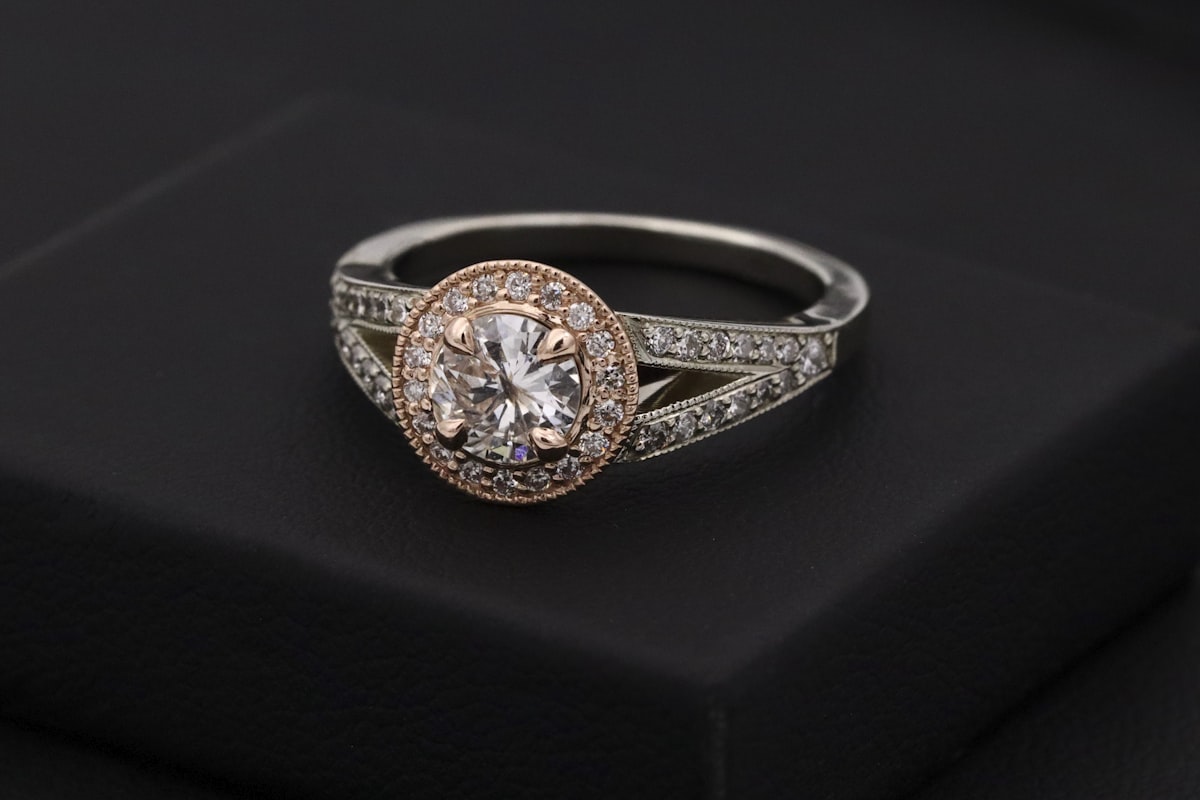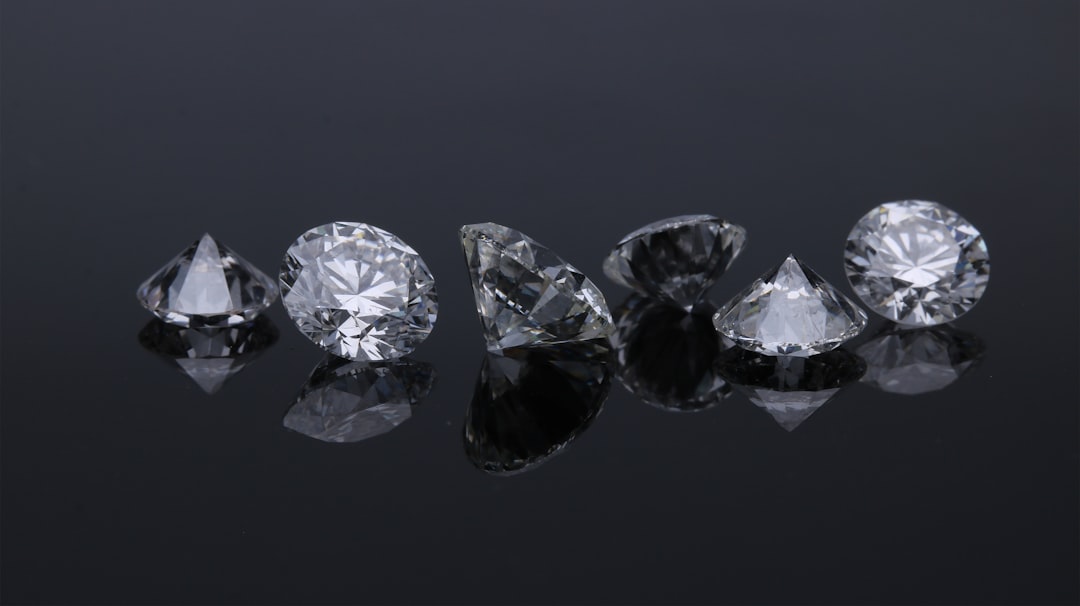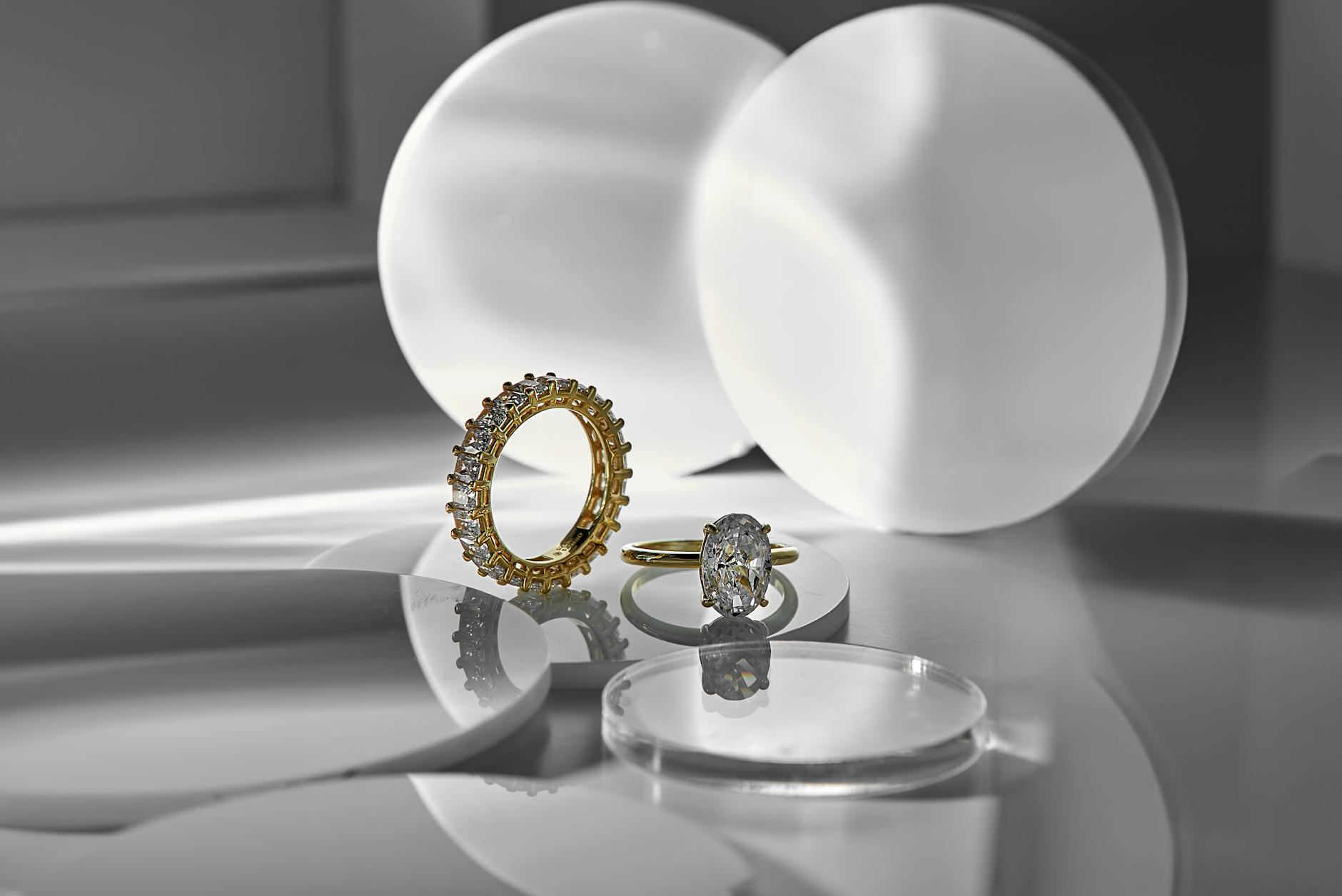
Lab-grown diamonds have gone from laboratory curiosity to mainstream market disruption in less than a decade.
In 2026, they account for nearly 20% of diamond jewellery sales in India — and that number is growing. But do they make sense for you?
This guide cuts through the marketing noise from both sides and gives you the unvarnished truth.
What Is a Lab-Grown Diamond, Really?
A lab-grown diamond is not a simulant (like cubic zirconia or moissanite).
It is a genuine diamond — made of carbon atoms arranged in the same crystal structure as a mined diamond.
The chemical formula is identical: pure carbon, sp3-hybridised, cubic crystal system.
A lab-grown diamond and a natural diamond are genuinely the same material, distinguished only by their origin.
Two production methods exist:
HPHT (High Pressure High Temperature)
This method replicates the geological conditions that form natural diamonds — extreme pressure (1.5 million PSI) and extreme heat (1,300–1,600°C) — but in a controlled industrial chamber over days or weeks rather than billions of years underground.
A small diamond "seed" is placed in a carbon source; under HPHT conditions, carbon atoms crystallise around it, growing a larger diamond.
CVD (Chemical Vapor Deposition)
A thin diamond wafer (the seed) is placed in a sealed chamber filled with carbon-rich gas (typically methane).
Microwaves or lasers ionise the gas, causing carbon atoms to precipitate onto the seed in a crystalline lattice.
CVD produces very high-purity diamonds and is increasingly the preferred commercial method for gem-quality stones.
Both methods produce real diamonds.
A gemologist cannot distinguish a well-grown lab diamond from a mined one without specialised equipment (deep UV spectroscopy or photoluminescence testing).
GIA-certified lab-grown diamonds are laser-inscribed with "Lab Grown" on their girdle — the only reliable visual distinction.
The Price Difference: 2026 Reality
This is where the conversation gets genuinely interesting. Between 2019 and 2026, the price of lab-grown diamonds dropped by approximately 80–85%.
The drop continues. In early 2026, a GIA-certified 1 carat, G colour, VS2 clarity, Excellent cut:
- Natural diamond: approximately ₹2,50,000–₹3,50,000 wholesale; ₹3,50,000–₹5,00,000 retail in India
- Lab-grown diamond: approximately ₹30,000–₹60,000 wholesale; ₹50,000–₹90,000 retail in India
That's roughly 85% cheaper for visually identical results. The gap at 2+ carat sizes is even more dramatic.
A 2 carat natural diamond can cost ₹15,00,000–₹25,00,000; a lab-grown equivalent might be ₹1,50,000–₹2,50,000.
Price Snapshot: 1 Carat, G/VS2, Excellent Cut (India 2026)
| Type | Certificate | Retail Price (India) | Resale Value |
|---|---|---|---|
| Natural Diamond | GIA | ₹3,50,000–₹5,00,000 | ₹1,50,000–₹2,50,000 |
| Lab-Grown Diamond | IGI / GIA | ₹50,000–₹90,000 | ₹8,000–₹15,000 |
This price collapse has a cause: production capacity.
As more HPHT and CVD facilities have come online globally (especially in India, which is now a major lab-grown diamond producer), supply has outpaced demand growth.
Unlike mined diamonds — where supply is constrained by geology and De Beers' historical market control — lab-grown diamonds can theoretically be produced in unlimited quantities.
The Resale Value Question
Here's the truth that lab-grown advocates sometimes avoid: lab-grown diamonds have very poor resale value.
Natural diamonds have historically retained 40–60% of their retail purchase price in the secondary market (this varies significantly by size, quality, and market conditions).
Lab-grown diamonds, in 2026, are selling in the secondary market for 10–20% of their original purchase price — and that percentage is trending lower as prices continue to fall.
The reason is simple: why would anyone buy a second-hand lab-grown diamond when they can buy a new, freshly certified stone for approximately the same price?
The resale market for lab-grown stones is almost non-existent.
What does this mean practically?
- If you're buying a diamond as an investment or as something you plan to resell or exchange in future years, choose natural
- If you're buying for lifetime wear with no intention of reselling — or if you intend to upgrade later and accept the lower exchange value — lab-grown makes strong financial sense
- If you're using a diamond as loan collateral, natural diamonds are preferred by banks and gold loan companies; most do not accept lab-grown as security
Environmental Claims: More Nuanced Than the Marketing
Lab-grown diamonds are frequently marketed as the "ethical" and "sustainable" choice. The reality is more nuanced.
The Case for Lab-Grown Being Better
- No mining means no habitat disruption, no open-pit mines, no riverbed damage
- No involvement in conflict diamond supply chains (though the Kimberley Process has significantly reduced this issue for legitimate retailers)
- No community displacement associated with mining operations
The Complication: Energy
Growing diamonds in a laboratory requires enormous amounts of electricity — running high-pressure chambers or microwave-powered CVD reactors 24/7 for weeks.
A 2019 study estimated that HPHT and CVD production is more energy-intensive per carat than mining, depending on the energy source.
If the lab runs on renewable energy, the environmental case is genuinely strong.
If it runs on coal-powered grid electricity (as many factories in India and China currently do), the environmental credentials are more complicated.
When evaluating a lab-grown diamond's sustainability, ask the jeweller about the manufacturer's energy source.
Mining Communities
Natural diamond mining supports hundreds of thousands of jobs and livelihoods in Botswana, South Africa, Russia, Canada, and Australia.
Replacing natural diamond demand with lab-grown has real economic consequences for these communities.
This is not an argument to ignore environmental concerns, but it's a human dimension worth acknowledging.
The ethical picture is genuinely complex. Neither choice is a clear moral winner in 2026.
Quality Parity: Can You Tell the Difference?
With the naked eye, under normal lighting conditions: no, you cannot tell the difference.
A well-cut, properly graded lab-grown diamond looks identical to a natural diamond of the same specifications.
With gemological equipment (deep UV spectroscopy or photoluminescence spectroscopy): yes, scientists and well-equipped labs can identify the growth method and confirm lab-grown origin.
GIA uses these methods and inscribes every certified lab-grown diamond with "Lab Grown" on the girdle.
Some very early CVD-grown diamonds had slight bluish or brownish tints caused by trace elements during growth — a defect called "graining." Modern production methods have largely eliminated this issue, and a properly certified stone (GIA or IGI) should not have these problems.
However, the secondary market still has uncertified, poorly grown lab diamonds that may show colour issues. Certification is non-negotiable for lab-grown purchases.
Coloured Lab-Grown Diamonds
Natural fancy coloured diamonds (yellow, pink, blue, red) are extraordinarily rare and expensive. A natural 1 carat Fancy Vivid Pink can cost hundreds of thousands of dollars.
Lab-grown coloured diamonds are now available for a fraction of that price — a 1 carat lab-grown Fancy Yellow might retail for ₹1,00,000–₹2,00,000 in India.
For coloured stones, lab-grown is arguably the most compelling case: the visual result is identical, natural equivalents are essentially unaffordable, and the "investment" argument for natural pink or blue diamonds is only relevant at a price point very few buyers reach.
Lab-Grown Diamonds vs. Moissanite vs. Cubic Zirconia
Buyers sometimes conflate these. They are very different:
| Property | Natural Diamond | Lab-Grown Diamond | Moissanite | Cubic Zirconia |
|---|---|---|---|---|
| Chemical composition | Carbon (C) | Carbon (C) | Silicon carbide (SiC) | Zirconium dioxide (ZrO2) |
| Hardness (Mohs) | 10 | 10 | 9.25 | 8–8.5 |
| Refractive index | 2.418 | 2.418 | 2.65–2.69 | 2.088–2.176 |
| Brilliance | Very high | Very high | Very high (different character) | High (fades with wear) |
| Durability | Excellent | Excellent | Very good | Poor (scratches, fades) |
| Price (1ct equivalent) | ₹3,50,000+ | ₹50,000–90,000 | ₹15,000–40,000 | ₹500–2,000 |
Moissanite is a legitimate alternative with a distinct optical character — it shows more "fire" (spectral colour dispersion) than diamonds, which some find attractive and others find too flashy.
It's an excellent choice for buyers who want durability and sparkle at low cost, as long as they're clear that it's not a diamond.
Cubic zirconia is a short-term simulant. It scratches and loses clarity within a few years of daily wear.
It's appropriate for fashion jewellery, not engagement rings.
How to Buy a Lab-Grown Diamond in India
The lab-grown market in India is growing fast, with producers in Surat leading global production. Here's how to buy safely:
- Insist on GIA or IGI certification — the certificate must say "Lab Grown" and specify the growth method (CVD or HPHT). Reject any seller who offers an in-house or SGL certificate.
- Verify the laser inscription — the certificate number should be inscribed on the diamond's girdle. Match it yourself using a loupe or ask the jeweller to show you under magnification.
- Check the metal hallmark — the setting should still carry a BIS hallmark for the metal purity (18K/750 gold or 950 platinum). Lab-grown centre stone doesn't exempt the metal from hallmarking requirements.
- Ask about the exchange policy — some jewellers offer exchange credit for lab-grown diamonds (at current market value, not original purchase price). Understand this clearly before buying.
- Compare prices across at least three stores — lab-grown pricing varies more than natural diamond pricing. The market is less mature and more negotiable.
The Bottom Line: Which Should You Choose?
There's no universally correct answer. The right choice depends on your specific priorities:
Choose a natural diamond if:
- Long-term resale value matters to you
- You (or your partner) feel strongly about the heritage and rarity of mined stones
- You're buying as a family heirloom meant to be passed down
- You want maximum exchange value in future jewellery upgrades
Choose a lab-grown diamond if:
- You want maximum visual impact within a fixed budget
- You're buying for a lifetime wearable with no intention of reselling
- A larger, higher-quality stone matters more than origin
- Environmental impact (from renewable-energy producers) is a priority
- You want to allocate more of your budget to the setting, band, or other jewellery
Both are genuine diamonds. Both are beautiful.
Both require the same care and attention to certification.
The market has matured to the point where choosing lab-grown carries no stigma — it's simply a different set of trade-offs.
Use JewellersinCity to find verified jewellers in your city who stock both natural and lab-grown certified diamonds.
Filter by category, compare prices, and make your decision with full transparency.
More in Diamonds & Gemstones
Share this article
Our editorial team comprises jewellery industry veterans, certified gemmologists, and passionate writers with decades of combined experience across India's gold, diamond, and gemstone markets. Every article is researched, fact-checked, and written to help Indian buyers make smarter, safer jewellery decisions.
Passionate about jewellery and love to write? We'd love to hear from you.
Join us as a writer →Ready to buy? Find verified jewellers near you
Browse 10,000+ BIS hallmark certified jewellers across India. Compare ratings, check today's gold rate, and book a visit.
Keep Reading