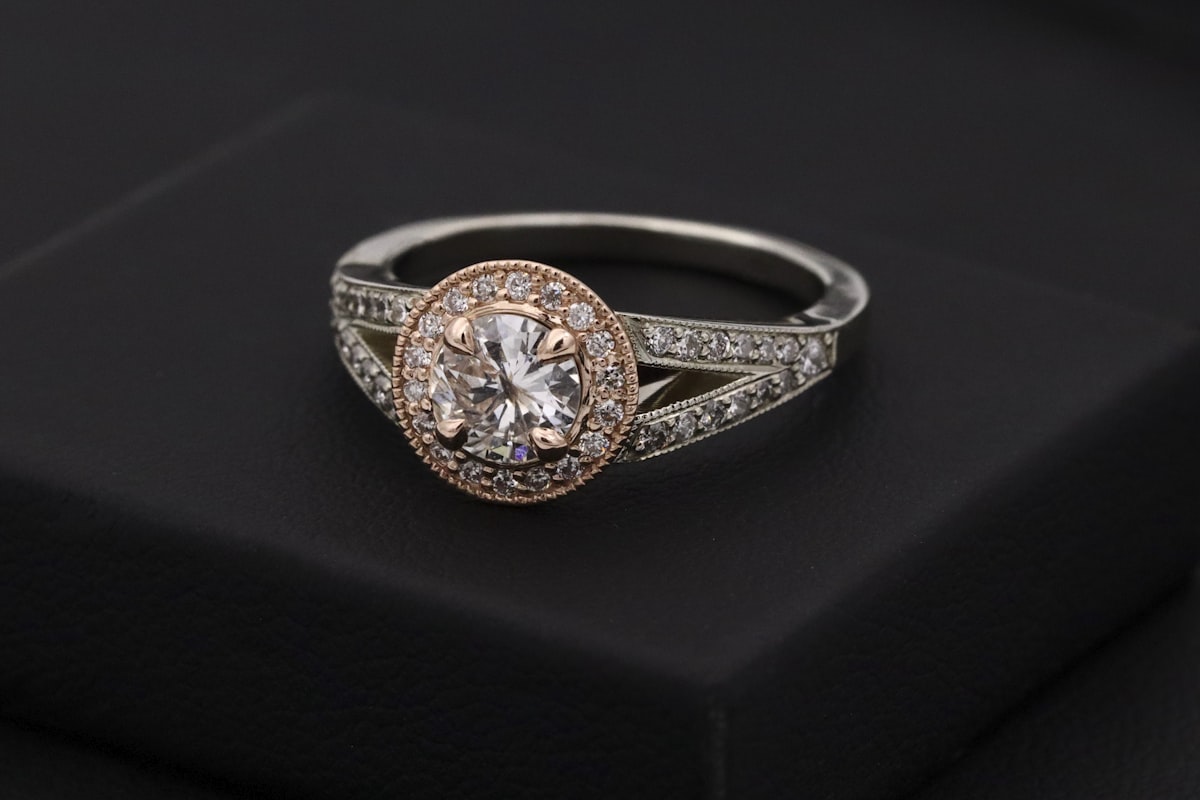
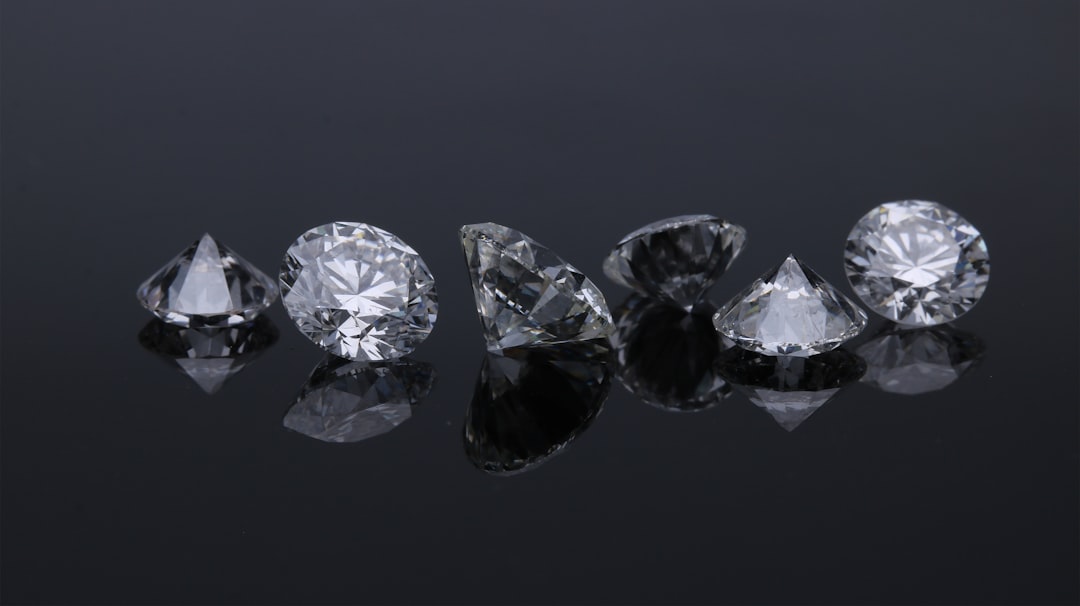
India has a deep and enduring relationship with coloured gemstones that stretches back thousands of years. From the legendary Golconda diamonds to the prized Kashmiri sapphires, from the rubies of Mogok traded through Indian ports to the emeralds set in Mughal jewellery, gemstones are woven into the cultural, spiritual, and economic fabric of the nation. Today, India is both one of the world's largest consumers and processors of coloured gemstones, with the market valued at over ₹35,000 crore annually.
Yet this vast market operates with far less standardisation than the gold jewellery sector. While gold has mandatory BIS hallmarking with HUID verification, coloured gemstones have no mandatory certification requirement in India. This makes voluntary certification from reputable laboratories critically important for any consumer spending significant money on gemstones — whether for jewellery, investment, or astrological purposes.
This guide covers everything you need to know about gemstone certification in India: the major laboratories, the certification process, costs and timelines, how labs detect synthetics and treatments, and the special considerations for astrological gemstones.
Why Certify Your Gemstones?
The Problem of Misrepresentation
The gemstone market is particularly susceptible to fraud and misrepresentation because:
1. Visual similarity: Many different gem species look almost identical to untrained eyes. A fine blue sapphire, a blue spinel, a blue topaz, and a piece of blue glass can all appear similar.
2. Treatment prevalence: The vast majority of gemstones sold commercially have been treated to enhance their colour or clarity. Heat treatment, fracture filling, diffusion treatment, irradiation, and dyeing are all common. Without disclosure, a heavily treated ₹5,000 ruby can be sold as an untreated ₹5,00,000 ruby.
3. Synthetic proliferation: Laboratory-grown rubies, sapphires, and emeralds are chemically identical to natural stones but cost a fraction of the price. Advanced synthetics are indistinguishable from natural stones without specialised equipment.
4. Origin claims: A Kashmir sapphire can command 10x the price of an identical-looking sapphire from Sri Lanka or Madagascar. Without testing, origin claims are unverifiable.
5. Astrological pricing premium: In India, gemstones sold for Jyotish (astrological) purposes carry significant premiums based on claimed natural origin and unenhanced status — claims that are frequently unverified.
What Certification Provides
A gemstone certificate from a reputable laboratory provides:
| Information | Benefit |
|---|---|
| Gem species and variety | Confirms you have the correct gemstone (e.g., natural ruby vs red spinel) |
| Natural vs synthetic origin | Ensures you are not paying natural prices for a lab-grown stone |
| Treatment disclosure | Reveals any enhancements that affect value |
| Weight in carats | Precise measurement for valuation |
| Measurements | Confirms physical dimensions |
| Colour description | Standardised colour characterisation |
| Origin determination (premium service) | Verifies geographic source for high-value stones |
| Photograph | Visual record for identification and insurance |
Major Gemstone Certification Labs in India
GII — Gem Identification Institute
The Gem Identification Institute, based in Jaipur — India's gemstone capital — is one of the country's most utilised gemstone testing labs. With over 25 years of operation, GII has tested millions of gemstones and has a strong reputation particularly for coloured stones commonly traded in the Indian market.
Locations: Jaipur (headquarters), Mumbai, Delhi, Hyderabad Strengths:- Deep expertise in Indian market gemstones (rubies, sapphires, emeralds, corals, pearls)
- Affordable pricing aimed at the domestic market
- Quick turnaround for standard identification
- Strong relationships with Jaipur gem trade
- Basic identification (species, variety, natural/synthetic)
- Treatment disclosure
- Origin determination for sapphires, rubies, and emeralds
- Astrological gemstone certification
- Lot testing for trade clients
GJEPC — Gem & Jewellery Export Promotion Council Labs
GJEPC, backed by the Indian government's Ministry of Commerce, operates gem testing laboratories that serve both the trade and retail consumers. As the apex body of India's gem and jewellery industry, GJEPC labs carry significant institutional credibility.
Locations: Mumbai (Bharat Diamond Bourse), Jaipur, Surat, Delhi Strengths:- Government-backed institutional credibility
- State-of-the-art equipment in major labs
- Strong focus on export-quality certification
- Affordable pricing for small and medium enterprises
- Gemstone identification and certification
- Diamond grading
- Jewellery appraisal
- Training and education programmes
IGI — International Gemological Institute
While primarily known for diamond grading, IGI also offers comprehensive coloured gemstone certification. IGI's presence in India is extensive, and its gemstone reports are internationally recognised.
Locations in India: Mumbai, Delhi, Surat, Jaipur, Hyderabad, Chennai, Kolkata Strengths:- International recognition and acceptance
- Comprehensive testing with advanced equipment
- Finished jewellery certification (gemstones in settings)
- Available in multiple Indian cities
- Detailed reports with photographs
Other Notable Labs
GIA (Gemological Institute of America): The global leader, GIA offers coloured stone reports from its Mumbai lab. GIA reports command the highest international recognition but are more expensive than domestic alternatives. SSEF (Swiss Gemmological Institute): Based in Basel, Switzerland, SSEF is considered among the world's top gemstone labs. No Indian presence, but stones can be sent to Basel for certification. Preferred for very high-value stones (above ₹50,00,000). Gubelin Gem Lab: Another Swiss laboratory with an outstanding reputation for origin determination. Like SSEF, stones must be sent abroad. GTL (Gem Testing Laboratory), Jaipur: The government-run lab under the Rajasthan State Industrial Development & Investment Corporation. Affordable and accessible, particularly for the Jaipur trade.Lab Comparison Table
| Parameter | GII (Jaipur) | GJEPC | IGI | GIA (Mumbai) |
|---|---|---|---|---|
| Basic Identification | ₹800 - ₹1,500 | ₹500 - ₹1,200 | ₹1,500 - ₹3,000 | ₹3,500 - ₹6,000 |
| With Origin Report | ₹3,000 - ₹6,000 | ₹2,500 - ₹5,000 | ₹5,000 - ₹10,000 | ₹8,000 - ₹15,000 |
| Turnaround (Standard) | 2-5 days | 3-7 days | 3-7 days | 7-15 days |
| Turnaround (Express) | Same day available | 1-2 days | 1-2 days | 3-5 days |
| International Recognition | Moderate | Moderate | High | Highest |
| Indian Market Acceptance | Very high | High | High | Very high |
| Online Verification | Limited | Yes | Yes | Yes |
| Best For | Indian market trade | SME and export certification | Retail and international | Investment-grade stones |
The Certification Process Step by Step
Step 1: Submission
You bring the gemstone (loose or mounted) to the laboratory's intake counter. If mounted in jewellery, some tests may be limited, and the lab may recommend unmounting for comprehensive testing. You fill out a submission form with your details and requested services.
Step 2: Visual Examination
A trained gemologist first examines the stone under a standard gemological microscope (typically 10x to 60x magnification) using different lighting conditions — transmitted light, reflected light, darkfield illumination, and fibre-optic illumination. This initial examination identifies the stone's general characteristics, inclusions, growth patterns, and any obvious treatments.
Step 3: Basic Measurements
The stone is measured using precision digital callipers (to 0.01mm) and weighed on a gemological balance (to 0.01 carats). These measurements are recorded on the certificate.
Step 4: Refractive Index Testing
A refractometer measures the stone's refractive index (RI), which is a fundamental optical property that helps identify the gem species. Each mineral has a characteristic RI range. For example:
- Ruby/Sapphire (Corundum): 1.762-1.770
- Emerald (Beryl): 1.577-1.583
- Garnet: 1.730-1.890 (varies by type)
Step 5: Specific Gravity Testing
The stone's specific gravity (density) is measured using hydrostatic weighing. This provides another identification parameter. For example, natural diamond has SG 3.52, while cubic zirconia (a common simulant) has SG 5.80.
Step 6: Advanced Spectroscopic Analysis
For definitive identification and treatment detection, laboratories use advanced instruments:
| Instrument | What It Detects | Cost Factor |
|---|---|---|
| FTIR (Fourier Transform Infrared Spectroscopy) | Treatments, fillers, synthetic indicators | Moderate |
| UV-Vis-NIR Spectrophotometry | Colour origin, treatment indicators | Moderate |
| Raman Spectroscopy | Mineral identification, fillers | Moderate |
| EDXRF (Energy Dispersive X-Ray Fluorescence) | Chemical composition | Moderate |
| LA-ICP-MS (Laser Ablation Mass Spectrometry) | Trace elements for origin determination | High |
| Photoluminescence Spectroscopy | Natural vs synthetic determination | High |
Step 7: Treatment Detection
If any treatments are detected, they are classified and disclosed on the certificate. Common treatment classifications:
| Treatment Code | Meaning | Typical Impact on Value |
|---|---|---|
| N or None | No treatment detected | Full market value |
| H | Heat treated only | 30-70% of untreated value (varies by gem) |
| H(a) | Low-temperature heat | 50-80% of untreated value |
| H(b) | High-temperature heat | 30-50% of untreated value |
| O | Oiled (emeralds) | Standard practice, minor impact |
| O(significant) | Heavily oiled | 20-40% of lightly oiled value |
| F | Fracture filled (rubies) | 10-20% of untreated value |
| D | Diffusion treated | 5-15% of untreated value |
| Irr | Irradiated | Varies widely by gem type |
| Dyed | Surface coating or dye | Minimal value |
Step 8: Origin Determination (Optional)
For high-value rubies, sapphires, and emeralds, origin determination is available as an additional service. Using trace element chemistry (via LA-ICP-MS), inclusion study, and spectroscopic data, the lab determines the geographic origin with a confidence level.
Famous origins that command premiums:
- Kashmir sapphires: The most valuable sapphire origin, commanding 5-10x premiums
- Burmese (Myanmar) rubies: "Pigeon blood" colour commands 3-5x premiums
- Colombian emeralds: Classic green, 2-4x premium over Zambian emeralds
- Sri Lankan (Ceylon) sapphires: Blue and padparadscha varieties at 2-3x premiums
Step 9: Report Generation
The lab compiles all data into a standardised report with the stone's photograph, measurements, grading results, treatment disclosure, and (if requested) origin determination. The report is assigned a unique number for online verification.
Natural vs Synthetic Detection
The Challenge
Modern synthetic gemstones — particularly flux-grown rubies and sapphires, hydrothermal emeralds, and Czochralski-grown sapphires — can be remarkably similar to natural stones. The following table shows how labs distinguish them:
| Feature | Natural Stone | Synthetic Stone |
|---|---|---|
| Inclusions | Natural mineral inclusions (e.g., silk, crystals, fingerprints) | Gas bubbles, flux remnants, curved striae, seed plates |
| Growth patterns | Straight angular growth zones following crystal structure | Curved growth lines or featureless |
| Trace elements | Complex, varied trace element signatures | Simplified chemistry consistent with growth environment |
| UV fluorescence | Variable, often patchy | Often strong, uniform |
| Spectroscopic signatures | Natural absorption features | May show unusual absorption patterns |
| Cost (1 ct fine quality) | ₹10,000 - ₹50,00,000+ depending on gem | ₹500 - ₹5,000 |
Common Synthetics in the Indian Market
Synthetic ruby: The most commonly encountered synthetic in India, often sold as "Manik" for astrological purposes. Flame-fusion (Verneuil) synthetic rubies cost as little as ₹50 per carat but are sold for ₹5,000-₹20,000 as "natural" ruby to unsuspecting buyers. Synthetic blue sapphire: Sold as "Neelam" for Jyotish purposes. Flame-fusion and hydrothermal synthetics are widely available. A certified natural blue sapphire of fine quality costs ₹15,000-₹2,00,000 per carat; a synthetic costs ₹100-₹500 per carat. Synthetic emerald: Hydrothermal and flux-grown synthetics are common. Distinguishing fine synthetic emeralds from natural requires advanced laboratory equipment. Lab-grown diamonds: While technically "synthetic," lab-grown diamonds are increasingly sold transparently in India. However, instances of undisclosed lab-grown diamonds in jewellery persist.Astrological Gemstone Certification
The Indian Context
India is unique in the world for its massive market in astrological gemstones (Jyotish Ratna). Millions of Indians wear gemstones recommended by astrologers based on their birth charts. The nine primary astrological gemstones (Navaratna) and their planetary associations are:
| Gemstone | Hindi Name | Planet | Typical Price Range per Carat (Natural, Untreated) |
|---|---|---|---|
| Ruby | Manik | Sun | ₹5,000 - ₹5,00,000 |
| Pearl | Moti | Moon | ₹500 - ₹50,000 |
| Red Coral | Moonga | Mars | ₹500 - ₹15,000 |
| Emerald | Panna | Mercury | ₹3,000 - ₹3,00,000 |
| Yellow Sapphire | Pukhraj | Jupiter | ₹5,000 - ₹1,00,000 |
| Diamond | Heera | Venus | ₹25,000 - ₹10,00,000 |
| Blue Sapphire | Neelam | Saturn | ₹5,000 - ₹2,00,000 |
| Hessonite Garnet | Gomed | Rahu | ₹500 - ₹10,000 |
| Cat's Eye Chrysoberyl | Lehsuniya | Ketu | ₹1,000 - ₹50,000 |
Why Certification Is Critical for Astrological Gems
Astrological tradition holds that only natural, untreated gemstones carry the planetary energies that produce the desired effects. Whether one believes in astrological gemstone therapy or not, the practical implication is clear: consumers paying premium prices for "natural, untreated" astrological gemstones need laboratory verification that the stone is indeed natural and untreated.
The astrological gemstone market is rife with fraud:
- Synthetic rubies sold as natural "Manik" at 50-100x their true value
- Heavily treated sapphires sold as untreated "Pukhraj" or "Neelam"
- Glass-filled rubies sold as natural at enormous premiums
- Dyed quartz sold as emerald ("Panna")
- Imitation coral (plastic or dyed howlite) sold as natural red coral
What an Astrological Gemstone Certificate Should Include
A certificate for an astrological gemstone should explicitly state:
1. Species and variety — confirming it is the correct gemstone
2. Natural origin — confirming it is not synthetic or laboratory-created
3. Treatment status — ideally "no treatment detected" for astrological use
4. Weight and measurements — for accurate pricing and ring/pendant fitting
5. Photograph — for identification and records
Some labs, particularly in Jaipur, offer specific "Jyotish certification" that includes a statement of suitability for astrological use. While the scientific validity of such statements is a matter of personal belief, the identification and treatment data on these certificates is based on standard gemological testing.
Recommended Labs for Astrological Gemstones
For astrological gemstones, we recommend certification from at least one of the following:
1. GII, Jaipur — Extensive experience with astrological gemstones; offers specific Jyotish reports
2. IGI — International standards; detailed treatment analysis
3. GIA — Gold standard for identification and treatment disclosure; most conservative
4. GTL, Jaipur — Government lab; affordable and trusted for common astrological gems
For high-value astrological gemstones (above ₹1,00,000), consider getting dual certification from two independent labs to ensure accuracy.
Cost and Timeline Guide
Certification Cost by Gemstone Type
| Gemstone | Basic ID Certificate | Full Report with Origin | Express Service Surcharge |
|---|---|---|---|
| Ruby (1-3 ct) | ₹1,000 - ₹3,000 | ₹5,000 - ₹15,000 | 50-100% additional |
| Blue Sapphire (1-5 ct) | ₹1,000 - ₹3,000 | ₹5,000 - ₹15,000 | 50-100% additional |
| Emerald (1-3 ct) | ₹1,000 - ₹3,000 | ₹5,000 - ₹12,000 | 50-100% additional |
| Yellow Sapphire (2-5 ct) | ₹800 - ₹2,500 | ₹3,000 - ₹10,000 | 50-100% additional |
| Pearl (2-10 ct) | ₹500 - ₹1,500 | N/A (no origin for most pearls) | 50-100% additional |
| Red Coral (3-10 ct) | ₹500 - ₹1,500 | N/A | 50-100% additional |
Timeline by Service Level
| Service Level | Typical Turnaround | Best For |
|---|---|---|
| Standard | 5-10 business days | Non-urgent personal certification |
| Priority | 2-4 business days | Pre-purchase verification |
| Express/Urgent | Same day - 1 business day | Trade transactions, immediate decisions |
| International (SSEF/Gubelin) | 3-6 weeks | Ultra-high-value stones requiring top-tier certification |
Tips for Getting Your Gemstone Certified
1. Always certify before buying: Ask the jeweller for a certified stone, or make the purchase conditional on successful certification. Use our jeweller directory to find stores that offer certified gemstones.
2. Prefer loose stones for certification: Mounted stones may have limited testing due to the setting obstructing portions of the stone.
3. Request treatment disclosure explicitly: Some basic certificates only confirm identity (species/variety) without detailed treatment analysis. Always request full treatment disclosure.
4. Keep certificates safe: Store certificates with your jewellery purchase invoices. Take photographs and store them digitally.
5. Verify online: Use the lab's online verification system to confirm your certificate is genuine before relying on it.
6. Beware of "in-house" certificates: Certificates issued by the jeweller themselves have no independent value. Only certificates from recognised third-party laboratories are meaningful.
7. Update for insurance: If your gemstone appreciates significantly, get an updated valuation (not re-certification) for insurance purposes.
Frequently Asked Questions
1. Is gemstone certification mandatory in India?
No, unlike gold hallmarking, gemstone certification is not mandatory in India. There is no legal requirement for jewellers to sell certified gemstones. This makes it the buyer's responsibility to insist on certification, especially for significant purchases. Industry bodies like GJEPC have advocated for voluntary certification standards, but mandatory regulation has not been implemented as of April 2026.
2. How much does gemstone certification cost in India?
Basic identification certificates (confirming species, natural/synthetic, treatment status) cost ₹500-₹3,000 depending on the lab and stone type. Full reports with origin determination cost ₹3,000-₹15,000. Express services add 50-100% to the base fee. For the most expensive international certifications (SSEF, Gubelin), expect ₹25,000-₹75,000 for a comprehensive report with origin.
3. Can a certified gemstone still be fake?
A certificate from a reputable lab confirms exactly what the stone is — its species, whether natural or synthetic, and any treatments. However, the certificate only applies to the specific stone that was tested. Fraudsters sometimes switch stones after certification, presenting a certificate for a different stone. Always verify that the stone's measurements and weight match the certificate, and check for laser inscriptions where available.
4. What is the difference between a natural and a heated gemstone?
A natural gemstone is one that formed in the earth's crust through geological processes. "Heated" means the natural stone has been subjected to high temperatures to enhance its colour or clarity — a very common practice. Most rubies and sapphires on the market are heated. Heating does not make a stone synthetic; it is still natural but enhanced. The value impact depends on the gem: heated rubies typically sell for 30-70% of comparable unheated stones, while heating is so common for blue sapphires that heated prices are the market baseline.
5. How can I tell if my astrologer's recommended gemstone is genuine?
You cannot reliably determine a gemstone's authenticity without laboratory testing. Visual inspection, even by experienced jewellers, cannot detect modern synthetics or advanced treatments. Always get an independent laboratory certificate before paying for an astrological gemstone. Do not rely on certificates provided by the seller — take the stone to an independent lab yourself or make the sale conditional on independent certification.
6. Which lab is best for astrological gemstone certification?
For astrological gemstones commonly traded in India (ruby, sapphire, emerald, pearl, coral, hessonite, cat's eye), GII Jaipur and IGI are excellent choices. They have deep expertise in these gems and offer affordable pricing. For very high-value astrological stones (above ₹5,00,000), GIA provides the most conservative and internationally respected certification. For stones being purchased from Jaipur, the GTL (Government Gem Testing Lab) is a trustworthy and affordable option.
7. Can a gemstone certificate be forged?
Yes, certificate forgery occurs. Always verify certificates online through the issuing lab's website. GIA, IGI, and GJEPC all offer online verification. If the certificate number does not match the online database, or if the online details do not match the physical certificate, the certificate is fraudulent. Be especially cautious of certificates from unfamiliar or unestablished labs.
8. What is the difference between origin determination and identification?
Identification confirms what the stone is (species, variety, natural/synthetic, treatments). Origin determination goes further to establish the geographic source of the stone (e.g., Kashmir, Burma, Colombia, Sri Lanka). Origin determination requires advanced trace element analysis and is significantly more expensive. It is mainly relevant for high-value rubies, sapphires, and emeralds where origin dramatically affects price.
9. Should I certify pearls and coral separately from other gemstones?
Yes. Pearls and coral have unique identification challenges. Pearls need to be tested for natural vs cultured origin (natural pearls can be 50-100x more valuable than cultured), and coral needs to be confirmed as genuine (not dyed howlite, plastic, or glass). Both can be certified at the same labs that handle other coloured gemstones, but ensure the lab has specific expertise in organic gems.
10. How often should I get my gemstones re-certified?
Gemstone characteristics do not change over time under normal wearing conditions, so re-certification is generally unnecessary. However, if you suspect your stone has been swapped (e.g., during repair or resizing at a jeweller), re-certification can provide peace of mind. For insurance purposes, periodic re-appraisal of value (not re-certification of identity) is advisable to reflect current market prices.
11. What is the difference between GII and GIA for Indian buyers?
GII (Gem Identification Institute) is an Indian lab based in Jaipur with extensive expertise in gemstones common to the Indian market. It offers affordable pricing and quick turnaround. GIA (Gemological Institute of America) is a global institution with the highest international recognition. GIA reports cost more and take longer but carry greater weight in international markets and for insurance purposes. For domestic purchases, GII is excellent. For investment-grade stones or international transactions, GIA is preferred.
12. Can I get a gemstone certified if it is set in jewellery?
Yes, most labs offer testing for mounted gemstones, but with limitations. The setting may prevent certain measurements and obstruct views of portions of the stone. Some advanced tests may not be possible without unmounting. Labs will typically note "tested in mount" on the certificate, and some grades may be listed as approximate ranges rather than precise values. For the most comprehensive and accurate certification, unmounting is recommended.
Find certified gemstone jewellers in your city using our store finder. Compare gold and gemstone prices with our rate tracker, and explore more buying guides in our educational resources section.
More in Diamonds & Gemstones
Share this article
Our editorial team comprises jewellery industry veterans, certified gemmologists, and passionate writers with decades of combined experience across India's gold, diamond, and gemstone markets. Every article is researched, fact-checked, and written to help Indian buyers make smarter, safer jewellery decisions.
Passionate about jewellery and love to write? We'd love to hear from you.
Join us as a writer →Ready to buy? Find verified jewellers near you
Browse 10,000+ BIS hallmark certified jewellers across India. Compare ratings, check today's gold rate, and book a visit.
Keep Reading