India's position as the world's largest diamond processing hub means Indian consumers have access to a wider range of diamonds than almost anywhere else. From Surat wholesale to national chain retail to online platforms, the choice is extraordinary. But for first-time buyers, this abundance is also a minefield. This guide gives you a framework to shop confidently — understand the 4Cs, read a certificate, compute a fair price and avoid the traps that catch most first-time Indian diamond buyers.
The 4Cs: what they mean in practice
Every diamond is graded on four criteria. Here is what each means for Indian buyers specifically:
Carat (weight)
1 carat = 0.2 grams. Diamond prices increase non-linearly with carat — a 1 ct stone is more than double the price of a 0.5 ct stone of similar quality, because larger diamonds are rarer. Indian buyers often over-index on carat weight (bigger is better in gifting culture) at the expense of cut quality. A well-cut 0.5 ct looks larger and more brilliant than a poorly-cut 0.7 ct.
Cut (the most important C for brilliance)
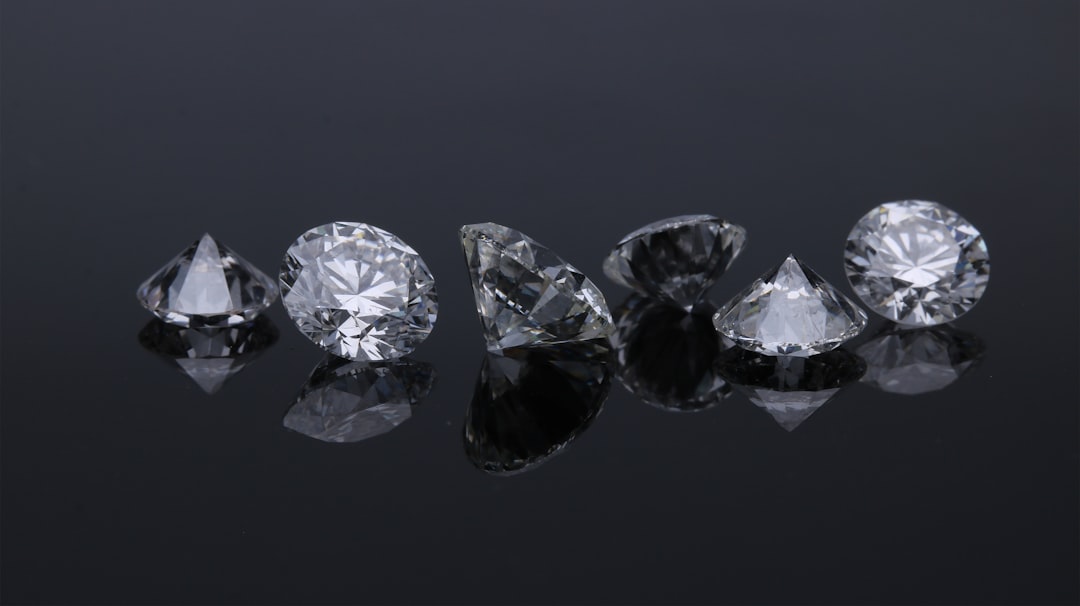
Cut refers to how well the diamond's facets interact with light — not the shape (round, princess, oval) but the proportions, symmetry and polish. GIA cut grades: Excellent, Very Good, Good, Fair, Poor. IGI uses the same scale. An Excellent cut stone returns light to your eye in the way that makes diamonds famous for sparkle. Never buy a Fair or Poor cut — it is the single biggest factor in how beautiful a diamond looks, and no clarity or colour grade compensates for poor cut.
Colour
GIA colour scale runs D (colourless) through Z (light yellow). D–F are colourless; G–J are near-colourless (looks white in a setting to the naked eye); K–M are faint yellow. For most Indian buyers (setting in yellow gold), G-H colour is the sweet spot — looks white in yellow gold, costs significantly less than D-F. For platinum or white gold settings, where the white metal background makes colour more visible, F-G is preferable.
Clarity
FL (flawless) through I3 (heavily included). For jewellery worn at arm's length, the practical sweet spot is VS2 to SI1 — inclusions not visible to the naked eye, but cost 30–50% less than VVS or FL grades. Eye-clean SI1 is the value champion for most Indian buyers. Above VS2, you are paying for microscopic perfection that serves the certificate, not the wearing experience.
The certificate: the most important document in diamond buying
Never buy a diamond above 0.20 ct without a GIA or IGI certificate. Here is how to verify one:
- Ask for the original paper certificate or the digital certificate (GIA and IGI both provide these).
- Go to gia.edu/report-check or igi.org/report and enter the report number. The database returns the certified grade — if it matches the paper certificate and matches the stone's measurements, you have a verified stone.
- Look for the laser inscription on the diamond's girdle — most GIA and IGI certified stones above 0.30 ct have the certificate number inscribed via laser. View under 10× loupe — the jeweller should be able to show you this.
Beware: some Indian jewellers issue their own "in-house" grade reports or use lesser-known labs (IGL, SGL, and others) with significantly more lenient grading. A stone graded VS2 by one of these labs may be SI2 by GIA/IGI standards. Pay the small premium for GIA or IGI.
How diamond jewellery is priced in India
Indian diamond jewellery is priced as a sum of components — understanding this lets you audit any quote:
- Diamond price: Based on the Rapaport price list (the global diamond trade benchmark), discounted to wholesale and then marked up to retail. For a 0.5 ct, G, VS2, Excellent cut: approximately ₹1,00,000–₹1,40,000 at retail.
- Gold/platinum setting: Weight of metal × today's gold rate (for 18K) or platinum rate + making charges on the metal component.
- Diamond setting charges: Labour for setting the stone — typically ₹1,000–₹5,000 for prong/claw settings; more for pavé or channel settings.
- GST: 3% on total value.
Always ask for this breakdown. A jeweller who refuses to break down diamond price vs gold price vs making charges is hiding margin in an opaque total. Reputable jewellers will show this on the invoice.
Five traps first-time diamond buyers fall into in India
Trap 1: Unknown lab certificates
Some jewellers offer seemingly great prices on "certified" diamonds — but the certificate is from a lab nobody recognises. These labs grade generously to make lower-quality stones look better on paper. The stone is real but overstated. Stick to GIA or IGI.
Trap 2: Comparing price without comparing grade
Jeweller A offers a 1 ct diamond ring for ₹2.5 lakh. Jeweller B offers a 1 ct ring for ₹3.2 lakh. Jeweller A seems cheaper — until you realise Jeweller A's stone is I colour, SI2 clarity, Fair cut while Jeweller B's is G colour, VS2, Excellent cut. These are not comparable goods. Always compare on identical grade — ask for the certificate before comparing prices across jewellers.
Trap 3: Inflated making charges on diamond rings
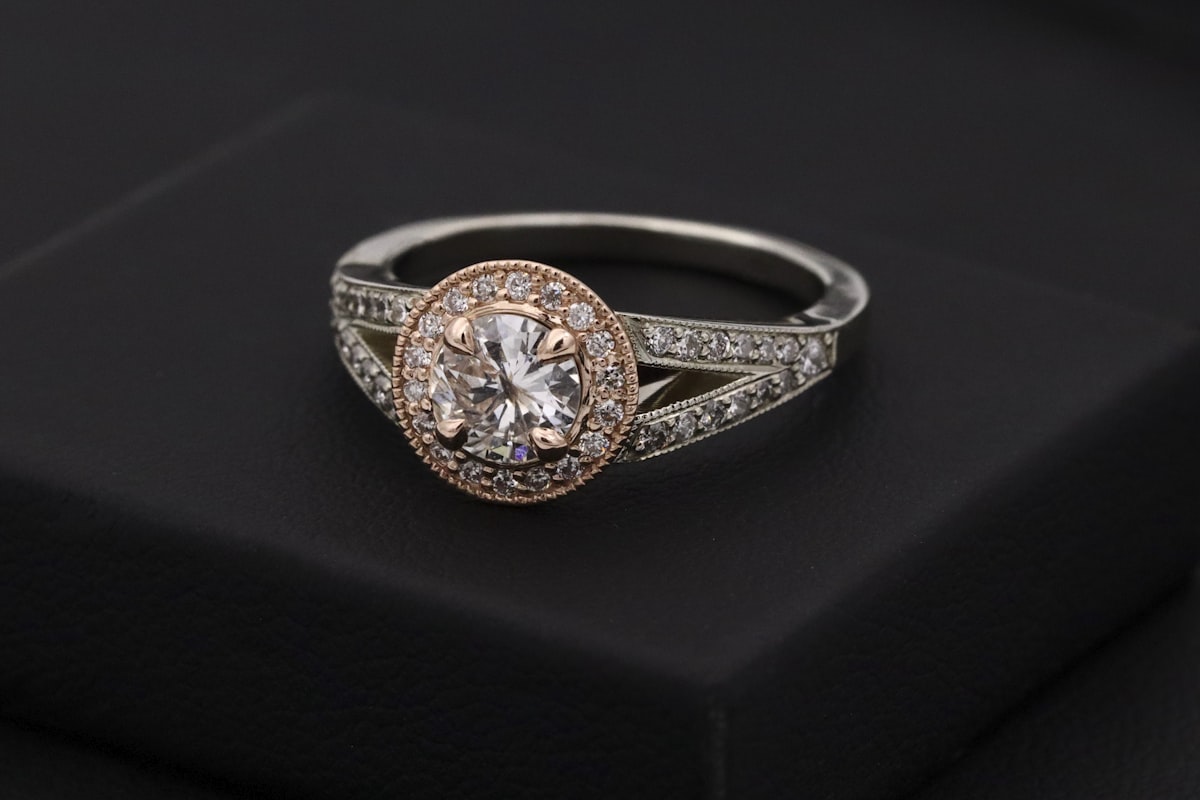
The gold setting of a diamond ring typically weighs 2–4 grams for a simple solitaire. At 18K gold (₹7,100/gram approximate), that is ₹14,200–₹28,400 in gold. Making charges on this metal component can be legitimately 15–25%. But some jewellers charge making charges of 40–60% on the gold component of diamond rings because buyers focus on diamond price and don't audit the metal portion. Ask: what is the gold weight, the gold rate applied, and the making charge percentage on the setting?
Trap 4: Buying solitaires as investment
Diamonds are not a liquid investment. Their resale value in India (30–50% of retail at best) means a diamond solitaire purchased for ₹2 lakh resells for ₹60,000–₹1,00,000 in the open market. Buy diamonds for the jewellery experience, not as a store of value. For investment in the same budget, gold or Sovereign Gold Bonds are significantly superior.
Trap 5: Not getting the exchange policy in writing
Branded jewellers often advertise lifetime exchange on diamonds — but the terms matter. Some exchanges are only valid against a purchase at full rate, some depreciate the diamond value annually, and some require the original certificate and packaging. Ask for the exchange policy in writing and read it before buying.
The first-time buyer's checklist
- Set a budget that includes diamond + gold/platinum setting + making charges + GST (add 15–25% to the diamond price for the complete ring).
- For maximum brilliance at budget: prioritise Excellent cut first, then G-H colour, then VS2-SI1 clarity, and let carat be whatever remains in budget.
- Insist on IGI or GIA certificate. Verify the report number online before paying.
- Ask for a price breakdown: diamond value, gold weight and rate, making charges, GST — separately.
- Compare the same grade across at least 2–3 jewellers before committing.
- Ask for the exchange/buyback policy in writing.
For engagement rings that combine diamonds with gold (22K or 18K), understanding the gold component price is as important as the diamond. See our gold price formula guide. For lab-grown diamond alternatives (same 4C grades, 60-70% lower price), see our lab-grown vs natural diamond guide. Find certified diamond jewellers near you at our jeweller directory.
More in Diamonds & Gemstones
Share this article
Our editorial team comprises jewellery industry veterans, certified gemmologists, and passionate writers with decades of combined experience across India's gold, diamond, and gemstone markets. Every article is researched, fact-checked, and written to help Indian buyers make smarter, safer jewellery decisions.
Passionate about jewellery and love to write? We'd love to hear from you.
Join us as a writer →Ready to buy? Find verified jewellers near you
Browse 10,000+ BIS hallmark certified jewellers across India. Compare ratings, check today's gold rate, and book a visit.
Keep Reading