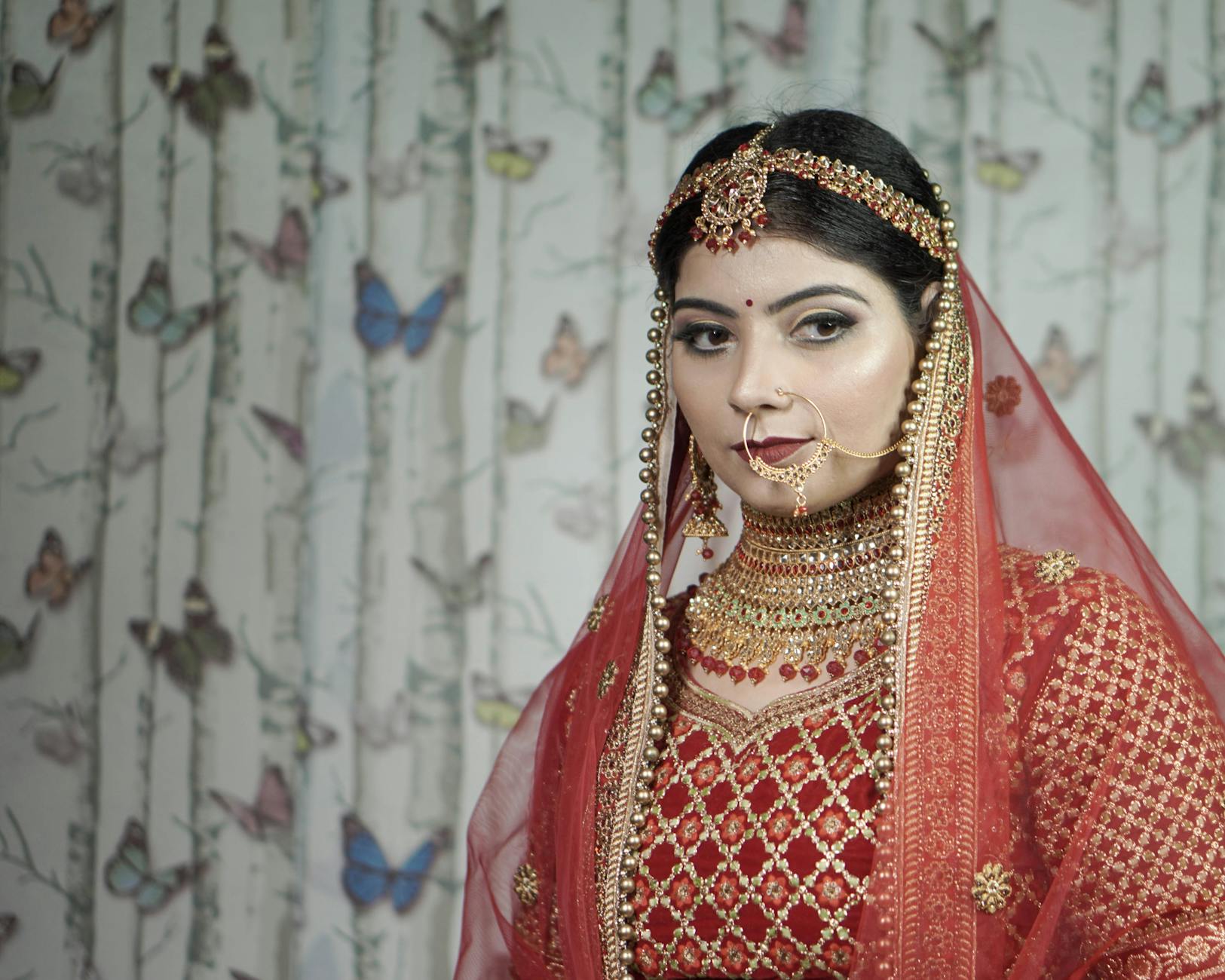
The Indian wedding is among the most jewellery-intensive ceremonies in the world.
A traditional Hindu bride from North India may wear up to 16 categories of ornaments — the Solah Shringar — while a South Indian bride's gold set can weigh 500 grams or more.
This guide covers every aspect of bridal jewellery planning: the traditional pieces each ceremony demands, how to set a realistic budget, what to negotiate with your jeweller, and how to care for your pieces so they become the heirlooms your daughter wears decades from now.
The Bridal Jewellery Timeline: Start Earlier Than You Think
before
before
before
before
wedding
The Sixteen Shringar: Understanding Traditional Bridal Ornaments
The Solah Shringar (sixteen adornments) is a pan-Indian concept rooted in ancient texts that describes sixteen types of adornment for a married woman.
While rarely worn all at once today, they form the template for North Indian bridal jewellery.
Understanding them helps you make informed choices about which pieces matter most for your ceremony:
| Ornament | Placement | Regional Name | Metal Tradition |
|---|---|---|---|
| Maang Tikka | Centre parting, forehead | Mathapatti (Gujarat), Nethichutti (South) | 22K gold or Kundan |
| Nath | Nose | Nathni, Mukhutthi | 22K gold, pearl drop |
| Earrings (Jhumka/Chandbali) | Ears | Jhumka, Bugdi, Jimikki | 22K gold, stone-set |
| Haar / Ranihaar | Neck (long necklace) | Thushi, Haaram, Long haaram | 22K gold, Kundan, Polki |
| Choker | Neck (close-fitting) | Hasli, Kante, Choker | 22K gold, Kundan |
| Bajuband / Armlet | Upper arm | Vanki, Baju | 22K gold |
| Bangles / Kadas | Wrists | Chura (Punjab), Pola (Bengal), Shakha | Gold, glass, shell |
| Haath Phool | Hand / finger-to-bangle connector | Hath phool, Haath paan | 22K gold |
| Rings | Fingers | Angoothi, Mudhi | 22K/18K gold |
| Kamarband | Waist | Oddiyanam (South), Kandora | 22K gold |
| Payal / Anklets | Ankles | Nupur, Kolusu, Ghunghroo | Silver (traditionally) |
| Bichiya | Toe rings | Metti, Jodavi | Silver (traditionally) |
| Passa / Jhoomar | Side of head | Jhumar, Passa | 22K gold, Kundan |
| Mangalsutra | Neck (symbol of marriage) | Thaali (South), Mangal sutram | Gold + black beads |
| Sindoor Dabbi | Vermilion box | Sindoor peti | Gold/silver |
| Bindi | Forehead | Bottu, Tilak | Non-metal (decorative) |
Modern brides typically prioritise maang tikka, nath, earrings, necklace set, bangles, and payal as the core minimum.
Everything beyond is determined by tradition, ceremony, and personal preference.
Jewellery by Ceremony: What to Wear When
Engagement Ceremony
The engagement calls for an elegant but not overwhelmingly heavy look — you'll be photographed extensively and the focus should be on the engagement ring and your overall appearance, not jewellery weight.
- Ring: The centrepiece. See our engagement ring guide for selection advice.
- Earrings: Statement chandelier earrings or chandbalis work beautifully. Avoid very long drops if you'll be bowing during the ceremony.
- Necklace: A graceful single strand or choker — not the full bridal set. Save the weight for the wedding day.
- Bangles: A few gold bangles or a simple set rather than the full chura.
Mehendi Ceremony
Mehendi (henna) ceremony jewellery has a specific constraint: your hands will be covered in intricate henna for hours.
Oxodised silver, colourful glass bangles, and lightweight gold pieces work better than heavy gold sets. Avoid pieces that you can't easily remove mid-ceremony.
Many brides wear a completely different (often more colourful, playful) jewellery aesthetic for mehendi than for the wedding itself.
Sangeet Ceremony
Sangeet calls for jewellery that's glamorous enough for photographs but light enough to dance in.
Statement earrings, a layered necklace or a beautiful Kundan choker, and matching bangles are the formula.
Avoid anklets or very long chains that might get tangled during dancing.
Wedding (Pheras / Saat Phere)
This is the primary ceremony where the full bridal set appears. The weight, opulence, and tradition are here. Prioritise:
- The complete necklace set (typically a long haar + choker combination)
- Maang tikka and jhoomar/passa for head ornamentation
- Nath — if your outfit and facial features suit it
- The complete bangle set (chura in Punjabi tradition; gold + glass combinations elsewhere)
- Payal and bichiya (anklets and toe rings as symbols of marriage in most traditions)
- Mangalsutra — put on during the ceremony itself
Reception
The reception is increasingly an occasion for a completely different jewellery aesthetic — particularly for modern brides.
Contemporary diamond jewellery, platinum pieces, or a sophisticated single-statement piece (a dramatic necklace or a magnificent pair of earrings) works beautifully.
Many brides prefer something lighter at the reception as they'll be greeting guests for hours.
Regional Bridal Jewellery Traditions: A Comparative Overview
| Tradition | Key Pieces | Characteristic Style | Metal Preference |
|---|---|---|---|
| Punjabi | Ranihaar, passa, nath, chura | Heavy, bold, maximalist | 22K yellow gold |
| Rajasthani | Kundan, Meenakari, aad, borla | Rich colours, intricate stone work | 22K gold + Kundan |
| Bengali | Mukut, loha (iron bangle), pola, shakha | Specific ceremonial pieces; shakha-pola together | Gold + conch shell + iron |
| Tamil Nadu | Vanki, nethi chutti, oddiyanam, long haaram | Heavy gold temple jewellery | 22K yellow gold |
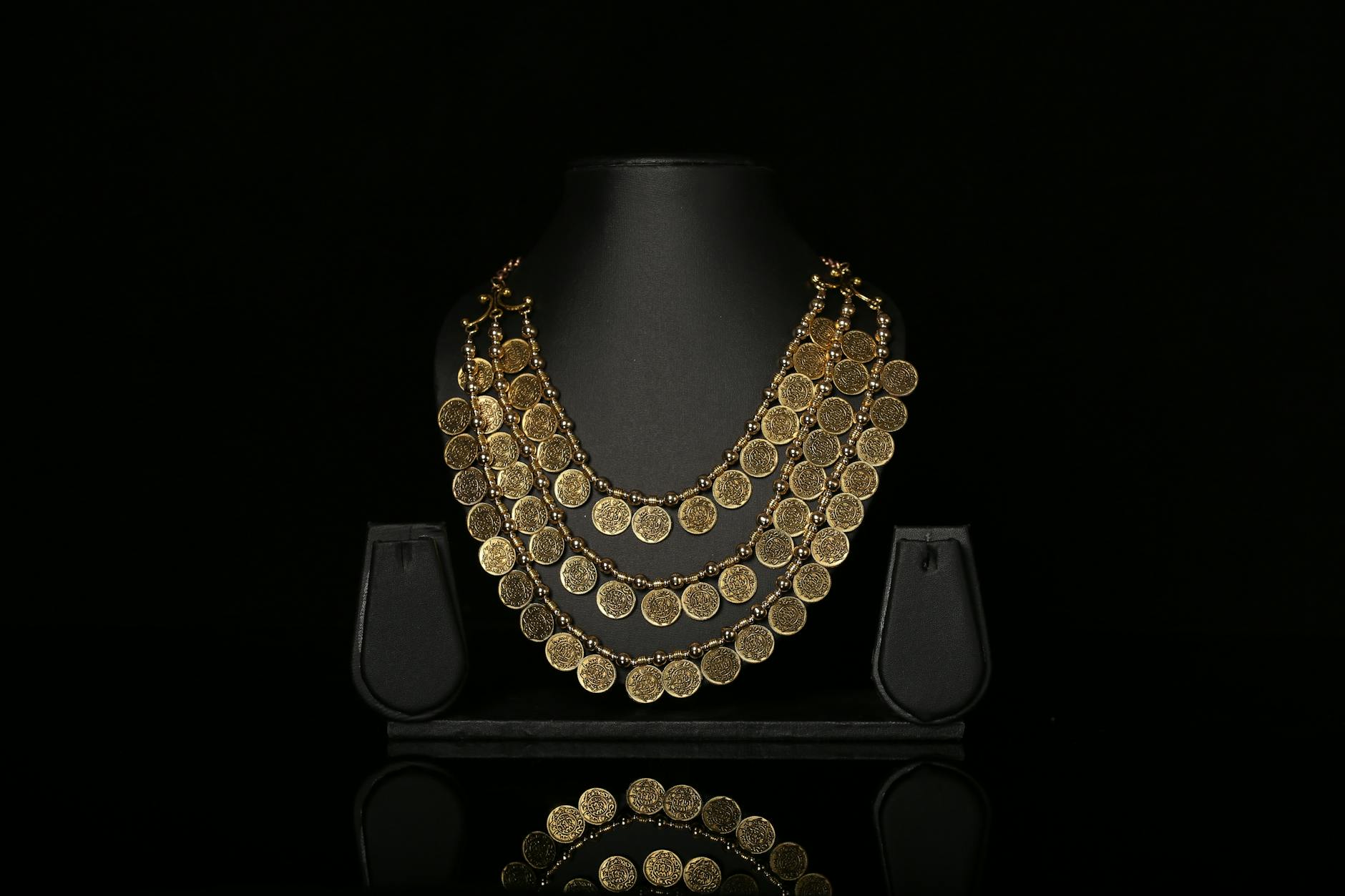
| Kerala | Kasumala, elakkathali, pathakkam | Coin necklaces, gold-dominated | 22K yellow gold |
| Marathi | Nath, kolhapuri saaj, thushi, mundavalya | Distinctive nose ring, layered necklaces | 22K gold |
| Hyderabadi / Telugu | Jadau sets, polki, navratna | Mughal influence, elaborate stone settings | 22K gold + Jadau |
| Contemporary Fusion | Solitaire ring, diamond choker, minimal payal | Selective traditional + modern minimalism | 18K gold or platinum |
Budgeting for Bridal Jewellery: An Honest Framework
The single biggest mistake in bridal jewellery planning is setting a budget after falling in love with a showroom's display.
Set the number before you visit a single store, and communicate it clearly to the jeweller at the start of the appointment.
₹1,00,000–₹3,00,000
Complete set covering 3–4 key pieces: necklace, earrings, maang tikka, bangles. Plain 22K gold or moderate Kundan accents. Serviceable for one ceremony.
₹3,00,000–₹8,00,000
Full traditional bridal set covering wedding + one additional ceremony. Includes heavier pieces with Kundan or polki accents. Quality visible in photographs.
₹8,00,000–₹20,00,000
Premium Kundan/polki/Jadau sets; multiple complete sets for multiple ceremonies; significant weight and craftsmanship. Heirloom quality.
₹20,00,000+
Custom bespoke sets; high-quality polki/uncut diamonds; designer boutique work; multiple full sets covering every ceremony in complete coordination.
Hidden costs to account for: GST (3% on gold, 3% on diamond jewellery), making charges (₹600–₹4,000/gram depending on complexity), alterations, ring resizing, and insurance (₹2,000–₹10,000/year for high-value sets).
What to Negotiate (and What You Can't)
Bridal jewellery involves significant sums and jewellers expect negotiation. Here's what's genuinely negotiable:
- Making charges — Always negotiable, especially for large sets purchased together. Ask for a "bridal set discount" explicitly. On a ₹5 lakh set, even a 10% reduction in making charges saves ₹5,000–₹15,000.
- Free resizing — Rings, bangles, and even some necklace lengths can often be adjusted free at time of purchase.
- Complimentary polishing — Most jewellers will offer a free polish and inspection in the 6 months after purchase if asked.
- Buyback terms — The exchange percentage on a bridal purchase is negotiable, particularly at the time of sale. 100% gold value on exchange (toward future purchase) is achievable at most reputable stores.
What you cannot negotiate: the gold price itself (set by MCX), GST (statutory), or the BIS hallmarking cost.
The Mangalsutra: More Than a Symbol
The mangalsutra is one of the most emotionally significant pieces of bridal jewellery — and one of the most misunderstood from a buying perspective. Key points:
- It is worn continuously (unlike the wedding set), so durability and comfort matter enormously more than weight or opulence
- Modern mangalsutras range from very traditional (black bead + gold pendant, 30–80 grams) to minimalist contemporary designs (delicate 5–8 gram chains with a small pendant)
- The pendant design carries regional meaning — different patterns are traditional in Maharashtra, Karnataka, Gujarat, and North India
- Since it's daily wear, 22K may be too soft for the chain (which bears the most stress) — consider 18K for the chain with a 22K pendant
- Buy a mangalsutra from the same jeweller as your main set if possible, so the gold tone matches
Post-Wedding Jewellery Care
Many brides spend months choosing their wedding jewellery and then store it carelessly afterward. Protect your investment:
- Professional cleaning immediately after the wedding — sweat, makeup, and handling accumulate during ceremonies. A gentle professional cleaning prevents long-term tarnishing.
- Individual storage — each piece should be wrapped separately in acid-free tissue or soft cotton. Pieces stored together scratch enamel and chip stone settings.
- Photograph and document — photograph every piece, note the HUID codes, and store this documentation separately (cloud backup) from the jewellery itself.
- Insurance — add the bridal set to your home contents insurance or take a dedicated jewellery insurance policy. Premiums are typically 0.5–1% of insured value annually.
- Annual inspection — have your jeweller check prong settings and clasps annually. A loose prong that costs ₹200 to fix can cause a ₹50,000 stone to fall out if ignored.
Your bridal jewellery is one of the most meaningful purchases of your life.
Planned well, it becomes an asset — financially in the gold it holds, and emotionally in the memories it carries.
Every piece you choose today is a piece your daughter will wear at her wedding, and her daughter at hers.
Use JewellersinCity to find verified, BIS-certified bridal jewellers in your city.
Filter by speciality — Kundan, Jadau, diamond bridal, or contemporary — and read verified reviews from other brides before you visit.
More in Wedding & Bridal
Share this article
Our editorial team comprises jewellery industry veterans, certified gemmologists, and passionate writers with decades of combined experience across India's gold, diamond, and gemstone markets. Every article is researched, fact-checked, and written to help Indian buyers make smarter, safer jewellery decisions.
Passionate about jewellery and love to write? We'd love to hear from you.
Join us as a writer →Ready to buy? Find verified jewellers near you
Browse 10,000+ BIS hallmark certified jewellers across India. Compare ratings, check today's gold rate, and book a visit.
Keep Reading