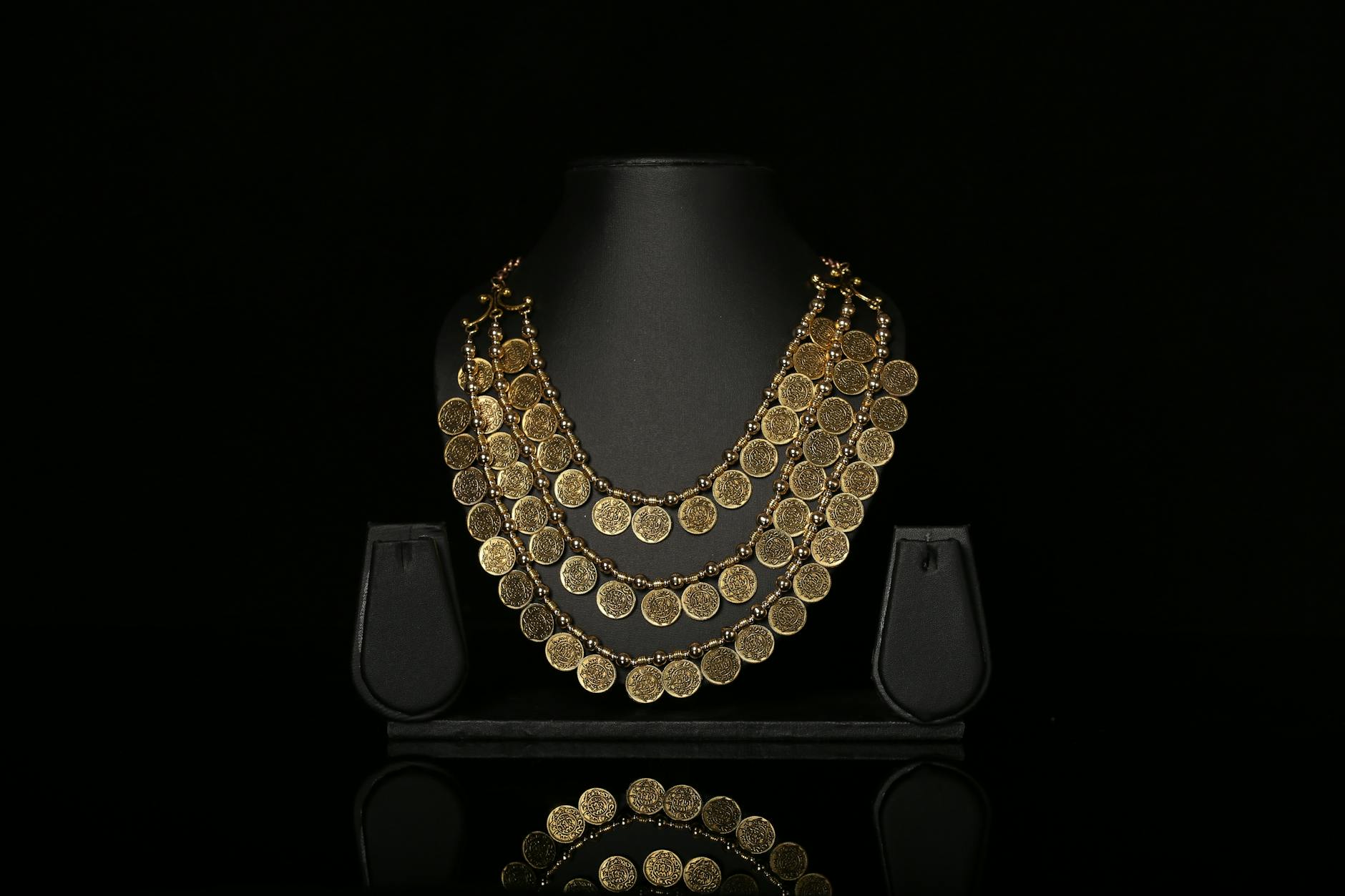
A Bengali wedding is an elaborate affair steeped in centuries of cultural heritage, where every ritual, every chant, and every ornament carries profound symbolic meaning. Among all the visual splendors of a Bengali wedding, the bridal jewelry stands out as the most mesmerizing element. Unlike many other Indian bridal traditions that emphasize heavy gold sets, Bengali bridal jewelry follows a distinctive aesthetic that blends gold with lac bangles, shell ornaments, and exquisite filigree work that is unique to Bengal's artistic heritage.
In April 2026, as wedding season reaches its peak across India, Bengali families are preparing for celebrations that honor these timeless traditions while embracing contemporary sensibilities. Whether you are a bride-to-be, a mother planning her daughter's wedding, or simply someone fascinated by India's diverse jewelry heritage, this comprehensive guide will walk you through every aspect of Bengali wedding jewelry -- from the iconic Mukut crown to the delicate Ratanchur that adorns the bride's hands.
The Significance of Jewelry in Bengali Weddings
Bengali weddings are distinguished from other Indian wedding traditions by their deeply philosophical and spiritual undertones. The jewelry worn by a Bengali bride is not merely decorative; each piece carries layers of meaning tied to fertility, prosperity, marital bliss, and spiritual protection.
Cultural Roots of Bengali Bridal Adornment
The tradition of adorning a Bengali bride with specific jewelry pieces dates back to the medieval period, when Bengal was a flourishing center of art, culture, and trade. The Pala and Sena dynasties of Bengal patronized goldsmiths and artisans who developed distinctive techniques such as filigree (tarkashi), meenakari (enamel work), and nakshi (engraved) designs that continue to define Bengali jewelry today.
In traditional Bengali households, the bride's jewelry is divided into two categories: the "tatwa" (gifts from the groom's family) and the "stridhan" (the bride's own inherited or purchased jewelry). The tatwa traditionally includes the Loha (iron bangle), Shakha Pola (conch shell and red coral bangles), and specific gold ornaments, while the stridhan may include family heirlooms passed down through generations.
The Role of Gold in Bengali Tradition
Gold holds a sacred place in Bengali culture, but unlike South Indian traditions where brides may wear several hundred grams of gold, Bengali bridal jewelry tends to be lighter, more artistic, and focused on craftsmanship over weight. A traditional Bengali bride's gold jewelry typically weighs between 80 and 200 grams, compared to 200 to 500 grams in South Indian or Rajasthani weddings.
This does not mean Bengali families spend less on jewelry. The intricate craftsmanship of Bengali gold jewelry -- particularly the filigree and nakshi work -- commands higher making charges per gram. In April 2026, with 22K gold priced at approximately Rs. 7,200 per gram, a complete Bengali bridal set can range from Rs. 5,00,000 to Rs. 20,00,000 depending on the weight, design complexity, and choice of jeweler.
Essential Bengali Bridal Jewelry Pieces
A fully adorned Bengali bride wears a specific ensemble of jewelry, each piece placed on a particular part of the body. Let us explore each ornament in detail.
Mukut -- The Bridal Crown
The Mukut is perhaps the most iconic piece of Bengali bridal jewelry. This ornate crown, traditionally made of pith (shola) or silver-gilt, sits atop the bride's head and instantly identifies her as a Bengali bride. In earlier times, the Mukut was crafted exclusively from shola pith by artisans known as "malakar," and it was considered a temporary adornment discarded after the wedding.
In contemporary times, however, many brides opt for gold or gold-plated Mukuts that can be preserved as keepsakes. A traditional shola Mukut costs between Rs. 2,000 and Rs. 8,000, while a gold-plated version ranges from Rs. 15,000 to Rs. 50,000. A solid gold Mukut, which is rare and custom-made, can cost Rs. 2,00,000 or more.
The Mukut is typically paired with a "topor" worn by the groom, creating a matching pair that symbolizes the union of two families. During the "shubho drishti" ritual, when the bride and groom see each other for the first time, both are wearing their respective crowns.
Choker (Golap Haar and Chik Haar)
The Bengali bridal choker is a close-fitting necklace that sits snugly around the neck. The most popular styles include the Chik Haar (a flat, broad choker with intricate patterns) and the Golap Haar (a choker featuring rose motifs). These pieces showcase Bengal's finest goldsmithing traditions, with detailed engravings and sometimes studded with uncut diamonds (polki) or precious stones.
A traditional Chik Haar in 22K gold weighs between 30 and 60 grams and costs between Rs. 2,50,000 and Rs. 5,00,000 at current gold rates. The Golap Haar, being slightly lighter at 25 to 45 grams, typically ranges from Rs. 2,00,000 to Rs. 4,00,000. Many Kolkata jewelers offer these in both traditional and contemporary designs, with the latter incorporating diamond accents and lighter constructions.
Sita Haar -- The Long Necklace
The Sita Haar is a long gold chain necklace that hangs below the bust line, often reaching the waist. Named after Goddess Sita, this necklace traditionally features a pendant or locket and is considered essential for a complete Bengali bridal look. The Sita Haar represents prosperity and is believed to bring good fortune to the married couple.
Modern Sita Haar designs range from traditional coin-link chains to more elaborate temple-style pieces. The weight varies significantly, from 40 grams for a simple chain-style to over 100 grams for an ornate temple design. At April 2026 prices, expect to spend between Rs. 3,00,000 and Rs. 8,00,000 for a quality Sita Haar.
Ratanchur -- The Hand Ornament
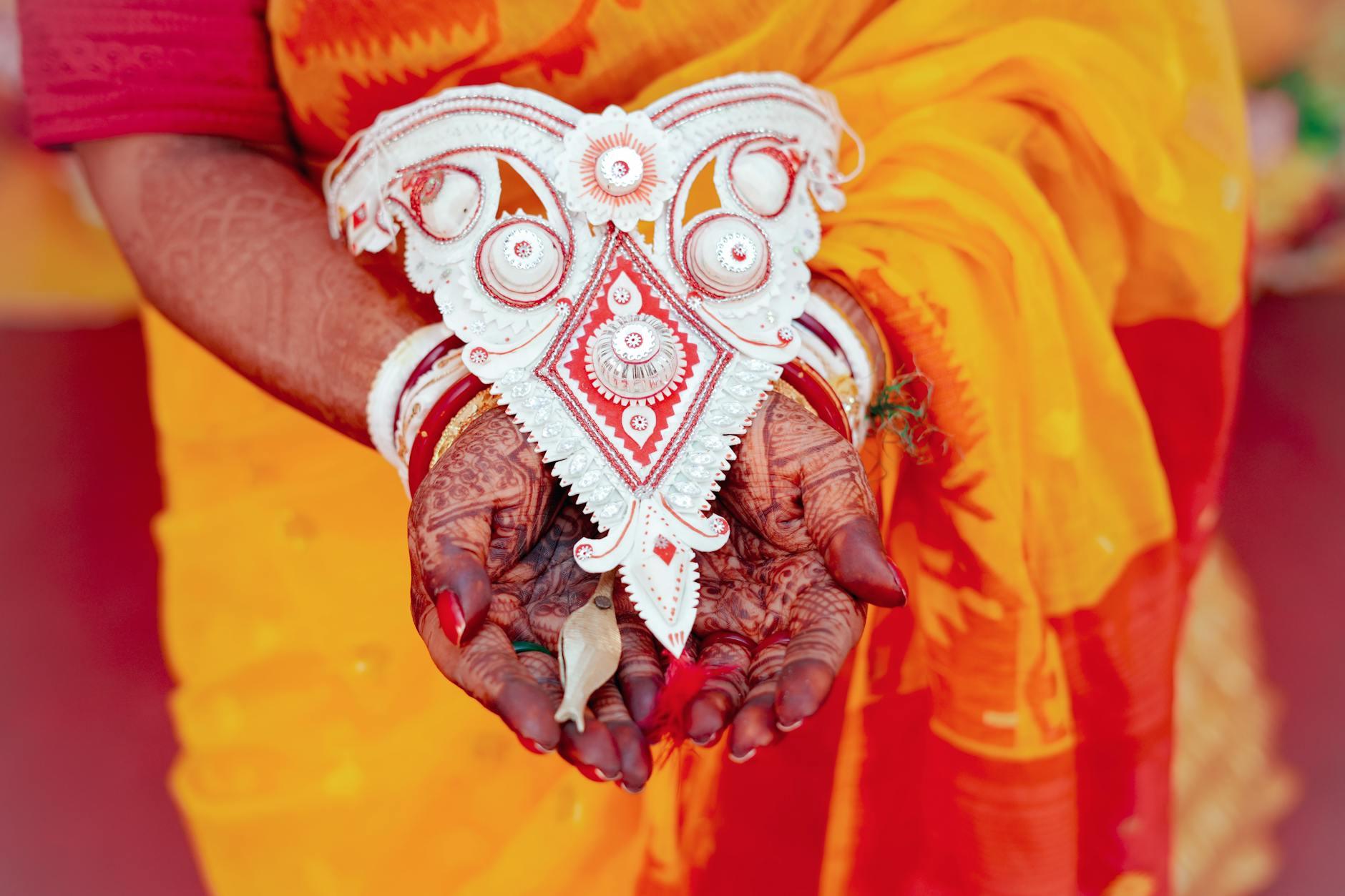
The Ratanchur is one of the most distinctive pieces in Bengali bridal jewelry. This elaborate hand ornament covers the back of the hand and connects to finger rings through delicate chains. Traditionally made in gold with gemstone accents, the Ratanchur is worn on both hands and creates a stunning visual effect when the bride performs wedding rituals.
A pair of Ratanchur in 22K gold typically weighs between 20 and 40 grams and costs Rs. 1,50,000 to Rs. 3,50,000. Some modern designs use a combination of gold and kundan work, while budget-conscious brides may opt for gold-plated silver versions that cost between Rs. 8,000 and Rs. 25,000.
Tikli -- The Forehead Ornament
The Tikli, also known as "maang tikka" in North Indian terminology, is a forehead ornament that hangs from the center parting of the hair. The Bengali Tikli is typically smaller and more delicate than its North Indian counterpart, featuring a single pendant that rests on the forehead just above the bindi.
Traditional Tikli designs feature a red or green stone surrounded by gold filigree work. In weight, they range from 5 to 15 grams, making them one of the lighter pieces in the bridal ensemble. The cost ranges from Rs. 40,000 to Rs. 1,50,000 in gold, or Rs. 3,000 to Rs. 12,000 in gold-plated options.
Kaan Pasha -- The Ear Ornaments
Kaan Pasha, or Kaan Baala, refers to the elaborate earrings worn by a Bengali bride. These are typically large, ornate pieces that frame the face and complement the Mukut and Tikli. Traditional Kaan Pasha designs include jhumkas with filigree work, chandelier-style earrings, and the distinctive "Kaan er Jhumko" that has been part of Bengali tradition for centuries.
A pair of bridal Kaan Pasha in 22K gold weighs between 15 and 35 grams and costs Rs. 1,20,000 to Rs. 3,00,000. Lighter, everyday-wear versions start from Rs. 50,000.
Nolok -- The Nose Ring
The Nolok (nose ring) is an essential part of the Bengali bridal look. Traditionally, it is a large, ornate piece connected by a chain to the hair or ear, though modern brides sometimes prefer smaller, more subtle designs. The Nolok is particularly significant because it is traditionally gifted by the groom's family as part of the tatwa.
A traditional Nolok with chain weighs 8 to 20 grams and costs Rs. 60,000 to Rs. 1,80,000 in gold. A simpler design without the connecting chain starts from Rs. 25,000.
Baaju Bandh -- The Armlet
The Baaju Bandh is an armlet or upper arm bracelet worn on both arms. In Bengali tradition, this piece is often crafted with intricate nakshi work and may feature motifs of flowers, paisleys, or deities. While not as commonly worn by modern brides, traditional ceremonies still call for this ornament.
A pair of Baaju Bandh typically weighs 20 to 40 grams and costs Rs. 1,50,000 to Rs. 3,50,000 in 22K gold.
Shakha Pola: The Sacred Bengali Bangles
No discussion of Bengali bridal jewelry is complete without addressing the Shakha Pola tradition, which is arguably the most emotionally significant ornament for a Bengali married woman.
Understanding Shakha and Pola
Shakha are bangles made from conch shell (shankha), while Pola are red coral or red lac bangles. Traditionally, a Bengali bride wears these on both wrists, with the white Shakha and red Pola alternating to create a striking visual contrast. These bangles are considered the Bengali equivalent of the North Indian "chura" and are worn continuously for the first year of marriage, and often for life.
The Shakha Pola ceremony, known as "Dodhi Mangal," takes place on the morning of the wedding. The bride's hands are dipped in turmeric-infused water, and the bangles are then slipped onto her wrists by married women from the family. This ritual is accompanied by the singing of traditional songs and the ululation (ululu) that is characteristic of Bengali celebrations.
Cost and Quality of Shakha Pola
Traditional Shakha Pola sets are surprisingly affordable compared to gold jewelry. A basic set costs between Rs. 500 and Rs. 2,000, while premium sets with gold plating or stone work range from Rs. 3,000 to Rs. 15,000. Designer Shakha Pola with gold caps (known as "Shakha Pola with Sona Bori") can cost Rs. 20,000 to Rs. 50,000, as the gold additions increase both the weight and the craftsmanship involved.
| Shakha Pola Type | Material | Price Range (2026) | Durability |
|---|---|---|---|
| Basic traditional | Conch shell + red lac | Rs. 500 - Rs. 2,000 | 1-2 years |
| Premium quality | Refined conch + coral | Rs. 3,000 - Rs. 8,000 | 3-5 years |
| Gold-capped | Shell + 22K gold ends | Rs. 20,000 - Rs. 50,000 | 5-10 years |
| Designer set | Shell + gold + stones | Rs. 30,000 - Rs. 1,00,000 | 10+ years |
Modern Interpretations
While the Shakha Pola tradition remains strong, modern Bengali brides are increasingly customizing these bangles. Some opt for thinner, more comfortable versions for daily wear, while others choose designer sets with kundan or meenakari work for the wedding day and switch to simpler sets for everyday use.
Gold vs. Gold-Plated: Making the Right Choice
One of the most practical decisions a Bengali bride and her family face is whether to invest in solid gold jewelry or opt for gold-plated alternatives for certain pieces.
When Solid Gold Makes Sense
Solid gold jewelry is always the preferred choice for pieces that will be worn regularly after the wedding and those that serve as financial investments. The Choker, Sita Haar, earrings, and bangles are typically purchased in solid 22K gold because they have lasting value and can be passed down as heirlooms.
When Gold-Plated Is Practical
Gold-plated jewelry is an excellent option for pieces that are specific to the wedding ceremony and unlikely to be worn regularly afterward. The Mukut, Ratanchur, and elaborate Baaju Bandh fall into this category. A gold-plated Mukut at Rs. 25,000 versus a solid gold one at Rs. 2,00,000 represents significant savings without compromising the visual impact on the wedding day.
| Jewelry Piece | Solid Gold Cost | Gold-Plated Cost | Recommendation |
|---|---|---|---|
| Mukut (Crown) | Rs. 2,00,000+ | Rs. 15,000 - Rs. 50,000 | Gold-plated (worn once) |
| Choker | Rs. 2,50,000 - Rs. 5,00,000 | Rs. 8,000 - Rs. 25,000 | Solid gold (heirloom) |
| Sita Haar | Rs. 3,00,000 - Rs. 8,00,000 | Rs. 12,000 - Rs. 35,000 | Solid gold (investment) |
| Ratanchur (pair) | Rs. 1,50,000 - Rs. 3,50,000 | Rs. 8,000 - Rs. 25,000 | Gold-plated (occasional) |
| Tikli | Rs. 40,000 - Rs. 1,50,000 | Rs. 3,000 - Rs. 12,000 | Solid gold (lightweight) |
| Kaan Pasha | Rs. 1,20,000 - Rs. 3,00,000 | Rs. 5,000 - Rs. 18,000 | Solid gold (daily wear) |
| Nolok with chain | Rs. 60,000 - Rs. 1,80,000 | Rs. 3,000 - Rs. 10,000 | Solid gold (tradition) |
| Baaju Bandh (pair) | Rs. 1,50,000 - Rs. 3,50,000 | Rs. 6,000 - Rs. 20,000 | Gold-plated (occasional) |
The Modern Bengali Bride
The modern Bengali bride in 2026 is a fascinating blend of tradition and individuality. While she respects the cultural significance of traditional jewelry, she also brings her own aesthetic sensibilities and practical considerations to the table.
Minimalist Trends
A growing number of Bengali brides are opting for lighter, more refined versions of traditional pieces. Instead of a heavy Chik Haar, they might choose a delicate diamond-accented choker that weighs just 20 grams but makes an equally stunning statement. This trend is driven partly by comfort -- heavy jewelry can be exhausting during a multi-day Bengali wedding -- and partly by changing aesthetic preferences influenced by Bollywood and social media.
Fusion Jewelry
Fusion Bengali bridal jewelry combines traditional Bengali motifs with contemporary design elements. For example, a traditional Sita Haar might be reimagined with a modern geometric pendant, or a classic Ratanchur might incorporate platinum accents alongside gold. Kolkata-based designers like Quill and Canvas Jewellery and several boutique studios on Park Street and South City Mall are at the forefront of this movement.
Lab-Grown Diamond Integration
In 2026, a notable trend among Bengali brides is the incorporation of lab-grown diamonds into traditional gold pieces. A Chik Haar with lab-grown diamond accents costs approximately 30 to 40 percent less than one with natural diamonds while maintaining the same visual brilliance. This allows brides to achieve a more luxurious look within their budget.
Rental and Heirloom Options
Another emerging trend is the rental of elaborate pieces like the Mukut and Ratanchur. Several Kolkata-based services now offer premium Bengali bridal jewelry sets for rent, with prices ranging from Rs. 15,000 to Rs. 75,000 for the complete ensemble for a three-day period. This is particularly popular among brides who prefer to invest their jewelry budget in everyday pieces rather than ceremonial ornaments.
Complete Cost Breakdown for a Bengali Bridal Set
Planning the jewelry budget is one of the most important aspects of Bengali wedding preparation. Here is a detailed cost breakdown for different budget levels in April 2026.
Budget-Friendly Bengali Bridal Set (Rs. 3,00,000 - Rs. 6,00,000)
At this level, the strategy is to invest in a few solid gold pieces and use gold-plated options for the rest. A lightweight gold choker (25-30 grams) at Rs. 2,00,000 to Rs. 2,50,000 forms the centerpiece. The Shakha Pola with gold caps costs about Rs. 25,000. Gold-plated Mukut, Ratanchur, and Baaju Bandh add another Rs. 30,000 to Rs. 60,000. A simple gold Nolok and Tikli at Rs. 50,000 to Rs. 80,000 complete the set.
Mid-Range Bengali Bridal Set (Rs. 6,00,000 - Rs. 12,00,000)
This budget allows for most pieces to be in solid gold. The choker and Sita Haar together (60-80 grams) cost Rs. 4,50,000 to Rs. 6,50,000. Gold Kaan Pasha, Tikli, and Nolok add Rs. 2,00,000 to Rs. 3,50,000. Shakha Pola with designer gold work costs Rs. 30,000 to Rs. 50,000. The Mukut and Ratanchur may still be gold-plated at this level to allocate more budget to the necklaces.
Premium Bengali Bridal Set (Rs. 12,00,000 - Rs. 25,00,000)
At the premium level, every piece is solid gold or gold with precious stones. The complete necklace set (choker, Sita Haar, and possibly a third piece) weighs 100-150 grams and costs Rs. 8,00,000 to Rs. 12,00,000. Diamond or polki accents elevate the Kaan Pasha and Tikli to Rs. 3,00,000 to Rs. 5,00,000. A solid gold Mukut and Ratanchur add Rs. 3,00,000 to Rs. 5,00,000. Designer Shakha Pola with extensive gold work rounds out the set at Rs. 50,000 to Rs. 1,00,000.
Top Kolkata Jewelers for Bengali Bridal Jewelry
Kolkata is the epicenter of Bengali jewelry craftsmanship, with several establishments that have been serving Bengali brides for generations.
Heritage Jewelers
Senco Gold and Diamonds, established in 1938, is one of Kolkata's most trusted names for Bengali bridal jewelry. Their Bowbazar showroom specializes in traditional nakshi and filigree work. P.C. Chandra Jewellers, with over 20 locations across Kolkata, offers one of the widest ranges of traditional Bengali bridal sets. Anjali Jewellers on Gariahat Road is known for their expertise in Chik Haar and Sita Haar designs.
Boutique and Designer Studios
For brides seeking unique, contemporary interpretations of Bengali jewelry, boutique studios offer custom design services. Quill and Canvas on Park Street, Quasam Jewellers in Salt Lake, and Quazi Creation in Behala are popular among modern Bengali brides. Custom design services typically add 15 to 25 percent to the cost but ensure a one-of-a-kind set.
Online Options
Several Kolkata jewelers now offer online consultations and shipping, making Bengali bridal jewelry accessible to the global Bengali diaspora. Senco Gold's website features a dedicated Bengali bridal collection with nationwide delivery. CaratLane, while not Kolkata-based, has introduced a Bengali bridal line that includes lighter, contemporary interpretations of traditional pieces.
To find trusted jewelers near your location who specialize in Bengali bridal sets, use the JewellersInCity store finder to compare ratings, reviews, and pricing in your area.
Caring for Bengali Bridal Jewelry
Once you have invested in your Bengali bridal jewelry, proper care ensures these pieces last for generations.
Gold Jewelry Care
Store each piece separately in soft cloth pouches to prevent scratching. Clean gold jewelry monthly with mild soap and warm water, using a soft brush for intricate filigree work. Avoid exposing gold pieces to chlorine, perfume, or harsh chemicals. Have your jewelry professionally polished and checked for loose stones annually.
Shakha Pola Care
Conch shell bangles are more delicate than they appear. Remove them before doing household chores involving water or chemicals. Apply a thin layer of coconut oil monthly to prevent drying and cracking. If a Shakha cracks, visit a specialist in Kolkata's Kumartuli area for repair rather than attempting to fix it at home.
Storage Best Practices
Keep all jewelry in a cool, dry place away from direct sunlight. Use anti-tarnish strips in your jewelry box. For pieces with precious stones, maintain consistent temperature to prevent thermal stress on the settings. Insure valuable pieces and maintain photographs with receipts for documentation.
Frequently Asked Questions
1. What is the minimum gold jewelry a Bengali bride should wear?At minimum, a Bengali bride should wear a gold choker (Chik or Golap Haar), a pair of earrings (Kaan Pasha), a nose ring (Nolok), and Shakha Pola bangles. These four elements, along with the Mukut (which can be shola pith rather than gold), constitute the essential Bengali bridal look. In terms of gold weight, this minimum set would be approximately 50 to 70 grams, costing Rs. 3,50,000 to Rs. 5,50,000 at April 2026 gold prices.
2. Is Shakha Pola compulsory in a Bengali wedding?While there is no legal requirement, Shakha Pola is considered culturally essential in traditional Bengali Hindu weddings. The Dodhi Mangal ceremony where the Shakha Pola is placed on the bride's wrists is an integral part of the wedding rituals. Most traditional families consider it non-negotiable. However, in more progressive or interfaith Bengali weddings, some brides choose to skip or modify this tradition.
3. Who pays for the Bengali bride's jewelry -- the bride's family or the groom's family?In Bengali tradition, the responsibility is shared. The "tatwa" -- which includes the Loha (iron bangle), Shakha Pola, and specific gold items like the Nolok -- is gifted by the groom's family. The remaining jewelry, including the major pieces like the choker, Sita Haar, and earrings, is typically provided by the bride's family as part of her stridhan. In modern times, many couples negotiate and share costs more flexibly.
4. Can I wear diamond jewelry instead of gold for my Bengali wedding?Yes, many modern Bengali brides incorporate diamond jewelry into their bridal ensemble. However, it is culturally recommended to include at least a few traditional gold pieces, particularly the choker and Shakha Pola. A popular approach is to pair a traditional gold choker with diamond earrings and a diamond-accented Tikli, creating a blend of tradition and modernity.
5. What is the difference between Nakshi and Filigree Bengali jewelry?Nakshi refers to engraved or embossed designs on gold surfaces, creating raised patterns of flowers, deities, or geometric shapes. Filigree (tarkashi) involves twisting and soldering thin gold wires into intricate openwork patterns. Nakshi pieces tend to be heavier and more opaque, while filigree pieces are lighter and have a lace-like transparency. Both are traditional Bengali techniques, but filigree is considered the more skilled and time-consuming craft.
6. How far in advance should I order custom Bengali bridal jewelry?For custom-designed pieces, order at least three to four months before the wedding. Stock designs from established jewelers may be available within two to four weeks. During peak wedding season (November to February and April to June), lead times increase, so planning six months ahead is advisable for completely custom sets.
7. Are there any Bengali bridal jewelry traditions specific to different communities within Bengal?Yes, there are variations. Ghoti (West Bengali) and Bangal (East Bengali/Bangladeshi origin) families have slightly different preferences. Bangal families often prefer slightly heavier, more ornate pieces, while Ghoti families may lean toward more delicate, refined designs. Additionally, Rarhi Brahmin families have specific preferences for certain temple-style motifs, while Kayastha families may include specific heirloom styles.
8. What gold purity is best for Bengali bridal jewelry?22 Karat (916 hallmark) is the standard for Bengali bridal jewelry. It offers the perfect balance of the rich yellow color that is essential for the traditional look and sufficient durability for wearability. 24K gold is too soft for the intricate filigree work that characterizes Bengali jewelry, while 18K gold has a paler color that does not match the traditional aesthetic. Always ensure BIS hallmark certification.
9. Can I mix Bengali and North Indian bridal jewelry styles?Absolutely. Many modern Bengali brides, especially those marrying into non-Bengali families, create fusion ensembles. A popular combination is a Bengali Chik Haar with a Rajasthani-style Borla (maang tikka) and Kundan earrings. The key is to maintain a cohesive color palette and not overcrowd the ensemble. Consult with your jeweler about creating a balanced look that honors both traditions.
10. What is the resale value of Bengali bridal gold jewelry?The resale value of gold jewelry depends primarily on its weight and purity, not its design. At any point, you can sell 22K gold jewelry for approximately 90 to 95 percent of the prevailing gold rate minus making charges. The making charges, which are higher for intricate Bengali designs (10 to 25 percent of gold value), are generally not recoverable on resale. Therefore, while a Rs. 5,00,000 choker can always be sold for the gold value (around Rs. 4,00,000 to Rs. 4,50,000 at current rates), the craftsmanship premium is lost.
11. Is it appropriate to wear artificial or gold-plated jewelry at a Bengali wedding reception?For the main wedding ceremony (the "biye"), traditional families expect genuine gold jewelry, at least for the core pieces. However, for the reception (which is typically a more relaxed, party-like event), wearing lighter or gold-plated jewelry is perfectly acceptable and increasingly common. Many brides change into a lighter, reception-specific set that may include costume jewelry or gold-plated pieces for comfort during dancing and socializing.
12. How do I verify the authenticity of Bengali gold jewelry before purchase?Always purchase from BIS-certified jewelers and insist on hallmarked jewelry bearing the BIS logo, purity grade (916 for 22K), jeweler's identification mark, and assaying center mark. Ask for a detailed invoice specifying the gold weight, purity, making charges, and stone charges separately. For high-value purchases, consider getting an independent assay done. In Kolkata, the Bureau of Indian Standards office on CIT Road can direct you to authorized assaying centers. You can also verify a jeweler's credentials on the JewellersInCity platform which lists BIS-certified stores with customer reviews.
Planning your Bengali wedding jewelry? Browse trusted, BIS-certified jewelers near you on JewellersInCity and compare collections, prices, and customer reviews before making your decision. Start your search today to find the perfect pieces that honor your heritage while reflecting your personal style.
More in Wedding & Bridal
Share this article
Our editorial team comprises jewellery industry veterans, certified gemmologists, and passionate writers with decades of combined experience across India's gold, diamond, and gemstone markets. Every article is researched, fact-checked, and written to help Indian buyers make smarter, safer jewellery decisions.
Passionate about jewellery and love to write? We'd love to hear from you.
Join us as a writer →Ready to buy? Find verified jewellers near you
Browse 10,000+ BIS hallmark certified jewellers across India. Compare ratings, check today's gold rate, and book a visit.
Keep Reading