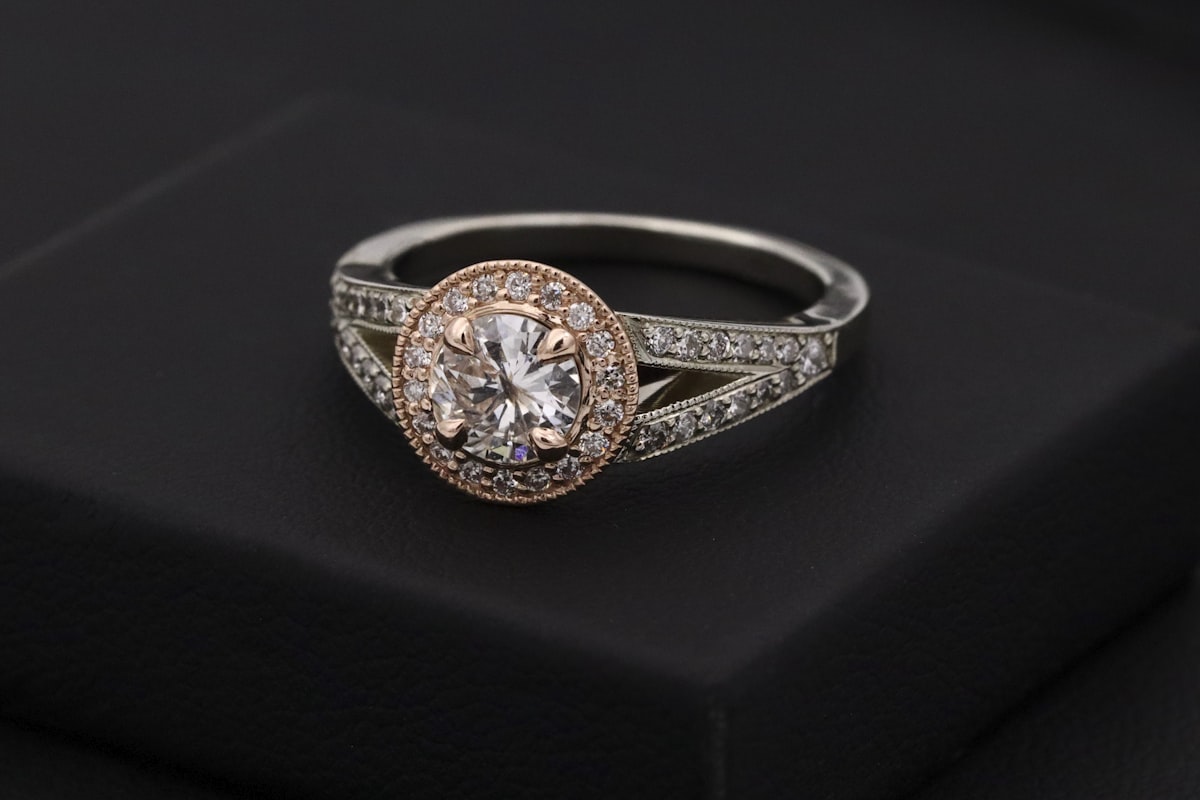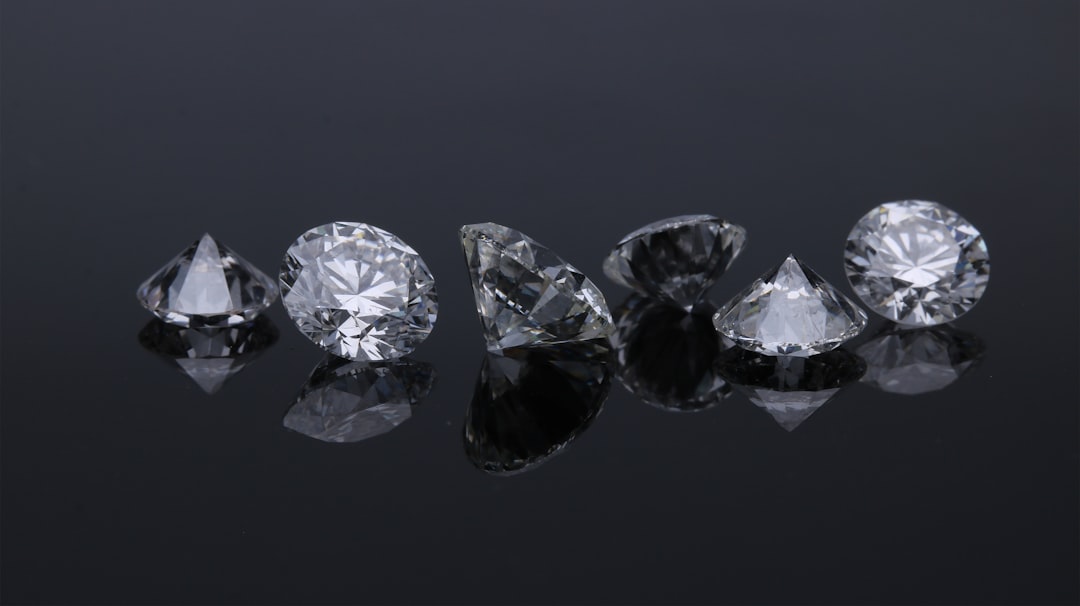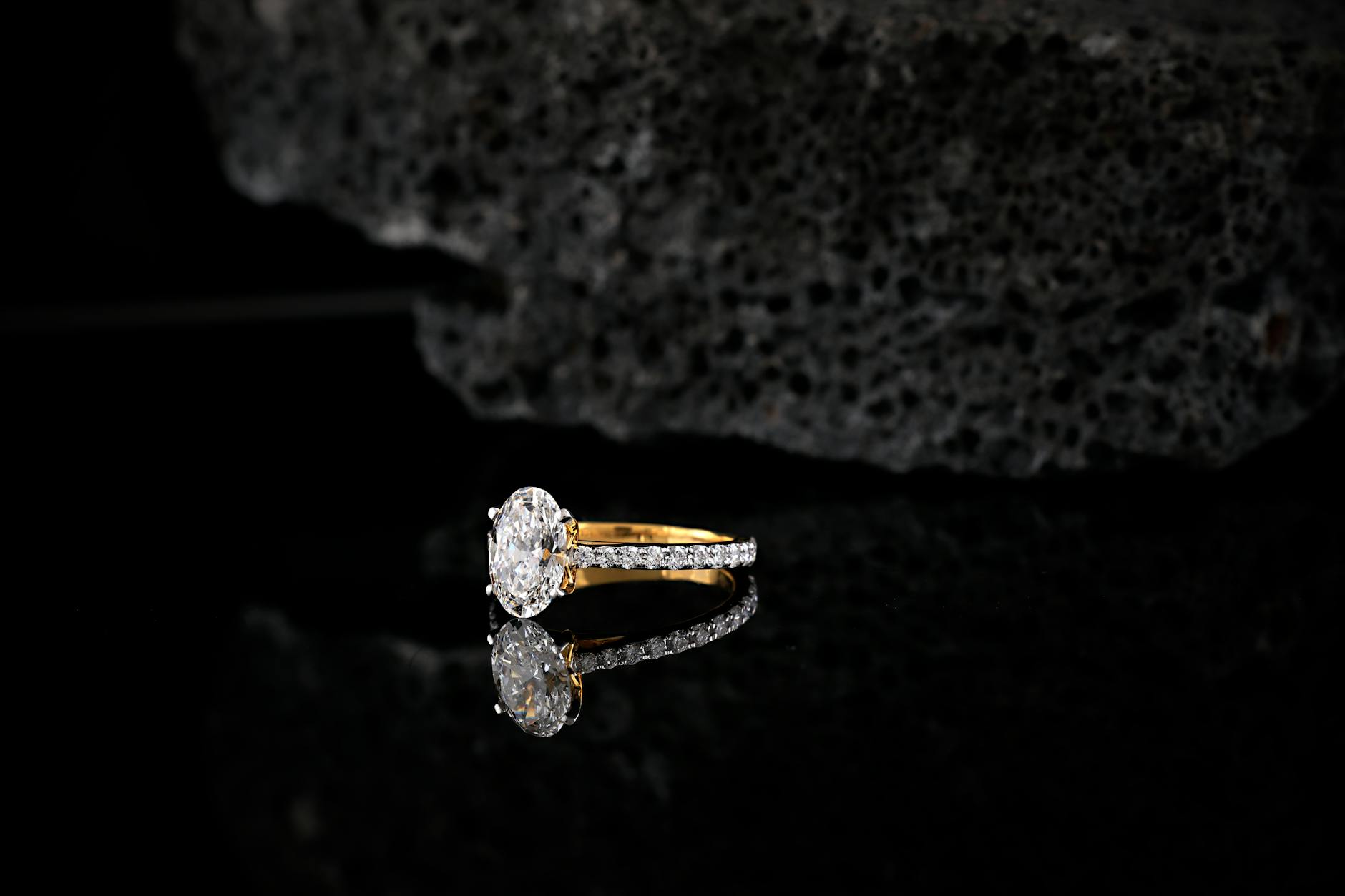
Walk into any jewellery store in India and ask to see a diamond, and you will be shown a stone, told its carat weight, perhaps shown a certificate, and given a price.
What you may not be told is why that specific combination of cut, colour, and clarity was chosen — and what changing any one of those factors would do to the price and the appearance of the stone.
The 4Cs framework, developed by the Gemological Institute of America (GIA), is the universal language for understanding exactly what you are buying.
Mastering it does not take a gemology degree — it takes about thirty minutes of focused reading.
Cut: The Only C That Determines Brilliance
Cut is the most important of the 4Cs, and it is the one that most buyers understand least.
It does not refer to the shape of the diamond (round, oval, pear, princess, emerald, cushion — those are shapes).
Cut refers to the quality of the faceting — how precisely the diamond's many flat surfaces (facets) are angled and proportioned to interact with light.
A diamond's brilliance — the white light that seems to come from within the stone — is entirely determined by its cut.
A perfectly cut diamond takes light entering from the top, bounces it off the internal facets, and returns it back out the top in a maximised, evenly distributed flash.
A poorly cut diamond lets light leak out from the sides or bottom: the stone looks dull and "glassy" regardless of how flawless or colourless it is.
GIA Cut Grades (Round Brilliant Only)
GIA grades the cut quality of round brilliant diamonds on a five-point scale:
- Excellent — Optimal light performance. Maximum brilliance and fire. The top grade; a small premium over Very Good but noticeably superior face-up.
- Very Good — Excellent light performance with minor trade-offs. Virtually indistinguishable from Excellent to the naked eye in most lighting conditions. Often the best value grade.
- Good — Good brilliance; some light leakage. Noticeably less scintillating than Very Good in side-by-side comparison. May be appropriate where budget is constrained and a larger carat is prioritised.
- Fair — Significant light leakage; stone appears noticeably dull. Not recommended for any meaningful purchase.
- Poor — Severe light leakage. Avoid entirely.
Never buy below GIA Very Good cut, and always prefer Excellent if your budget allows. A 1ct H/VS2 Excellent cut diamond will visually outperform a 1.2ct H/VS2 Good cut diamond every time — and the Good cut stone costs more for the extra carat weight. Prioritise cut above all other Cs.
Note: GIA only issues formal cut grades for round brilliant diamonds.
For fancy shapes (oval, cushion, pear, etc.), no standardised cut grade exists — you must examine the stone in person or rely on experienced dealer recommendations.
Colour: The D-to-Z Scale and the Indian Context
The GIA colour scale runs from D (completely colourless, the rarest and most valuable) to Z (light yellow).
The scale is counter-intuitive: you want a letter as close to D as possible for maximum "whiteness," but the price premium for D-E-F (colourless) stones is very steep relative to the visible difference.
The Colour Groups
- D, E, F (Colourless): True colourless diamonds. Under standardised grading conditions, even trained gemologists can barely distinguish D from E or F. The price premium is real and large — a D stone costs significantly more than an F stone of identical other characteristics. For most buyers, the premium is not worth it.
- G, H (Near Colourless): The sweet spot for most Indian buyers. A well-cut G or H stone faces up completely white in a ring — the trace warmth is not visible to an untrained eye in normal lighting and in a standard ring setting. Costs 20–35% less than equivalent D-F stones.
- I, J (Near Colourless): A slight warmth that is more visible, particularly in larger stones (above 1ct) and in white metal settings (white gold or platinum). In yellow gold settings, the warmth is masked by the gold colour. Good value, but inspect in person before buying above 0.75ct.
- K and below: Visible yellow tint. Some buyers choose K-M for vintage or antique-style settings in yellow gold, where the warmth is intentional. Not suitable for modern white-metal settings.
Metal Setting and Colour
The metal setting you choose significantly affects how a diamond's colour is perceived. A G-H diamond in a platinum or white gold setting faces up brilliantly white.
The same G-H diamond in a 22K yellow gold setting appears even whiter because the gold colour around it makes the stone look comparatively cooler.
This means: yellow gold buyers can go one step lower on colour without visible impact; white metal buyers should not go below H.
Clarity: The Inclusion Story
Clarity measures the presence of internal characteristics (inclusions) and external blemishes in a diamond. The GIA clarity scale has eleven grades:
- FL (Flawless) — No inclusions or blemishes under 10x magnification. Extraordinarily rare; collector's item level pricing. No practical benefit over IF for a ring stone.
- IF (Internally Flawless) — No inclusions under 10x; minor surface blemishes only. Still extremely rare and commands a significant premium over VVS1.
- VVS1, VVS2 (Very Very Slightly Included) — Tiny inclusions extremely difficult to detect even under 10x magnification. Completely invisible to the naked eye. The premium over VS1 is not visually justified for most buyers.
- VS1, VS2 (Very Slightly Included) — Minor inclusions visible under 10x but not to the naked eye. VS2 is an excellent practical clarity choice — eye-clean, well-documented, and priced reasonably relative to VVS.
- SI1, SI2 (Slightly Included) — Inclusions visible under 10x; SI1 is often eye-clean (no inclusions visible at arm's length under normal lighting); SI2 may have inclusions visible to a careful naked eye, depending on their position and type. SI1 eye-clean stones offer the best value for buyers comfortable with verifying "eye-clean" status in person.
- I1, I2, I3 (Included) — Inclusions visible to the naked eye. I1 can still be acceptable for small melee stones in pavé settings. I2 and I3 are not suitable for fine jewellery centre stones.
The Eye-Clean Concept
An "eye-clean" stone is one where no inclusions are visible when looking at the stone face-up at arm's length (approximately 25–30cm) in normal daylight or good indoor lighting, without magnification.
This is the practical test that matters for most buyers. You will not be wearing a loupe to look at your ring at a dinner party.
The eye-clean test determines how the stone actually appears in daily life. VS2 is almost always eye-clean.
Well-selected SI1 can be eye-clean. SI2 requires careful individual verification.
Carat: Weight, Size, and the "Magic Numbers" Effect
Carat is the easiest C to understand: it is the weight of the diamond. 1 carat = 0.2 grams.
But carat weight does not map linearly to visual size. A 1ct round diamond is approximately 6.5mm in diameter.
A 0.9ct round of identical proportions is approximately 6.2mm — a difference of 0.3mm that is essentially invisible in a ring without a side-by-side comparison.
However, there is a dramatic price difference.
Diamond pricing is structured around "magic numbers" — 0.5ct, 0.75ct, 1.0ct, 1.5ct, 2.0ct — where the price per carat jumps significantly at each threshold.
A 0.99ct diamond might be priced at ₹3.5 lakh while a 1.01ct stone of identical quality commands ₹4.5 lakh — a 30% difference for 0.02 grams.
This magic numbers effect offers a significant buying opportunity:
- A 0.90–0.95ct stone costs dramatically less than a 1.0ct stone and looks nearly identical in a ring.
- A 0.45–0.48ct stone costs much less than a 0.50ct stone with no visible size difference.
Putting the 4Cs Together: An Optimal Combination Matrix
| Budget Priority | Cut | Colour | Clarity | Carat Strategy |
|---|---|---|---|---|
| Maximum brilliance | Excellent (GIA) | G or H | VS2 | Size is secondary |
| Maximum size per rupee | Very Good minimum | I or J (yellow gold) | Eye-clean SI1 | Buy just below magic numbers |
| Best overall value | Excellent | G or H | VS2 or eye-clean SI1 | 0.90–0.95ct vs 1.0ct |
| White gold / platinum setting | Excellent | G or H (not below) | VS2 | Buy to budget after cut/colour |
| 22K yellow gold setting | Very Good or better | H, I or J acceptable | VS2 or eye-clean SI1 | I-J colour saves significantly |
| Investment / resale focus | Excellent | D–F | FL–VS1 | 1ct+ with GIA certificate |
The 4Cs are not just technical jargon — they are the vocabulary that lets you specify exactly what you want and verify that you have received it.
When a jeweller shows you a stone, ask to see the GIA certificate. Confirm the certificate number is laser-inscribed on the stone's girdle (visible under a loupe).
Ask to compare two stones of the same carat that differ in cut grade — the difference in brilliance will make the importance of cut immediately visible.
An informed buyer gets a better diamond for the same money. Every time.
More in Diamonds & Gemstones
Share this article
Our editorial team comprises jewellery industry veterans, certified gemmologists, and passionate writers with decades of combined experience across India's gold, diamond, and gemstone markets. Every article is researched, fact-checked, and written to help Indian buyers make smarter, safer jewellery decisions.
Passionate about jewellery and love to write? We'd love to hear from you.
Join us as a writer →Ready to buy? Find verified jewellers near you
Browse 10,000+ BIS hallmark certified jewellers across India. Compare ratings, check today's gold rate, and book a visit.
Keep Reading