The question "traditional or modern?" misses the real point.
In 2026, the most interesting jewellery choices in India are not about choosing a camp — they're about understanding both traditions and knowing when each serves you better.
Your grandmother's Kundan set and a contemporary solitaire aren't opposites. They're different tools for different expressions.
What "Traditional" Actually Means in Indian Jewellery
Indian traditional jewellery is not a single tradition — it's a collection of distinct regional craft traditions, each with its own techniques, materials, aesthetics, and cultural context.
Understanding the tradition you're drawn to makes buying decisions much clearer:
Kundan (Rajasthan, Delhi, Gujarat)
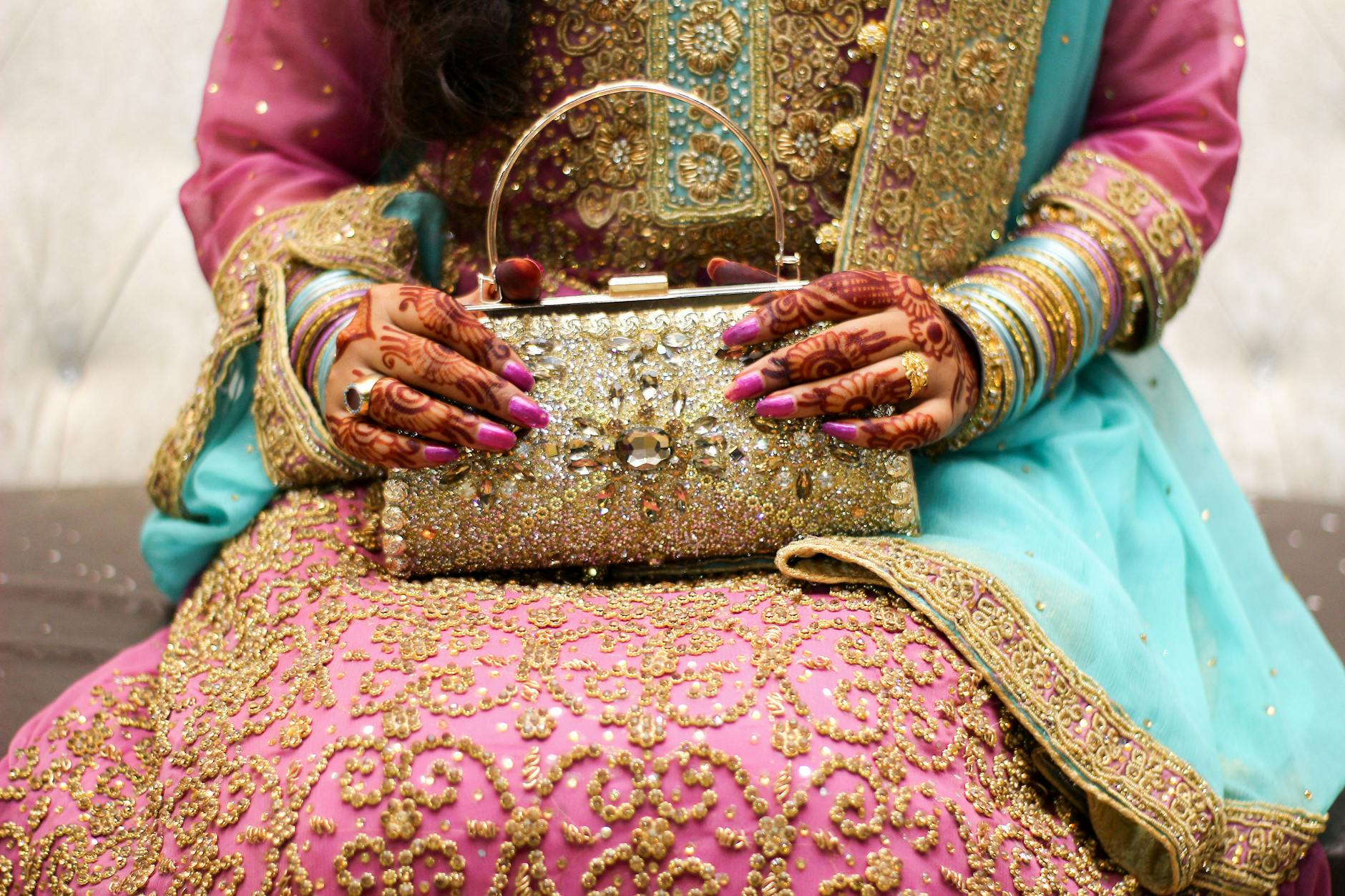
Kundan is pure gold foil (24K) pressed and burnished around uncut precious or semi-precious stones set in 22K gold frameworks.
The technique produces jewellery of extraordinary richness — deep yellows and reds, intricate stone layouts, and a handmade irregularity that machine-made jewellery cannot replicate.
Kundan is formal, ceremonial, and powerful in visual impact. It is not typically daily-wear jewellery.
Meenakari (Rajasthan)
Enamel work applied to the back of Kundan pieces (and sometimes the front), Meenakari uses powdered glass fused to gold through firing to create vivid colours — deep reds, peacock greens, and blues that have characterised Rajasthani jewellery for 500 years.
Pieces with meenakari reverses are sometimes considered the height of the craft because the "private" surface is as beautiful as the public one.
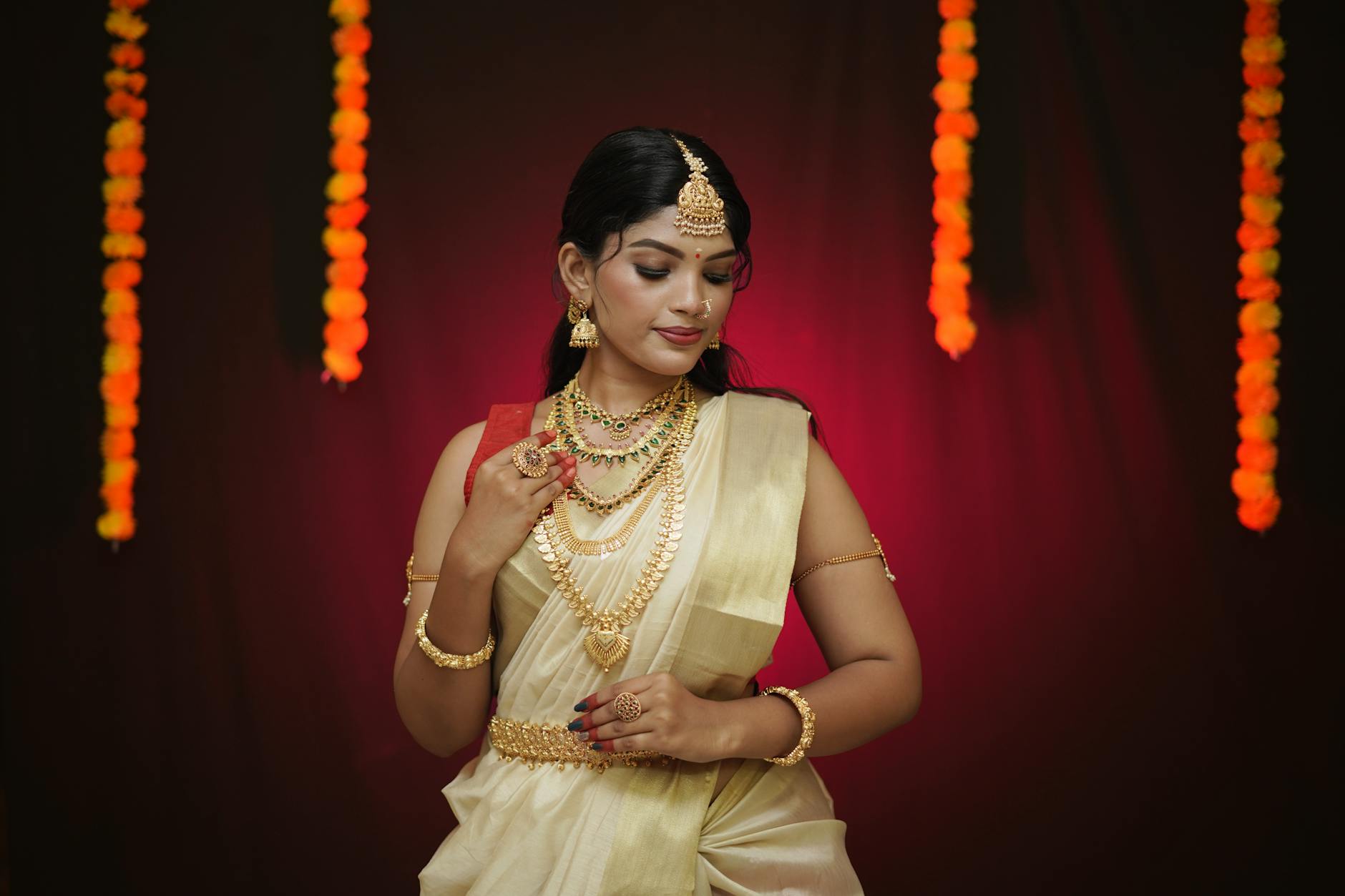
Temple Jewellery (South India — Tamil Nadu, Kerala, Andhra)
Heavy gold jewellery depicting deities, mythological scenes, and sacred motifs developed for temple use and then adopted for bridal jewellery.
Characterised by thick, weighty gold, dense repoussé work, and imagery that is both decorative and spiritually significant.
The long haaram (long necklace), vanki (armlet), and nethi chutti (forehead ornament) are classic temple jewellery forms.
Filigree (Cuttack, Karimnagar)
Extraordinarily fine silver or gold wire twisted, bent, and soldered into open, lace-like patterns without any filling metal.
Odisha's silver filigree (from Cuttack) is recognised with a GI tag.
Filigree work is delicate, lightweight, and intricate — closer to metallic lace than conventional jewellery.
Thewa (Pratapgarh, Rajasthan)
A unique technique where 23K gold sheets with intricate pierced designs are fused onto multicoloured glass.
The result is jewellery that combines gold work with the depth and colour of stained glass. Very regional, harder to find outside specialist stores, and deeply distinctive.
What "Modern" Means in Indian Jewellery Design
Contemporary Indian jewellery design is itself not a single aesthetic but several overlapping movements:
International Contemporary
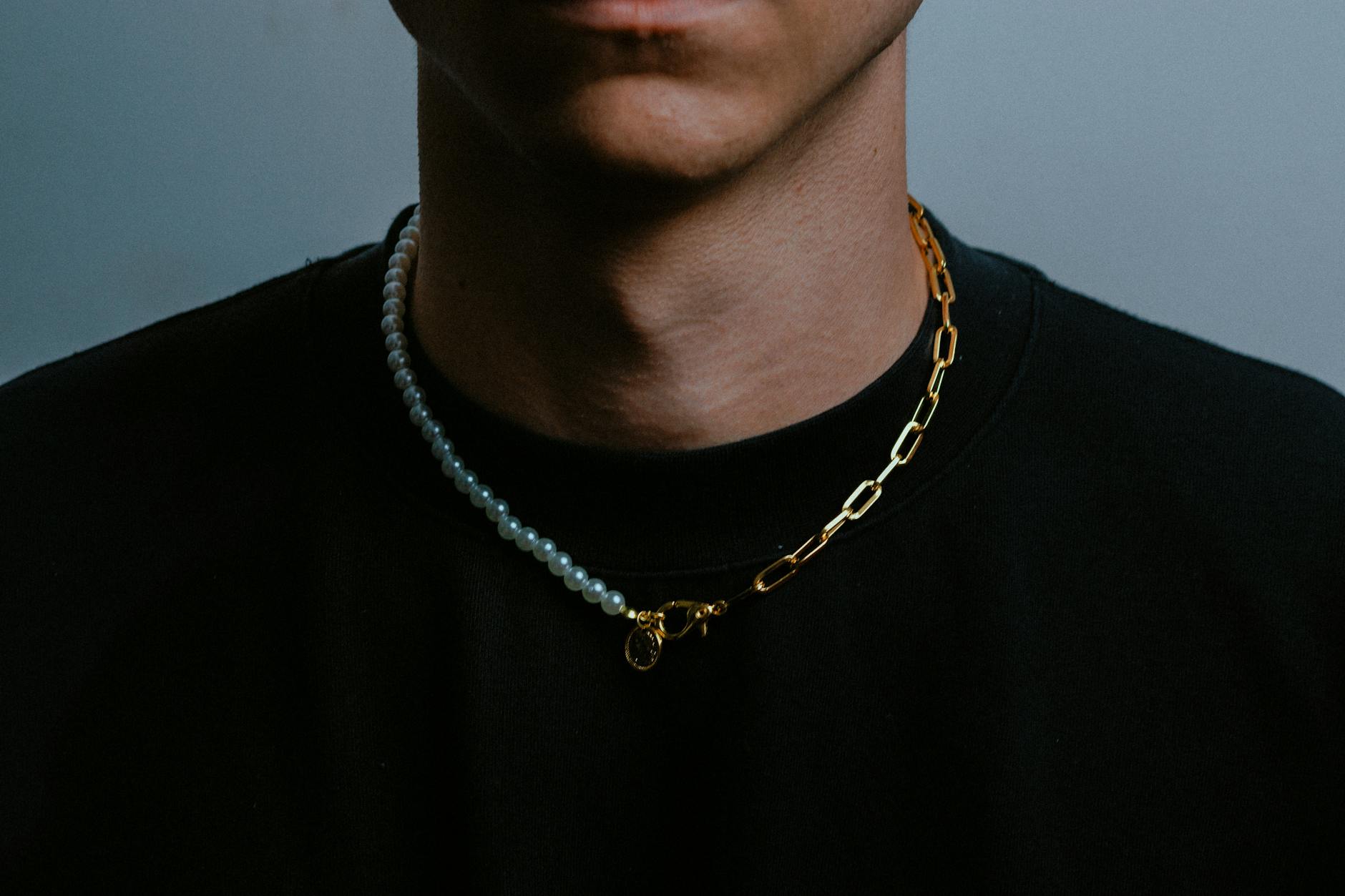
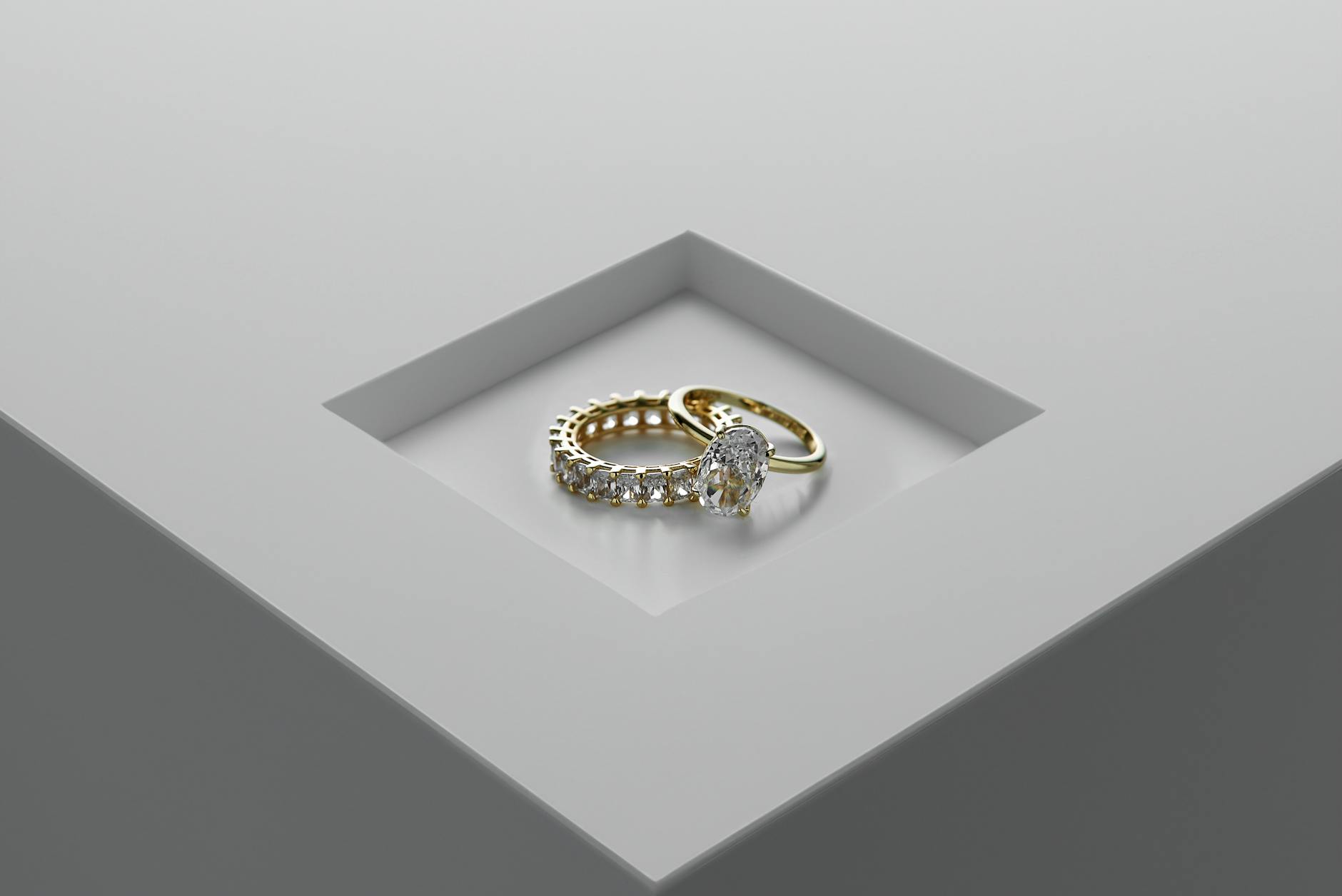
Clean lines, geometric forms, minimal ornamentation. Typically 18K white or yellow gold with certified diamonds.
Designed for the urban professional who wears jewellery daily to an office or international setting and needs pieces that work across contexts.
Think solitaire earrings, tennis bracelets, and minimal pendants.
Neo-Traditional
Traditional Indian motifs — the lotus, the peacock, the paisley — rendered in contemporary proportions and weights.
Lighter than genuine traditional jewellery, using 18K rather than 22K gold, with modern setting techniques that allow thinner profiles.
This is the fastest-growing aesthetic in India's jewellery market — Indian women who love traditional forms but need practicality in daily life.
Fusion / Statement
Deliberately cross-cultural: a Kundan-set stone in a contemporary ring setting; a traditional South Indian pendant on a modern minimal chain; an oxidised silver cuff with a Rajasthani motif.
This aesthetic is most visible on fashion weeks and in boutique designer ateliers. It requires confidence to wear well but creates the most conversation.
Handcrafted / Artisanal Revival
A growing movement toward supporting traditional craft techniques — not as museum pieces but as wearable jewellery in contemporary forms.
Designers working with Dhokra casters (from Bastar), with Karnataka's filigree makers, with Rajasthani Kundan artisans to produce pieces that are authentically handmade and culturally rooted, but designed for 2026 wearers.
This category overlaps with ethical fashion and heritage conservation.
Style Comparison: Traditional vs Contemporary at a Glance
| Aspect | Traditional (Kundan, Temple, Meenakari) | Contemporary / Minimal | Neo-Traditional (Fusion) |
|---|---|---|---|
| Metal purity | 22K or 24K gold foil | 18K or 14K gold | 18K gold with traditional motifs |
| Weight | Heavy — 50–300+ grams for full sets | Light — 5–30 grams typical | Medium — 15–60 grams |
| Occasion | Weddings, festivals, ceremonies | Daily office/casual wear | Weddings + parties + casual |
| Price range | ₹50,000–₹25,00,000+ | ₹5,000–₹3,00,000 | ₹15,000–₹5,00,000 |
| Longevity of style | Timeless — 200+ year traditions | Trends shift every 5–8 years | Evolving but rooted |
| Resale value | High (gold weight + craft premium) | Moderate (gold weight only) | Moderate-high |
| Best jewellers | Heritage stores, Karol Bagh, Zaveri Bazaar | National chains, CaratLane | Designer boutiques, South Extension |
How to Find Your Jewellery Style: A Framework
The Occasion Test
Be brutally honest about when you'll wear the piece.
A gorgeous heavy traditional Polki necklace that only leaves the locker for one wedding every two years has a very different value proposition than a contemporary pendant you wear every day.
If the answer is "mostly for weddings and special occasions": traditional and neo-traditional designs are appropriate — weight and opulence are suited to formal occasions.
If the answer is "everyday or work wear": contemporary, minimal, or lightweight neo-traditional is more practical — and more likely to actually be enjoyed.
The Longevity Test
How will you feel about this piece in 10 years?
Classic traditional designs — a well-made Kundan set, a fine temple jewellery haaram, a beautifully wrought filigree bangle — tend to age beautifully because they're rooted in established aesthetics that don't go out of fashion.
Ultra-trendy contemporary designs (geometric ear cuffs, asymmetric avant-garde pieces) can feel dated within 5 years.
The longevity test usually favours either classic traditional or timeless minimal contemporary — not fashion-forward "statement" pieces that are strongly of-the-moment.
The Authenticity Test
Wear what feels true to you, not what you think you should want.
If your wardrobe is almost entirely Western and you rarely wear Indian ethnic clothing, buying heavy traditional jewellery "because it's culturally appropriate" is unlikely to produce pieces you wear or love.
Conversely, if you're deeply rooted in your regional tradition and wear sarees regularly, forcing yourself toward minimalist contemporary jewellery because it looks sophisticated feels hollow.
The best jewellery in your collection will be pieces that feel like they belong to who you actually are, not who you aspire to be on special occasions.
Building a Jewellery Wardrobe: The Complementary Approach
The most sophisticated jewellery collectors in India don't choose between traditional and modern — they build a collection that serves different purposes:
🏺 Heirloom Layer
1–2 significant traditional pieces — Kundan set, polki necklace, or regional craft. Worn rarely, treasured always. Budget: ₹1,00,000+
🎊 Occasion Layer
Neo-traditional or mid-weight pieces for weddings and festivals. Versatile enough for multiple occasions. Budget: ₹30,000–₹3,00,000
⌚ Daily Layer
Lightweight contemporary pieces — solitaire studs, a slim chain, minimal ring. Worn every day, chosen for comfort. Budget: ₹5,000–₹80,000
✨ Statement Layer
1–2 bold conversation pieces that express your personal aesthetic — a sculptural ring, chandelier earrings, a dramatic cuff. Budget: ₹15,000–₹2,00,000
- 1–2 heirloom traditional pieces: A family piece inherited or bought for a wedding; worn rarely but treasured. Could be polki, Kundan, temple jewellery, or regional craft.
- A versatile set for Indian occasions: Neo-traditional or mid-weight traditional pieces that work for weddings, festivals, and family functions without requiring a full bridal treatment.
- Everyday contemporary pieces: Solitaire studs, a delicate chain, a slim gold bangle, a minimal ring. Worn daily; selected for comfort, durability, and timelessness.
- Statement piece(s): One or two pieces that express a design sensibility — a bold ring, a distinctive pair of earrings, a cuff that starts conversations.
This wardrobe approach removes the false binary.
You don't need to "choose a side" — you need different jewellery for different contexts, and a well-built collection serves every occasion authentically.
Current Trends Worth Knowing (Without Being Enslaved to Them)
For 2026, the Indian jewellery market is seeing:
- Rose gold settling into mainstream — no longer trendy, it's an established option alongside yellow and white gold
- Oversized statement earrings returning — inspired by vintage Indian forms; chandbalis and jhumkas having a moment in contemporary interpretations
- Layered necklace stacking — multiple delicate chains worn together; requires careful balance but creates a rich effect
- Coloured gemstones gaining over diamonds — rubies, sapphires, and emeralds in yellow gold settings; a reaction to diamond market oversaturation
- Sustainable and ethical sourcing conversations — younger buyers increasingly asking about craft origin and artisan conditions
Trends are useful as context, not as directives.
The piece you'll treasure longest is the one you bought because it spoke to you — not because it was appearing on Instagram feeds in that particular season.
Use JewellersinCity to find jewellers across India who specialise in the style you're drawn to — filter by traditional, contemporary, or bridal categories, and browse verified stores by city to find your perfect match.
More in Trends & Styles
Share this article
Our editorial team comprises jewellery industry veterans, certified gemmologists, and passionate writers with decades of combined experience across India's gold, diamond, and gemstone markets. Every article is researched, fact-checked, and written to help Indian buyers make smarter, safer jewellery decisions.
Passionate about jewellery and love to write? We'd love to hear from you.
Join us as a writer →Ready to buy? Find verified jewellers near you
Browse 10,000+ BIS hallmark certified jewellers across India. Compare ratings, check today's gold rate, and book a visit.
Keep Reading