Indian men's gold jewellery has expanded substantially over the past two decades — from minimal traditional pieces to substantial chain collections. From simple wedding bands to heavy ornate chains that double as wealth storage, the options today are diverse. This 2026 guide walks through every popular style with weight ranges, pricing, regional preferences and sourcing tips.
The popular men's chain styles
Five styles dominate the Indian men's gold chain market:
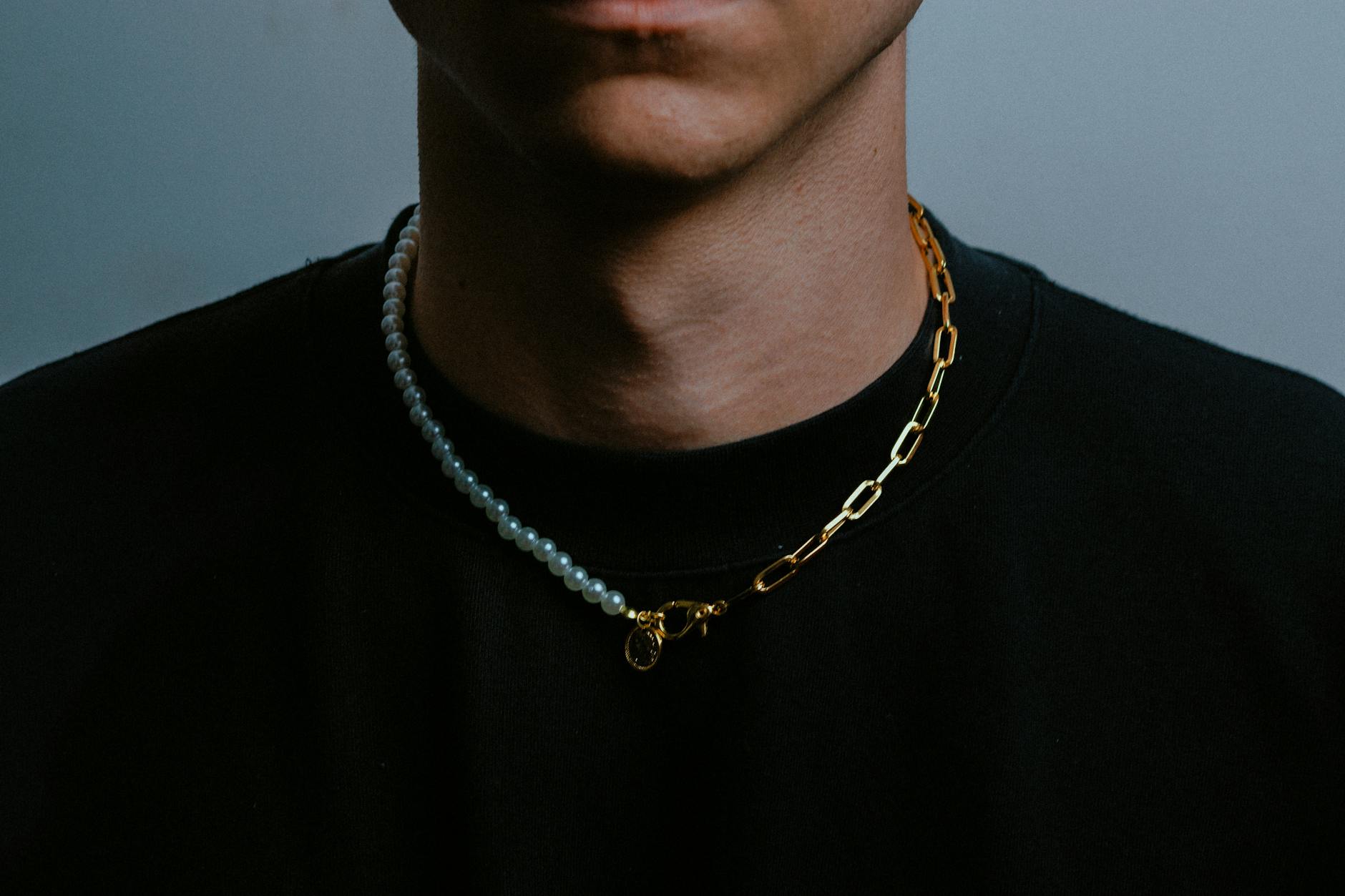
- Cuban link: chunky, rectangular interlocking links. 15–80g typical. The most popular globally and increasingly in India. Bold, masculine appearance. Best for: statement and party wear; formal-event accessory.
- Snake chain: smooth, flexible, polished surface. 5–25g typical. Slim, professional look — work-appropriate. Best for: daily office wear; under-shirt minimal styling.
- Rope chain: twisted strand pattern, visually rich. 8–40g. Versatile from casual to formal. Best for: festive occasions; wedding accessory.
- Box chain: square-link pattern, crisp geometry. 6–30g. Casual to dressy. Best for: contemporary masculine styling.
- Curb chain: flat alternating links. 8–45g. Classic Indian style. Best for: traditional pieces; pendant-mounting (especially religious pendants).
Weight ranges by purpose
Match the chain weight to the occasion:
- Daily/office wear: 5–15g chain. Subtle, professional. Worn under shirt for minimal visibility.
- Wedding/formal occasions: 15–40g chain alongside a heavier kada (15–50g) and ring. Visible piece for groom.
- Statement (party/festival): 30–80g chain. Visible, ornate, often paired with multiple chains layered.
- Investment / wealth storage: 50–100g+ chain. The chain weight itself is the wealth — minimal making charge keeps resale value high.
22K vs 18K for men's chains
The choice between 22K and 18K depends on use:
- 22K (916 hallmark): traditional, most common in India. Higher gold value. Slightly softer — corners may dull faster. Yellow-gold tone.
- 18K (750 hallmark): harder, more durable, slightly cheaper per gram. Whiter or warmer-yellow tone. Better for daily-wear chains with frequent skin contact.
- 14K (585 hallmark): minimal Indian use; less cultural value despite excellent durability. Mostly used in Western fashion-influenced pieces.
For deeper karat comparison, see our karat education post. For office wear with frequent removal/return, 18K is recommended for durability. For pure investment value in chain form, 22K wins.
Pricing
At today's 22K rate of ₹13,628/g (using standard pricing formula):
- Daily-wear 22K chain (8g): ~₹1.2–1.8 lakh.
- Wedding 22K chain (20g): ~₹3–3.5 lakh.
- Statement 22K chain (40g): ~₹6–9 lakh.
- Investment 22K chain (80g): ~₹12–18 lakh.
- 18K equivalents: roughly 80% of 22K cost.
- Hand-made traditional designs (kada with engraving): premium 5–10% over machine-made.
Indian regional preferences
Different regions have distinct men's chain traditions:
- Punjabi/Haryanvi: heavy kada (rigid bracelet 15–50g) alongside chain. Sikh men wear iron kara as religious symbol but gold version among non-Sikh Punjabi.
- Tamil: lighter chains (5–15g), often with religious pendants (Murugan, Lakshmi). Daily-wear focus.
- Bengali: simple gold chains for everyday; heavier ornament for groom (15–25g).
- Marwari/Gujarati: heavier chains and rings — investment-focused.
- Modern urban: Western styles increasingly common; Cuban link dominant.
- South Indian Christian: often pair gold chain with cross pendant (1–5g cross, 5–15g chain).
Pendants for men
Common pendant types:
- Religious symbols: Om, Ganesha, Shiva, Allah, Cross, Ek Onkar — universally popular across Indian communities.
- Family symbol: name letters, family crest, monograms.
- Statement pieces: lion, eagle, bold animals — modern Western influence.
- Coin pendants: gold sovereigns, commemorative coins, antique coins. Add investment value.
- Birthstone or precious stone pendants: single ruby/emerald/sapphire — combines investment + style.
Care for men's chains
Specific care for daily-wear pieces:
- Daily wear under shirt collar — minimal sweat exposure.
- Remove at gym/exercise — sweat oxidises alloy metals.
- Avoid swimming pools — chlorine pits gold surfaces.
- Annual polish for daily-wear pieces (₹100–500).
- Store statement pieces in airtight bags between uses.
- Routine home cleaning every 4–6 weeks.
Where to buy
Sourcing options for Indian men:
- National chains (Tanishq, Kalyan, Malabar): have dedicated men's collections. Wide style range, BIS-certified, brand assurance. Higher making charges but warranty + service.
- Local jewellers in your tehsil: can custom-craft to specific weight and design. 3–8% lower making charges than chains. Browse our directory for verified local options.
- Online platforms (Caratlane, Bluestone): contemporary designs at competitive prices. Lighter weight pieces best suited for online buying.
- For investment-grade chains (50g+): prefer chains with provenance guarantee — major chain brand or established local jeweller with BIS license verifiable on the official portal.
The 2026 trends in men's gold
Five trends shaping the market:
- Rising demand for 18K white gold chains among urban professionals — modern aesthetic.
- Cuban link replacing curb chain as the dominant statement style.
- Single-pendant chains (religious symbol or solitaire stone) gaining over multi-charm necklaces.
- Investment-focused buyers shifting from heavy chains to SGBs and gold ETFs — better tax efficiency.
- Bridal grooms wearing heavier matching pieces (chain + kada + ring) for the wedding ceremony — the "groom's gold trousseau" concept emerging.
Authoritative references
For BIS hallmarking standards on men's chains: bis.gov.in. For today's IBJA gold rate against which to verify quotes. For verified BIS-licensed jewellers across Indian states and tehsils: our JewellersInCity directory.
Sourcing tips for bulk men's gold investment
If buying men's gold chain primarily as wealth storage, three sourcing tactics save 5–15%:
- Buy off-festival. Avoid Akshaya Tritiya, Dhanteras, Pushya Nakshatra peaks. June-August quiet months save 1–2% on retail margins.
- Bundle weight in fewer pieces. A single 80g chain has lower making cost than four 20g chains because making charges scale with complexity, not weight.
- Negotiate making charges below 12% for plain chains. Most jewellers start at 15%+ but reduce 2–3 percentage points on bundled bulk orders.
For investment-grade chain over 100g, also consider comparing with Sovereign Gold Bonds. SGBs deliver gold price exposure with 2.5% annual interest and tax-free maturity gains — substantially better risk-adjusted returns than chain storage. The cultural and aesthetic role of physical chain is real, but for pure wealth-storage component, SGB wins.
Bottom line
Match the chain to the use case — light snake for office, Cuban for statement, heavy chain + kada for groom's wedding ensemble. Choose 22K for cultural and investment value; 18K for daily durability. Verify HUID via BIS Care app on every piece. For investment-grade chains over 50g, source from established chains with brand provenance. Local jewellers offer 3–8% savings on making charges with custom design flexibility.
More in Trends & Styles
Share this article
Our editorial team comprises jewellery industry veterans, certified gemmologists, and passionate writers with decades of combined experience across India's gold, diamond, and gemstone markets. Every article is researched, fact-checked, and written to help Indian buyers make smarter, safer jewellery decisions.
Passionate about jewellery and love to write? We'd love to hear from you.
Join us as a writer →Ready to buy? Find verified jewellers near you
Browse 10,000+ BIS hallmark certified jewellers across India. Compare ratings, check today's gold rate, and book a visit.
Keep Reading