Karva Chauth is one of North India's most emotionally significant festivals — a day when married women fast from sunrise to moonrise for the health and longevity of their husbands. Jewellery is inseparable from the occasion: the pieces a woman wears, the ornaments her husband gifts, and the symbols of marriage she displays all carry deep meaning on this day. This guide covers every aspect of Karva Chauth jewellery tradition — from what to wear, what to gift, and how regional customs differ across India.
Why Jewellery is Central to Karva Chauth
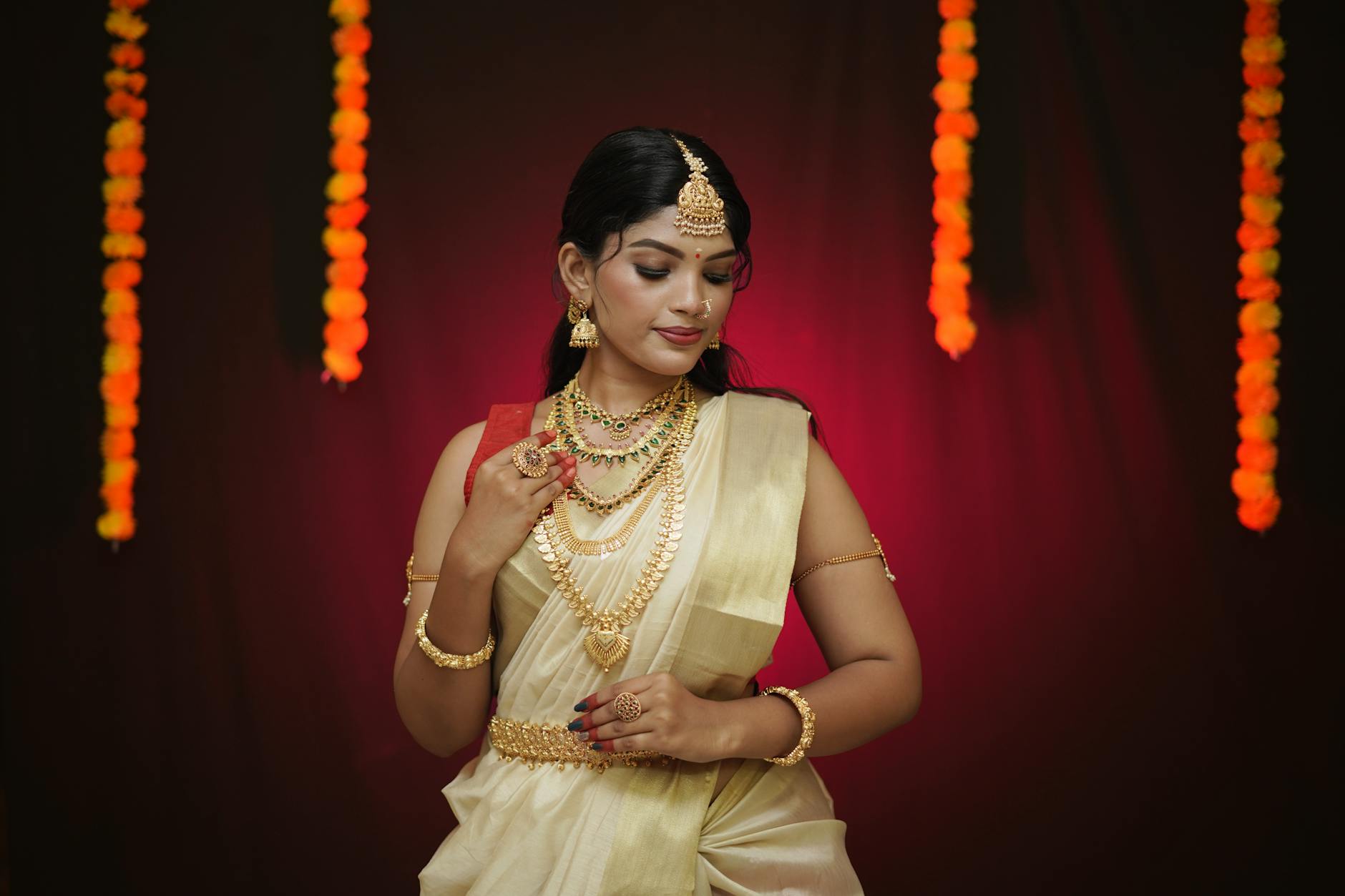
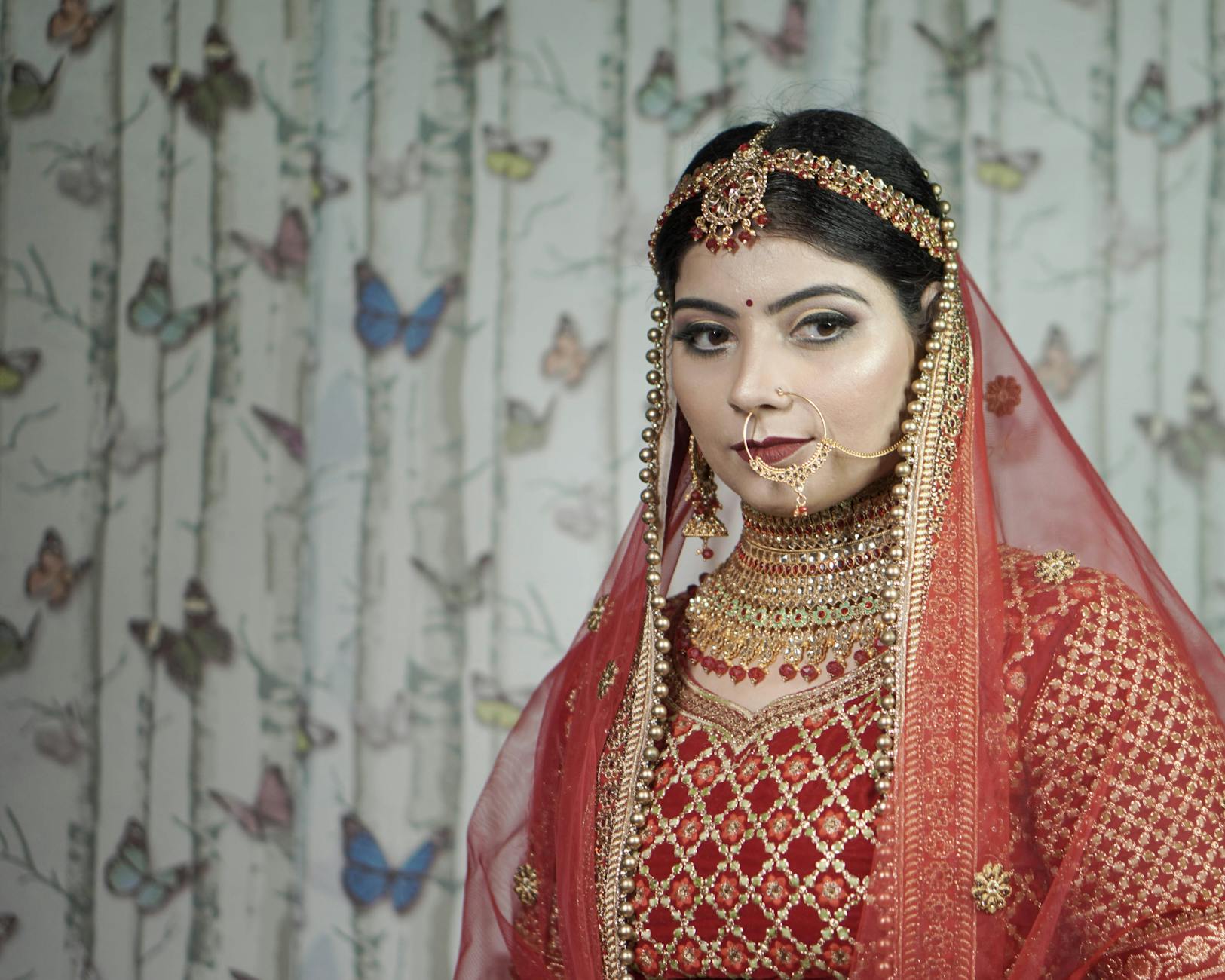
In Hindu tradition, a married woman's jewellery is not merely decorative — it is Saubhagya (auspicious married state). The Mangalsutra, Sindoor, Chooda, Payal, and Bichiya are collectively called Solah Shringar (sixteen adornments) of a married woman, each representing an aspect of marital felicity and the wife's prayer for her husband's long life. On Karva Chauth, when the central prayer is precisely for the husband's longevity, wearing these symbols has heightened spiritual significance.
Additionally, Karva Chauth has become an occasion when husbands express their love and gratitude through jewellery gifts — a tradition growing strongly in urban India, driven by both genuine sentiment and the aspirational gifting culture portrayed in Bollywood films.
Traditional Pieces Worn on Karva Chauth
Mangalsutra — The Central Symbol
No piece of jewellery is more central to Karva Chauth than the Mangalsutra. This sacred necklace — tied by the groom at the wedding and worn by the wife throughout married life — is the primary symbol of marriage in Hindu tradition, particularly in North and West India. On Karva Chauth, women wear their best Mangalsutra, and husbands often gift upgraded or new Mangalsutras as the most auspicious possible gift for this occasion.
Mangalsutra styles vary by region: the North Indian style features two gold pendants (often cylindrical, called "vati") on a black bead chain with gold beads; the Maharashtrian Tanmaniya is a single flat diamond-shaped pendant on a delicate black bead chain; the Gujarati version tends to be longer with more elaborate pendant work. Modern designs by brands like Tanishq and BlueStone include minimalist single-strand versions with small solitaire diamonds, popular with working women.
Sindoor Maang Tikka
The Maang Tikka — a forehead ornament positioned on the hair parting — takes on special significance on Karva Chauth as it frames the Sindoor (vermilion) applied in the parting, another primary Saubhagya symbol. Traditional Maang Tikkas feature gold settings with kundan, polki, or ruby stones. Contemporary styles lean towards diamond solitaire tikkas or simple gold chain tikkas. On Karva Chauth evening, when women dress in their finest for the moonrise ritual, a matching Tikka completes the look.
Chooda — Bangles of Marriage
In Punjab and Haryana, married women traditionally wear Chooda — sets of red and white glass bangles given at the wedding that are worn continuously for weeks or months. On Karva Chauth, gold bangles are often added alongside or in place of the glass Chooda. The bangles' sound (chankana) as women perform the puja rituals is considered auspicious. Gold bangle pairs, sets of four, or elaborate Kangan (wider bangles with embossed designs) are among the most popular Karva Chauth gifts from husbands in Punjab and Haryana.
Payal — Silver Anklets
Silver anklets (Payal or Pajeb) are worn by married women on auspicious occasions. The gentle tinkling sound of Payal is considered auspicious in Hindu tradition. On Karva Chauth, a woman may choose to wear her finest Payal — often a heavier, more ornate pair than for daily wear. Silver is always preferred for Payal in North Indian tradition — gold is considered inappropriate for ornaments worn below the waist.
Bichiya — Toe Rings
Silver toe rings (Bichiya or Bichua) are worn by married women on both second toes in most North Indian Hindu communities. They may be worn continuously after marriage or only on auspicious occasions. On Karva Chauth, wearing Bichiya is part of the complete Solah Shringar that women observe for the puja.
What Husbands Gift on Karva Chauth — Budget Guide
The tradition of husbands gifting jewellery to their wives on Karva Chauth has grown significantly over the past decade. Gold jewellery is the most auspicious gift. Below is a practical guide by budget.
| Budget | Best Gift Options | Notes |
|---|---|---|
| ₹5,000–₹15,000 | Small gold pendant, gold earrings (0.5–1.5g), silver Payal set | Good for early career couples |
| ₹15,000–₹50,000 | Gold bangle pair (2–5g each), modern Mangalsutra, diamond earrings | Most popular urban price point |
| ₹50,000–₹2,00,000 | Statement necklace, diamond pendant solitaire, gold Kangan set | Premium gifting |
| ₹2,00,000+ | Polki or kundan set, diamond Mangalsutra upgrade, custom piece | Luxury / milestone KC |
💡 Pro Tip
If you want to gift jewellery for Karva Chauth but are unsure of sizing (bangle size, ring size), choose a pendant or earrings — they require no sizing. Alternatively, shop together at the jewellery store in the week before Karva Chauth and let her choose — the shopping experience itself becomes part of the celebration. Many couples now treat pre-KC jewellery shopping as a romantic outing.
Mangalsutra Evolution — Traditional to Contemporary
The Mangalsutra has undergone a remarkable transformation over the past decade, driven by urban working women who want to wear their sacred symbol without it being too conspicuous at the workplace or in formal settings.
Traditional Mangalsutras: thick black bead chains (often 18 inches or longer), multiple strands, large gold pendants, sometimes with ruby or emerald accents. Weight: 8–20g+ of gold. Very visible. A statement of married status.
Modern Mangalsutras: single thin chain (sometimes yellow gold, sometimes rose gold, sometimes a simple black bead string), with a small pendant — often a solitaire diamond, a simple infinity symbol, or a minimalist leaf shape. Total gold weight: 1–4g. Barely distinguishable from regular necklaces. Offered by Tanishq (their "Tanishq Mangalsutra" line), BlueStone, and CaratLane in many contemporary designs.
Karva Chauth has become a popular occasion for husbands to gift the upgrade from a traditional to a contemporary Mangalsutra — maintaining the sacred meaning while updating the style to better suit modern lives.
Regional Variations in Karva Chauth Traditions
Punjab and Haryana
The most elaborate KC traditions. Women dress in bridal-level finery — often a red or pink salwar-kameez or saree, full Solah Shringar, and their complete bridal jewellery set if possible. Chooda bangles are central. Husbands gifting gold jewellery is highly expected culturally in these states. KC in Delhi (heavily Punjabi-influenced) follows similar patterns.
Uttar Pradesh and Bihar
Karva Chauth is observed but is generally less elaborate than in Punjab/Haryana. The focus is more on the religious ritual — the fast, the puja, the moonrise sighting — and less on elaborate gifting. Traditional gold jewellery worn by the wife takes precedence; extravagant new gifts are less expected but increasingly practised in urban UP cities like Lucknow, Kanpur, and Varanasi.
Rajasthan
Rajasthani women observe Karva Chauth with strong ties to local jewellery traditions — Kundankari, Meenakari, and Jadau pieces are worn. The Rakhri (a head ornament) and Borla (forehead ornament) are characteristically Rajasthani additions to the KC look. Rajput women from noble families may wear heirloom polki pieces on this occasion.
Mehendi and Jewellery Coordination
Many women apply Mehendi (henna) on Karva Chauth, traditionally on the day before or morning of the fast. When planning jewellery, consider that Mehendi requires the hands and wrists to remain relatively still while drying — typically 2–4 hours. Remove bangle sets before applying Mehendi and wear them after the Mehendi has fully dried and been cleaned off. Rings should also be removed before application. Heavy chandelier earrings are fine since they don't interfere with Mehendi application.
Shopping for Karva Chauth Jewellery
KC falls in the October–November period (this year, typically 10–14 days after Navratri ends). Start shopping 1–2 weeks before the festival for the best selection — jewellery stores in North India are extremely busy in the week before KC and may run short of popular designs. Custom orders for engraved or personalised pieces need at least 3–4 weeks lead time.
⚠️ Pricing Alert: Festival Premiums
Many jewellers increase making charges during the KC-Diwali-Dhanteras period (October–November), India's peak jewellery buying season. Making charges may be 10–20% higher than during lean months. If your budget is tight, consider buying in September or planning ahead. Gold rates themselves fluctuate with market conditions — they are the same throughout the year at any given spot price, but fabricated jewellery may cost more due to higher making charges during festivals.
Frequently Asked Questions
What is the most auspicious gift for a wife on Karva Chauth?
Gold jewellery is the most auspicious gift in Hindu tradition. Among gold pieces, the Mangalsutra holds the greatest symbolic significance for KC since it directly represents the husband's commitment and the marriage bond that the wife is fasting to protect. A new or upgraded Mangalsutra as a Karva Chauth gift is deeply meaningful. Gold bangles are the second most auspicious choice, followed by any gold jewellery in the wife's preferred style.
Is gifting a Mangalsutra only for the husband?
Traditionally, the Mangalsutra is tied by the husband during the wedding ceremony and may be gifted by the husband on significant occasions like anniversaries and Karva Chauth. However, mothers and mothers-in-law sometimes gift Mangalsutra upgrades as blessings on these occasions. The key symbolic point is that it comes from the husband's family as an expression of the marital bond.
Can non-Hindu women observe Karva Chauth and wear the associated jewellery?
Karva Chauth is a Hindu religious tradition with specific spiritual meaning. The jewellery associated with it — Mangalsutra, Sindoor, Bichiya — are specifically Hindu matrimonial symbols. Interfaith couples may choose to observe the spirit of the occasion while adapting the jewellery choices to their own tradition and comfort level. The cultural celebration aspect of KC (dressing beautifully, celebrating love) is widely shared in India today across communities.
More in Trends & Styles
Share this article
Our editorial team comprises jewellery industry veterans, certified gemmologists, and passionate writers with decades of combined experience across India's gold, diamond, and gemstone markets. Every article is researched, fact-checked, and written to help Indian buyers make smarter, safer jewellery decisions.
Passionate about jewellery and love to write? We'd love to hear from you.
Join us as a writer →Ready to buy? Find verified jewellers near you
Browse 10,000+ BIS hallmark certified jewellers across India. Compare ratings, check today's gold rate, and book a visit.
Keep Reading