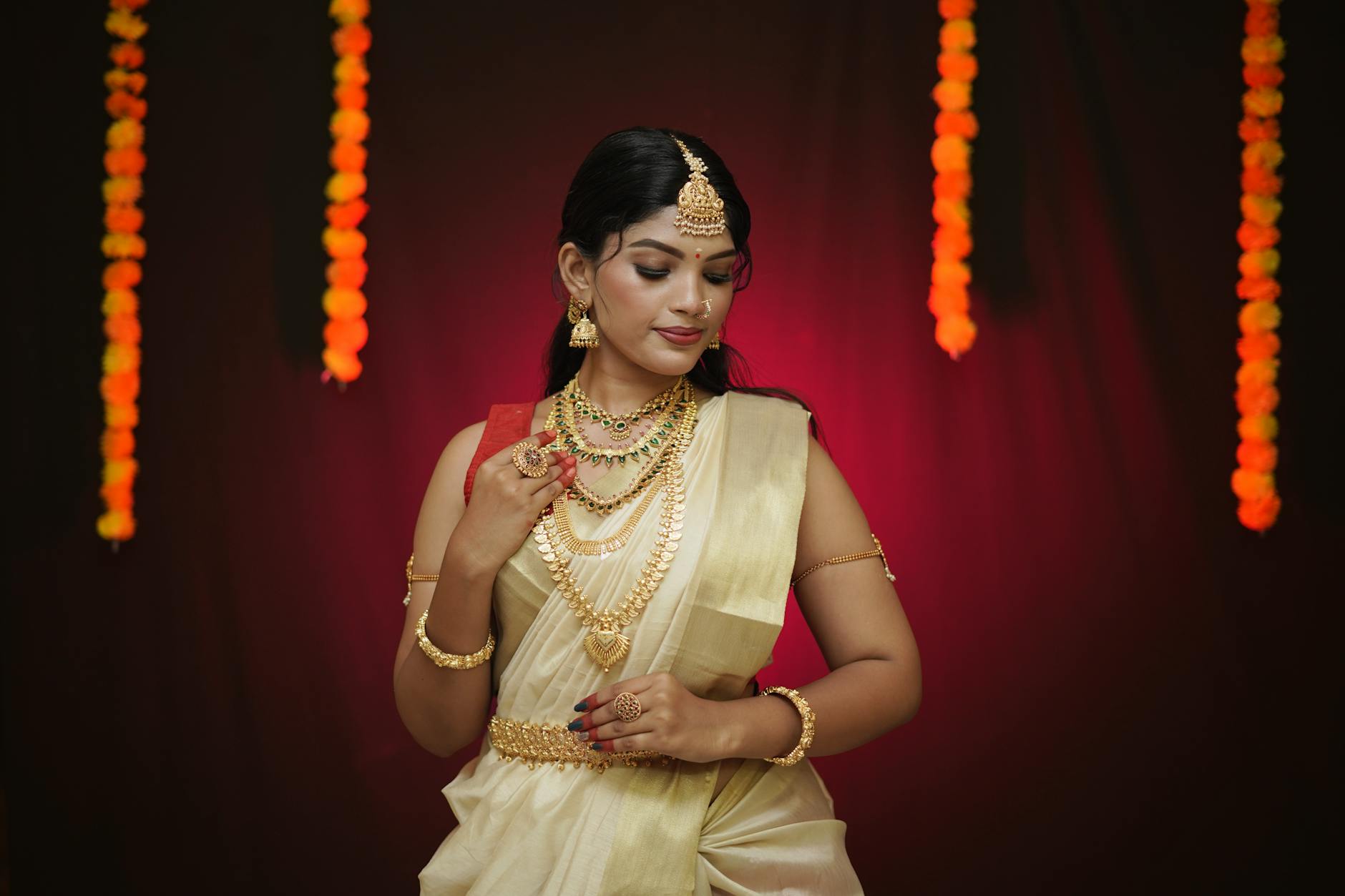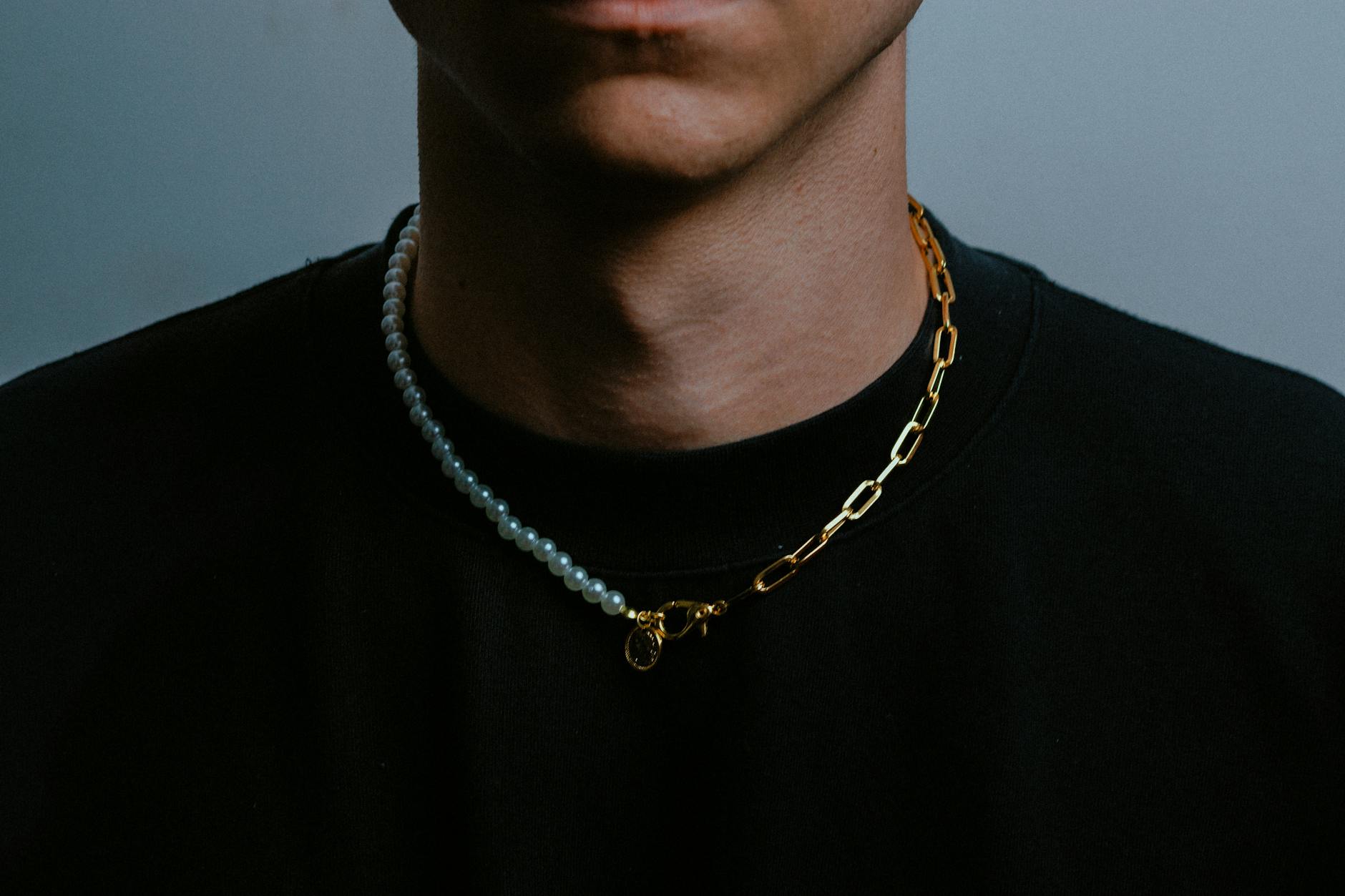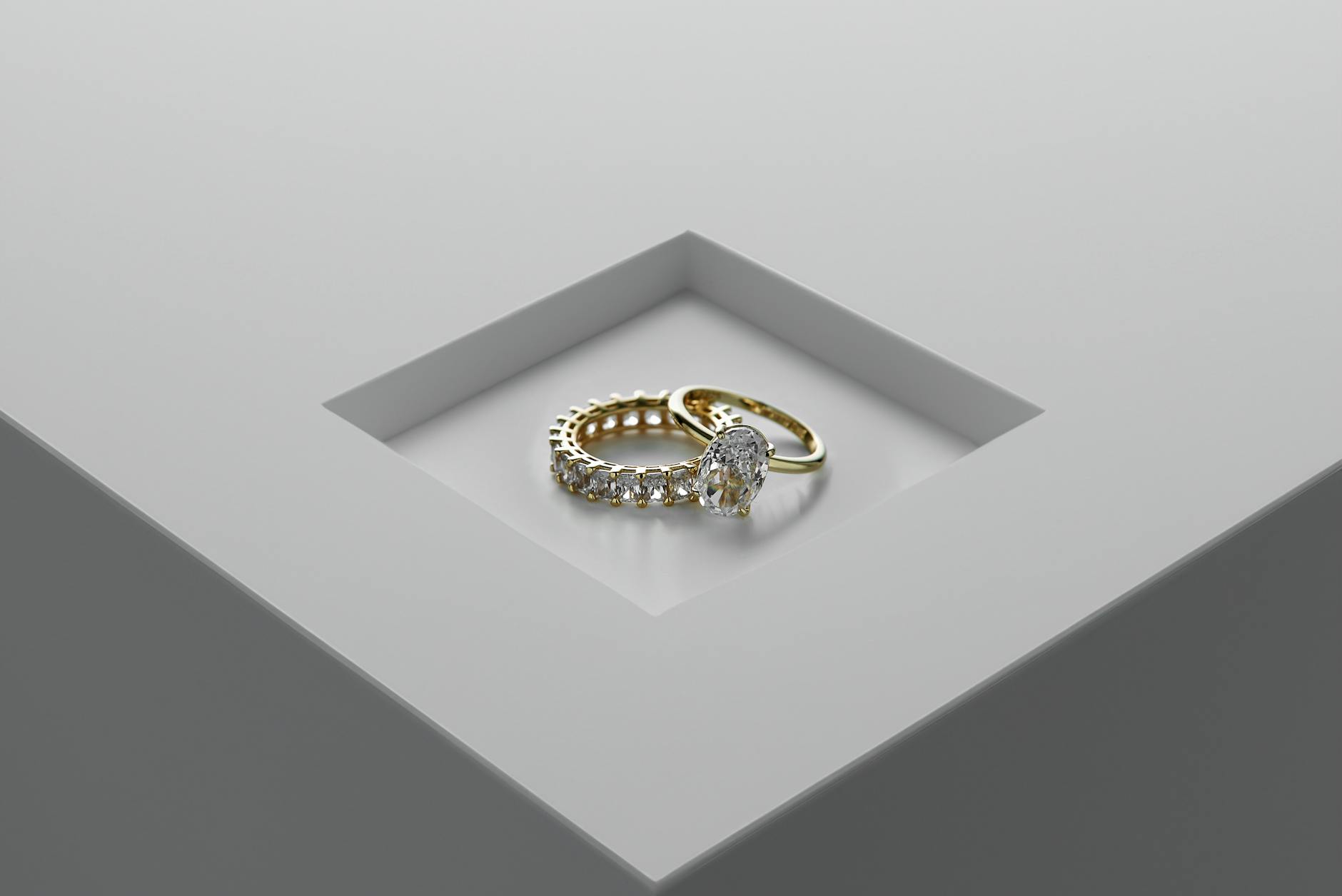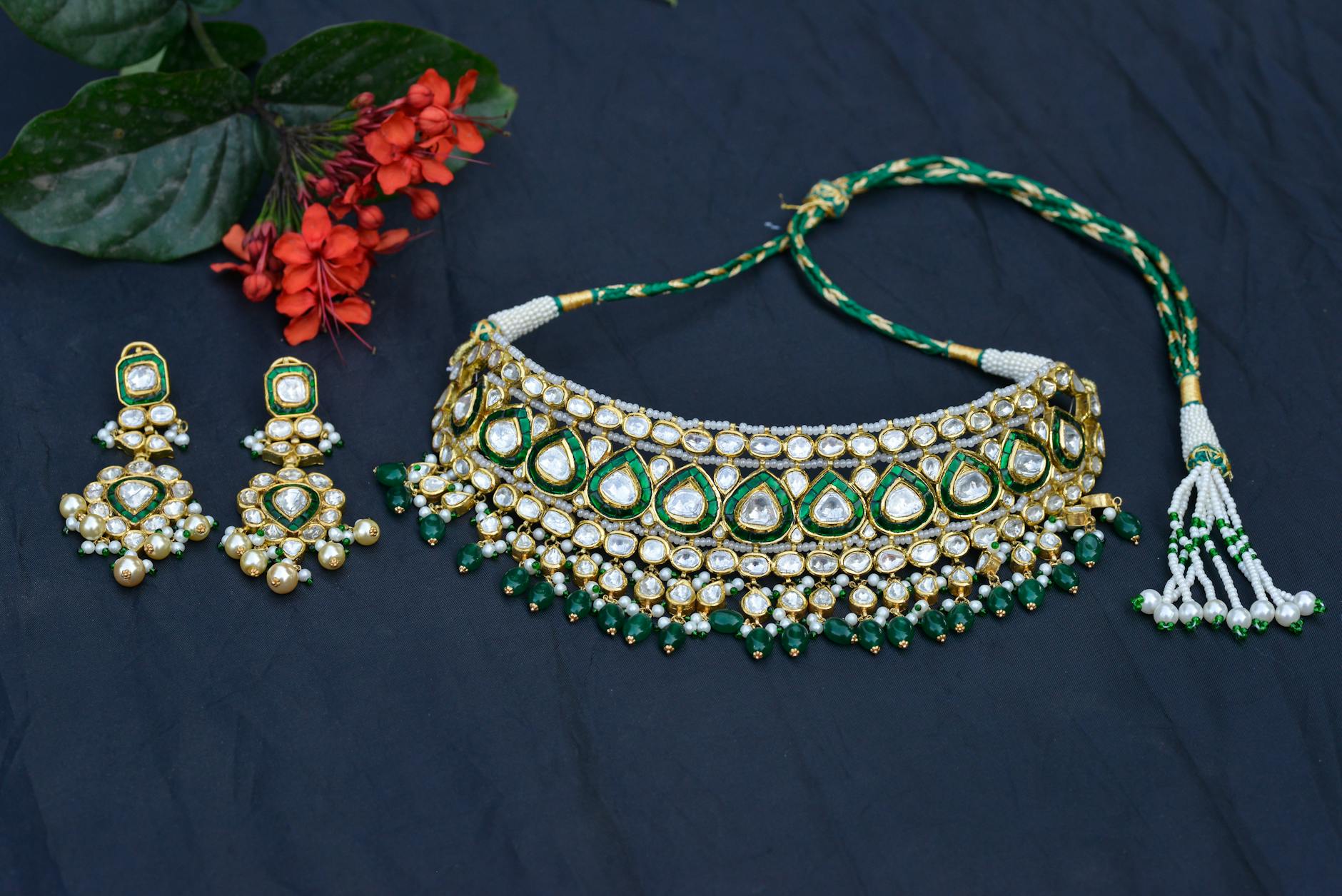
Rajasthan is not merely a state in India — it is the living capital of Indian jewellery craft. From the fabled bazaars of Jaipur's Johari Bazaar to the ateliers of Pratapgarh's Thewa artists, Rajasthan produces jewellery traditions that have influenced courts, collectors, and couture designers across the world for centuries. This guide explores the four great jewellery traditions of Rajasthan in depth: Kundan, Meenakari, Lac, and Thewa.
Rajasthan — India's Jewellery Capital
Jaipur, the Pink City, is the epicentre of India's coloured gemstone and jewellery trade. The city is home to over 400,000 people directly employed in the gems and jewellery sector. The Jaipur Gem and Jewellery Export Promotion Council (GJEPC) estimates that Rajasthan accounts for approximately 80% of India's coloured gemstone processing.
Johari Bazaar — the historic jewellers' street in Jaipur's walled city — has been trading gems and gold for over 300 years. It remains one of Asia's most concentrated jewellery markets, with hundreds of shops selling everything from raw gemstones to finished Kundan bridal sets.
The Four Great Rajasthani Jewellery Traditions
| Tradition | Base Material | Distinctive Feature | Price Range | GI Tag |
|---|---|---|---|---|
| Kundan | 24K gold + lac | Uncut polki diamonds, precious gems in pure gold foil | ₹30,000–50 lakh+ | No (under discussion) |
| Meenakari | Gold or silver | Fired enamel artwork in multiple colours | ₹5,000–10 lakh | No |
| Lac (Lakh) | Lac resin | Colourful resin bangles with mirror and gem inlay | ₹500–5,000 | No |
| Thewa | 23K gold on glass | Gold filigree artwork fused onto coloured glass | ₹3,000–50,000 | Yes — Pratapgarh Thewa |
Kundan Jewellery — The Royal Tradition
Kundan is arguably the most prestigious of all Indian jewellery traditions. The word "kundan" means refined or pure gold, and the technique lives up to that name. Kundan originated in the royal workshops of the Mughal courts and was adopted by Rajput kingdoms, giving it a dual Mughal-Rajput heritage that is visible in its aesthetics.
How Kundan is Made
The Kundan-making process involves five distinct artisan specialisations:
- Ghadia — crafts the gold framework (the setting)
- Sunar/Goldsmith — forms the base structure using lac (resin) as the core material
- Kundansaaz — sets the gems by pressing 24K gold foil (kundan) around each stone, encasing it without solder or heat
- Meenakaar — applies enamel work on the reverse (back) of the piece — the "reverse meena" is a hallmark of quality Kundan
- Polisher — final burnishing
The stone-setting technique is unique: gems are not glued or prong-set. Instead, 24K gold foil is pressed around the gemstone using small tools, creating a snug, secure setting. This process requires extraordinary skill — a master kundansaaz may take 10–15 years to develop the touch needed for fine work.
Gemstones in Kundan
Traditional Kundan uses polki diamonds (uncut, natural rough diamonds also called slice diamonds), rubies, emeralds, blue sapphires, pearls, and rock crystal (sphatik). Jaipur is the world's primary cutting centre for emeralds — the vivid green of Jaipur emeralds in Kundan sets is iconic.
⚠️ Spotting Fake Kundan
Mass-produced "Kundan-style" jewellery is common and cheap. Real Kundan has: (1) genuine lac core — piece feels warm to touch, not cold like metal; (2) 24K gold foil settings that look slightly uneven — this is handmade character, not a defect; (3) reverse meenakari enamel on the back; (4) precious or semi-precious stones, not glass. Demand a certificate from the seller specifying the metals used. Prices below ₹15,000 for a "full Kundan necklace" almost certainly indicate fake stones and gold-plated brass — not genuine Kundan.
Pricing: Labour constitutes 50–70% of the cost of genuine Kundan. A single fine Kundan choker with natural polki diamonds and emeralds can cost ₹5–15 lakh. Bridal Kundan sets (necklace + earrings + maang tikka + nath + bangles) from premium Jaipur houses range from ₹10 lakh to ₹50 lakh and beyond.
Meenakari — The Art of Enamel
Meenakari is the art of colouring metal surfaces with fired enamel. The word "meena" derives from the Persian word for sky blue, though Jaipur meenakari encompasses the full spectrum of colours.
Origins and History
Meenakari was brought to India from Lahore by Raja Man Singh I of Amer in the late 16th century. He brought Persian enamel artisans — meenadars — to Jaipur, where the craft flourished under Rajput patronage. Jaipur meenakari evolved its own distinctive style, different from Lahore and Delhi styles.
Colour Symbolism in Meenakari
Each enamel colour in traditional Jaipur meenakari carries meaning:
- Red (gulab) — lotus, life force, auspiciousness; the most popular bridal colour
- Green (sabz) — nature, growth, prosperity; frequently used with red
- White (safed) — purity, peace; achieved with kaolin enamel, requires multiple firings
- Blue (neela/peeoni) — sky, spirituality; Jaipur blue is internationally recognised
- Yellow (peela) — festivity, turmeric; typically used as accent
Types of Meenakari
Three main types are practised in Rajasthan:
- Jaipur Meenakari — on gold, multiple colours, elaborate floral and figural designs
- Reverse Meenakari — enamel applied to the back of Kundan pieces; the front shows gems, back shows enamel artistry — considered double artistry
- Silver Meenakari — more affordable, on sterling silver, common in export jewellery
💡 Pro Tip
When buying Meenakari, check the enamel under bright light. Genuine fired enamel has depth and translucency — you can see into the colour. Painted enamel (inferior technique) sits flat on the surface and chips easily. Tap the enamel lightly with a fingernail — it should feel hard and glass-like, not plastic or paint-like.
Lac Jewellery — The Colourful Everyday Tradition
Lac (lakh) jewellery is made from lac resin — a natural secretion of the lac insect (Laccifer lacca). Lac is heated, shaped, and then decorated with glass pieces, mirrors, gems, and metallic foil. Jaipur lac bangles are among the most recognisable Indian traditional accessories.
Lac bangles are traditionally worn by married women and are considered auspicious. The bright colours — red, green, yellow, and fuchsia — are associated with prosperity and fertility. Rajasthani women from many communities wear full sets of lac bangles from wrist to elbow as daily wear.
One important practical limitation: lac softens at temperatures above 40°C. This means lac bangles should not be exposed to direct sunlight for extended periods, kept away from hot water, and stored in cool conditions. In peak Rajasthan summer, lac bangles can deform.
Price: lac bangles range from ₹500 for simple designs to ₹5,000 for elaborate mirror and stone-worked sets. Lac necklaces and earrings are also available.
Thewa — The GI-Protected Glass Gold Art
Thewa is perhaps the most unique and globally distinctive jewellery tradition from Rajasthan. It is made by fusing intricate 23K gold filigree artwork directly onto coloured glass, creating miniature paintings in gold. The craft originates from Pratapgarh district in Rajasthan and is protected by a Geographical Indication (GI) tag — only Thewa made in Pratapgarh by artisans from the hereditary Raj Soni community can be called "Pratapgarh Thewa."
How Thewa is Made
The process of making a single Thewa piece can take days to weeks:
- A design is drawn and then cut out of 23K gold sheet using tiny chisels
- The gold design is placed on a piece of coloured glass
- Intense heat (1000°C+) fuses the gold directly into the glass surface
- The piece is cooled, trimmed, and set in a gold or silver frame
Themes are typically royal court scenes, hunting scenes (shikar), floral patterns, mythology (Krishna Radha, Durga), and wildlife. The level of detail is extraordinary — a thumbnail-sized Thewa may contain dozens of individually cut gold figures.
Price: ₹3,000 for a simple pendant to ₹50,000 for elaborate brooches and statement pieces by master artisans. Thewa also appreciates in value as the craft is practised by fewer than 50 families today.
Other Traditional Rajasthani Jewellery Pieces
| Piece | Worn On | Description |
|---|---|---|
| Aad | Neck (choker) | Wide choker with gem-studded Kundan work |
| Timaniya | Neck | Three-pendant necklace; timaniya = three gems |
| Baju Band | Upper arm | Armlet worn above elbow, Kundan or plain gold |
| Haath Phool | Back of hand | Chain connecting ring to bracelet over hand's back |
| Rajasthani Nath | Nose | Large hoop nose ring, sometimes reaching cheek |
| Borla | Forehead | Teardrop maang tikka with Kundan work |
| Karnphool | Ears | Flower-shaped earrings (karna = ear, phool = flower) |
Where to Buy Authentic Rajasthani Jewellery
The best sources for genuine Rajasthani jewellery:
- Johari Bazaar, Jaipur — the historic hub; hundreds of shops, negotiate firmly, verify quality
- Rajasthali — government emporium in Jaipur, fixed prices, guaranteed authenticity
- GJEPC-certified dealers — Gem and Jewellery Export Promotion Council listed vendors
- Crafts Museum, Delhi — curated selection from across Rajasthan
- National Crafts mela / Dastkar fairs — artisans sell directly, best opportunity to meet Thewa and Meenakari masters
💡 Pro Tip
When buying in Johari Bazaar, always ask to see the BIS hallmark on gold pieces and request a detailed bill specifying metal purity (22K or 24K), gemstone types, and total weight. Legitimate dealers will provide this without hesitation. Those who resist are a red flag. For Kundan: ask specifically whether the stones are natural or synthetic — genuine Kundan uses natural polki diamonds and precious stones.
Frequently Asked Questions
Is Kundan real gold?
Yes — genuine Kundan uses 24K (pure) gold foil as the setting material. The base underneath is lac (resin) — this is what makes the piece light despite using pure gold. The frame and findings are also 22K or 24K gold. However, mass-produced "Kundan-style" jewellery uses gold-plated brass — these are not genuine Kundan and should not be priced as such.
What is the difference between Kundan and Polki?
Polki refers specifically to the diamonds used in Kundan jewellery. Polki diamonds are uncut, rough diamonds that are sliced flat and used in their natural state — they have a distinctive rough, rustic brilliance different from cut diamonds. Kundan is the setting technique. So "Polki Kundan" means a Kundan-set piece using polki diamonds. Kundan can also use other gemstones — emeralds, rubies, sapphires — without polki diamonds.
Does Thewa jewellery break easily?
The glass in Thewa jewellery can crack if dropped or exposed to sharp impact. Treat Thewa pieces as semi-fragile decorative jewellery — they are not everyday-wear items. Store them separately, wrapped in soft cloth, away from other jewellery that could scratch the surface. Avoid temperature shocks (e.g., don't take from cold AC directly into hot sun).
More in Trends & Styles
Share this article
Our editorial team comprises jewellery industry veterans, certified gemmologists, and passionate writers with decades of combined experience across India's gold, diamond, and gemstone markets. Every article is researched, fact-checked, and written to help Indian buyers make smarter, safer jewellery decisions.
Passionate about jewellery and love to write? We'd love to hear from you.
Join us as a writer →Ready to buy? Find verified jewellers near you
Browse 10,000+ BIS hallmark certified jewellers across India. Compare ratings, check today's gold rate, and book a visit.
Keep Reading