Walk into any jewellery store in India and you will see three metals competing for the same finger — platinum, white gold, and silver. All three look similar at a glance: cool, bright, and silvery. Yet they differ enormously in composition, price, durability, and what they mean for your wallet over the long term. This guide breaks down everything you need to know before you buy.
The Complete Metal Comparison Table
| Property | Platinum | White Gold (18K) | Silver (925) |
|---|---|---|---|
| Purity in India | 950 / 900 / 850 Pt | 75% gold + palladium/nickel | 92.5% silver (Sterling 925) |
| Natural Colour | White-grey, no coating | Yellowish — needs rhodium plating | Bright white, tarnishes grey |
| Density (g/cm³) | 21.45 (very heavy) | ~14–15 | 10.5 |
| Hardness (Vickers) | ~50 HV (work-hardens) | ~150 HV (alloy harder) | ~60–80 HV |
| Hypoallergenic | Yes — excellent | Nickel alloys — risk of allergy | Generally yes (925) |
| Maintenance | Low — polish occasionally | High — re-plate rhodium every 1–2 yrs | Medium — regular polishing needed |
| Price per gram (2026) | ₹280–₹340 | ₹5,500–₹6,500 | ₹80–₹95 |
| Resale value in India | Poor (low demand) | Good (gold content) | Moderate |
| Best used for | Wedding bands, rings | Diamond jewellery settings | Fashion, ethnic, gifting |
Platinum in India: What You Actually Get
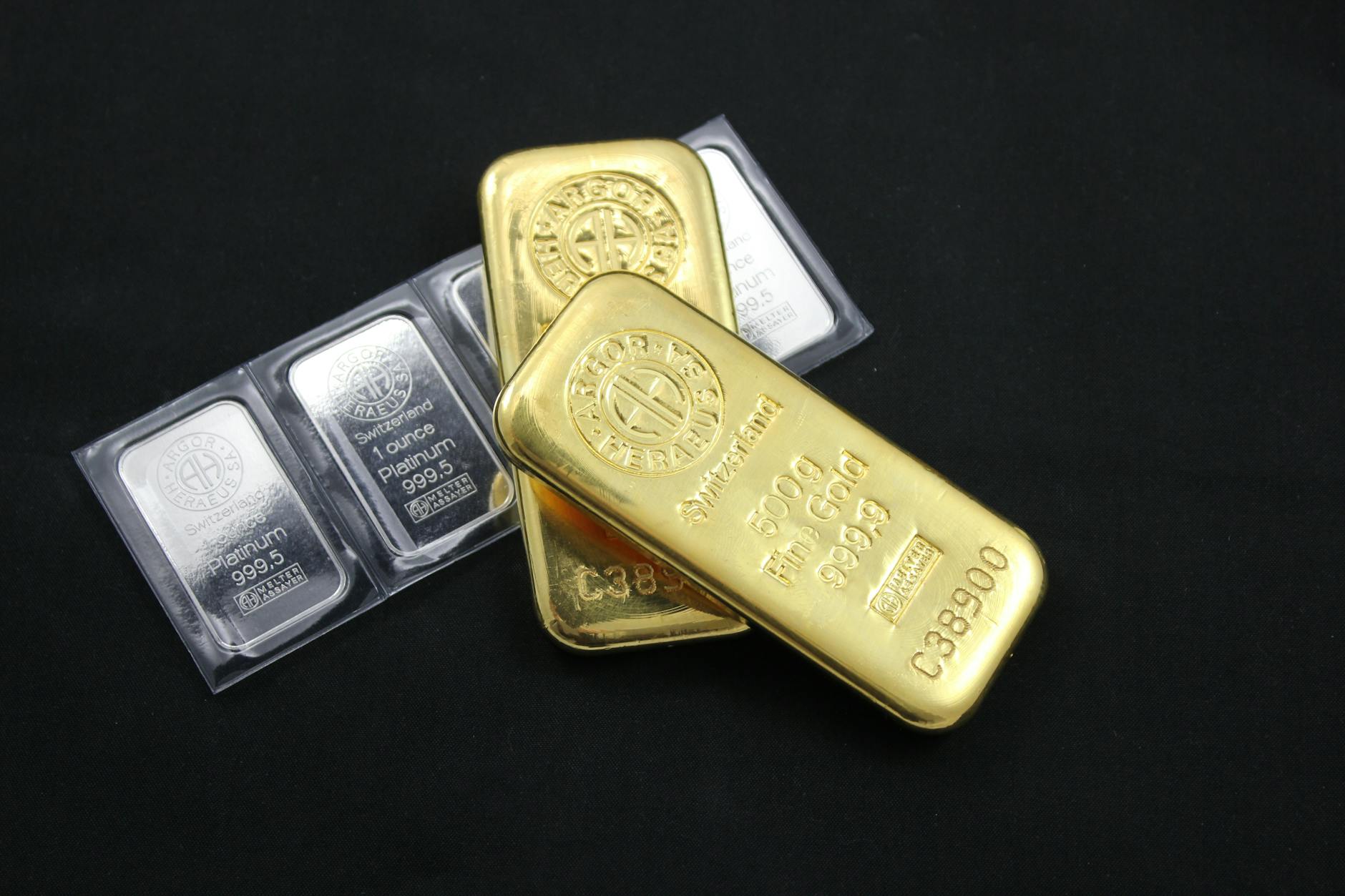
Platinum jewellery sold in India is hallmarked at 950 (95% pure platinum), 900 (90%), or 850 (85%). The Platinum Guild International (PGI) has been pushing the 950 Pt mark as a quality benchmark, and reputable brands like Tanishq Platinum and Malabar Platinum use it on their signature lines.
At a price of ₹280–₹340 per gram in 2026, platinum sounds dramatically cheaper than gold — and numerically it is, per gram. But here is the catch: platinum is nearly twice as dense as gold. A platinum ring that weighs 8 grams would weigh only about 4.5 grams if made in gold. So the actual cost of a finished piece comes much closer to white gold than the per-gram price suggests.
The defining advantage of platinum is its naturally white colour. It requires no rhodium plating — ever. What you see on day one is what you get on day ten thousand. When platinum scratches (and it will scratch), the metal does not flake away — it displaces. This creates a patina over time that many wearers actually come to love. A jeweller can always re-polish platinum to restore its original finish.
💡 Pro Tip
If you or your partner has a nickel allergy, platinum is the safest choice for wedding rings. Most white gold alloys use nickel as a hardening agent. Palladium white gold is an alternative, but it is less widely available in India and commands a price premium.
White Gold: The Practical Middle Ground
White gold is not a naturally occurring metal. It is created by alloying yellow gold with white metals — typically nickel, palladium, or manganese — and then plating the finished piece with rhodium, a platinum-group metal that gives it that crisp, mirror-bright white finish.
This rhodium plating is where the hidden maintenance cost lies. Rhodium is hard (around 2,000–4,000 Vickers hardness) and gives white gold its initial brightness, but it wears off. On a ring worn daily, expect to see the faint yellow tinge of the gold alloy showing through within 12–24 months. Re-plating at a jeweller typically costs ₹800–₹2,500 depending on the piece's complexity.
The price range of ₹5,500–₹6,500 per gram for 18K white gold (2026) reflects the gold content. At 18K (75% gold), you are paying mostly for gold, with the alloy metals adding negligible cost. Resale is straightforward: any gold buyback centre will test and buy 18K white gold at the prevailing gold rate, minus a small deduction for alloy composition.
⚠️ Check Before You Buy
Always ask the jeweller whether the white gold uses nickel or palladium as the whitening alloy. Nickel is cheaper but can cause skin reactions in 10–15% of people (especially women). Palladium white gold is hypoallergenic and more stable in colour, though slightly more expensive to manufacture.
Silver: India's Everyday Metal
Sterling silver (925) — 92.5% silver and 7.5% copper — is the standard for jewellery-grade silver in India. At ₹80–₹95 per gram in 2026, it is dramatically more affordable, making it ideal for fashion jewellery, ethnic anklets, temple offerings, and everyday accessories where you do not want to worry about loss or damage.
Silver's Achilles heel is tarnish. When silver reacts with sulphur compounds in air and humidity, it forms silver sulphide — the black or grey coating you have seen on neglected silver pieces. India's humidity, especially in coastal cities, accelerates this. Storing silver in anti-tarnish pouches and polishing with a microfibre cloth keeps pieces bright.
Traditional uses for silver in India include religious items (pooja thalis, idols, lamps), gifting at births and festivals, and ethnic jewellery (Rajasthani oxidised silver, tribal silver from Odisha and Chhattisgarh). Fine jewellery investment — the kind you pass down — is typically not silver's domain in Indian culture, though silver has deep cultural resonance in payal (anklets) and bichhiya (toe rings).
Who Should Buy What
Choose platinum for engagement rings and wedding bands if longevity and zero maintenance are your priority, and if the wearer is allergic to nickel. The piece will look the same in 40 years with minimal care.
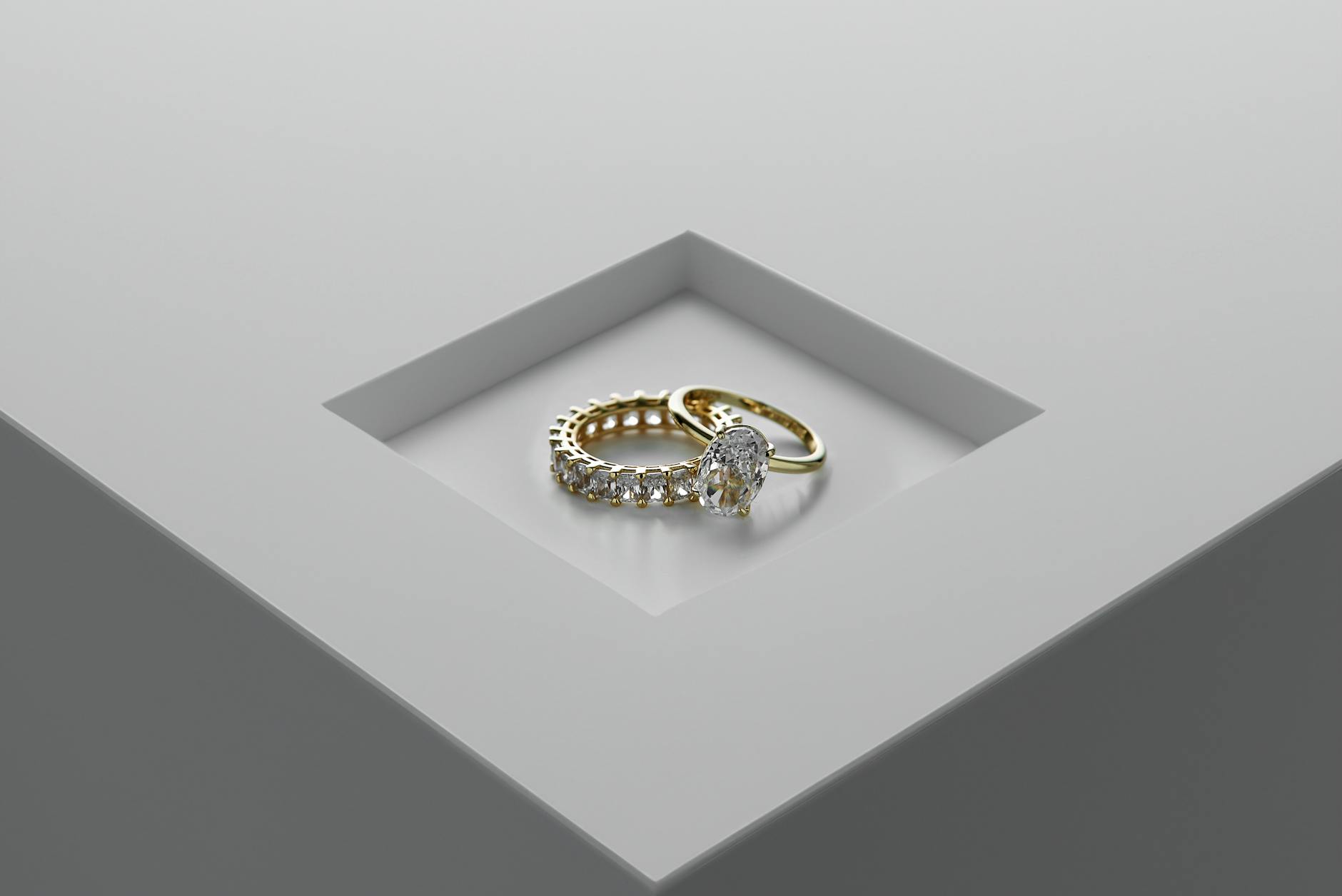
Choose white gold for diamond jewellery — pendants, earrings, tennis bracelets — where the white metal backdrop makes diamonds appear larger and brighter, and where resale matters. The annual rhodium replating is a small cost for the significant price saving over platinum.
Choose silver for fashion jewellery, everyday ethnic accessories, festival gifting, and children's jewellery. Do not invest in expensive gemstones set in silver for daily fine jewellery — the softer metal will lose its setting over time.
The Resale Reality in India
Resale value is where platinum disappoints Indian buyers the most. Despite platinum being rarer than gold globally, the Indian secondary market for platinum jewellery is thin. Very few small jewellers buy platinum back, and those who do offer 40–60% of the metal value because they cannot easily resell it. Large chains like Tanishq have buy-back programmes but they are not universal.
White gold, on the other hand, is bought back at gold rates everywhere. Silver buyback is available but typically at 50–70% of market rate due to handling costs. If investment and resale are factors, white gold is the clear winner among the three.
The Mixing Metals Trend
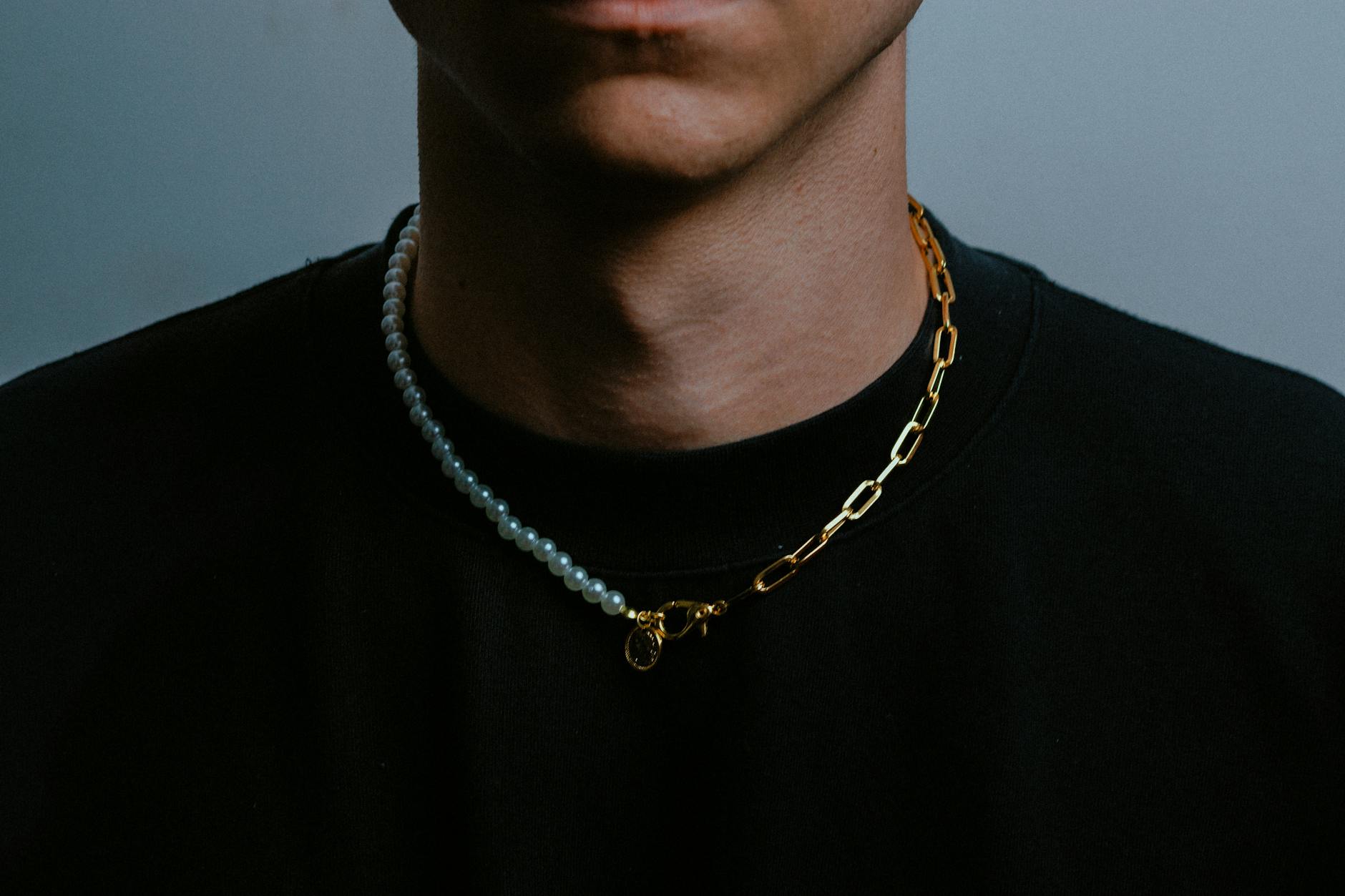
A growing trend in Indian bridal and contemporary jewellery is mixing metals — yellow gold chains with white gold diamond pendants, or platinum rings alongside yellow gold bangles. This layered look was considered unconventional a decade ago but is now widely embraced. Major brands offer mixed-metal sets specifically designed for this aesthetic, and it solves the platinum resale problem by making it a small part of a larger gold-heavy collection.
Caring for Each Metal
Platinum: Clean with warm soapy water and a soft brush. Polish with a jeweller's cloth every few months. Professional polishing every 3–5 years restores original mirror finish. Avoid abrasive cleaners.
White gold: Same cleaning routine as platinum, but avoid anything that accelerates rhodium wear — harsh chemicals, chlorine (swimming pools), heavy scrubbing. Schedule rhodium re-plating when you notice yellow tinge (typically 12–18 months for a worn ring).
Silver: Store in anti-tarnish bags or with silica gel. Polish with a silver polishing cloth or mild silver cleaner. Avoid rubber bands (contain sulphur) and eggs (hydrogen sulphide source). Remove before swimming, showering, and washing dishes.
Frequently Asked Questions
Is platinum worth the extra cost in India? For wedding rings that you plan to wear daily for decades, yes — the durability and hypoallergenic properties justify the premium. For fashion jewellery or investment, white gold or yellow gold make more financial sense in the Indian market.
Does silver jewellery turn black? Yes, pure silver and sterling silver both tarnish when exposed to sulphur compounds in the air. It is not damage — it is a chemical reaction. Proper storage and regular polishing prevent it. Rhodium-plated silver jewellery (increasingly common in fashion jewellery) tarnishes far more slowly.
Can I resize platinum jewellery? Yes, but it requires a specialist and costs more than resizing gold. Not all local jewellers have the equipment for platinum work. Always check with the jeweller at point of purchase.
Why does platinum feel heavier than gold jewellery? Because it is. Platinum at 21.45 g/cm³ is nearly twice the density of 18K gold (~14–15 g/cm³). The same ring design in platinum will weigh almost twice as much, which contributes to its premium pricing despite a lower cost per gram.
Platinum and White Gold Hallmarking in India
India's BIS (Bureau of Indian Standards) hallmarking system covers gold and silver but does not yet mandate hallmarking for platinum jewellery at the same level. Voluntary BIS hallmarking for platinum (IS 2790) exists, but compliance is inconsistent outside organised retail. When buying platinum jewellery, look for the "PT 950," "PT 900," or "PT 850" stamp on the piece — and prefer pieces from brands participating in the Platinum Guild International (PGI) certification programme, which requires third-party testing of metal purity.
White gold in India falls under the BIS gold hallmarking system. Since January 2022, BIS hallmarking has been mandatory for gold jewellery above a certain threshold, meaning your 18K white gold piece should carry a six-digit alphanumeric HUID (Hallmark Unique ID) that you can verify on the BIS Care mobile app. If a jeweller offers you "18K white gold" without a hallmark, walk away.
For silver, BIS 2112 is the standard for 925 Sterling Silver. Look for the "S 925" mark alongside the BIS logo. Hallmarked silver is increasingly available through organised retailers and online platforms; market-made silver jewellery in traditional bazaars often lacks hallmarking, making purity verification difficult without assay testing.
The Environmental Angle
Platinum mining is concentrated in South Africa and Russia, with production roughly 90 times rarer than gold by annual mine output. Its scarcity and the energy-intensive nature of extraction make platinum one of the most carbon-intensive metals per gram. Silver mining, while more widespread, involves significant toxic tailings. Lab-grown or recycled platinum and silver are increasingly available; if environmental impact matters to your purchase decision, ask specifically about recycled metal content — several premium Indian jewellers now offer "recycled gold" and "recycled silver" certificates.
More in Trends & Styles
Share this article
Our editorial team comprises jewellery industry veterans, certified gemmologists, and passionate writers with decades of combined experience across India's gold, diamond, and gemstone markets. Every article is researched, fact-checked, and written to help Indian buyers make smarter, safer jewellery decisions.
Passionate about jewellery and love to write? We'd love to hear from you.
Join us as a writer →Ready to buy? Find verified jewellers near you
Browse 10,000+ BIS hallmark certified jewellers across India. Compare ratings, check today's gold rate, and book a visit.
Keep Reading