Odisha is home to three distinct jewellery and metalcraft traditions that rank among India's finest: the delicate silver filigree of Cuttack (Tarakasi), the ancient lost-wax metal casting of Dhokra, and the heavy tribal silver ornaments of Odisha's Adivasi communities. Each tradition comes from a different part of the state, serves a different purpose, and carries its own artistic language. This comprehensive guide covers all three — helping you understand, appreciate, and buy each wisely.
Tarakasi — The Silver Filigree of Cuttack
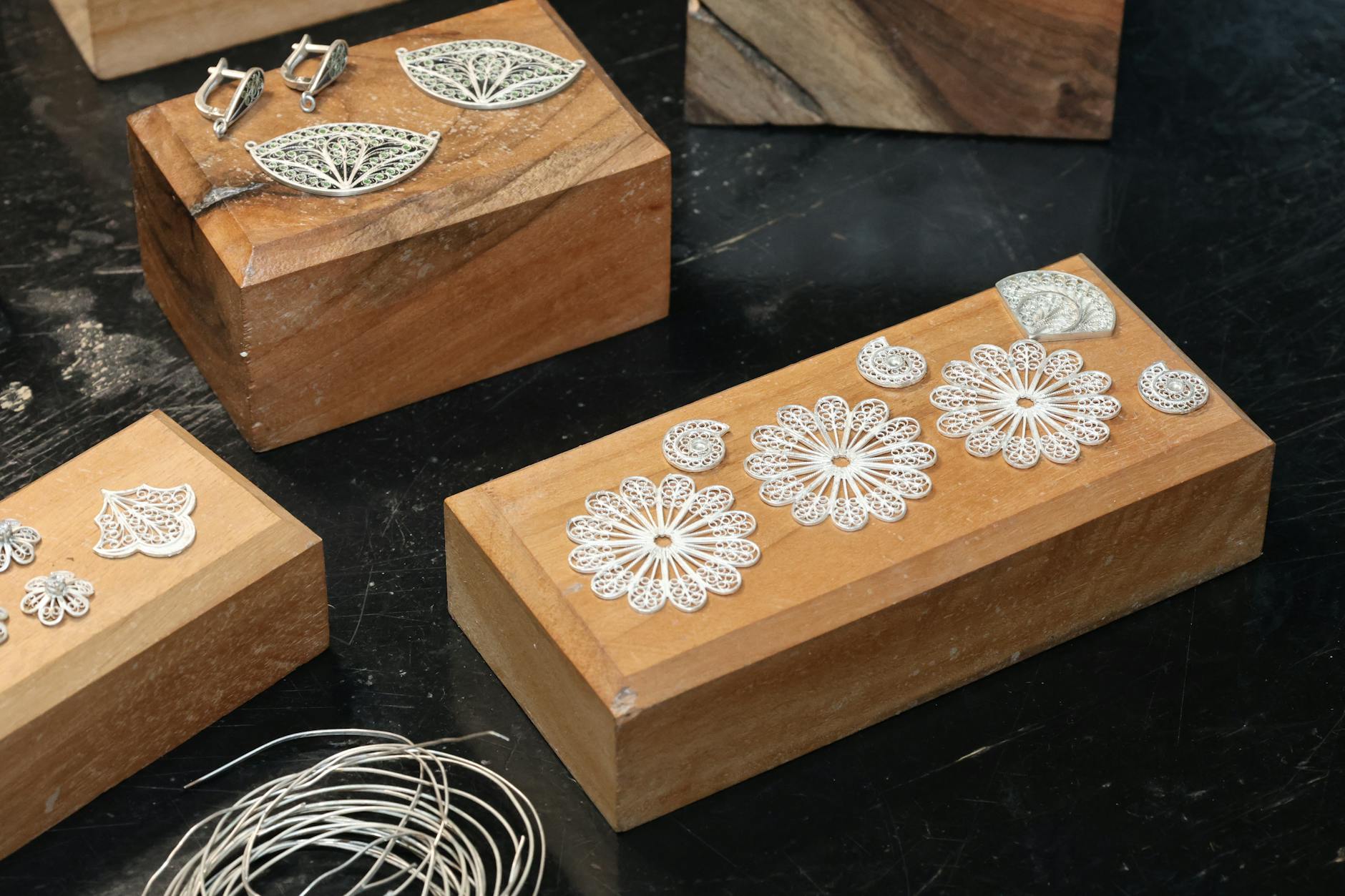
Cuttack, Odisha's silver city, is the undisputed capital of Tarakasi — India's finest silver filigree craft. The word "Tarakasi" itself means work made of wire (tara = wire, kasi = work). Pure silver is drawn into incredibly thin wires — sometimes finer than a human hair — which are then twisted, coiled, and soldered together by hand to create intricate patterns of breathtaking delicacy.
The Tarakasi Process
The creation of Tarakasi jewellery involves a multi-stage process performed entirely by hand. A silver ingot (typically 99% purity fine silver) is first drawn through a series of progressively finer holes in a drawing plate to create very thin wire. The wire is then twisted into various configurations — flat coils, springs, granules, braided patterns — using small tools. These wire elements are assembled into the desired design and soldered together using a flux and fine silver solder. The finished piece is cleaned in an acid bath (traditionally tamarind water) and polished.
This is painstaking work — a skilled Tarakasi artisan may spend an entire day producing a single pair of earrings. The craft is concentrated in Cuttack's Old Town area, where it has been practised for at least 500 years.
GI Tag and UNESCO Recognition
Tarakasi holds a Geographical Indication (GI) tag from India's Intellectual Property Office, confirming that genuine Tarakasi must originate from Cuttack. The craft has also been recognised by UNESCO as an Intangible Cultural Heritage of India. These protections matter because cheap imitation filigree — often made in Bengal or China using thicker wire and machine-made components — is sold as "Cuttack filigree" in tourist markets across India.
Durga Puja and Tarakasi
One of the most extraordinary traditions in India's festival calendar involves Tarakasi: the silver ornaments created for Goddess Durga's idol at major Cuttack Durga Puja pandals. These are not merely decorative — they include elaborate silver crowns, necklaces, armlets, anklets, and even full silver tableaux (Chandi Medha — silver arches) that dress the deity during the 10-day festival. Cuttack's Durga Puja silversmiths work year-round on these masterpieces, and the tradition draws hundreds of thousands of visitors to the city every October.
Tarakasi Price Guide (2026)
| Piece | Weight Range | Price Range |
|---|---|---|
| Simple stud earrings (Jhimki) | 1–3g | ₹300–₹800 |
| Drop earrings | 3–8g | ₹700–₹2,500 |
| Pendant (small) | 2–5g | ₹500–₹1,500 |
| Necklace set (medium) | 20–50g | ₹3,000–₹15,000 |
| Bracelet | 8–20g | ₹1,200–₹5,000 |
| Collector/statement piece | 50–200g+ | ₹10,000–₹50,000+ |
Prices for Tarakasi are determined by silver weight plus making charges — and the making charges for genuine hand-filigree are high, often 3–5x the silver value for intricate pieces. Be cautious of unusually cheap "Tarakasi" — authentic pieces require hundreds of hours of labour.
⚠️ How to Identify Authentic Tarakasi
Hold the piece up to light. Genuine Tarakasi has a delicate, almost lace-like quality — you should see fine wire work with tiny spaces between the wires. Fake "filigree" is often stamped sheet metal with a wire-like surface texture. Genuine Tarakasi also feels relatively light for its apparent size, since it is largely air. If it feels solid and heavy for a small piece, it is likely not handmade filigree. Buy from ORMAS outlets or Cuttack's Old Town artisan shops for guaranteed authenticity.
Dhokra — Ancient Lost-Wax Metal Art
Dhokra is India's oldest known metal casting technique, practised continuously for at least 4,000 years (Dhokra figurines from the Indus Valley Civilisation period have been found). The name comes from the Dhokra Damar tribal community of West Bengal and the Bastar-Odisha border region, who have preserved this craft across generations.
The Dhokra Process
Dhokra uses the lost-wax (cire perdue) casting method: first, a clay core is shaped into the rough form of the intended piece. This is covered with a layer of beeswax, which is then sculpted in fine detail by the artisan. The wax model is coated with multiple layers of clay and fired — the wax melts and flows out (hence "lost wax"), leaving a negative mould in the clay. Molten brass or bell metal (an alloy of copper and tin) is poured into the mould. Once cooled, the clay is broken away revealing the metal cast, which is then cleaned and finished. Since the mould is destroyed in the process, every Dhokra piece is unique.
Dhokra Jewellery Pieces
While Dhokra is most famous for figurines and decorative art, it is also used to create jewellery — primarily necklaces, pendants, and bangles. Dhokra jewellery pieces have a characteristic rough, textured surface finish with visible casting marks, reflecting the handmade nature of the process. Motifs include tribal animals (horses, elephants, peacocks), nature forms, and geometric patterns.
Note that Dhokra jewellery is made from brass or bell metal — it is not silver or gold. The metal is non-precious by value, but the craft value is significant. Dhokra pieces are for the craft and aesthetic lover, not as metal investment.
Dhokra jewellery pieces typically price between ₹500–₹10,000 depending on complexity and size. A simple Dhokra pendant with tribal animal motif runs ₹500–₹1,500; a large statement necklace with multiple Dhokra elements ₹3,000–₹10,000.
💡 Pro Tip
Dhokra is also made in Bastar (Chhattisgarh) and parts of West Bengal — not exclusively in Odisha. The Odishan Dhokra from Dhenkanal and Bolangir districts has its own regional character. When buying, note the seller's origin certification if available. Dhokra from government craft emporia and Crafts Museum (Delhi) is the most reliably genuine.
Tribal Silver Jewellery of Odisha
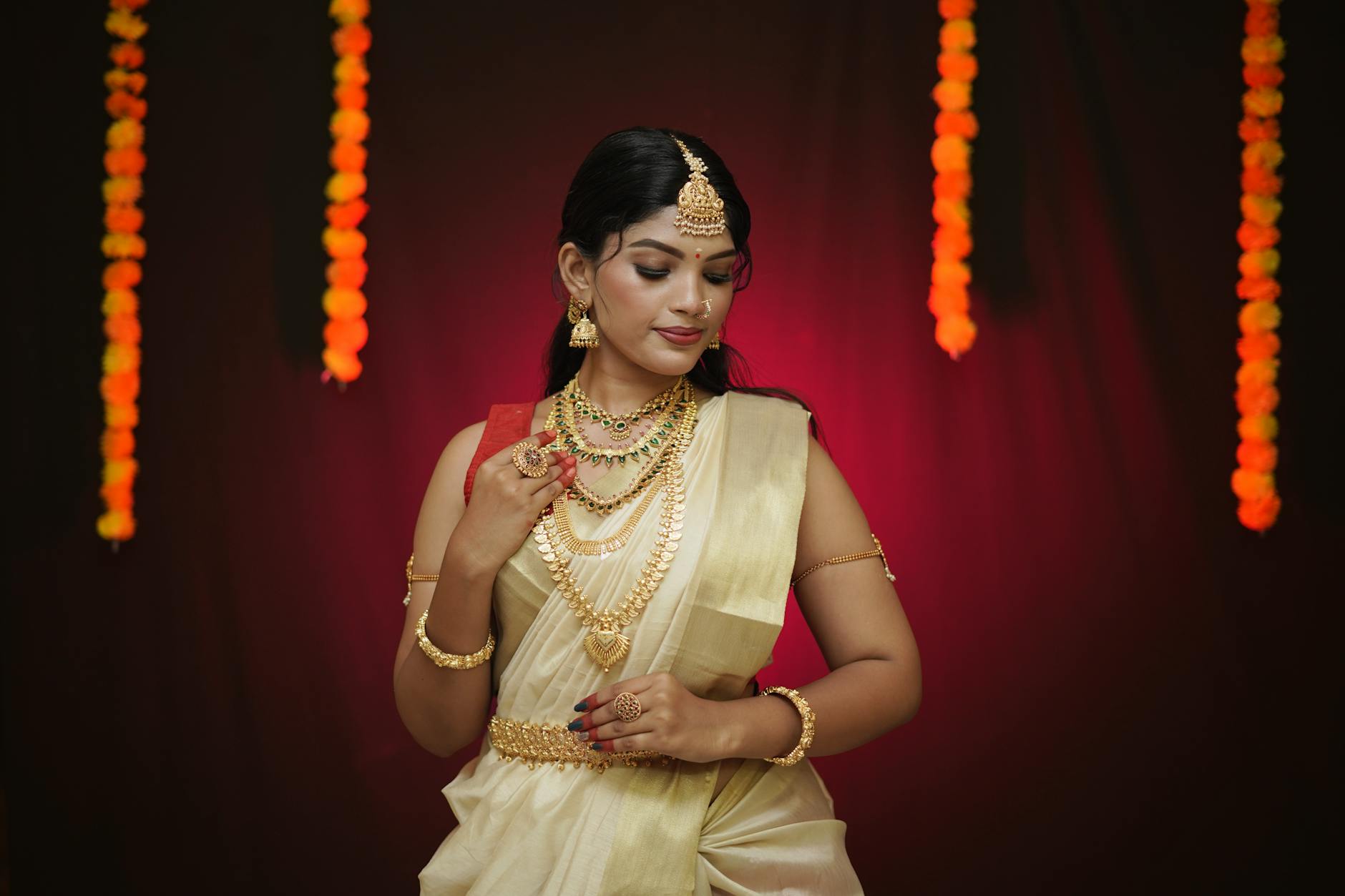
Odisha has over 60 Scheduled Tribe communities, many of whom have their own distinct jewellery traditions using silver (and sometimes brass). The most distinctive tribal silver pieces are worn by communities such as the Kondh, Gadaba, Bonda, Santali, and Saura tribes.
Characteristic tribal silver pieces include: heavy coin necklaces (Mala) made of old rupee coins or specially cast silver discs strung together, thick arm bands and upper arm ornaments, large ankle bangles (Payal) of solid silver, and elaborate hair ornaments. These pieces are functional as well as decorative — in tribal economies, silver ornaments serve as portable wealth and are central to marriage and ritual transactions.
The Dongria Kondh of the Niyamgiri Hills wear distinctive silver ornaments as markers of tribal identity. The Bonda tribe of Malkangiri district has among the most visually distinctive tribal jewellery in India — women wear multiple stacked brass and silver neck rings along with elaborate bead ornaments.
Where to Buy Odisha Craft Jewellery
| Platform / Location | Best For |
|---|---|
| Cuttack Old Town filigree shops (Station Road) | Genuine Tarakasi, direct from artisans |
| ORMAS (Odisha Rural Development and Marketing Society) | All three traditions, verified authentic |
| National Crafts Museum, New Delhi | All Odisha crafts, museum-quality pieces |
| Ekamra Haat, Bhubaneswar | Government craft market, wide selection |
| Dilli Haat, New Delhi | Odisha stalls during state craft fairs |
Care Instructions for Tarakasi and Dhokra
Tarakasi (silver filigree): Handle with care — the delicate wire structure can be bent if mishandled. Store individually in soft cloth pouches. Clean with a soft silver polishing cloth for light tarnish. For heavier tarnish, use mild liquid soap and warm water with a very soft (baby) toothbrush — rinse thoroughly and air dry. Do NOT use silver dip solutions as these can damage the fine wire work. Do NOT use ultrasonic cleaners.
Dhokra (brass/bell metal): Dhokra develops a patina over time which actually enhances its antique appearance — many collectors prefer to leave this rather than polish it. If you do clean, use a brass cleaner or a mixture of lemon juice and salt, rinse, and dry immediately. Avoid prolonged water exposure.
Frequently Asked Questions
Is Tarakasi filigree made of pure silver?
Authentic Tarakasi uses fine silver (99% purity) wire, which is softer and more workable than sterling silver, making it ideal for the thin wire-drawing process. The finished pieces are therefore very close to pure silver in composition. Cheaper imitation filigree may use German silver (no actual silver) or low-purity alloys. Always ask for a purity certificate or BIS hallmark when buying.
Where is Tarakasi available in Delhi or Mumbai?
In Delhi, the National Crafts Museum (Pragati Maidan) and Dilli Haat (INA and Pitampura locations) regularly stock genuine Tarakasi from Odisha artisans. The Cottage Industries Exposition (CIE) on Janpath also carries Tarakasi. In Mumbai, the Khadi India shops on DN Road sometimes carry Odisha craft jewellery. Online, ORMAS sells through its official portal and some government e-marketplace platforms.
More in Trends & Styles
Share this article
Our editorial team comprises jewellery industry veterans, certified gemmologists, and passionate writers with decades of combined experience across India's gold, diamond, and gemstone markets. Every article is researched, fact-checked, and written to help Indian buyers make smarter, safer jewellery decisions.
Passionate about jewellery and love to write? We'd love to hear from you.
Join us as a writer →Ready to buy? Find verified jewellers near you
Browse 10,000+ BIS hallmark certified jewellers across India. Compare ratings, check today's gold rate, and book a visit.
Keep Reading