Introduction: Nine Nights, Nine Colors, Nine Jewelry Stories
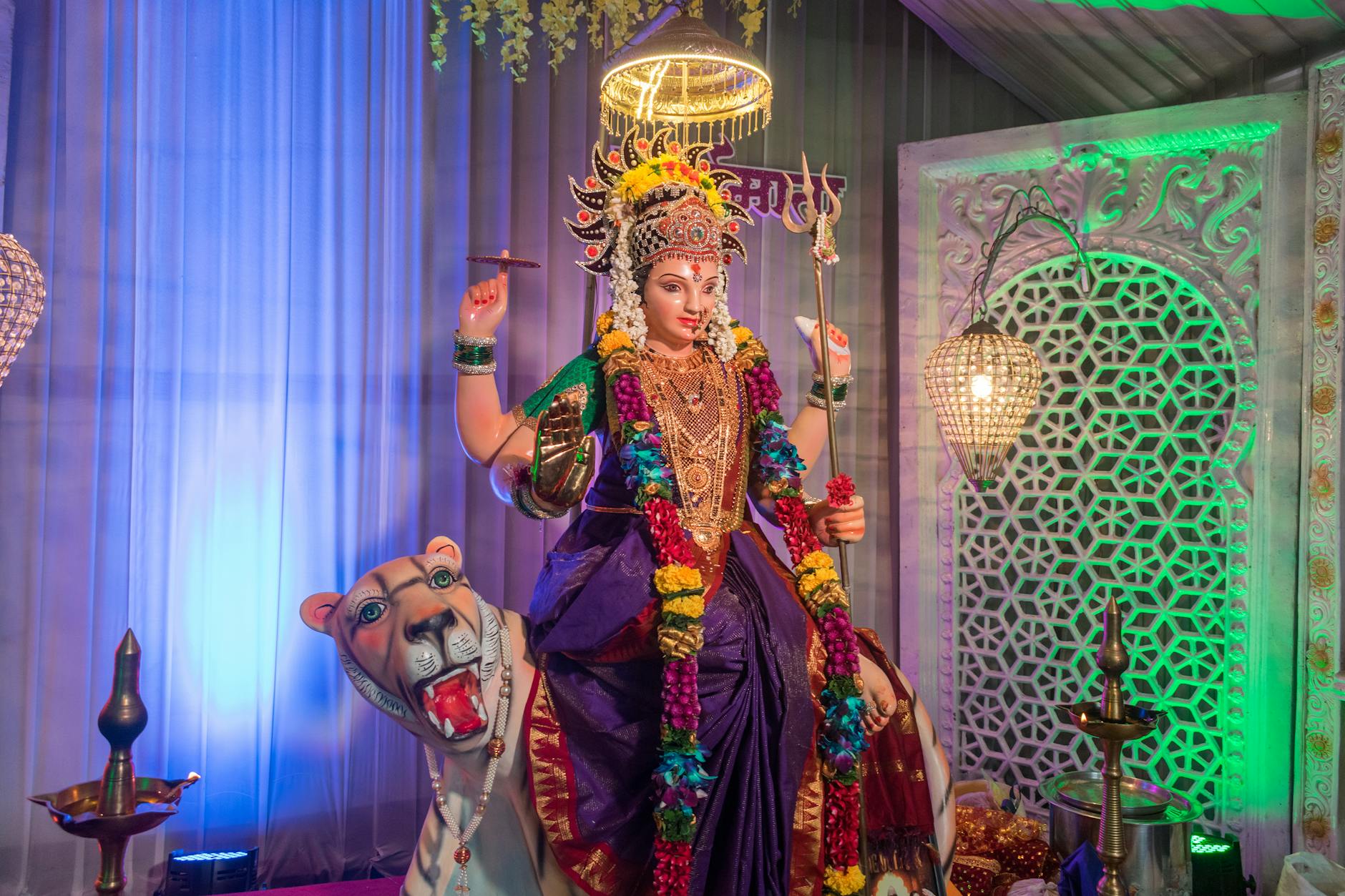
Navratri, the nine-night festival celebrating the divine feminine through the worship of Goddess Durga and her nine manifestations, is one of India's most vibrant and widely observed celebrations. Spanning nine days and nights in the Hindu month of Ashwin (typically September-October), Navratri in 2026 begins on October 2nd and concludes with Vijayadashami (Dussehra) on October 11th. The festival is celebrated with distinct fervor across India — from the grand Garba and Dandiya nights of Gujarat to the elaborate Durga Puja pandals of Bengal to the Golu doll displays of Tamil Nadu.
In recent years, the tradition of dressing in a specific color on each day of Navratri has become a national phenomenon, transcending regional boundaries. What began as a social media trend has evolved into a deeply embraced cultural practice, with millions of women, men, and children coordinating their outfits to the designated color of each day. And where outfits go, jewelry follows — the art of pairing the right jewelry with each day's color has become a creative expression that blends tradition, fashion, and devotion.
This guide provides a comprehensive day-by-day breakdown of jewelry pairing for Navratri 2026, covering traditional pieces, modern styling options, Dandiya-safe choices, regional variations, and budget recommendations for both gold and imitation jewelry. Whether you are dancing at a Garba night in Ahmedabad, offering anjali at a Kolkata pandal, or celebrating at home, the right jewelry elevates your Navratri experience from beautiful to extraordinary.
The 2026 Navratri Color Calendar and Jewelry Pairings
Day 1 (October 2): Yellow — Invoking Goddess Shailaputri
Yellow, the color of warmth, optimism, and new beginnings, opens Navratri 2026. This is the day dedicated to Goddess Shailaputri, the daughter of the mountains, and yellow represents the brightness of her divine energy.
Gold Jewelry Pairing: Yellow is gold's natural companion. This is the day to bring out your purest, brightest gold pieces. A polished 22K gold choker or hasli necklace glows magnificently against a yellow outfit. Temple jewelry with its warm antique gold finish is particularly stunning. A gold jhumka in the 8-12 gram range with fine filigree work catches the festive light beautifully. Styling Tip: Avoid mixing gold with silver on Day 1. Let the monochromatic warmth of yellow and gold create a sun-drenched, unified look. A maang tikka in bright gold adds the perfect finishing touch. For bangles, choose highly polished gold rather than matte or antique finishes to complement the vibrancy of yellow. Budget Option: Gold-plated brass temple jewelry sets (₹800-₹2,500) offer the look of real gold at a fraction of the cost. Pair with yellow glass bangles (₹50-₹200 for a set) for an authentic festive look.Day 2 (October 3): Green — Honoring Goddess Brahmacharini
Green symbolizes growth, harmony, and the natural world. Goddess Brahmacharini, the ascetic form of the divine mother, is worshipped on this day. Green represents renewal and the promise of prosperity.
Gold Jewelry Pairing: Green and gold is one of the most regal color combinations in Indian aesthetics. This is the ideal day for emerald-studded gold pieces or gold jewelry with green meenakari work. A Rajasthani-style aad necklace with green enamel detailing, kundan earrings with green glass or emerald centers, or a gold pendant featuring a single emerald all work beautifully. Styling Tip: The richness of green invites bold jewelry choices. A statement gold necklace with green stone accents serves as a focal point. Alternatively, go for an all-gold look and let the green outfit do the color work. Antique-finish gold creates a particularly sophisticated effect against emerald or forest green fabrics. Budget Option: Kundan-style imitation sets with green stones (₹1,200-₹3,500) are widely available during Navratri season. Green glass bangles with gold-painted details (₹100-₹300) complete the look affordably.Day 3 (October 4): Grey — Worshipping Goddess Chandraghanta
Grey, the color of balance and the lunar glow, honors Goddess Chandraghanta, who wears the crescent moon on her forehead. This muted, sophisticated color presents a unique styling challenge and opportunity.
Gold Jewelry Pairing: Grey is a neutral canvas that makes gold jewelry pop dramatically. This is the day to wear your heaviest, most ornate gold pieces — they will stand out against the subdued backdrop. An elaborate gold rani haar, oversized chandbali earrings, or a full bridal-style gold set with tikka and nath all work magnificently against grey. Styling Tip: Consider mixing gold tones — bright yellow gold necklace with rose gold earrings or antique gold bangles with polished gold rings. Grey's neutrality supports this kind of tonal play. A bold, oversized maang tikka becomes the hero accessory on Day 3. Budget Option: Oxidized silver jewelry is a stunning and affordable choice with grey outfits. An oxidized silver choker with matching jhumkas (₹600-₹1,800) creates an edgy, contemporary Navratri look that stands apart from the crowd.Day 4 (October 5): Orange — Celebrating Goddess Kushmanda
Orange, the color of energy, creativity, and the sunrise, celebrates Goddess Kushmanda, the creator of the universe. This warm, vibrant color demands equally spirited jewelry.
Gold Jewelry Pairing: Orange and gold share the same warm undertones, creating a harmonious, fiery combination. Coral-studded gold pieces are the traditional choice, as the orange of coral complements the outfit perfectly. A gold choker with coral accents, coral and gold drop earrings, or a traditional Maharashtrian thushi with coral beads all shine on Day 4. Styling Tip: Avoid overly bright or polished gold with orange — the combination can feel overwhelming. Instead, opt for matte gold, antique finish, or textured gold pieces that ground the vibrancy of the orange outfit. A single statement piece — perhaps a large gold pendant on a silk cord — makes more impact than multiple smaller pieces. Budget Option: Terracotta jewelry, which is both traditional and eco-friendly, pairs naturally with orange. A hand-painted terracotta necklace and earring set (₹300-₹800) offers a unique, artisanal look. Copper-tone imitation jewelry (₹500-₹1,500) is another excellent affordable option.Day 5 (October 6): White — Honoring Goddess Skandamata
White, the color of purity, peace, and spiritual clarity, is dedicated to Goddess Skandamata, the mother of Lord Kartikeya. White outfits call for thoughtful jewelry selection to avoid a washed-out appearance.
Gold Jewelry Pairing: Gold against white is one of the most classic combinations in Indian fashion. Every shade of gold — bright, antique, rose — looks stunning against white. This is the day for pearl and gold combinations, which are traditionally associated with purity and elegance. A gold necklace with pearl drops, pearl-and-gold jhumkas, or a simple gold chain with a pearl pendant all embody the day's spiritual essence. Styling Tip: White provides maximum contrast for gold, so even lightweight, delicate pieces show beautifully. A thin gold choker chain with a small pendant, minimalist gold hoops, and a stack of thin bangles create an effortlessly elegant look. For those who prefer drama, a heavy antique gold set against crisp white cotton or chiffon is absolutely breathtaking. Budget Option: Pearl imitation sets with gold-plated settings (₹800-₹2,000) are abundantly available and look remarkably elegant. White stone or American diamond pieces in gold settings (₹1,000-₹3,000) offer sparkle without breaking the budget.Day 6 (October 7): Red — Worshipping Goddess Katyayani
Red, the most powerful color in Indian tradition, symbolizing shakti (power), passion, and married life, honors Goddess Katyayani, the warrior form of the divine mother. This is arguably the most important color day of Navratri.
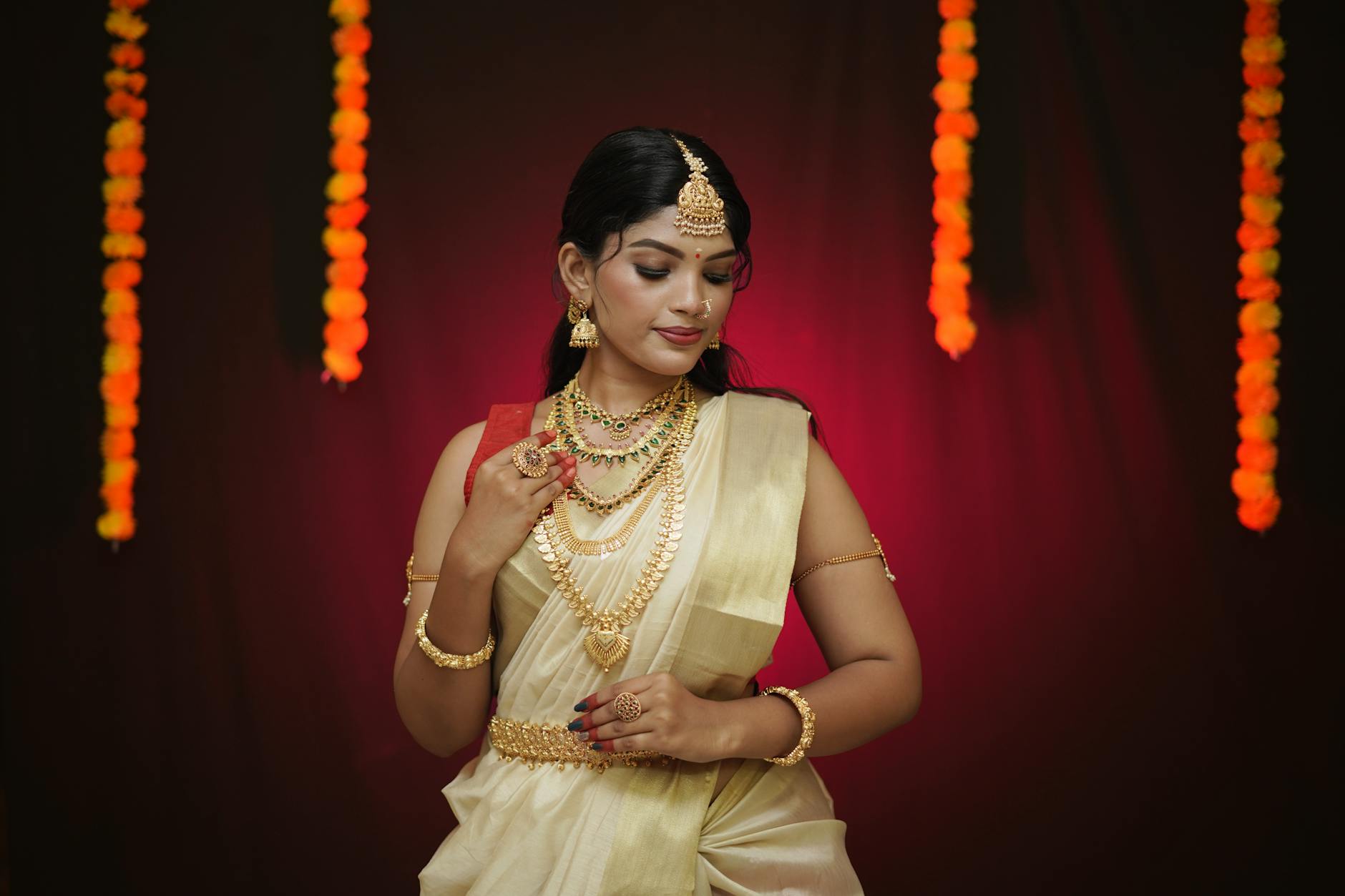
Gold Jewelry Pairing: Red and gold is the ultimate Indian festive combination. Every major celebration — weddings, Karva Chauth, Diwali — features this pairing. For Day 6, bring out your finest gold set. A bridal-style choker with matching jhumkas and maang tikka creates a look worthy of the warrior goddess. Ruby-studded gold pieces are particularly auspicious, as red gemstones amplify the day's energy. Styling Tip: Red is bold enough to handle maximum jewelry without looking overdone. Layer necklaces, stack bangles generously, and add a nath if you have one. Meenakari jewelry in red and green enamel on gold is a traditional masterpiece that aligns perfectly with Day 6. A gold kamarband (waist chain) over a red saree is the ultimate statement. Budget Option: Red and gold imitation kundan sets (₹1,500-₹4,000) are the most popular Navratri purchase in this category. Red glass bangles with gold detailing (₹100-₹400 per set) are a must. Red silk thread jewelry with gold-plated accents (₹500-₹1,200) offers a trendy alternative.Day 7 (October 8): Royal Blue — Celebrating Goddess Kaalratri
Royal blue, the color of depth, power, and cosmic energy, celebrates Goddess Kaalratri, the fiercest form of Durga. This intense, rich color invites equally bold jewelry choices.
Gold Jewelry Pairing: Royal blue and gold is a combination of aristocratic elegance. This is the day for polki jewelry — the uncut diamond work set in gold with blue enamel backing (meenakari) creates a look that is both traditional and regal. Sapphire-accented gold pieces, gold chokers with blue stone settings, and heavy gold kadas worn against blue fabric create stunning visual impact. Styling Tip: Blue absorbs light, so choose jewelry with high shine and sparkle. Polished gold, pieces with stone settings that catch light, and textured gold surfaces that create depth all perform well against royal blue. A multi-strand gold haar creates a cascading golden waterfall effect against the deep blue background. Budget Option: Blue and gold is a popular combination in fashion jewelry. Blue stone-studded imitation sets in gold plating (₹1,200-₹3,000) are widely available. Lac bangles in blue with gold accents (₹200-₹600 per set) add an ethnic touch.Day 8 (October 9): Pink — Honoring Goddess Mahagauri
Pink, the color of compassion, love, and feminine grace, honors Goddess Mahagauri, the fairest and most gentle form of the divine mother. Pink ranges from soft blush to vibrant fuchsia, and jewelry pairing depends on the shade chosen.
Gold Jewelry Pairing: Pink and gold is a modern favorite, combining femininity with festive grandeur. For soft pink outfits, rose gold or light gold pieces create a dreamy, romantic look. For hot pink or magenta, bright yellow gold provides a vibrant contrast. Tourmaline or pink stone-studded gold jewelry is particularly beautiful on this day. A gold and pink enamel necklace set bridges the traditional and contemporary beautifully. Styling Tip: Pink is photographically forgiving and looks excellent in both natural and artificial light, making it perfect for Garba nights. Choose jewelry that moves and catches light — chandbali earrings, jhumkas with small hanging elements, and layered chains all create dynamic movement under the lights of the dance floor. Budget Option: Pink and gold combination jewelry is a staple of imitation jewelry markets. A complete set including necklace, earrings, tikka, and bangles can be found for ₹1,500-₹4,000. Meenakari bangles in pink and gold (₹300-₹800 per set) are a charming addition.Day 9 (October 10): Purple — Celebrating Goddess Siddhidatri
Purple, the color of spirituality, royalty, and transformation, closes Navratri by honoring Goddess Siddhidatri, the bestower of all supernatural powers. Purple is the rarest color in traditional Indian textiles, making Day 9 outfits particularly special.
Gold Jewelry Pairing: Purple and gold is an undeniably royal combination. Amethyst-studded gold pieces are the gemstone choice of the day, connecting the purple outfit to the gold jewelry through complementary tones. Antique gold works exceptionally well with purple, as the warm, aged tones of antique finish contrast beautifully with purple's cool undertones. A heavy antique gold choker with a statement pendant is the hero piece for Day 9. Styling Tip: Purple can skew either warm or cool depending on the shade. Warm purples (plum, wine-adjacent) pair better with yellow gold and antique finishes. Cool purples (lavender, violet) pair beautifully with rose gold or white gold accents. A matha patti or elaborate hair jewelry creates an ethereal, goddess-like effect that perfectly captures the spiritual significance of the final day. Budget Option: Purple and gold imitation sets are less common in budget markets than red or pink, so consider purchasing a versatile gold-toned set and adding purple elements through bangles, dupattas, and hair accessories. Oxidized silver with purple beads (₹600-₹1,500) offers an alternative aesthetic.Dandiya-Safe Jewelry: Dance Without Worry
The Challenge of Active Festival Wear
Gujarat's Garba and Dandiya Raas celebrations, along with similar dance-centric Navratri events across India, present a unique challenge for jewelry wearers. The vigorous twirling, clapping, and stick-play of Dandiya demands jewelry that stays secure, does not snag on fabric or sticks, and is lightweight enough for hours of dancing.
What to Wear
| Jewelry Type | Dandiya-Safe? | Recommendation |
|---|---|---|
| Stud earrings | Yes | Best choice — secure, no snagging risk |
| Small jhumkas (under 5g) | Yes | Secure with proper ear hooks |
| Large chandbalis | No | Risk of catching on hair, dupatta, or dandiya sticks |
| Choker necklace (flat) | Yes | Stays in place during movement |
| Long pendants/chains | No | Swing dangerously during vigorous dance |
| Bangles (thin, smooth) | Yes | Ensure a snug fit to prevent sliding off sweaty wrists |
| Broad kadas | Caution | Can bruise during stick-play — use padded or rounded edges |
| Maang tikka (chain) | No | Slides off with head movement |
| Maang tikka (clip) | Yes | Clip-style stays secure during dance |
| Nose ring with chain | No | Extreme snagging risk |
| Small nose stud | Yes | No risk if properly fitted |
| Payal/anklets | Yes | Add rhythmic music to footwork |
Recommended Dandiya Jewelry Sets
The Minimalist Dancer (Under ₹2,000): Lightweight oxidized silver jhumkas + thin glass bangles + small bindi + payals. Total weight under 50 grams of jewelry. The Stylish Dancer (₹2,000-₹10,000): Gold-plated kundan studs + flat choker necklace + slim gold-plated bangles (4-6) + clip-on tikka + anklets with small bells. Secure, stylish, and dance-friendly. The Gold Dancer (₹30,000-₹80,000): Small gold jhumkas (5-7g) + thin gold chain with small pendant (4-5g) + gold bangles (2-3 thin ones, 6-8g each) + gold payals (8-10g pair). Real gold that is practical for dancing.Regional Navratri Jewelry Styles
Gujarat: The Garba Queen
Gujarati Navratri jewelry is perhaps the most distinctive and elaborate in India. The traditional look centers around the jhoomka (a heavy, dome-shaped earring with hanging elements), the hansdi (a rigid neck ring), and stacks upon stacks of colorful bangles. Kutchi jewelry, featuring mirror work, lacquer, and heavy silver, is the traditional foundation, though gold and imitation versions have become increasingly popular.
The iconic Gujarati Navratri accessory is the bajuband (armlet), worn on the upper arm over chaniya choli blouses. A traditional silver bajuband weighs 30-50 grams and costs ₹3,000-₹5,000, while gold versions range from ₹80,000 to ₹2,00,000. Gujarati women also favor elaborate matha pattis (head chains), waist chains with dangling elements, and multiple nose rings — sometimes wearing a different one each night.
The Garba jewelry market in Ahmedabad, particularly in the areas around Law Garden and Rani No Hajiro, comes alive in the weeks before Navratri. Artisans display thousands of handcrafted pieces specifically designed for the nine nights. Prices for complete imitation sets range from ₹500 to ₹5,000, while authentic silver pieces run from ₹5,000 to ₹25,000.
Bengal: Durga Puja Elegance
Bengal's Durga Puja brings a different aesthetic to Navratri jewelry. The emphasis is on elegance and refinement rather than the exuberant abundance of Gujarat. Traditional Bengali jewelry pieces for the puja include the sita haar (a long, delicate chain of small gold links), the ratanchur (a domed ring connected by chains to a bracelet), and the chik necklace (a flat, collar-style piece).
During the five days of Durga Puja, Bengali women follow specific jewelry traditions. On Shashti, the first evening, a lighter look is appropriate. By Ashtami, the most important puja day, the full ceremonial jewelry is worn. The traditional Ashtami look includes white and red bangles (shakha-pola), a gold sita haar, pointed gold earrings (kanphool), and a large round bindi.
The gold content of Bengali Durga Puja jewelry tends to be more restrained than North Indian festive jewelry. A typical Ashtami set — sita haar, kanphool earrings, and a pair of gold bangles — might weigh 25-40 grams total (₹1,50,000-₹2,40,000). The aesthetic priority is craftsmanship over weight, with fine filigree work and delicate chains valued over heavy, solid pieces.
South India: Golu and Bommai Kolu Traditions
In Tamil Nadu, Karnataka, and Andhra Pradesh, Navratri is celebrated with Golu or Bommai Kolu — a display of dolls and figurines arranged on stepped shelves. Women dress in their finest sarees and gold jewelry to visit each other's homes and view their Golu displays. The South Indian Navratri jewelry aesthetic is dominated by temple jewelry.
Temple jewelry — gold pieces featuring gods, goddesses, and sacred motifs — is the foundation of the South Indian Navratri look. A temple choker with a Lakshmi pendant, matching temple jhumkas, a vanki (armlet) with deity figures, and a heavy oddiyanam (waist belt) comprise the traditional ensemble. These pieces are typically in 22K gold with ruby and emerald accents.
| Navratri Style | Primary Metal | Key Pieces | Avg. Budget |
|---|---|---|---|
| Gujarati Garba | Silver/Imitation | Hansdi, bajuband, matha patti, heavy jhumkas | ₹3,000-₹15,000 |
| Bengali Puja | Gold (fine) | Sita haar, kanphool, ratanchur, shakha-pola | ₹1,00,000-₹2,50,000 |
| South Indian Golu | Gold (temple) | Temple choker, vanki, oddiyanam, jhumkas | ₹1,50,000-₹4,00,000 |
| North Indian | Gold/Kundan | Choker, rani haar, chandbalis, tikka, kadas | ₹50,000-₹2,00,000 |
Gold vs. Imitation Jewelry for Navratri: A Practical Analysis
The Case for Gold
Gold jewelry for Navratri is an investment that serves multiple purposes. Pieces bought for Navratri can be worn throughout the year for other festivals, weddings, and celebrations. Gold retains and typically appreciates in value, making it a dual-purpose purchase of adornment and savings. The luster, weight, and feel of real gold are unmistakable and cannot be fully replicated by imitation pieces.
For women who attend Navratri events across all nine nights, having a core collection of versatile gold pieces makes economic sense over repeatedly buying disposable imitation sets. A pair of medium gold jhumkas (8-10g, approximately ₹48,000-₹60,000 at current rates) worn across 50-100 occasions over a decade costs less per wear than buying a new imitation pair each season.
The Case for Imitation
Navratri's nine-color tradition practically demands variety — wearing the same gold set with nine different outfits can feel repetitive. Imitation jewelry offers the freedom to experiment with color-matched pieces for each day without financial concern. For Dandiya nights where jewelry faces physical stress, using imitation pieces protects your gold investment. Young women and students can participate fully in the daily color tradition without needing a gold collection.
The imitation jewelry market has advanced dramatically. High-quality imitation kundan, polki, and temple sets now feature real semi-precious stones, high-grade plating, and craftsmanship that is nearly indistinguishable from gold at normal viewing distances. A well-chosen imitation set costing ₹2,000-₹5,000 can look nearly as impressive as gold in photographs and under festive lighting.
The Smart Hybrid Approach
The wisest Navratri jewelry strategy combines both. Build a foundation of two to three versatile gold pieces — a classic necklace, a pair of jhumkas, and a set of bangles — that work across multiple days and colors. Supplement with color-specific imitation pieces for perfect coordination each day. Reserve your gold for the most photographed days (Day 6 Red and Day 9 Purple are typically the biggest) and use quality imitation for other days.
Budget Planning for Nine Days of Navratri
Complete Imitation Jewelry Budget
| Item | Per Day Cost | 9-Day Total |
|---|---|---|
| Necklace set (necklace + earrings) | ₹500-₹2,000 | ₹4,500-₹18,000 |
| Bangles (color-matched set) | ₹100-₹400 | ₹900-₹3,600 |
| Maang tikka | ₹150-₹500 | ₹1,350-₹4,500 |
| Extras (payals, rings, clips) | ₹200-₹500 | ₹1,800-₹4,500 |
| Total | ₹950-₹3,400 | ₹8,550-₹30,600 |
Mixed Gold and Imitation Budget
Invest in 2-3 gold pieces worn across multiple days, supplement with imitation for color coordination:
- Gold jhumkas (8g, 22K): ₹48,000 — worn on all 9 days
- Gold bangles pair (12g each, 22K): ₹1,44,000 — worn on 5-6 days
- Imitation necklace sets (9 colors): ₹9,000-₹18,000
- Imitation bangles (4-5 color sets): ₹500-₹2,000
- Imitation tikkas and extras: ₹2,000-₹5,000
- Total: ₹2,03,500-₹2,17,000 (with ₹1,92,000 in gold value retained)
Navratri Jewelry Care Tips for Dancers
Taking care of your jewelry during nine nights of vigorous celebration requires attention. For gold pieces, wipe down with a soft cloth after each night's Garba to remove sweat and grime — salt in perspiration can dull gold over time. For imitation jewelry, never store pieces while damp; allow them to air dry completely before returning them to pouches. Remove all jewelry before bathing or applying haldi-based beauty treatments, which can permanently stain both gold and imitation pieces.
For Dandiya-specific care, check all clasps and hooks before each night. The repeated impact of dandiya sticks can loosen catches over time. Carry a small jewelry pouch with extra earring backs, a safety pin (for emergency necklace clasp repair), and a soft cloth for mid-event touch-ups.
Frequently Asked Questions
1. Do I have to change jewelry every day of Navratri?
There is no religious requirement to change jewelry daily. The nine-color tradition is a cultural practice rather than a scriptural mandate, and it applies primarily to clothing. However, coordinating jewelry with your daily color enhances the overall look and has become an enjoyable creative exercise for millions of women. If changing jewelry daily is impractical, a versatile gold set that complements multiple colors — such as a classic temple choker and matching jhumkas — works beautifully across all nine days. The devotion and joy you bring to the celebration matter far more than perfect accessory coordination.
2. What is the most important jewelry piece for Navratri?
If you can wear only one piece, make it earrings. Earrings frame the face, are visible in photos even when other jewelry is hidden by draping, and stay secure during dance activities. Gold jhumkas are the single most versatile Navratri jewelry piece — they work with every color, every outfit style (saree, chaniya choli, salwar kameez, or even Indo-Western), and every occasion from the morning puja to the late-night Garba. A pair of well-crafted gold jhumkas weighing 8-10 grams is the foundation piece every woman should own for Navratri.
3. Is it safe to wear expensive gold jewelry during Dandiya nights?
Safety during large Dandiya events is a valid concern. While most community Garba venues have security, the crowded environment does present risks. Practical recommendations include: wearing secure pieces with reliable clasps rather than hook-style closures, avoiding easily snatchable long chains or loose necklaces, keeping jewelry insured if the total value exceeds ₹1,00,000, attending events organized by reputable clubs or societies with proper security arrangements, and leaving your most valuable heirloom pieces at home in favor of mid-range gold or high-quality imitation. Many women keep their finest gold for the home puja and intimate family gatherings, wearing imitation for public events.
4. What jewelry should I wear for Durga Puja anjali?
The anjali (offering) ceremony on Ashtami morning is the most sacred moment of Durga Puja. Traditional attire is a white saree with a red border, and the jewelry should be elegant but not ostentatious. A simple gold chain, small gold earrings or studs, white and red shakha-pola bangles, and a red bindi comprise the traditional anjali look. Heavy or jangling jewelry is considered inappropriate for the puja itself, as it can distract from the prayers. Save your elaborate pieces for the evening celebrations and pandal-hopping.
5. Can men wear jewelry during Navratri?
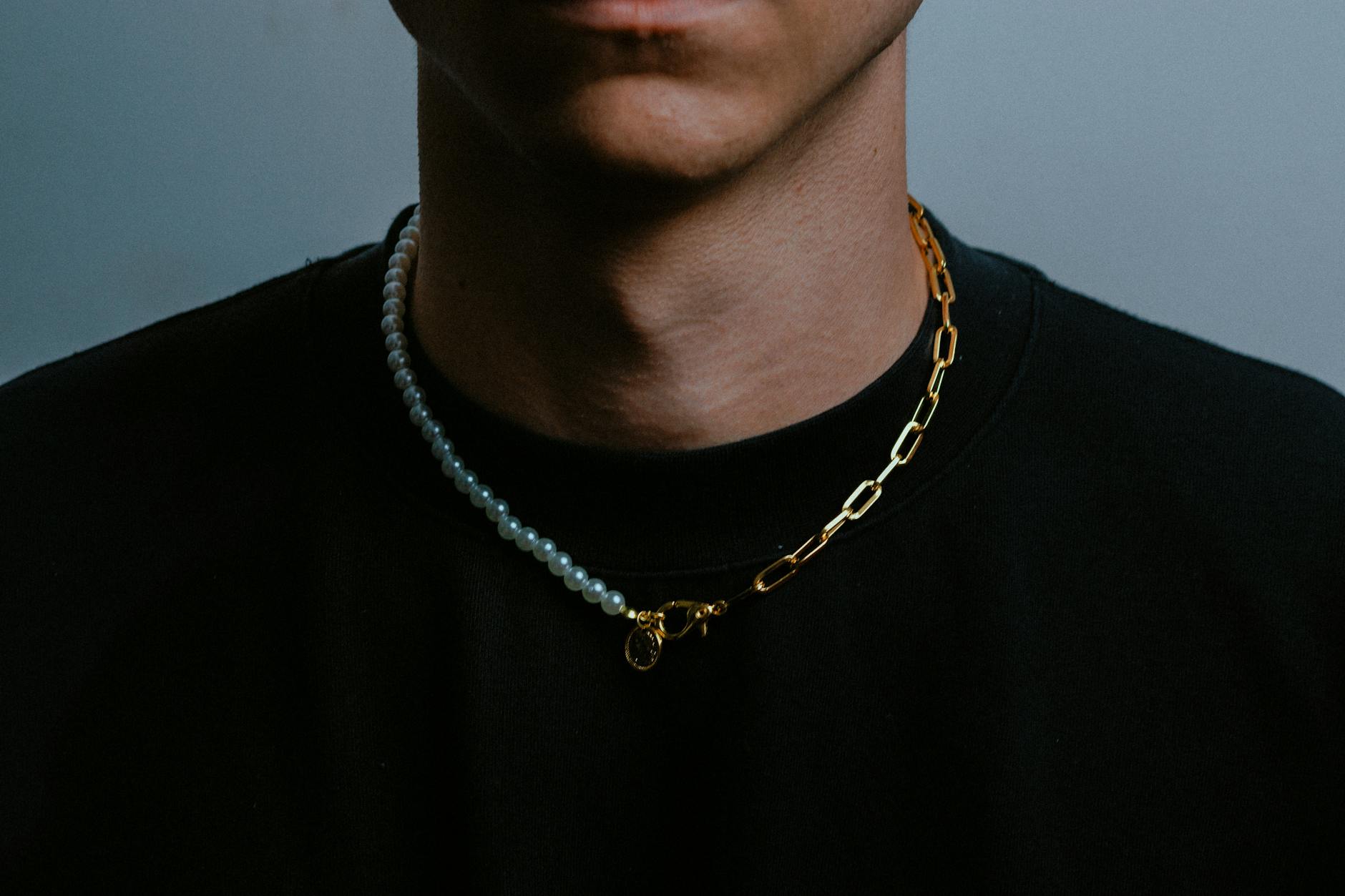
Absolutely. Navratri is an inclusive celebration, and many men participate in the color tradition with appropriate accessories. Gold chains, bracelets, rings, and stud earrings are popular choices for men during Garba nights. Traditional men's jewelry like the Rajasthani kalangi (turban brooch) or a simple gold kada adds festive flair to kurta-pajama or pathani suits. In Gujarat, men participating in Garba often wear traditional silver or gold chains and bracelets. The key is to keep men's jewelry proportionate and secure for dancing.
6. How do I choose jewelry for a chaniya choli versus a saree for Navratri?
Chaniya choli, the traditional Gujarati three-piece outfit (flared skirt, fitted blouse, and dupatta), has a different neckline and silhouette than a saree, and jewelry choices should reflect this. Chaniya choli blouses typically have higher, more structured necklines that suit chokers and short necklaces. The visible midriff section invites a waist chain or kamarband. The dupatta draped across the front calls for lighter necklaces that do not get tangled. For sarees, longer necklaces and larger statement pieces work better, as the pallu provides a backdrop. Regardless of outfit, ensure jewelry weight is balanced — if you go heavy on the necklace, keep earrings lighter, and vice versa.
7. What are the best cities for buying Navratri jewelry in India?
Ahmedabad and Rajkot (Gujarat) are the undisputed capitals of Navratri jewelry shopping, with thousands of vendors offering everything from ₹100 imitation sets to ₹5,00,000 gold ensembles. Jaipur is excellent for kundan, polki, and meenakari pieces that pair beautifully with Navratri colors. Kolkata's Bowbazar and New Market areas offer the finest Bengali gold work for Durga Puja. Chennai's T. Nagar is the destination for temple jewelry that complements the South Indian Navratri tradition. Mumbai's Zaveri Bazaar and Delhi's Chandni Chowk offer pan-Indian variety. For online shopping, use JewellersInCity's store finder to locate hallmark-certified jewellers offering Navratri collections near you.
8. How do I match oxidized silver jewelry with Navratri colors?
Oxidized silver has become a Navratri favorite for its bohemian, earthy aesthetic and affordable pricing. It pairs best with deep, rich colors — forest green (Day 2), royal blue (Day 7), and purple (Day 9). It also creates a beautiful contrast with white (Day 5). With red (Day 6), oxidized silver works only if the red leans toward maroon or wine rather than bright crimson. Avoid pairing oxidized silver with yellow (Day 1) or orange (Day 4), as the cool grey tones clash with these warm colors. For those days, switch to gold or gold-plated pieces.
9. What is the average cost of a complete Navratri jewelry collection?
This varies enormously based on your approach. A complete imitation collection covering all nine days (9 necklace sets, 9 bangle sets, 9 tikkas, and extras) costs ₹8,000-₹30,000. A mixed approach with 3-4 gold pieces and imitation color-specific supplements costs ₹1,50,000-₹3,00,000. A full gold collection for all nine days, with multiple sets, ranges from ₹5,00,000 to ₹15,00,000 or more. Most women build their Navratri collection over many years, adding one or two quality pieces each season.
10. Should I buy Navratri jewelry in advance or during the festival season?
Buy gold pieces 2-3 months in advance when there is no seasonal price premium. Jewellers in August-September often increase making charges by ₹100-₹300 per gram due to demand. Imitation jewelry, however, should be bought during the Navratri season itself, when the widest variety is available. Many vendors unveil their best collections only in the final two weeks before the festival. For the best of both worlds, purchase your gold foundation pieces during Akshaya Tritiya (April-May) or Dhanteras (October-November of the previous year), and shop for imitation color-coordinated pieces in September.
11. How do I store jewelry from nine nights of Navratri without tangling?
Invest in a compartmentalized jewelry organizer specifically for your Navratri collection. Label compartments by day number or color for quick access during the hectic festival period. Alternatively, use nine individual zip-lock bags labeled Day 1 through Day 9, each containing that day's complete jewelry set. This "outfit bag" approach saves enormous time during the festival when you are getting ready alongside puja preparations. For gold pieces worn across multiple days, designate a central soft pouch that you return them to each night after gentle cleaning.
12. Are there any jewelry pieces considered inauspicious during Navratri?
During the nine days of Goddess worship, certain traditional guidelines apply. Jewelry made from leather or animal-derived materials should be avoided, as many devotees observe vegetarian and sattvic (pure) practices during Navratri. Broken or damaged jewelry is traditionally considered inauspicious during any form of Devi worship. Some families avoid wearing all-black jewelry during Navratri, reserving it for more somber occasions. Jewelry recently received in connection with a death in the family should not be worn during the festive celebrations. Beyond these traditional guidelines, there are no specific restrictions — the Goddess celebrates beauty, creativity, and the feminine spirit in all its forms.
Conclusion: Celebrate the Divine Feminine in Every Piece
Navratri is ultimately a celebration of Shakti — the divine feminine power that creates, sustains, and transforms the universe. When you adorn yourself with care and intention across these nine sacred nights, you are not merely following a fashion trend. You are participating in a millennia-old tradition of honoring the Goddess through beauty, creativity, and devotion.
Whether your Navratri jewelry comes from a family vault, a trusted local jeweller, or a festive market stall, wear it with joy and confidence. Let the colors guide your choices, let tradition inspire your selections, and let your personal style shine through every piece. The Goddess, in all her nine magnificent forms, celebrates the beauty that comes from within.
Discover Navratri jewelry collections from hallmark-certified jewellers across India on JewellersInCity. From traditional temple sets to modern Dandiya-safe pieces, find the perfect jewelry for every night of the celebration.
More in Trends & Styles
Share this article
Our editorial team comprises jewellery industry veterans, certified gemmologists, and passionate writers with decades of combined experience across India's gold, diamond, and gemstone markets. Every article is researched, fact-checked, and written to help Indian buyers make smarter, safer jewellery decisions.
Passionate about jewellery and love to write? We'd love to hear from you.
Join us as a writer →Ready to buy? Find verified jewellers near you
Browse 10,000+ BIS hallmark certified jewellers across India. Compare ratings, check today's gold rate, and book a visit.
Keep Reading