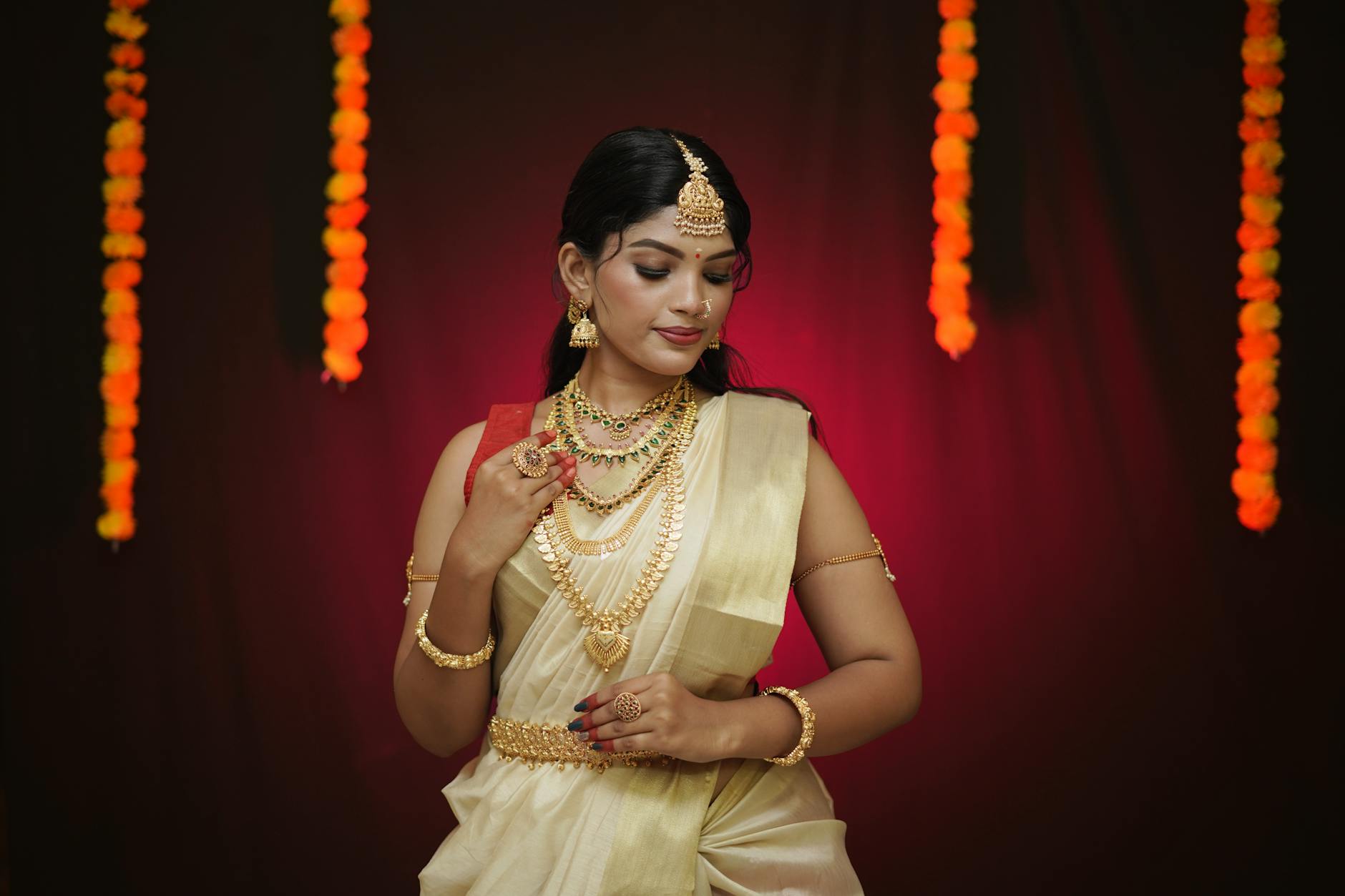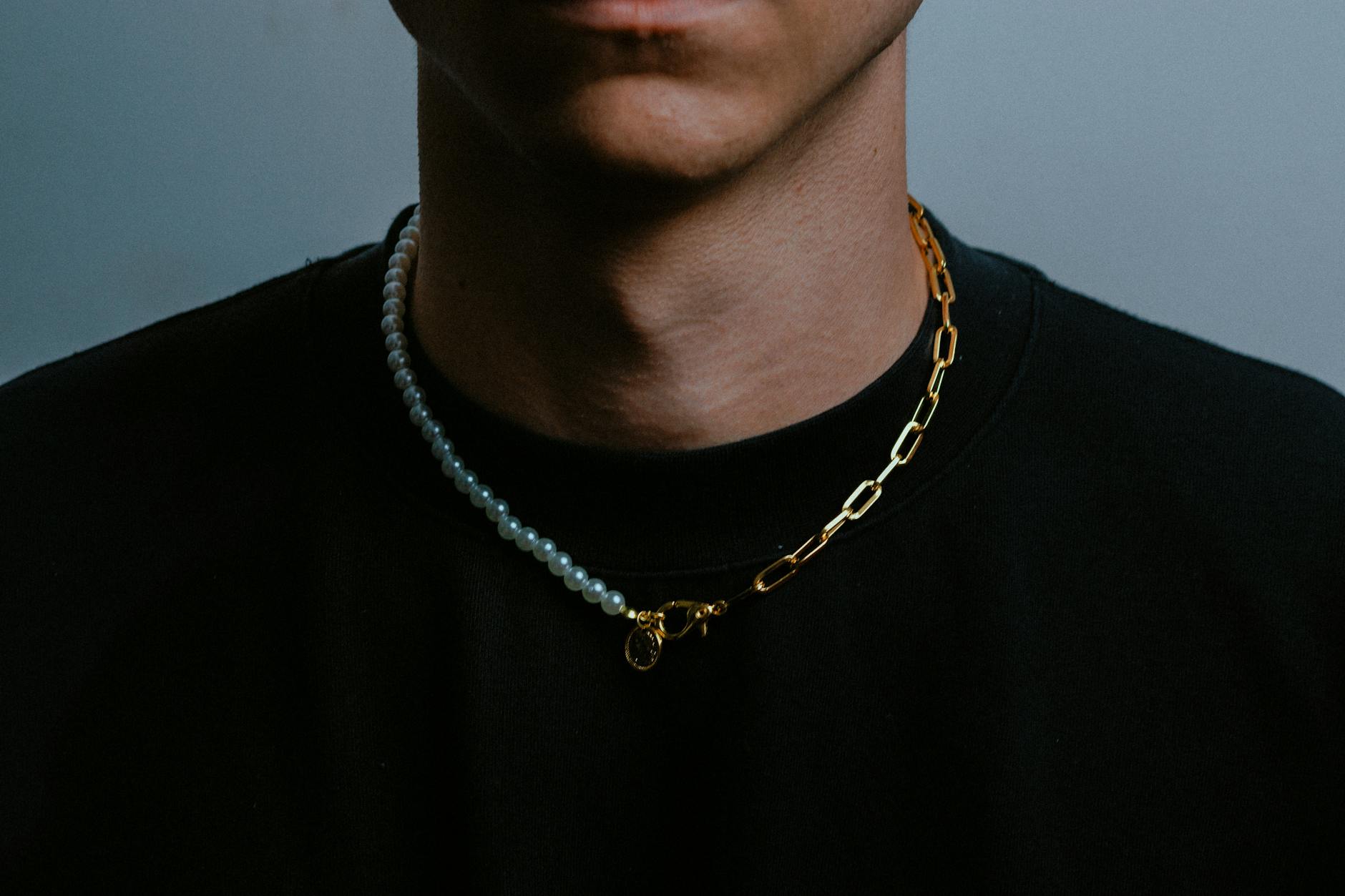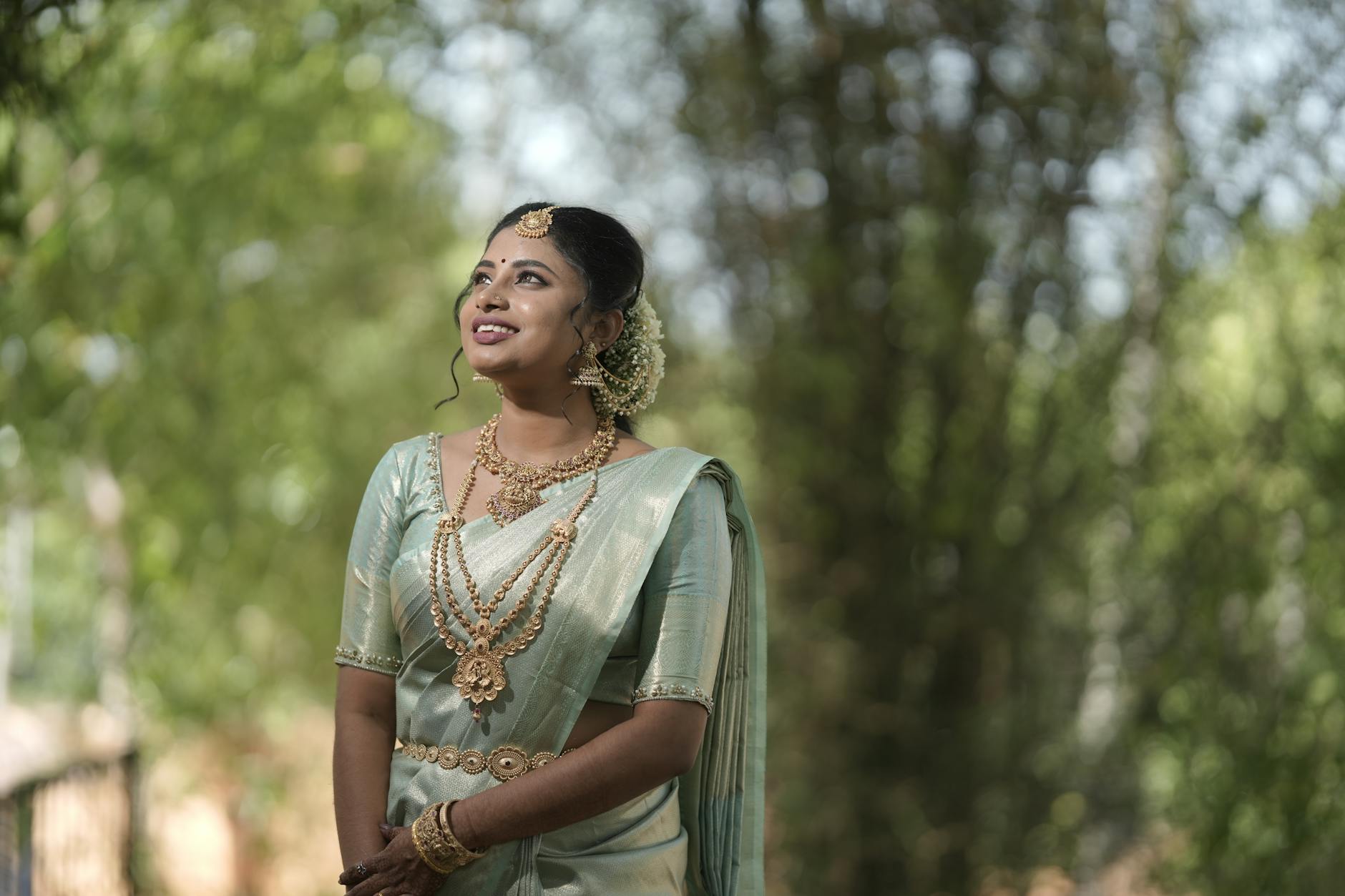
Kerala has a relationship with gold that is unique even within gold-obsessed India. A state of 25 million people that consumes an estimated 20% of India's total gold, Kerala's per-capita gold consumption is among the highest in the world. This extraordinary love of gold is expressed most beautifully in a tradition of jewellery forms that are found nowhere else — the Palakka Mala, Kasumala, Manga Mala, and the iconic Jimikki Kammal that became a national phenomenon. This guide covers everything you need to know about Kerala's golden heritage.
Kerala's Gold Culture: Why So Much?
Kerala's gold culture has deep roots in history, religion, and economics. The state's centuries-long role as the hub of the spice trade meant that Arab, Chinese, European, and inland merchants passed through Kerala's ports, and gold was the universal currency of this commerce. Synagogue communities, Syrian Christian communities, Muslim merchants along the Malabar coast, and Hindu temple trusts all accumulated gold as the primary store of value.
Temple culture amplified this. Kerala's major temples — Padmanabhaswamy (which reportedly holds trillions in gold), Guruvayur, Sabarimala — receive gold as offerings and maintain extraordinary gold inventories. The tradition of gifting gold at every major life event — birth (naming ceremony), ear piercing (Karnavedha), first education (Vidhyarambham), engagement, wedding, and house-warming — means that a Malayali household typically accumulates gold across generations.
At Kerala weddings, the bride traditionally receives gold from both families. In many communities, brides receive 50–200 grams of gold at the wedding ceremony alone, with additional pieces given at the engagement and by extended family. This is not ostentation — it is a practical wealth transfer mechanism in a culture where gold is the most trusted store of value.
The Iconic Kerala Jewellery Pieces
Kasumala — The Coin Necklace
The Kasumala (also spelled Kaasumala) is Kerala's most iconic necklace — a string of gold coins, typically featuring Hindu deity imagery, strung together with a gold chain or thread. The word "kaasu" means "coin" in Malayalam.
Traditionally, Kasumalas used actual gold coins — temple coins, old currency, or specially minted devotional coins. Today, most Kasumalas use purpose-made gold discs (typically 22K) stamped with images of Goddess Lakshmi, Lord Vishnu, Lord Padmanabha, or the sun and moon motifs. A standard Kasumala has 11, 13, 21, or 27 coins (odd numbers considered auspicious), with each coin weighing 1.5–3 grams.
The Kasumala represents accumulated family wealth passed through generations. Owning a Kasumala is considered a sign of a family's established standing. It is a mandatory piece in traditional Kerala Hindu bridal jewellery and is also worn by brides in Kerala Christian and certain Kerala Muslim communities.
Manga Mala — The Mango Necklace
The Manga Mala (mango necklace) takes its name from the mango-shaped gold pendants — a paisley or mango motif considered sacred and auspicious across South India. The mango is associated with Goddess Parvati and represents fertility, prosperity, and new beginnings.
A classic Manga Mala consists of elongated mango-shaped gold units (each 2–4 grams) linked together, creating a substantial statement necklace. The individual manga units may be plain polished gold, textured, or set with rubies and emeralds in temple jewellery style. The central unit is typically larger — a traditional design known as the "adiga" design featured in classical Kerala paintings and sculptures.
The Manga Mala is central to traditional Kerala Hindu bridal jewellery and is also prominent in Bharatanatyam and Mohiniyattam classical dance performance jewellery. Many Keralites prefer the Manga Mala over the Kasumala as it is more distinctively "Malayali" in character.
Palakka Mala — The Green Stone Necklace
The Palakka Mala is most distinctive to Kerala Christian bridal jewellery — particularly Syrian Christian (Nasrani) brides — though it has become popular across Kerala communities. "Palakka" refers to a specific type of green stone set in gold, creating a vivid contrast of green and gold that is immediately recognisable.
Traditional Palakka stones were natural green gems — emeralds, green tourmalines, or peridot. Today, the majority of Palakka Malas use synthetic green glass or synthetic emeralds, which allow more affordable pricing while maintaining the classic appearance. The green stones are typically faceted in a simple cushion or oval cut and set in 22K gold collets in a line or multi-strand arrangement.
The Palakka Mala's green-gold colour combination holds deep symbolic significance in Syrian Christian tradition — green representing new life and hope, gold representing divine grace. It is traditionally given by the groom's family to the bride at the Christian wedding ceremony in Kerala.
Elakkathali — The Flat Bead Necklace
The Elakkathali is a traditional Kerala necklace composed of flat, broad gold beads (elakka means broad/flat in certain Malayalam dialects) connected in a flexible arrangement. It sits close to the neck like a choker and is associated with both bridal and temple jewellery contexts. The flat beads may be plain polished gold or etched with traditional motifs. Weight: typically 30–60 grams for a complete Elakkathali. Price range in 2026: ₹2,00,000–₹4,00,000.
Mullamottu Mala — The Jasmine Bud Chain
The Mullamottu Mala (jasmine bud chain) features tiny gold buds resembling jasmine flowers (mulla in Malayalam) linked together in a delicate chain. It is one of Kerala's most feminine and poetic jewellery designs — a necklace that references the jasmine garlands inseparable from Kerala's cultural life (weddings, prayers, hair decoration). Typically 15–25 grams, ₹1,00,000–₹1,65,000 in 2026.
Jimikki Kammal — The Iconic Earring
Before 2017, Jimikki Kammal was Kerala's well-loved traditional earring — a cone-shaped jhumka (chandelier earring) typically in 22K gold with fine granulation work and sometimes tiny coloured stone accents. After the song "Jimikki Kammal" from the film Velipadinte Pusthakam became a viral sensation with hundreds of millions of views, the earring became a national and international symbol of Kerala culture.
A traditional gold Jimikki earring weighs 3–8 grams per pair. Price range: ₹20,000–₹55,000 in 2026. The post-viral demand created a market for silver, imitation, and costume versions sold nationwide — but the authentic gold Jimikki remains a uniquely Kerala piece.
Kerala Jewellery Price Guide 2026
| Piece | Typical Weight | Karat | Price Range (2026) |
|---|---|---|---|
| Kasumala (21 coins) | 40–55g | 22K | ₹2,60,000–₹3,60,000 |
| Manga Mala | 30–45g | 22K | ₹2,00,000–₹3,00,000 |
| Palakka Mala (synthetic stones) | 20–35g gold | 22K | ₹80,000–₹1,60,000 |
| Palakka Mala (natural emeralds) | 20–35g gold | 22K | ₹1,50,000–₹5,00,000+ |
| Elakkathali | 30–60g | 22K | ₹2,00,000–₹4,00,000 |
| Mullamottu Mala | 15–25g | 22K | ₹1,00,000–₹1,65,000 |
| Jimikki Kammal (pair) | 3–8g | 22K | ₹20,000–₹55,000 |
⚠️ Making Charges Note
Kerala jewellery making charges are among the highest in India due to the intricate craftsmanship involved. Expect ₹500–₹1,200 per gram for fine handcrafted pieces like Kasumala and Manga Mala (compared to ₹250–₹450 per gram for plain chains). Always get a detailed invoice showing gold weight, stone charges, and making charges separately. Some jewellers in tourist areas combine these into a single "price per gram" which makes comparison difficult.
Where to Buy Kerala Jewellery
Thrissur — Gold Capital of Kerala: Thrissur (Trichur) is often called the cultural capital of Kerala, but it is also its undisputed gold capital. The city has the highest density of jewellery shops per square kilometre in India — an extraordinary concentration that includes small family goldsmiths, large showrooms, and wholesale dealers. The famous Thrissur Pooram festival has historically driven gold gift-giving that fuels the local jewellery economy. Major shopping areas: Round (MG Road), Shakthan Thampuran Nagar.
Mattancherry (Kochi): The historic Jewish-Portuguese quarter of Kochi, Mattancherry has traditional goldsmith families whose craft reflects the cultural diversity of this ancient trading port. Antique Kerala jewellery is often found in the curio shops here alongside new pieces.
Kozhikode (Calicut): North Kerala's major commercial city has a strong Mappila (Malabar Muslim) jewellery tradition. Gold jewellery for Muslim women — including distinctive Mapilla-style necklaces and earrings — is a specialty of Kozhikode's SM Street (Sweet Meat Street) area.
Major Kerala Jewellery Brands
Kalyan Jewellers: Founded in Thrissur by T.S. Kalyanaraman, now India's largest jewellery retail chain by number of stores. Kalyan's origin in Kerala means it deeply understands traditional Kerala jewellery and maintains an extensive collection of Kasumala, Manga Mala, and other traditional pieces while also serving pan-India markets.
Josco Jewellers: A Thrissur-based chain with deep roots in Kerala's traditional jewellery market. Josco is particularly known for authentic Kasumala and heritage-style pieces. Strong presence in central Kerala.
Bhima Jewellers: Founded in Thrissur in 1925, one of Kerala's oldest jewellery houses. Bhima is known for its South Indian and Kerala-traditional collections and strong craftsman relationships.
GRT Jewellers: A major Tamil Nadu chain with significant Kerala presence, particularly in Palakkad and Ernakulam. GRT bridges Tamil and Kerala jewellery traditions effectively.
Temple Jewellery for Dance and Onam
Kerala has a distinct tradition of temple jewellery (Thiruvabharanam) — elaborate sets worn by temple deities during festivals and also adapted for classical dance performances, particularly Bharatanatyam, Mohiniyattam, and Kathakali. Traditional temple jewellery uses gold over a lac-coated base metal core set with rubies, emeralds, and glass in the Jadau technique.
For Onam celebrations, many Keralites wear their finest traditional jewellery as part of the festival dress code — Kerala saree (Kasavu) with traditional gold jewellery. Lightweight Manga Mala, Kasumala, and Jimikki Kammal are the most popular pieces chosen for Onam as they balance traditional authenticity with comfort for a full day of festivities.
💡 Pro Tip
Kerala's jewellery tradition strongly prefers 22K gold (916 hallmark) over 18K, which is considered insufficiently pure for traditional pieces. When shopping for traditional Kerala jewellery outside Kerala — in Mumbai, Delhi, or Bangalore showrooms — verify that the pieces are 22K and not 18K being sold as "Kerala style." The BIS hallmark on each piece is your guarantee.
Frequently Asked Questions
Is a Kasumala a good investment? Yes, better than most fashion jewellery. Kasumala is primarily plain gold with minimal stone content and modest making charges compared to elaborate stone-set pieces. A Kasumala's resale value closely tracks the prevailing gold rate. Over 10–20 years, gold's track record in India has been a compound annual growth of approximately 10–12%, making Kasumala a reasonable store of value. However, "investment" in jewellery always means accepting some haircut on making charges at resale.
What is the difference between Manga Mala and Kasumala? The Kasumala is a coin necklace — its units are circular coins (kaasu) bearing deity imagery. The Manga Mala is a mango-shaped pendant necklace — its units are elongated paisley/mango forms (manga). Both are traditional Kerala bridal pieces, but they have distinct forms, motifs, and community associations. The Kasumala has a more pan-Kerala acceptance; the Manga Mala is more specifically associated with Hindu traditions and classical dance contexts.
Why is Kerala's gold jewellery primarily 22K rather than 18K? Kerala's preference for 22K gold reflects both cultural tradition and practical wealth philosophy. In Kerala's gold culture, jewellery is as much a savings instrument as an adornment — and 22K has higher gold content (91.6% vs 75%), making it more valuable by weight and easier to calculate resale value. The purity also gives Kerala gold jewellery its characteristic warm yellow colour, which is considered aesthetically and spiritually superior to the paler appearance of 18K alloys.
Where can I get Kerala traditional jewellery outside Kerala? Major jewellery chains with Kerala origins — Kalyan Jewellers, Bhima Jewellers, and GRT — have showrooms in major cities across India. In cities with large Malayali populations (Dubai, Abu Dhabi, Bangalore, Mumbai), dedicated Kerala jewellery showrooms are common. For the most authentic selection and best prices, Thrissur and the Kerala market remain unmatched.
More in Trends & Styles
Share this article
Our editorial team comprises jewellery industry veterans, certified gemmologists, and passionate writers with decades of combined experience across India's gold, diamond, and gemstone markets. Every article is researched, fact-checked, and written to help Indian buyers make smarter, safer jewellery decisions.
Passionate about jewellery and love to write? We'd love to hear from you.
Join us as a writer →Ready to buy? Find verified jewellers near you
Browse 10,000+ BIS hallmark certified jewellers across India. Compare ratings, check today's gold rate, and book a visit.
Keep Reading