The most expensive necklace in the room will not look its best on the wrong skin tone.
And conversely, an affordable chain in the right metal can look like it was made for you.
This is not a minor aesthetic quibble — it is a genuine and scientifically grounded principle of how light, colour, and skin interact.
Understanding your skin undertone is one of the most useful investments you can make before buying jewellery.
Understanding Skin Undertones: Warm, Cool, and Neutral
Your skin tone and your skin undertone are different things. Skin tone is the surface level of colour — fair, medium, wheatish, dusky, dark.
Undertone is the underlying hue that stays constant regardless of sun exposure, season, or your current tan level. Undertones fall into three categories:
- Warm undertones: The underlying colour is yellow, golden, or peachy. Common in South Asian, East Asian, Latino, and many Middle Eastern skin types.
- Cool undertones: The underlying colour is pink, blue, or purple. More common in Northern European skin types, but present across all ethnicities.
- Neutral undertones: A balance of both warm and cool. Neither distinctly yellow nor distinctly pink. The most flexible undertone category.
How to Identify Your Undertone
The Vein Test
Look at the veins on the inside of your wrist in natural daylight — not artificial light.
If your veins appear greenish, you likely have warm undertones (the green appearance comes from yellow skin tones filtering the blue veins).
If your veins appear blue or purple, you likely have cool undertones. If you see both green and blue and cannot clearly identify one, you likely have neutral undertones.
The Jewellery Test (If You Already Own Both)
Hold a piece of yellow gold jewellery against your bare wrist, then a piece of silver or white gold. Which looks better?
Which makes your skin look more radiant and alive? If yellow gold is noticeably more flattering, you have warm undertones.
If silver and white gold are clearly more beautiful against your skin, your undertones are cool. If both look equally good, your undertones are neutral — lucky you.
The White Paper Test
Hold a plain white piece of paper next to your bare face in natural light. Does your skin look yellowish or golden against the white?
That's warm. Does it look pinkish, rosy, or slightly bluish?
That's cool. If your skin looks greyish or appears to match the white closely, that's neutral.
The Indian Context: Why Yellow Gold is So Universally Loved
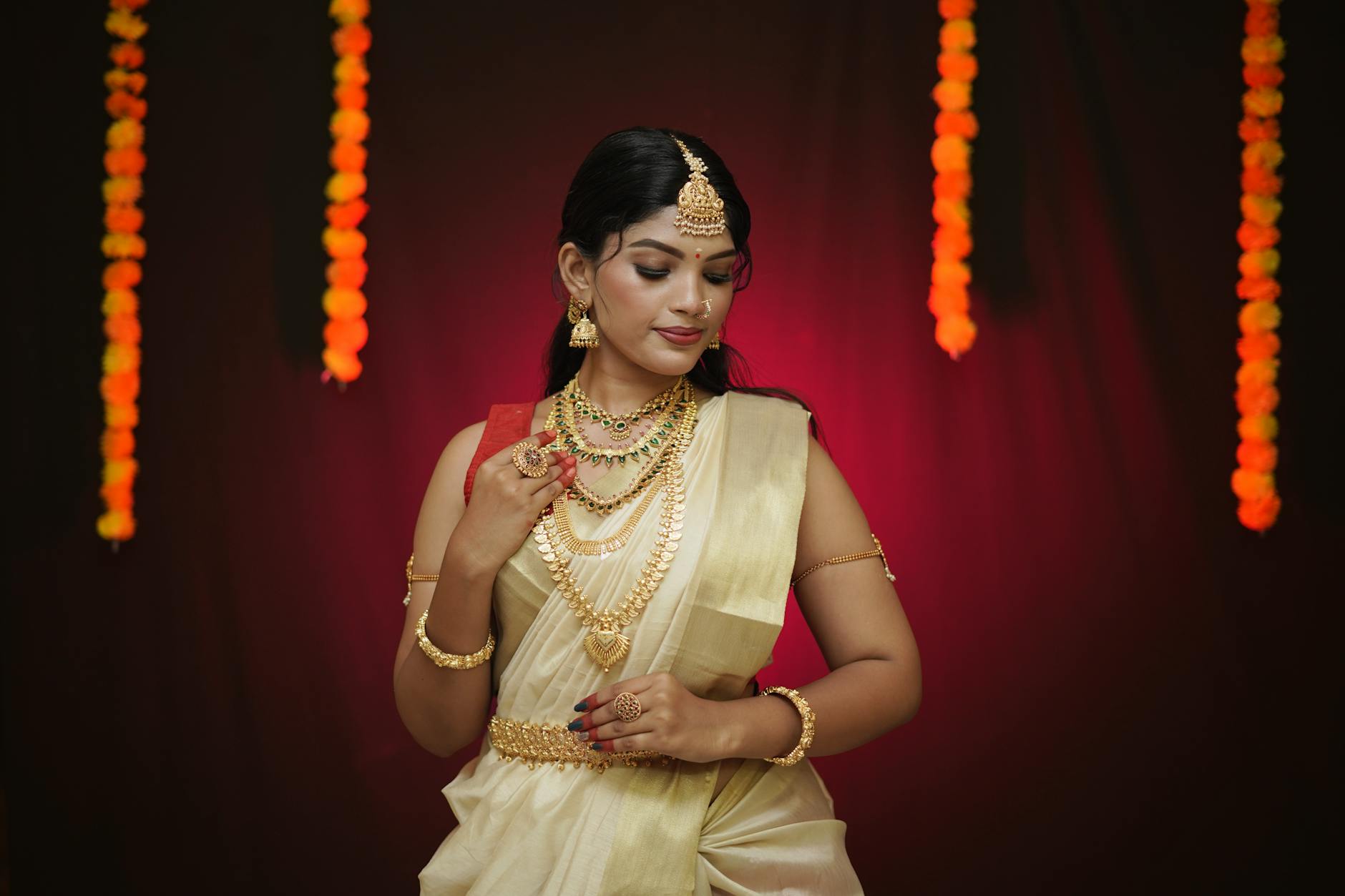
The majority of Indian skin — across the country's remarkable range of surface tones from the fair-skinned north to the deep-toned south — has warm undertones.
This is the physiological explanation for why 22K yellow gold looks so extraordinarily flattering on Indian women.
The yellow-gold warmth in the metal resonates with the warm undertones in the skin, creating a harmony that is genuinely beautiful.
It is not merely tradition — it is aesthetics grounded in biology.
Metal Recommendations by Undertone
Warm Undertones
Yellow gold is your metal. 22K yellow gold — with its rich, warm colour — is probably the most flattering jewellery metal that exists for warm-undertoned skin.
It does not compete with the skin's warmth; it resonates with it, making both the metal and the skin look better simultaneously.
Rose gold is also stunning on warm undertones — the copper content adds warmth and creates a beautiful synergy.
White gold and silver can be worn, but require more consideration.
Against warm-toned skin, very bright, icy white gold can create a contrast that reads as harsh rather than elegant.
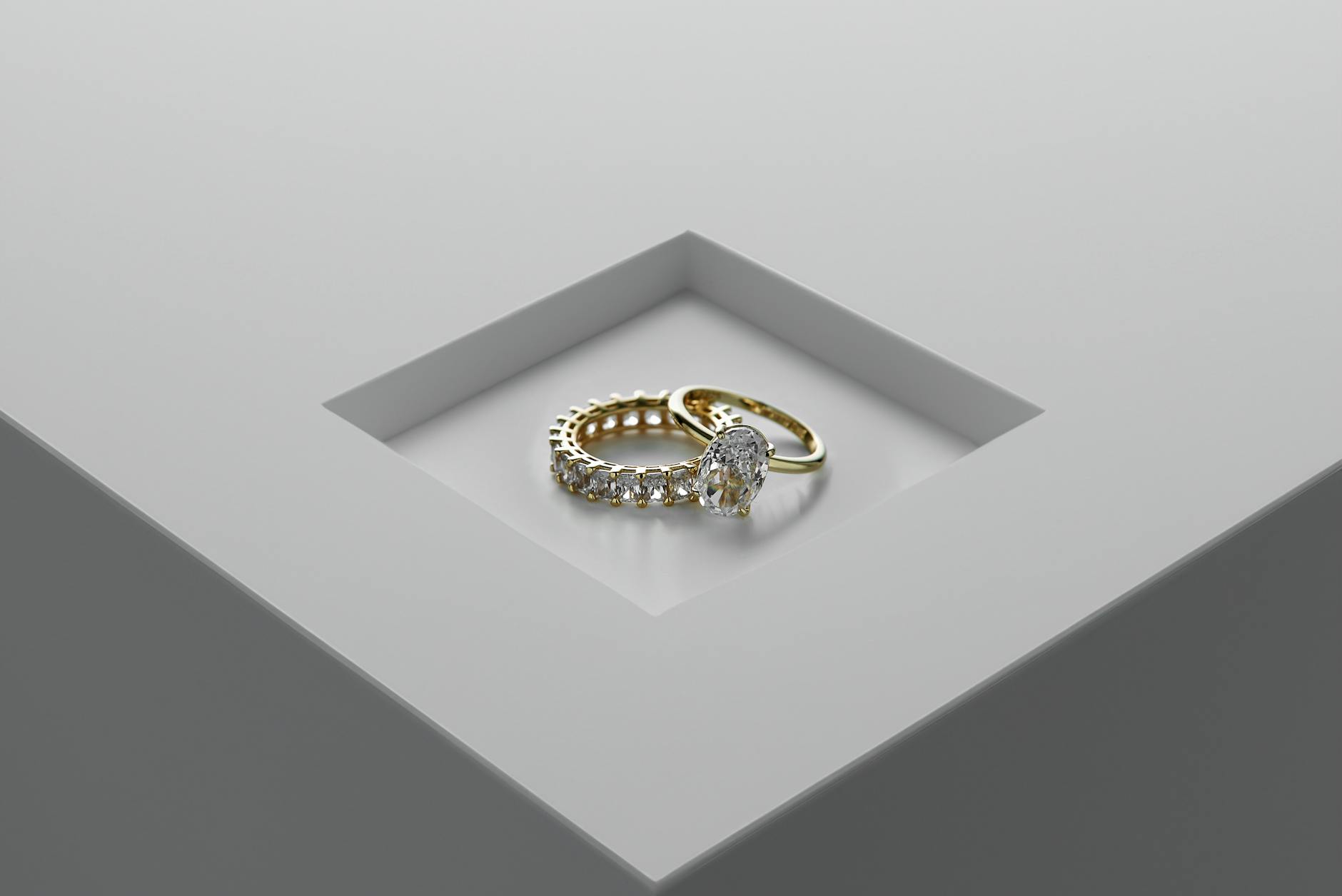
That said, contrast can be deliberately beautiful — a stark white diamond solitaire against warm brown skin is a classic look that works precisely because of the contrast.
Embrace it intentionally.
Cool Undertones
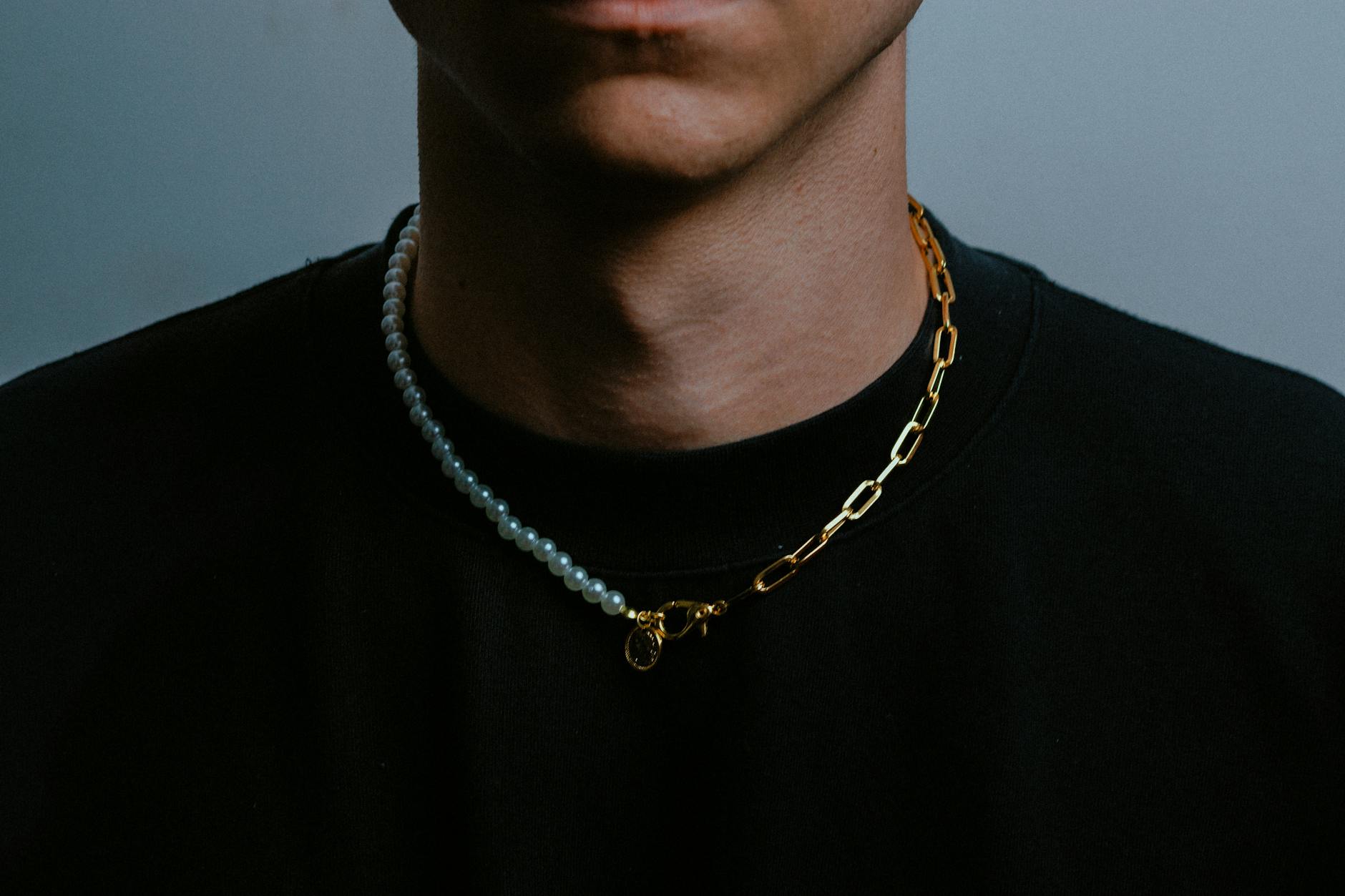
White gold and platinum are your metals.
The blue-silver tones of platinum and white gold harmonise with cool undertones in a way that makes the metal appear to glow rather than simply reflect.
Sterling silver also works beautifully. The metal seems to disappear into an elegant extension of the skin's cool quality.
Yellow gold against cool-toned skin creates contrast that can either look rich and bold or slightly "off," depending on the warmth of the gold and the depth of the cool undertone.
Indian yellow gold's warmth can look stunning against cool-toned skin as a deliberate contrast statement — particularly at festive or wedding occasions where richness of colour is the goal.
The key word is "deliberate." If you're wearing yellow gold against a cool undertone, commit to it fully and let the contrast be the statement.
Neutral Undertones
Neutral undertones are the most versatile. You can genuinely wear any metal well.
Yellow gold, white gold, rose gold, platinum, and silver all work — which also means you have to make active choices rather than relying on one metal as your default.
Use outfit colour, occasion formality, and personal preference to guide the selection rather than undertone.
Gemstone Recommendations by Undertone
Metal choice matters more than gemstone choice for undertone harmony, because the metal is in constant contact with your skin and the gemstone is typically elevated from the skin surface.
But gemstone colour still affects the overall impression:
| Undertone | Flattering Gemstone Colours | To Use Carefully |
|---|---|---|
| Warm | Warm stones: yellow sapphire, citrine, amber, coral, carnelian, warm rubies, deep garnet, golden topaz | Icy, very pale blues and greens can wash against warm skin; choose deeper tones if using these colours |
| Cool | Cool stones: blue sapphire, aquamarine, amethyst, tanzanite, emerald, iolite, moonstone | Warm orange and heavy coral tones can clash; deep warm rubies work better than orange-red ones |
| Neutral | All gemstone families work; diamonds (colourless) are universally flattering | No strong restrictions — experiment freely |
The Complete Undertone Guide: Metal, Setting, and Stone
| Undertone | Best Metal | Good Setting Metal | Best Gemstones | Avoid |
|---|---|---|---|---|
| Warm | 22K yellow gold | Rose gold | Ruby, yellow sapphire, citrine, coral, garnet | Icy pale stones in icy white settings |
| Cool | White gold, platinum | Silver, white gold | Blue sapphire, aquamarine, amethyst, emerald, diamond | Heavy orange-coral tones |
| Neutral | Any metal works | Any setting works | All gemstones; diamonds are universally flattering | No strong restrictions |
A Note on Rules vs Personal Preference
These are principles, not laws. The most important consideration is always whether you feel beautiful and confident in what you're wearing.
Undertone guidelines help you start from the right place, but personal style, cultural context, and individual preference should override any rule.
If a particular piece of jewellery makes you feel extraordinary, wear it — regardless of what the undertone chart suggests.
Practical Application: Shopping with Your Undertone in Mind
The next time you visit a jewellery store, apply the principles simply:
- Know your undertone before you walk in. Write it on your phone if you have to — you'll have more confidence immediately.
- Ask to see pieces in your recommended metal family first — compare them against your wrist in the natural light near the window rather than under the store's artificial lighting, which is usually calibrated to make all gold look its best.
- When comparing two similar pieces — one in yellow gold and one in white gold — hold each against your inner wrist for 30 seconds. The "right" one will typically be obvious. Trust the instinct, because the instinct is your undertone recognition operating unconsciously.
- For coloured gemstones, use the warm/cool classification as a starting point but always test against your skin in the store. The interaction of gemstone colour, metal, and your specific skin is always more nuanced than any chart can capture.
Buying jewellery with your undertone in mind is not about restriction — it's about efficiency.
It helps you quickly identify the pieces most likely to be genuinely flattering and allows you to spend your time and money on pieces that will enhance your appearance every time you wear them.
More in Trends & Styles
Share this article
Our editorial team comprises jewellery industry veterans, certified gemmologists, and passionate writers with decades of combined experience across India's gold, diamond, and gemstone markets. Every article is researched, fact-checked, and written to help Indian buyers make smarter, safer jewellery decisions.
Passionate about jewellery and love to write? We'd love to hear from you.
Join us as a writer →Ready to buy? Find verified jewellers near you
Browse 10,000+ BIS hallmark certified jewellers across India. Compare ratings, check today's gold rate, and book a visit.
Keep Reading