Jewellery layering is the art of wearing multiple pieces simultaneously in a way that looks deliberate, harmonious, and personal — not accidental or cluttered.
It's the dominant aesthetic in Indian fashion right now, from Bollywood to bride-to-be mood boards.
The difference between a beautifully layered look and a visual mess comes down to a handful of principles that, once understood, become intuitive.
Layering Necklaces: The Rules That Make It Work
Rule 1: Vary Chain Lengths by at Least Two Inches
The foundation of necklace layering is visible separation between each chain. If two necklaces sit at the same length, they tangle and compete.
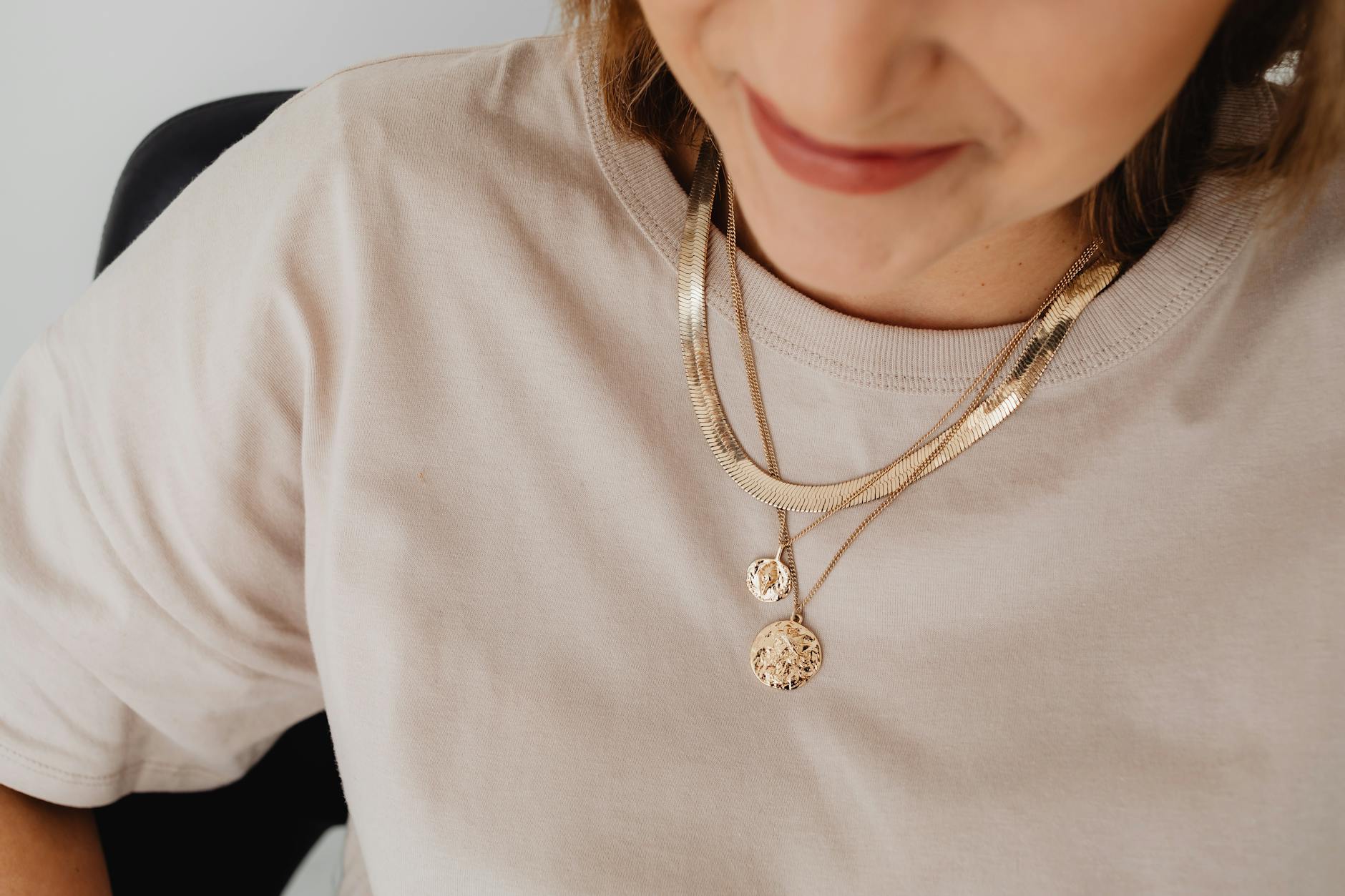
A minimum two-inch length difference per layer — ideally three inches — ensures each piece occupies its own visual space on your neckline.
Common stacking lengths for an Indian neckline: 14–16 inch (choker/collar level), 18–20 inch (just below clavicle), 22–24 inch (above the bust), 28–30 inch (breastbone or below).
Rule 2: Mix Textures, Not Just Lengths
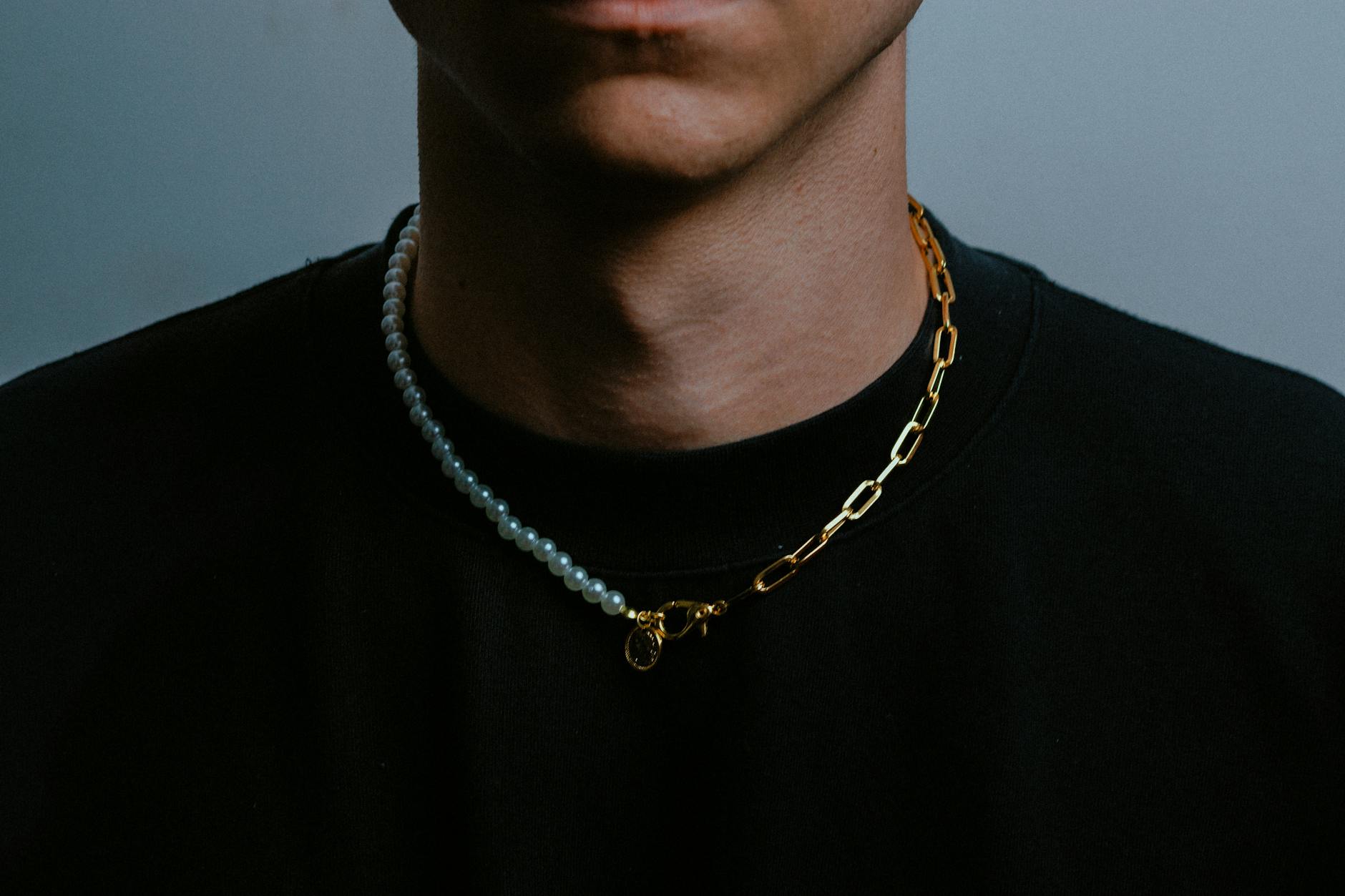
Three fine gold chains in different lengths will look more thoughtfully put together than three chains of the same style but different lengths.
Mix a very fine cable chain with a slightly heavier box chain, and anchor the look with a beaded chain or a piece that has visual weight — a pendant, a textured link, a coin charm.
The textural contrast is what catches the eye and makes the look feel intentional.
Rule 3: Anchor with One Statement Piece
Every good layered necklace look has one hero piece — typically the most elaborate or visually interesting item. Everything else is supporting cast.
If you're wearing a Kundan pendant on a chain, the other chains should be plain or lightly textured.
If you have a stunning temple coin pendant, pair it with simpler chains that let it shine.
Rule 4: Stick to One Metal Family (Unless You're Deliberately Breaking the Rule)
Yellow gold with yellow gold is a clean, considered aesthetic.
Mixing yellow gold, white gold, and rose gold in one necklace layer can be done well — but it requires intentionality.
The Indian yellow gold tradition lends itself naturally to a single-metal approach.
If you want to mix metals, do it with purpose: perhaps a rose gold accent chain among yellow gold layers, unified by the warmth of both metals.
The South Indian Layered Haaram Look
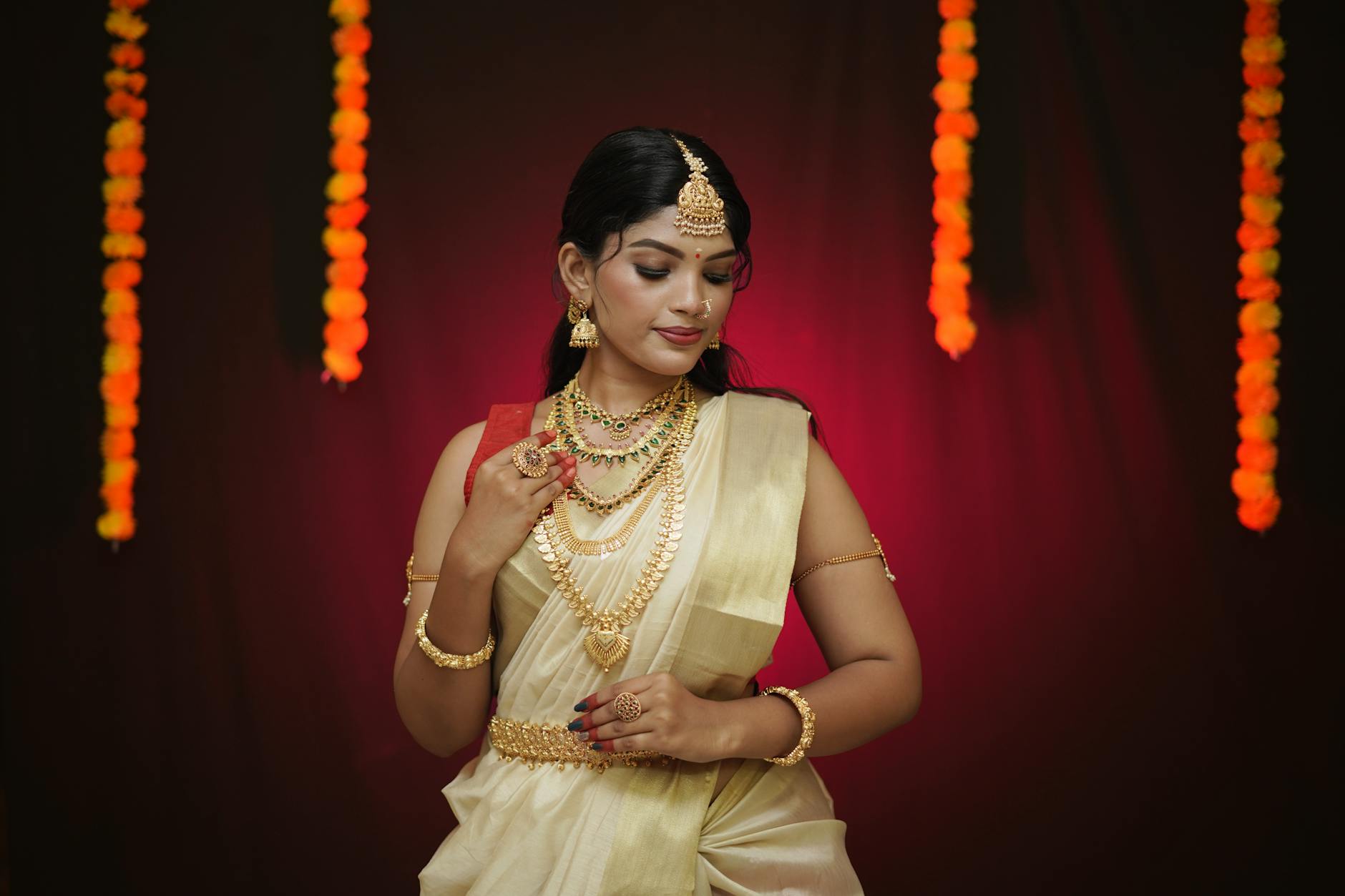
South Indian bridal jewellery invented sophisticated necklace layering centuries before it became a global trend.
The long haaram (30–36 inch) layered with a choker (14–16 inch) and a mid-length necklace (18–22 inch) is a three-tier layering system that remains one of the most visually sophisticated necklace arrangements in any jewellery tradition worldwide.
Study it for inspiration — the proportions are masterfully calibrated.
Bangle Stacking: The Distinctly Indian Art Form
Odd Numbers Work Better Than Even
This is not superstition — it's visual rhythm. Three bangles, five bangles, seven bangles create asymmetric, dynamic movement on the wrist that draws the eye.
Four or six bangles tend to feel balanced to the point of stiffness. Begin with three and add from there based on the occasion's formality.
Mix Widths for Depth
An all-thin bangle stack can look delicate and beautiful. An all-chunky stack can look bold and powerful.
The most interesting stacks, however, mix widths: begin with one broader kada or chunky bangle as the anchor, add two or three medium-width bangles, and finish with one or two very slim bangles.
The variation in width creates visual complexity without visual noise.
Combine Metal and Non-Metal
This is where Indian stacking has a distinct advantage over Western approaches.
The combination of gold kadas with glass bangles — a red and gold combination for festive occasions, a white and gold for everyday elegance — is one of the most distinctly Indian and genuinely beautiful jewellery aesthetics anywhere.
Rajasthani lac bangles with gold kadas, Bengali shankha-pola with gold noa, or the Gujarati tradition of mixing gold with coloured enamel glass bangles all demonstrate that the richest stacking palettes combine precious and non-precious materials deliberately.
Rajasthani Layered Bangle Inspiration
Rajasthani women traditionally stack bangles from wrist to elbow — a full arm of layered glass, lac, and gold bangles that creates a visual cascade and musical sound with movement.
You don't need to go to such extremes, but even a quarter-arm stack (covering from wrist to mid-forearm) is a striking look that is deeply rooted in Indian tradition and looks extraordinary with both ethnic and contemporary outfits.
Ring Stacking: Fingers as a Canvas
Leave One Finger Unadorned
The most common ring stacking mistake is over-stacking every finger.
Leaving one finger bare — ideally the middle finger or the index finger — creates visual breathing room and makes the stacked fingers look more intentional, not just loaded.
The contrast between bare and adorned is what makes a stacked ring look curated.
Combine Plain Bands with Stone-Set Pieces
A plain slim band alongside a diamond-set ring alongside a textured hammered band creates layers of interest.
Three elaborate stone-set rings on adjacent fingers compete rather than harmonise. The plain band is the visual rest note that makes the elaborate pieces sing.
Mixing Metals in Ring Stacks
Ring stacking is actually one of the more forgiving contexts for metal mixing, because each ring occupies a small visual space and the overall impression is of varied texture rather than clashing metals.
Mixing rose gold, yellow gold, and white gold rings on the same hand can look intentional and modern — particularly if each metal appears at least twice (so it reads as a deliberate choice, not an accident).
The "Statement Plus Subtle" Principle
The overarching rule that governs all layering — necklaces, bangles, and rings — is that every look needs one area of maximum visual impact and the surrounding pieces should defer to it.
If your necklace is the statement, let your rings and bangles be subtle. If your bangle stack is elaborate and colourful, keep your necklace clean and minimal.
The eye needs somewhere to land.
What Works vs What Doesn't: The Honest Table
| Combination | Verdict | Why |
|---|---|---|
| Fine chain + beaded chain + pendant chain (yellow gold) | Works beautifully | Texture variation, same metal family, clear hero piece |
| Three identical chains in different lengths | Works but basic | No texture contrast; safe but not interesting |
| Gold kada + glass bangles + one slim gold bangle | Works beautifully | Distinctly Indian; material contrast with metal anchor |
| Four plain gold bangles of same width | Safe but flat | No visual movement or contrast |
| All fingers stacked with statement rings | Too much | Competing focal points; overwhelming |
| Statement earrings + statement necklace + statement bangle | Risky / usually too much | Three focal points fight each other; choose one to elevate |
| Choker + mid-length + long necklace (yellow gold) | Classic, always works | South Indian-inspired proportional layering with clear length separation |
| Mixing yellow gold, white gold, and rose gold randomly | Rarely works | No visual coherence; looks accidental unless planned very deliberately |
Common Layering Mistakes to Avoid
- Too many competing focal points: Three elaborate pieces with equal visual weight create chaos. One statement, two supporting — this is the reliable formula.
- Mismatched scales: A very delicate thin chain layered with a chunky 8mm link chain looks like two entirely different outfits. Each layered piece should be within two "weight classes" of its neighbours.
- All pieces at the same loudness: Layering requires dynamic range — some quiet pieces, one loud one. All-loud or all-quiet both fail, for opposite reasons.
- Ignoring the neckline: Deep V-necks suit pendant necklaces that follow the neckline's V. High necklines suit chokers and very short chains. Crew necklines and boat necks leave a flat canvas — ideal for layered longer chains that would be hidden under a high neckline.
Layering is ultimately about developing personal style fluency — learning what proportions and combinations feel right on your specific body, with your specific jewellery collection, for your specific occasions.
Start with one of the reliable formulas above, develop your eye, and then begin to break the rules intelligently.
That's when layering moves from "styled" to genuinely personal.
More in Trends & Styles
Share this article
Our editorial team comprises jewellery industry veterans, certified gemmologists, and passionate writers with decades of combined experience across India's gold, diamond, and gemstone markets. Every article is researched, fact-checked, and written to help Indian buyers make smarter, safer jewellery decisions.
Passionate about jewellery and love to write? We'd love to hear from you.
Join us as a writer →Ready to buy? Find verified jewellers near you
Browse 10,000+ BIS hallmark certified jewellers across India. Compare ratings, check today's gold rate, and book a visit.
Keep Reading