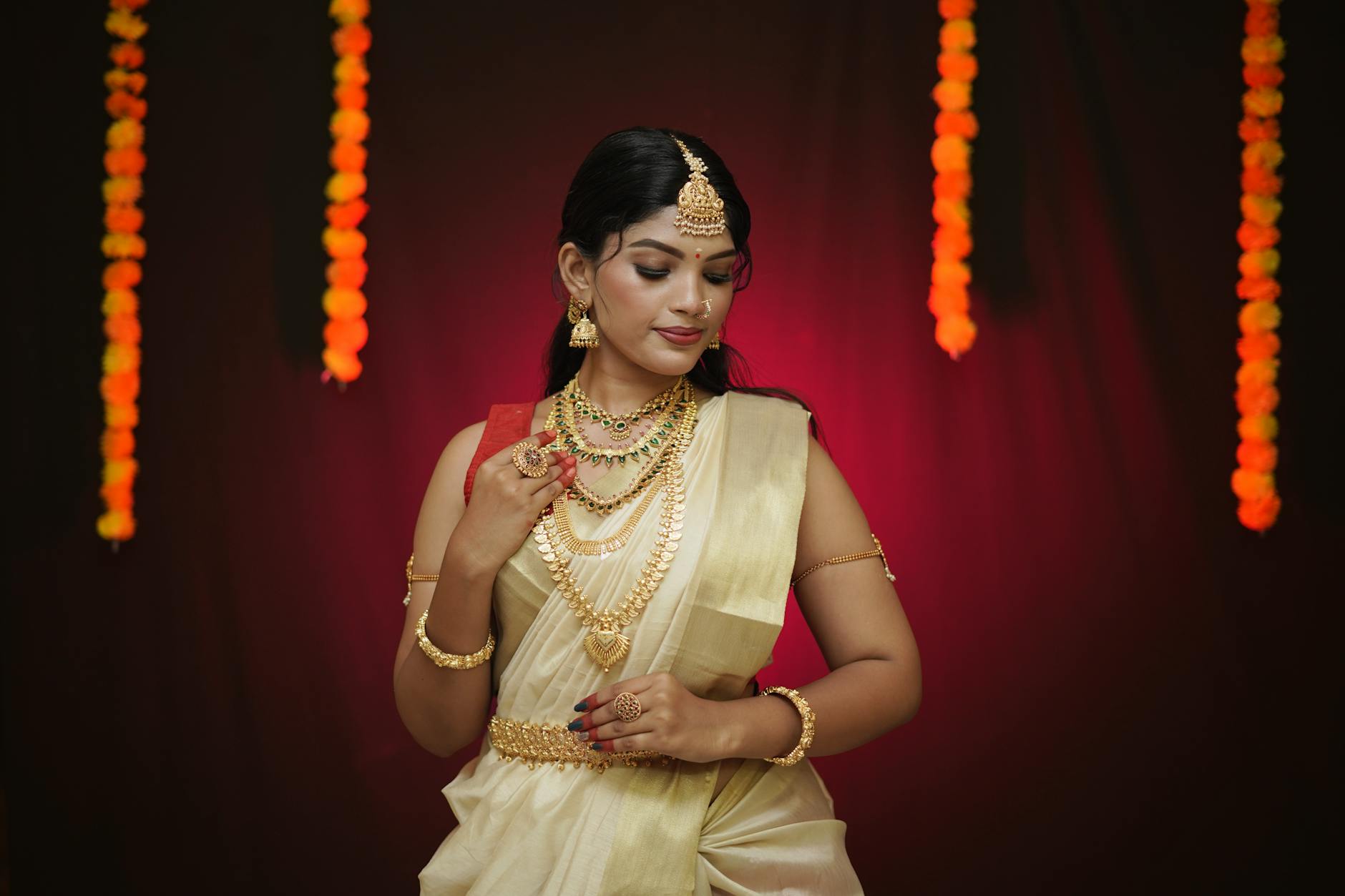
Indian jewellery has always absorbed the world's influences while remaining unmistakably itself.
In 2026, that synthesis is happening faster than ever — global design sensibilities are meeting centuries-old Indian craft traditions, and the result is a market in genuine transformation.
These eight trends are not just passing moments. Some are lasting shifts in how India buys and wears jewellery.
Trend 1: Lab-Grown Diamonds Reach the Tipping Point
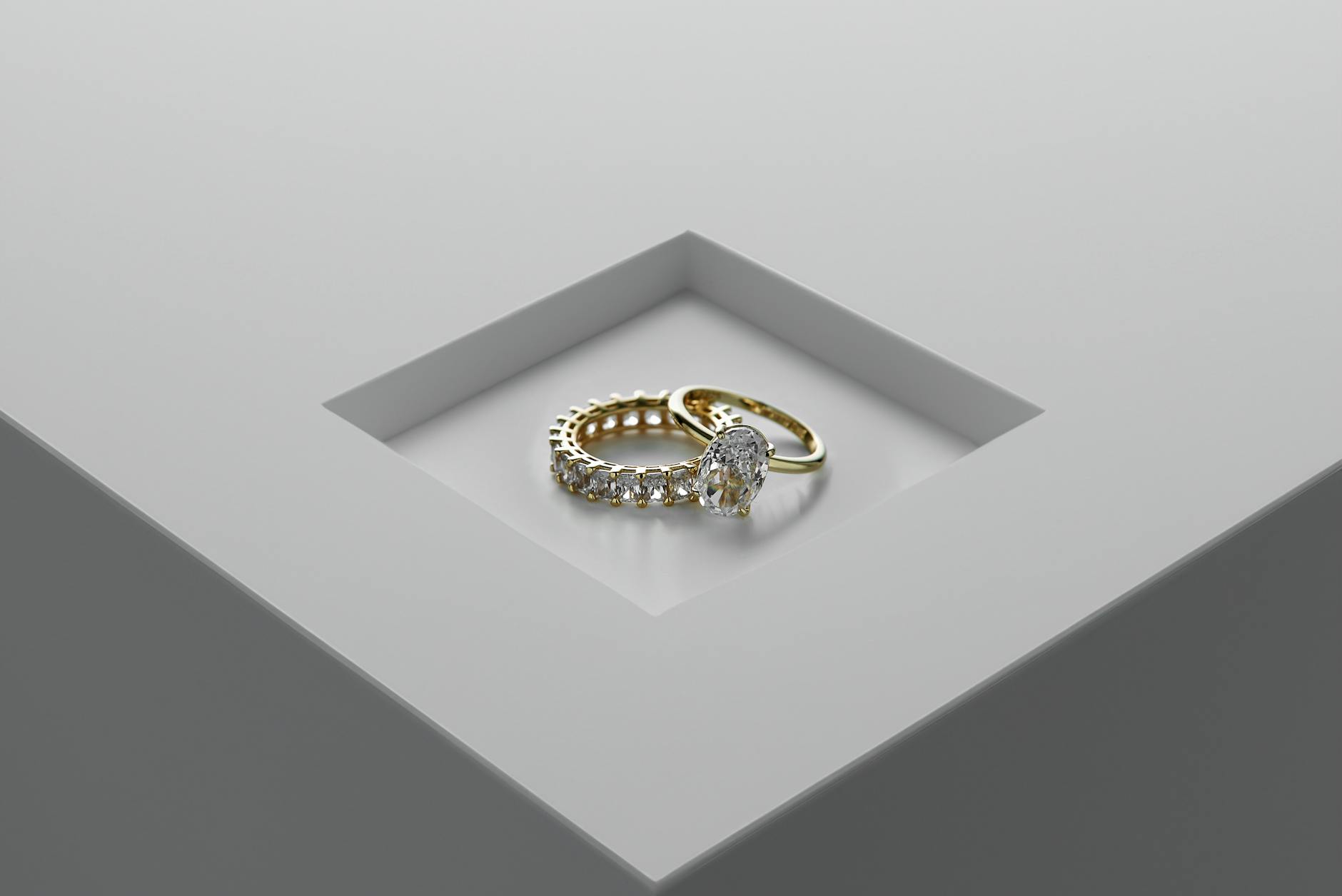
Lab-grown diamonds (LGDs) have been growing in India since 2018, but 2026 marks the year the conversation went mainstream. What changed?
Prices. Lab-grown diamonds now cost 75–85% less than mined diamonds of equivalent quality.
A one-carat G-colour VS2 natural diamond that costs ₹4,00,000–₹5,00,000 at a reputable jeweller can be replaced by a chemically identical lab-grown stone for ₹50,000–₹80,000.
Surat — which polishes 90% of the world's rough diamonds — has pivoted aggressively to LGD cutting and polishing.
This gives India a structural advantage: the expertise and infrastructure to produce, cut, and retail lab-grown diamonds at scale.
Major chains including Tanishq, CaratLane, and Malabar have now launched dedicated LGD collections.
Fad or Lasting Shift?
Lasting shift. The price gap between lab-grown and natural is now too large to ignore for most buyers.
However, lab-grown diamonds have near-zero resale value — buying them as investment pieces is not recommended. They are a spending choice, not an investment.
Trend 2: Regional Craft Revival — Thewa, Dhokra, and Cuttack Filigree Go Mainstream
India's geographic Indication (GI)-tagged jewellery crafts — Thewa from Pratapgarh, Dhokra metal casting from Bastar and West Bengal, Cuttack silver filigree from Odisha — are experiencing a remarkable mainstream revival.
Until recently, these crafts were either museum pieces or found only in government emporiums.
In 2026, they are appearing in premium jewellery boutiques, luxury e-commerce platforms, and on bridal mood boards.
What is driving this?
A combination of millennial interest in provenance (knowing the story behind what you buy), social media amplification of artisan craft (Instagram and YouTube have given traditional craftspeople global audiences), and a post-pandemic cultural turn toward supporting local and indigenous industries.
Thewa — where 23K gold is fused onto coloured glass using techniques that date to the Mughal era — is particularly prominent.
A Thewa pendant that sold for ₹3,000 at a craft fair five years ago now commands ₹15,000–₹40,000 at a boutique presentation.
Fad or Lasting Shift?
Lasting shift. Growing consumer interest in authentic, story-driven craft will sustain this trend.
The risk is commercialisation — mass-produced imitations of GI-tagged crafts are appearing. Seek pieces directly traceable to their craft communities.
Trend 3: Lighter Bridal Sets — Brides Choosing 18K Over 22K
The traditional South Indian bridal set weighing 300–500 grams and the elaborately heavy North Indian set are giving way to a new bridal preference: wearable, everyday-compatible pieces in 18K gold.
Brides who wore 22K gold only at weddings and then locked it away are increasingly asking: why not jewellery I'll actually wear?
18K gold (750) is harder and more durable than 22K, making it better suited to diamond and coloured stone settings. It's also 25% lighter at the same volume.
Bridal sets in 18K — particularly diamond-set pieces with white and yellow gold combinations — are the fastest growing segment of the bridal market by revenue in urban India.
Trend 4: Convertible Jewellery — Pieces That Transform
One piece, multiple looks.
Convertible jewellery solves the Indian woman's real challenge: different jewellery requirements across different occasions — office, festive, bridal, casual.
Designers are responding with necklaces that convert from full length to choker by unclipping a section, earrings where the drop detaches to leave a stud, and pendants that can be worn on different chain lengths.
This trend is particularly strong in the ₹20,000–₹1,50,000 price segment, where consumers want maximum versatility from a considered purchase.
CaratLane and several independent designers have built entire collections around this principle.
Trend 5: Coloured Gemstone Surge — Rubies and Emeralds Back in Focus
After a decade dominated by diamonds, coloured gemstones are reclaiming their place in Indian jewellery.
Rubies and emeralds set in yellow 22K gold are surging — a deeply traditional Indian aesthetic that had been overshadowed by the Western preference for diamond-dominated pieces.
Sapphires in both blue and pink, along with tanzanite and tourmaline, are also appearing in contemporary Indian designs.
The Jaipur gem trade is the engine of this trend: 80% of the world's coloured gemstones pass through Jaipur, and Indian designers have direct access to extraordinary variety.
Natural ruby and emerald prices have risen significantly due to supply constraints from traditional mining areas (Burma, Colombia), making these pieces genuinely valuable.
Buyer Warning: Coloured Stone Fraud
The coloured gemstone market has very little standardised consumer protection in India.
Glass-filled rubies, synthetic emeralds sold as natural, and heavily treated stones are common.
Always ask for a certification from a reputable laboratory (GRS, Gübelin, GIA, or IGI Coloured Stones) for any coloured stone purchase above ₹25,000.
Trend 6: Men's Jewellery Emerging
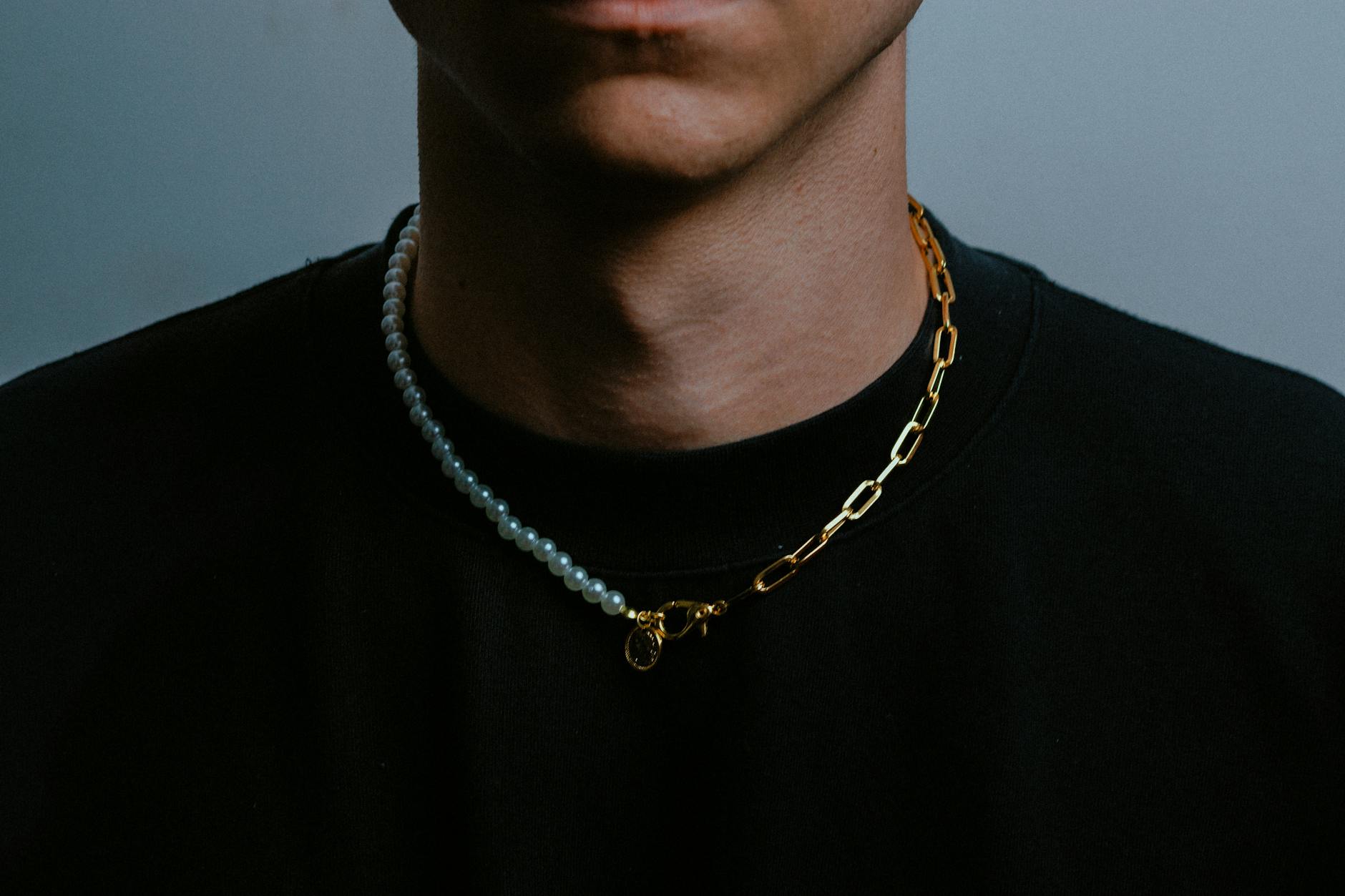
Indian men's jewellery has historically been limited to wedding bands, religious pendants, and traditional kadas. In 2026, that's changing.
Gold chains (subtle 2–4mm box or rope chains in 18K), contemporary kadas in polished brushed gold, and signet-style rings are finding a growing male audience in India's metropolitan centres.
The shift is driven by a generational change in attitudes toward male self-expression, global fashion influence (particularly the global popularity of layered gold chains), and the work-from-home period that normalised personal styling choices.
High-street chains and independent designers are now releasing dedicated men's jewellery collections for the first time.
Trend 7: Sustainable and Ethically Sourced Jewellery Enters the Conversation
India is not yet at the stage of Western markets where "ethical jewellery" commands a significant price premium.
But the conversation is beginning, particularly among younger, globally oriented buyers in Bengaluru, Mumbai, and Delhi.
Questions about artisan wages, responsible gemstone sourcing, and recycled gold content are being asked of jewellers who had never been asked them before.
Several Indian brands are proactively publishing sourcing commitments.
The Responsible Jewellery Council (RJC) certification, while still rare among Indian retailers, is increasingly referenced.
This trend is early-stage in India but directionally important.
Fad or Lasting Shift?
Early-stage lasting shift. Sustainability concerns will become mainstream in Indian fine jewellery within 5–7 years, following the trajectory of food and apparel.
Building awareness now positions both buyers and sellers advantageously.
Trend 8: Digital-First Buying — Virtual Try-Ons and Online Research
The Indian jewellery consumer's journey has fundamentally changed.
Research happens online — Instagram, YouTube, and brand websites — but the final purchase largely still happens in-store.
The pattern is: discover and compare digitally, shortlist 3–5 pieces, visit one or two stores to see them in person, buy.
Virtual try-on technology, pioneered in India by CaratLane and Tanishq, is now widely available. AI-powered chatbots help with style recommendations.
Certification verification (HUID codes on the BIS Care app) happens on the buyer's phone in-store.
The store visit is no longer the research phase — it's the experience and trust-confirmation phase.
JewellersinCity exists precisely in this new consumer journey: helping buyers research, compare, and locate verified stores before the store visit that seals the transaction.
The 2026 Trend Summary
| Trend | Verdict | Who It Suits |
|---|---|---|
| Lab-grown diamonds | Lasting shift | Buyers wanting diamond look at low cost; not investors |
| Regional craft revival | Lasting shift | Style-conscious buyers wanting authenticity and story |
| Lighter bridal 18K sets | Lasting shift | Urban brides wanting wearable everyday jewellery |
| Convertible jewellery | Growing trend | Working professionals wanting multi-occasion pieces |
| Coloured gemstone surge | Lasting shift | Buyers wanting colour, tradition, and investment potential |
| Men's jewellery | Emerging trend | Urban Indian men open to self-expression |
| Ethical sourcing | Early-stage shift | Younger, globally aware buyers |
| Digital-first research | Established behaviour | All buyers — this is now the norm, not the trend |
Understanding which trends represent genuine shifts in consumer behaviour — versus which are seasonal aesthetics — is the key to making jewellery purchases you won't regret.
The lasting shifts above all point in the same direction: toward more informed, more intentional, and more personal jewellery buying. That is always a good direction.
More in Trends & Styles
Share this article
Our editorial team comprises jewellery industry veterans, certified gemmologists, and passionate writers with decades of combined experience across India's gold, diamond, and gemstone markets. Every article is researched, fact-checked, and written to help Indian buyers make smarter, safer jewellery decisions.
Passionate about jewellery and love to write? We'd love to hear from you.
Join us as a writer →Ready to buy? Find verified jewellers near you
Browse 10,000+ BIS hallmark certified jewellers across India. Compare ratings, check today's gold rate, and book a visit.
Keep Reading