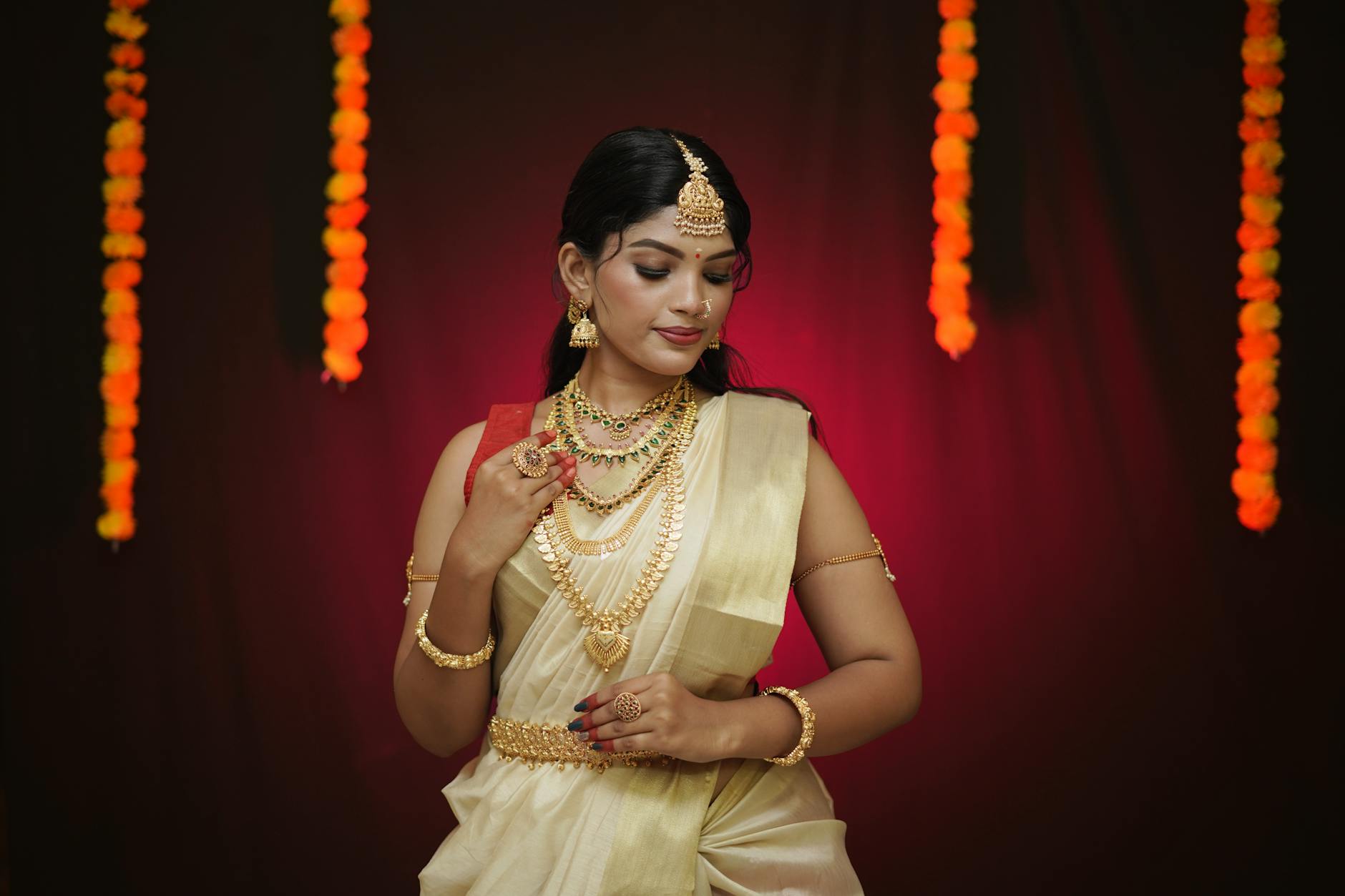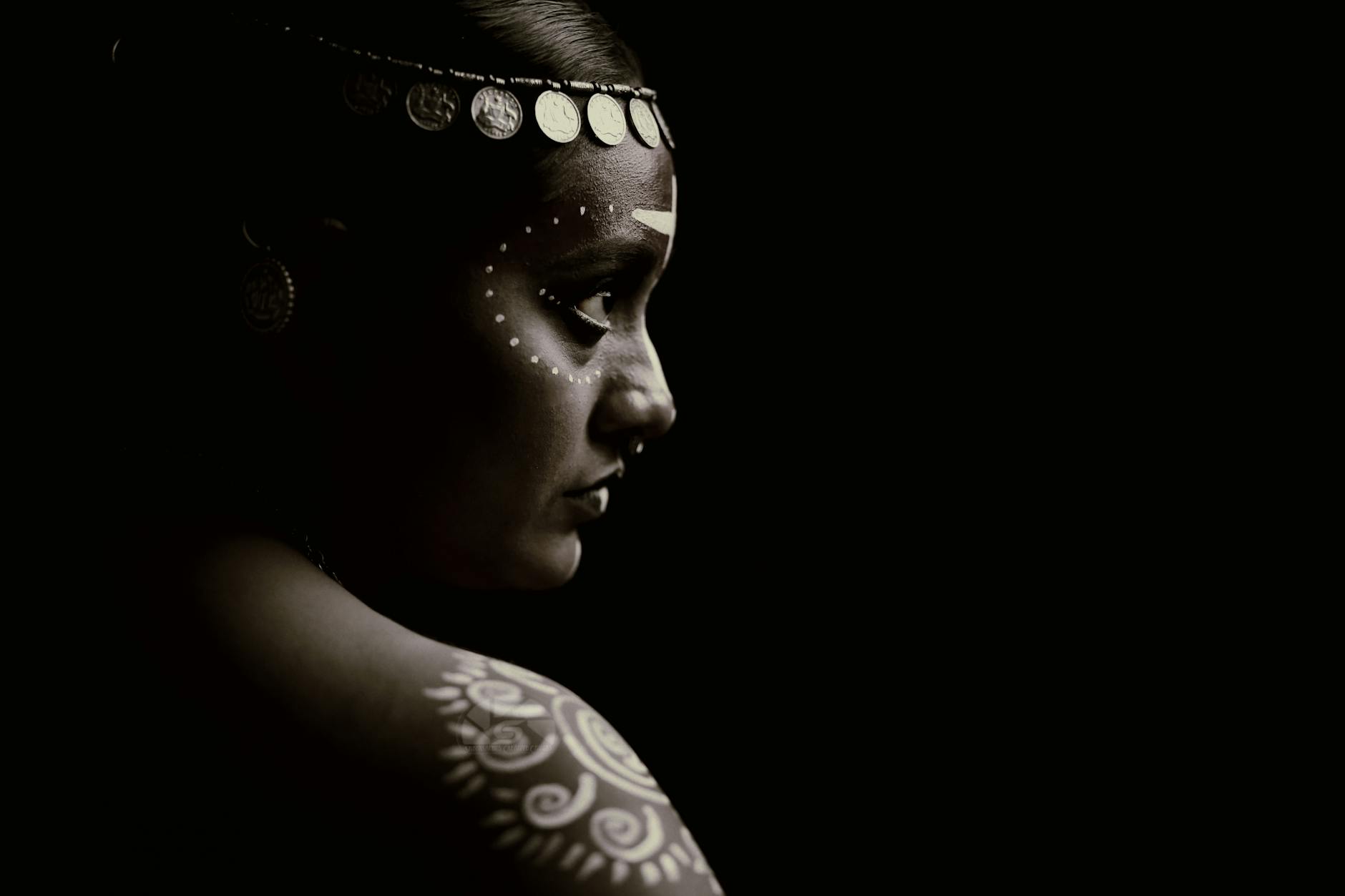
In the shadow of the Himalayas, where ancient trade routes connected the plains of India with the highlands of Tibet, a distinct and breathtaking tradition of jewellery-making evolved over centuries. Himachali jewellery is not simply ornament — it is a language of identity, social status, religious devotion, and cultural memory. From the silver-heavy Kinnauri pieces that echo Tibetan aesthetics to the intricate filigree work of the Kangra valley, and from the bold Hansli neck pieces worn by Gaddi pastoral communities to the delicate Tikka that adorns Himachali brides, this jewellery tradition deserves far wider recognition than it receives in mainstream Indian fashion discourse.
Historical and Cultural Context
Himachal Pradesh's geography — a land of mountain valleys, passes, and river gorges — meant that its jewellery traditions were shaped by at least three distinct cultural streams. From the south came the influence of the Rajput courts and plains Indian jewellery traditions. From the north and east came Tibetan and Central Asian aesthetics — particularly influential in Kinnaur, Lahaul and Spiti, and the Chamba region. And from the tribal pastoral communities (Gaddis, Gujjars, Kinnauris) came a corpus of traditional forms with unbroken lineage going back beyond recorded history.
Silver dominates Himachali jewellery for a practical reason: gold was historically scarce and extremely expensive in mountain regions far from trade centres. Silver, available through trade with Tibet and other mountain regions, was the metal of choice for all but the most elite ornaments. Semi-precious stones — turquoise from Central Asia, red coral from the Mediterranean via Gujarat, amber, and locally sourced carnelian and agates — supplemented the silver with colour and symbolic significance. Turquoise in particular carries protective and spiritual significance across both Himalayan Buddhist and Hindu traditions.
Key Pieces in the Himachali Jewellery Vocabulary
| Piece Name | Body Placement | Description | Community / Region |
|---|---|---|---|
| Nath | Nose (left nostril) | Nose ring worn by married women; silver or gold, often with turquoise/coral | Widely across HP |
| Chandrahar | Neck/chest | Moon (Chandra) necklace in silver; crescent-shaped pendant on multi-strand chain | Kangra, Mandi valleys |
| Tikka | Forehead / hair parting | Central bindi-style pendant on chain clipped to hair; silver with enamel or stones | Bridal use across HP |
| Baur | Hair (back of head) | Hair ornament woven into braid or bun; silver chains with pendant drops | Widely across HP |
| Hansli | Neck (base) | Rigid collar necklace; solid crescent of silver worn close to the base of the neck | Gaddi, rural HP communities |
| Tagdi / Kamar-band | Waist | Silver waist chain; Tagdi is the Pahari term, Kamar-band the Hindi; heavy silver links | Bridal and festive wear |
| Anguthi | Fingers | Silver rings, often set with turquoise or coral; multiple rings worn simultaneously | All communities |
| Churee / Kada | Wrist | Silver bangles, sometimes set with turquoise in Kinnauri style; stacked in sets | Kinnaur, Lahaul communities |
Regional Variations Across Himachal Pradesh
Kinnauri Jewellery: The Tibetan Connection
Kinnaur district, bordering Tibet, has a jewellery tradition that is arguably more Central Asian than mainstream Indian in character. Turquoise and coral feature prominently — turquoise has profound spiritual significance in Tibetan Buddhism as a protection stone. Kinnauri pieces tend to be bold and substantial, with chunky silver settings and coloured stones that create a dramatic visual effect. The traditional Kinnauri headdress (Thepang) incorporates silver ornaments and turquoise-coral combinations that are unique to this region. Women's necklaces often feature multiple strands with large focal pendants combining silver and turquoise. The craftsmanship shows repoussé work (raised relief designs hammered from the back of the metal sheet) and granulation (tiny silver balls soldered to the surface to create texture) — techniques with ancient Central Asian lineage.
Kullu and Manali Style
The Kullu valley tradition shows a synthesis of Pahari (hill) and plains Indian influences. Gold features more prominently here than in more remote areas — Kullu's relative prosperity and connectivity brought gold into reach of broader segments of society. The distinctive Kullu Devi-style pieces — worn during religious festivals at the famous Kullu Dussehra — combine silver with red coral and feature deity motifs appropriate to the specific deity being honoured in local festivals. Necklaces are multi-strand with flower-shaped silver spacers. The silver work is typically more refined than Gaddi or tribal pieces, with polished surfaces and some filigree elements.
Kangra Valley Style
Kangra, historically a princely state with a sophisticated court culture, produced the most refined jewellery tradition in Himachal Pradesh. The Kangra school of Pahari miniature painting — one of India's greatest artistic traditions — depicted women adorned with elaborate jewellery that gives us a detailed record of the 18th–19th century aesthetic: multi-strand pearl or seed bead necklaces, elaborate forehead ornaments, armlets, and fine gold pieces for the aristocracy. Contemporary Kangra jewellery draws from this documented heritage, with silversmiths producing delicate filigree necklaces and earrings that show the highest craft level in the state.
Gaddi Community Jewellery
The Gaddi community — pastoral nomads who move their flocks between the Chamba hills in summer and the Kangra foothills in winter — wear some of the most visually striking traditional jewellery in India. The heavy silver Hansli (neck ring) is the defining Gaddi piece: a thick, solid crescent of silver that sits at the base of the throat, sometimes weighing 200–400 grams. Gaddi women traditionally wear these from adolescence and accumulate multiple pieces over a lifetime. The weight itself is a social signal of family wealth and marital status.
Craftsmanship Techniques
Himachali silver jewellery employs several traditional metalsmithing techniques that are rarely seen outside specialist craft contexts:
- Repoussé: The silver sheet is placed on a soft backing (pitch or wax) and designs are hammered into it from the back using a variety of punches. The result is a raised design on the front face. Common in Kinnauri and Chamba pieces.
- Granulation: Tiny balls of silver (0.5–2mm diameter) are fused to the surface of a piece using a bonding technique that creates no visible solder lines. Creates a distinctive textured surface. Extremely time-consuming to execute — a marker of exceptional craftsmanship.
- Filigree: Fine silver wires are twisted, curved, and soldered together to create lace-like open designs. Kangra valley filigree is particularly renowned. Pieces are incredibly delicate and lightweight despite their visual complexity.
- Enamel (Meena) work: Some Chamba and Kangra pieces incorporate Pahari-style enamel painting — though less prominent than the Jaipur tradition, it appears in higher-end jewellery for the festival and bridal market.
Occasions for Wearing Traditional Himachali Jewellery
Traditional Himachali jewellery is not daily wear for modern urban Himachalis — it is reserved for specific occasions that mark important social and religious moments. Weddings are the primary occasion: a Himachali bride is adorned with the full set of traditional pieces — Tikka, Nath, Chandrahar, Tagdi, Baur, and multiple rings. The weight of silver jewellery worn by a bride is a visible indicator of the family's financial standing.
Religious festivals — particularly Kullu Dussehra, Shivratri in Mandi (one of India's most significant Shivratri celebrations), and local deity festivals (devata melas) — are occasions when both women and the deity images themselves are adorned with traditional jewellery. Many temple collections in Himachal Pradesh include remarkable antique jewellery offerings accumulated over centuries.
Where to Buy Authentic Himachali Jewellery
The craft is genuinely alive — several hundred silversmiths in Himachal Pradesh continue traditional production. The challenge is finding authentic pieces rather than mass-produced tourist copies.
- Shimla's Lakkar Bazaar and Lower Bazaar: Established silver shops near the Scandal Point area carry both traditional and contemporary designs. Reputable shops have been family businesses for generations and can often tell you which valley a piece's style comes from.
- Kullu Bazaar: During and around Kullu Dussehra (October), additional vendors appear with genuine traditional pieces. Year-round, the main Kullu market has silver shops with regional styles.
- Dharamsala and McLeod Ganj: Given the significant Tibetan population, Tibetan-influenced jewellery with turquoise and coral is widely available. Separate the Kinnauri-Tibetan tradition pieces from purely Tibetan pieces — both are available and both authentic, but they are distinct traditions.
- HPMC (Himachal Pradesh Marketing Corporation) outlets: The state government's craft emporium in Shimla and other locations carries authenticated pieces with transparent pricing. Less opportunity for unique finds compared to bazaar shopping, but reliable quality assurance.
Distinguishing Authentic from Tourist Copies
The tourist market in Himachal Pradesh — particularly in Shimla, Manali, and Dharamsala — is flooded with mass-produced imitation pieces made in Rajasthan or Delhi and sold as "Himachali traditional" jewellery. Key differences:
- Genuine silver should be tested — ask for a "silver test" using a drop of nitric acid; genuine sterling silver 925 shows a creamy-grey reaction, not a bright green (copper-base) or clear (silver-plate)
- Authentic turquoise is heavier and cooler to touch than plastic or resin imitations; it often has natural veining; the price should reflect genuine stone value
- Hand-crafted pieces show slight irregularities — machine-stamped copies are perfectly uniform in ways hand-work never is
- Repoussé work should show uneven hammer marks on the back surface — machine embossing shows sharp, clean geometry
- Ask the seller where the piece was made and by which artisan community — a knowledgeable seller of authentic pieces will know; a seller of tourist copies will be vague
Care and Preservation of Silver Himachali Jewellery
Silver tarnishes more readily than gold because of its reactivity with sulphur compounds in the air. Traditional Himachali silver pieces deserve proper care:
- Store in zip-lock bags or tarnish-resistant cloth pouches with an anti-tarnish strip
- Clean oxidised surfaces with a soft cloth and warm soapy water, then rinse and dry thoroughly
- Silver polishing cloths (chemically impregnated) quickly restore shine to polished surfaces
- Do not use abrasive cleaners on repoussé or granulation work — they will damage fine surface details
- For pieces with turquoise, coral, or amber, avoid water contact on the stones themselves — these porous materials absorb water and cleaning chemicals
- Traditional Himachali silversmiths often deliberately oxidise the recessed areas of their work (applying a controlled patina) — do not remove this intentional darkening as it defines the aesthetic character of the piece
Frequently Asked Questions
Is Himachali jewellery made of silver or gold?
Traditionally, Himachali jewellery is primarily silver-based. The mountain geography historically made gold very expensive and difficult to obtain, so silver became the prestige metal for most communities. Gold appears in aristocratic and court pieces and in jewellery from wealthier communities in the Kullu and Kangra valleys, but the typical traditional Himachali piece is silver.
What is the significance of turquoise in Himachali jewellery?
Turquoise carries deep protective and spiritual significance across the Himalayan cultural belt — both in Buddhist and Hindu traditions. In Kinnauri and Lahaul jewellery (which shares aesthetic roots with Tibetan tradition), turquoise is believed to ward off negative energy and protect the wearer. The most valuable turquoise is "sleeping beauty" turquoise with solid blue colour and no matrix veining, but the distinctive blue-green turquoise with matrix (natural veining patterns) is more common and equally authentic.
Can I wear Himachali traditional jewellery with modern clothing?
Absolutely — Himachali silver jewellery has found a devoted following among contemporary fashion enthusiasts who appreciate its bold forms, authentic craft, and sustainable character. A Kinnauri turquoise-set silver bracelet pairs beautifully with contemporary kurtas or even Western denim. The Chandrahar necklace works well with contemporary necklines. Many fashion designers from Delhi and Mumbai have incorporated Himachali pieces into their collections, creating broader awareness of this craft tradition.
Are there any government support programmes for Himachali jewellery artisans?
Yes. The Himachal Pradesh government's Department of Industries supports traditional craft under several schemes. HPMC (Himachal Pradesh Marketing Corporation) provides market access for traditional artisans through its emporium network. The national Craftmark scheme from the All India Artisans and Craftworkers Welfare Association provides certification for authentic handmade craft. Purchasing from HPMC outlets or Craftmark-certified sellers directly supports artisan livelihoods.
How can I distinguish a genuine Kinnauri piece from a Rajasthani imitation?
Genuine Kinnauri pieces typically have: heavier, chunkier construction; turquoise settings with drilled or bezel-set stones rather than glued stones; repoussé or granulation details characteristic of Himalayan metalwork; and a visual vocabulary (motifs, proportions) that reflects Tibetan aesthetic sensibility rather than the typically more ornate and colourful Rajasthani look. Ask the seller for the artisan's name and village — a seller of genuine Kinnauri pieces will usually know this information.
More in Trends & Styles
Share this article
Our editorial team comprises jewellery industry veterans, certified gemmologists, and passionate writers with decades of combined experience across India's gold, diamond, and gemstone markets. Every article is researched, fact-checked, and written to help Indian buyers make smarter, safer jewellery decisions.
Passionate about jewellery and love to write? We'd love to hear from you.
Join us as a writer →Ready to buy? Find verified jewellers near you
Browse 10,000+ BIS hallmark certified jewellers across India. Compare ratings, check today's gold rate, and book a visit.
Keep Reading