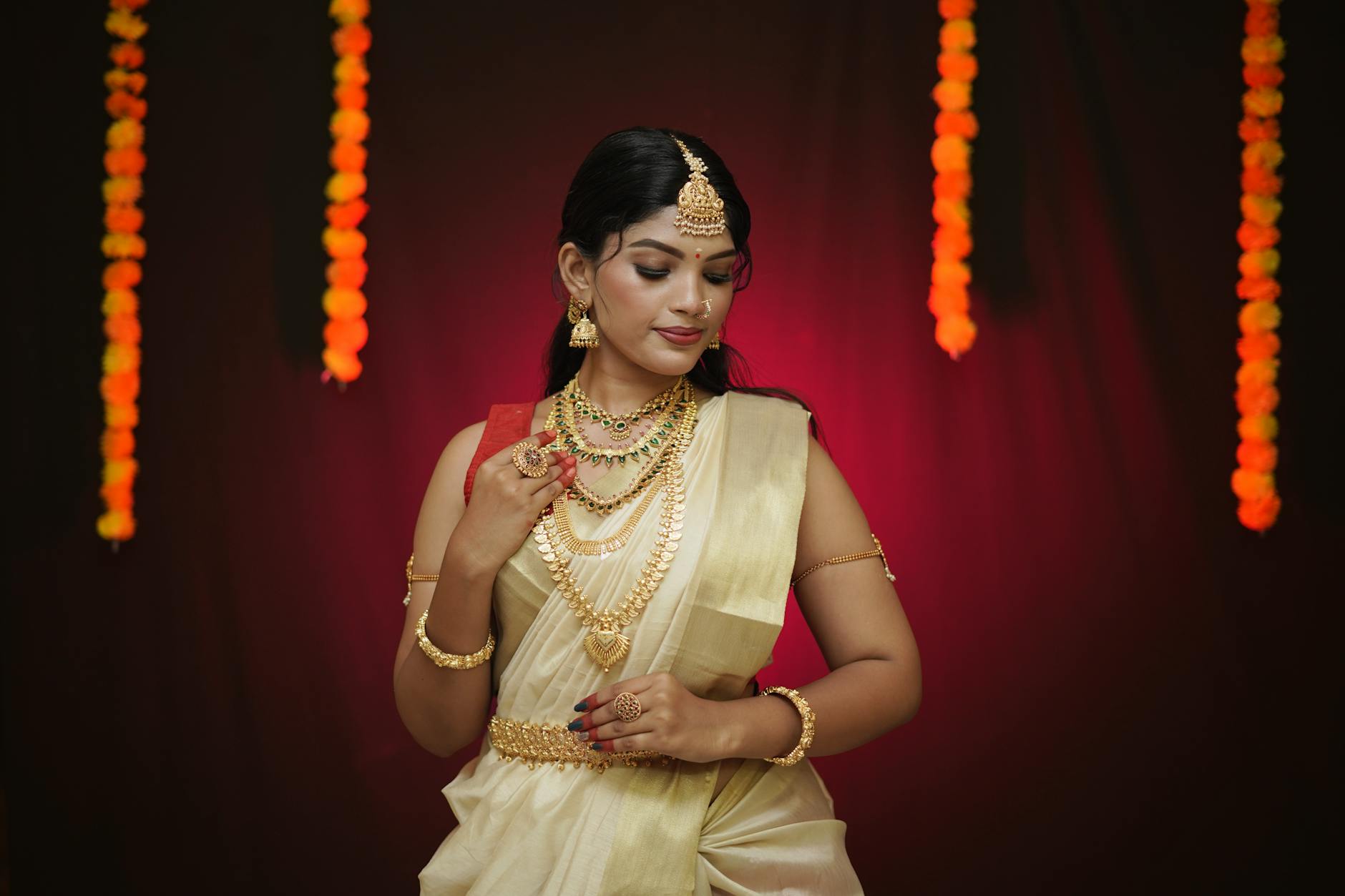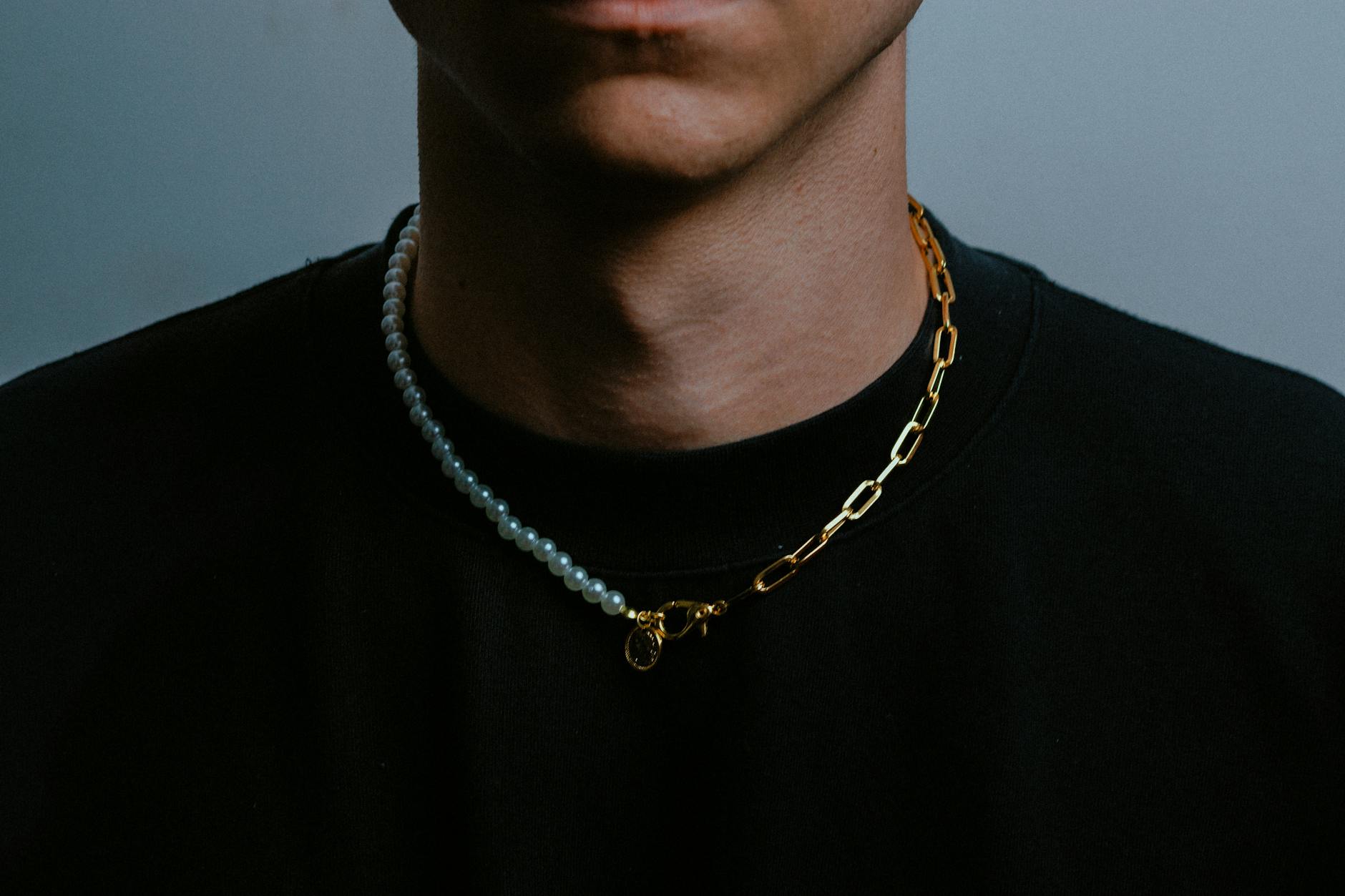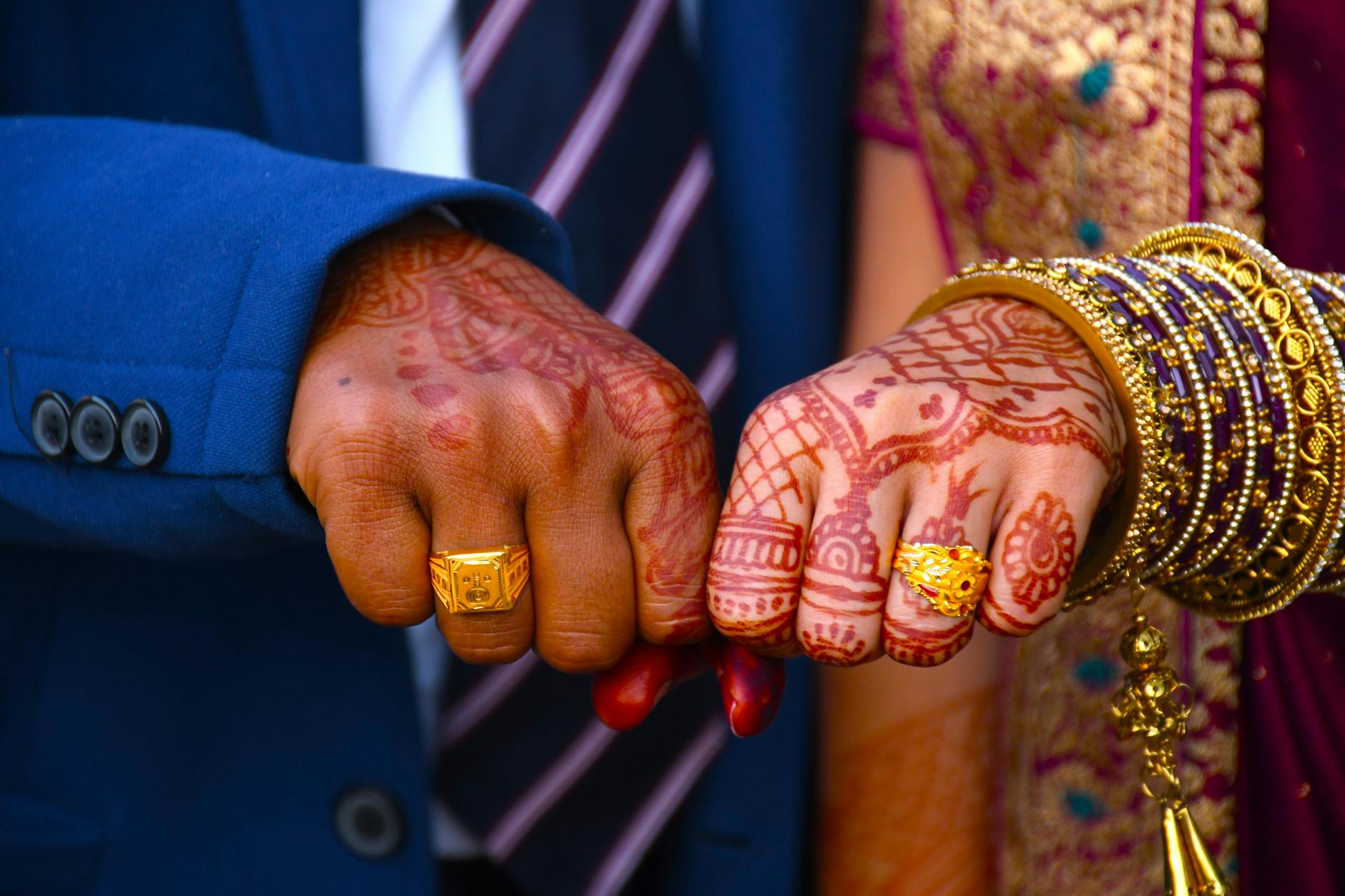
Indian weddings are celebrated with great pomp, and while the bride's jewellery gets most of the attention, the groom's adornments carry equal cultural weight. From the mandatory Sarbloh kara of a Sikh groom to the understated gold chain of a South Indian bridegroom, each piece tells a story of tradition, family, and identity. This guide walks through everything a modern Indian groom needs to know about jewellery for his wedding day.
Groom Jewellery by Community — What is Mandatory vs Optional
India's diversity means there is no single template for a groom's jewellery. What is religiously obligatory in one community may be entirely absent in another. Understanding your community's customs is the starting point.
| Community | Mandatory | Traditional Optional | Notes |
|---|---|---|---|
| North Indian Hindu | Ring (engagement) | Sehray, gold chain, necklace | Sehray attached to turban/pagdi |
| South Indian Hindu | Ring, gold chain | Waist chain (oddiyanam), armlet | Gold chain often gifted by bride's family |
| Punjabi Sikh | Sarbloh Kara (iron/steel) | Ring, turban ornament (kalgi) | Kalgi is often family heirloom |
| Muslim | Ring (right hand) | Silver/platinum bracelet | Gold forbidden for men in Islam — silver or platinum used |
| Christian | Plain wedding band | Cufflinks, watch | Band exchanged at altar during ceremony |
| Bengali Hindu | Ring, Loha (iron bangle) | Gold chain, kada | Groom also receives iron bangle in some traditions |
The Groom's Ring — Everything You Need to Know
The ring is the most universal piece of groom jewellery across all communities. In modern Indian weddings, a ring exchange has become mainstream even in communities where it was not traditionally practiced.
Engagement Ring for Groom
The groom's engagement ring is typically a plain 22K gold band, 6–10mm wide. This is the sagai ring received from the bride's family during the engagement ceremony. The weight typically ranges from 5–12 grams depending on width and design.
Modern grooms are increasingly choosing:
- Platinum rings — durable, hypoallergenic, increasingly popular among professionals
- Diamond-set bands — single solitaire or pavé set diamonds for subtle luxury
- Two-tone gold — combination of yellow and white gold for a contemporary look
- Matte finish gold — understated and modern versus the traditional high-polish finish
- Black zircon or onyx inlaid bands — bold, masculine aesthetic
Wedding Band Exchange
A separate wedding band exchange during the wedding ceremony is now common in urban Hindu weddings, influenced by Western and Christian traditions. Many couples purchase matching wedding bands as a set — coordinated in metal type, finish, and sometimes motif.
💡 Pro Tip
Buy the engagement ring and wedding band as a matched pair from the same jeweller. This ensures the gold karatage, colour tone, and finish are identical. Ask for a "bridal set" that includes both the groom's band and the bride's ring from the same design family.
Gold Chains and Necklaces for Grooms
A gold chain is the second most important jewellery piece for Indian grooms, particularly in South India where it is considered essential.
For North Indian grooms, a thin sophisticated 22K gold chain (7–12 grams, 18–20 inch length) worn beneath the sherwani or kurta is the most versatile choice. Thicker chains can look heavy and gaudy — restraint is key.
In South Indian weddings, the gold chain is often gifted by the bride's family to the groom. A traditional South Indian groom's chain is heavier — 15–25 grams — and worn visibly over the dhoti and angavastram. The thali (marriage pendant) concept in South India means gold chains carry sacred significance beyond adornment.
The Kada — Groom's Bangle
The kada (thick bangle/bracelet) is worn on the right wrist. For Sikh grooms, the Sarbloh (iron/steel) Kara is a religious obligation — one of the five Ks of Sikhism. For Hindu grooms, a gold or silver kada is a traditional choice that balances masculine aesthetics with tradition.
Gold kadas for grooms: 15–30 grams is a typical weight range. Plain broad kadas in 22K gold are classic. Some grooms opt for silver kadas with gold plating for cost savings.
The Sehray — Turban Ornament
The sehray (also spelled sehra) is a decorative veil made of strings of flowers, pearls, or golden beads that hang from the turban over the groom's face. While technically not jewellery in the traditional sense, it is the most visually dramatic element of a North Indian Hindu or Sikh groom's appearance.
Pearl and gold bead sehras are considered auspicious and are available at jewellery shops in ₹3,000–₹25,000 range. Floral sehras are cheaper but don't last beyond the wedding day. Pearl sehras can be preserved as heirlooms.
Groom Jewellery Price Guide
| Piece | Weight | Price Range (2026) | Metal |
|---|---|---|---|
| Engagement Ring | 5–12g | ₹30,000–₹90,000 | 22K Gold / Platinum |
| Wedding Band | 4–8g | ₹25,000–₹70,000 | 22K Gold / Platinum |
| Gold Chain | 8–20g | ₹55,000–₹1,40,000 | 22K Gold |
| Gold Kada | 15–30g | ₹1,05,000–₹2,10,000 | 22K Gold |
| Sarbloh Kara (Sikh) | 50–200g | ₹500–₹3,000 | Iron/Steel |
| Pearl Sehray | — | ₹5,000–₹25,000 | Pearl / Gold beads |
| Diamond Ring | 4–8g | ₹50,000–₹3,00,000+ | 18K Gold / Platinum |
| Platinum Ring | 8–15g | ₹35,000–₹1,20,000 | Platinum 950 |
Prices based on April 2026 gold rates (~₹7,000/g for 22K). Fluctuates with daily gold price.
Matching Groom-Bride Jewellery Sets
A growing trend in Indian weddings is coordinated groom-bride jewellery. This does not mean identical pieces but rather a shared design language — same metal type, similar motif (floral, geometric, temple), and matching finish (high-polish, matte, antique).
For example: bride's bridal set in 22K gold with floral motifs; groom's ring and chain in 22K gold with a matching floral engraving. When photographed together, the effect is visually harmonious.
Most major jewellery brands — Tanishq, Malabar Gold, PC Chandra — now offer couple's jewellery collections specifically designed for this purpose. The bride's solitaire engagement ring can be matched with a groom's band that shares the same metal, halo design, or inscription.
Modern Groom Trends in 2026
The Indian groom's jewellery aesthetic has shifted significantly in the 2020s. Today's grooms are style-conscious and selective:
- Minimalist diamond studs — single 0.10–0.25 carat studs in 18K white gold for the mehendi/haldi look
- Black zircon rings — edgy, masculine, particularly popular in 25–35 age group
- Matte gold — brushed matte finish on rings and kadas instead of traditional mirror polish
- Platinum bands — the fastest growing category for grooms in metro cities
- Lab diamond rings — same appearance as natural diamond at 60–70% lower cost
- Engraved bands — wedding date, initials, or meaningful phrase engraved inside the band
⚠️ What NOT to Wear
Avoid wearing too much gold simultaneously — the rule of thumb is maximum three gold pieces at once (ring, chain, kada). Never mix yellow gold with white gold or silver in the same look — it reads as mismatched. Avoid oversized statement necklaces that are more appropriate for the bride. Heavy gold on a sherwani can look gaudy; less is genuinely more for grooms.
The Mother-Son Gold Tradition
In many Indian families — particularly in South India and among Marwari communities — it is traditional for the groom's mother to gift her son gold jewellery on his wedding day. This typically takes the form of a gold chain or gold ring that she has saved or had made for this occasion. The gold is considered a blessing and protection for the groom as he begins a new chapter.
In North Indian families, the bride's mother or maternal uncle (mama) gifting the groom a gold ring at the engagement (sagai) is common in many communities.
Shopping Timeline and Tips
Groom jewellery shopping is typically done 1–3 months before the wedding. This is often overlooked in the excitement of buying the bride's jewellery, but leaving it too late limits customisation options.
- Buy the engagement ring at least 2 months before the engagement ceremony
- If getting custom engraving or sizing, allow 2–3 weeks minimum
- Try on rings when hands are at a normal temperature — fingers swell slightly in heat
- If shopping for platinum: ensure the jeweller provides a purity certificate (Pt 950 mark)
- For hallmarked gold: look for BIS hallmark + 916 or 750 purity mark
💡 Pro Tip
Visit the jeweller together as a couple to ensure the groom's pieces coordinate with the bride's jewellery. Bring a photo of the bride's necklace or show the jeweller the design — many brands offer complementary groom pieces specifically designed to coordinate with popular bridal sets.
Groom Jewellery Care and Maintenance
Wedding jewellery is worn intensely for a single day — and then often put away for years. Taking care of groom jewellery properly ensures pieces remain wearable for anniversaries, family events, and eventually for the next generation.
Gold rings and kadas: Clean with warm water and mild dish soap using a soft toothbrush. Dry thoroughly before storing. Do not expose to chlorinated water (swimming pools) or harsh cleaning products. Yellow 22K gold scratches relatively easily — a professional polishing every 2–3 years restores the mirror finish.
Platinum bands: Platinum develops a natural patina (slight dulling of shine) with wear that many men actually prefer — it gives a mature, distinguished look. If you want to restore the original high polish, a quick professional polishing removes the patina. Unlike gold, platinum does not lose metal when scratched — it simply displaces, so a scratched platinum ring weighs the same as a new one.
Diamond-set rings: Have prongs checked by a jeweller every 2 years to ensure stones are secure. Diamonds attract grease from skin — clean with warm soapy water or a commercial jewellery cleaner monthly. Store rings separately or in individual fabric pouches — diamonds are harder than gold and will scratch any other metal stored touching them.
Gold chains: Avoid tangling by hanging on a hook when not worn or laying flat in a jewellery box. Untangle gently with fingers and two pins, never by pulling. Professional ultrasonic cleaning every 2–3 years removes embedded dirt from chain links.
Insuring Groom Jewellery
Wedding jewellery represents a significant financial value — and surprisingly, very few Indian families insure it. Most standard home insurance policies include jewellery cover up to a low limit (often ₹50,000–₹1,00,000 total) unless you specifically add a jewellery rider.
For total groom and bride jewellery values above ₹3,00,000, standalone jewellery insurance from companies like New India Assurance, Oriental Insurance, or private insurers like HDFC Ergo is strongly recommended. Cost: approximately 0.3–0.5% of declared value per year. Requirements: valuation certificate from a registered valuer + purchase receipts + photographs of the pieces.
Frequently Asked Questions
Does the groom need to wear gold at an Indian wedding?
It depends on the community. For most Hindu communities, a gold ring is the minimum expectation. South Indian Hindu grooms are expected to wear a gold chain as well. Muslim grooms must avoid gold — silver or platinum rings are the norm. Sikh grooms must wear the Sarbloh Kara regardless of other jewellery choices. Christian grooms exchange a plain wedding band which can be gold, platinum, or white gold.
What is the most important piece of jewellery for an Indian groom?
Across communities, the ring is the single most universal and important piece. In South Indian weddings, the gold chain rivals the ring in importance. For Sikh grooms, the Kara holds religious primacy. In most North Indian Hindu weddings, the engagement ring given by the bride's family is the central piece.
Should the groom's ring be 22K or 18K gold?
For a plain band: 22K is traditional and has a rich deep yellow colour. For a diamond-set ring: 18K is preferred as it is harder and holds gemstones more securely. Platinum is the most durable option for everyday wear after the wedding. If the groom will wear the ring daily for life, 18K or platinum is recommended over 22K for durability.
More in Trends & Styles
Share this article
Our editorial team comprises jewellery industry veterans, certified gemmologists, and passionate writers with decades of combined experience across India's gold, diamond, and gemstone markets. Every article is researched, fact-checked, and written to help Indian buyers make smarter, safer jewellery decisions.
Passionate about jewellery and love to write? We'd love to hear from you.
Join us as a writer →Ready to buy? Find verified jewellers near you
Browse 10,000+ BIS hallmark certified jewellers across India. Compare ratings, check today's gold rate, and book a visit.
Keep Reading