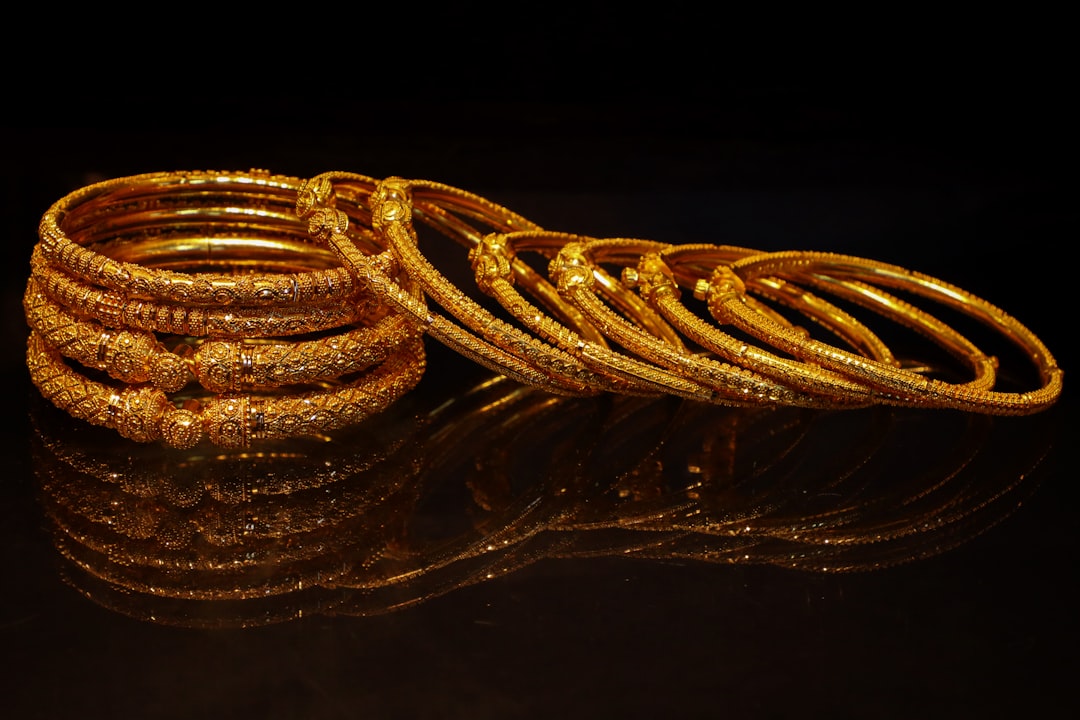
The scenario: you remove a ring that you have been wearing for a few hours and find a green-grey mark on your finger. Alarmed, you wonder if the jewellery is fake, if you are having an allergic reaction, or if there is something wrong with your skin. The reality is far more mundane — and completely harmless. This guide explains the chemistry, tells you which metals are responsible, and gives practical solutions for every budget.
The Chemistry: Why Green?
The culprit is copper. When copper metal is exposed to oxygen, moisture, and acids (including the mild acids in human sweat), it undergoes oxidation reactions that produce a series of copper compounds:
- Copper (II) oxide — black-brown, forms on copper surfaces over time
- Copper carbonate / copper hydroxycarbonate — the classic green patina (the same compound responsible for the green colour of the Statue of Liberty)
- Copper chloride — blue-green, forms when sweat's salt content interacts with copper
These green compounds are produced on the metal surface and transfer to the skin when the jewellery is in contact. The result: a green or blue-green stain on the skin. It washes off easily with soap and water and causes no harm.
Why Is Copper in Your Gold Jewellery?
Pure gold (24K, 99.9% pure) is too soft for most jewellery applications — it bends, scratches, and deforms easily. To create wearable gold jewellery, gold is alloyed with other metals:
| Karatage | Gold % | Copper % | Other metals | Green risk |
|---|---|---|---|---|
| 24K | 99.9% | ~0% | Trace | None |
| 22K (Indian standard) | 91.6% | ~8% | Silver/Zinc trace | Low to moderate |
| 18K | 75% | ~15% | Silver/Palladium | Moderate |
| 14K | 58.5% | ~28% | Silver/Zinc | Moderate to high |
| Gold-plated brass/copper | Trace layer only | ~67–85% | Zinc | High (once plating wears) |
The Indian standard 22K gold ring your grandmother owns is therefore not immune — in high-sweat conditions (India's summer, exercise, humid monsoon months), even 22K gold can leave a faint green-grey mark on some individuals. This is normal and not a sign of poor quality.
Silver and Green Skin
Sterling silver (92.5% silver + 7.5% copper) also contains copper, and silver jewellery can cause the same green reaction — particularly in humid conditions or when the silver has oxidised. Fine silver (99.9%) does not cause greening but is too soft for most wearable jewellery.
The Nickel Confusion
Many people assume green skin = nickel allergy. These are different reactions:
- Green stain (copper oxidation): No itching, no redness, no rash. Just discolouration that washes off. Affects almost everyone with high copper-content jewellery in sweat conditions.
- True nickel allergy (contact dermatitis): Red, itchy, inflamed, possibly blistered skin around the contact area. Affects approximately 10–15% of women and 1–3% of men in India. Does not leave a green stain. Nickel is used in some white gold alloys and fashion jewellery.
If you only see a green mark with no irritation — that is copper, not nickel. If you have itching and rash with no green — that is more likely nickel allergy. Some people experience both (copper greening + mild nickel sensitivity) simultaneously with low-quality fashion jewellery. Read our sensitive skin jewellery guide for nickel-free options.
What "Gold-Plated" Actually Means
Gold-plated jewellery is a base metal (usually brass, which is ~65% copper + 35% zinc, or sometimes copper directly) with a thin layer of gold applied by electroplating. The gold layer thickness varies:
- Flash plating: Under 0.5 microns. Wears off in days to weeks with regular wear.
- Standard gold-plating: 0.5–2.5 microns. Lasts weeks to months.
- Heavy gold-plating / "gold vermeil": 2.5+ microns over sterling silver base. Lasts months to years.
- Gold-filled: Not plating — solid gold layer (5% of total weight) bonded under heat and pressure to base metal. Much more durable; lasts years with care.
When any plating wears through — which it will — the copper base is exposed directly to skin, and greening begins. No gold-plated piece is permanent. If you want jewellery that never causes greening, only solid gold, solid platinum, or solid titanium qualify.
Practical Solutions: Preventing Green Skin
Clear Nail Polish Trick
Apply one or two thin coats of clear nail polish to the inside of the ring shank or wherever the piece contacts skin. This creates a temporary barrier between the copper alloy and your skin. Reapply every 2–4 weeks as it wears off. Cost: near-zero. Effectiveness: surprisingly good for fashion rings you love but don't want to discard.
Remove When Sweating
Exercise, heavy outdoor work, and cooking (hands in steam) all accelerate copper oxidation. Remove rings and bracelets before these activities and store them dry. This dramatically extends the time before any greening occurs even with copper-containing alloys.
Keep Jewellery Dry
Remove jewellery before washing hands, swimming, or showering. Soap accelerates surface oxidation. Pool chlorine is particularly harsh — it strips gold plating and attacks copper alloys rapidly.
Upgrade Your Metal
For rings and bracelets you wear daily, investing in 22K or 24K gold — or platinum — is the permanent solution. The higher the gold content, the less copper-induced greening. Platinum contains no copper at all. Titanium is another hypoallergenic option with zero green risk.
Rhodium Plating for White Gold
White gold contains nickel (in older alloys) or palladium as the whitening agent. Rhodium plating over white gold provides a nickel-free surface — standard practice in most quality jewellers. When the rhodium wears off (usually every 1–2 years), re-plating is cheap (₹500–₹2,000).
Removing Green Stains
Green stains on skin wash off with soap and water. Stubborn staining in dry skin crevices responds to rubbing with a cotton ball soaked in isopropyl alcohol or hand sanitiser. There is no lasting damage to skin — the green is a surface deposit of copper compounds, not a skin change.
Cleaning Green Residue from Jewellery
To remove oxidation build-up from copper-containing jewellery:
- Make a paste of equal parts white vinegar and baking soda (bicarbonate of soda)
- Apply with a soft toothbrush to affected areas
- Rinse thoroughly with clean water
- Dry immediately and completely
This works for base metal fashion jewellery. For solid gold or silver, a jeweller's polishing cloth is safer and sufficient. Full jewellery care guide here.
Conclusion
Green skin from jewellery is a cosmetic nuisance, not a health concern. Understanding that it is copper oxidation — not toxicity, not allergy, not fake gold — demystifies the problem completely. For daily-wear pieces, choose higher-purity metals; for fashion pieces you wear occasionally, the clear nail polish trick is a free solution. Find jewellers near you on JewellersInCity if you are looking to upgrade to solid gold alternatives.
More in Maintenance
Share this article
Our editorial team comprises jewellery industry veterans, certified gemmologists, and passionate writers with decades of combined experience across India's gold, diamond, and gemstone markets. Every article is researched, fact-checked, and written to help Indian buyers make smarter, safer jewellery decisions.
Passionate about jewellery and love to write? We'd love to hear from you.
Join us as a writer →Ready to buy? Find verified jewellers near you
Browse 10,000+ BIS hallmark certified jewellers across India. Compare ratings, check today's gold rate, and book a visit.
Keep Reading