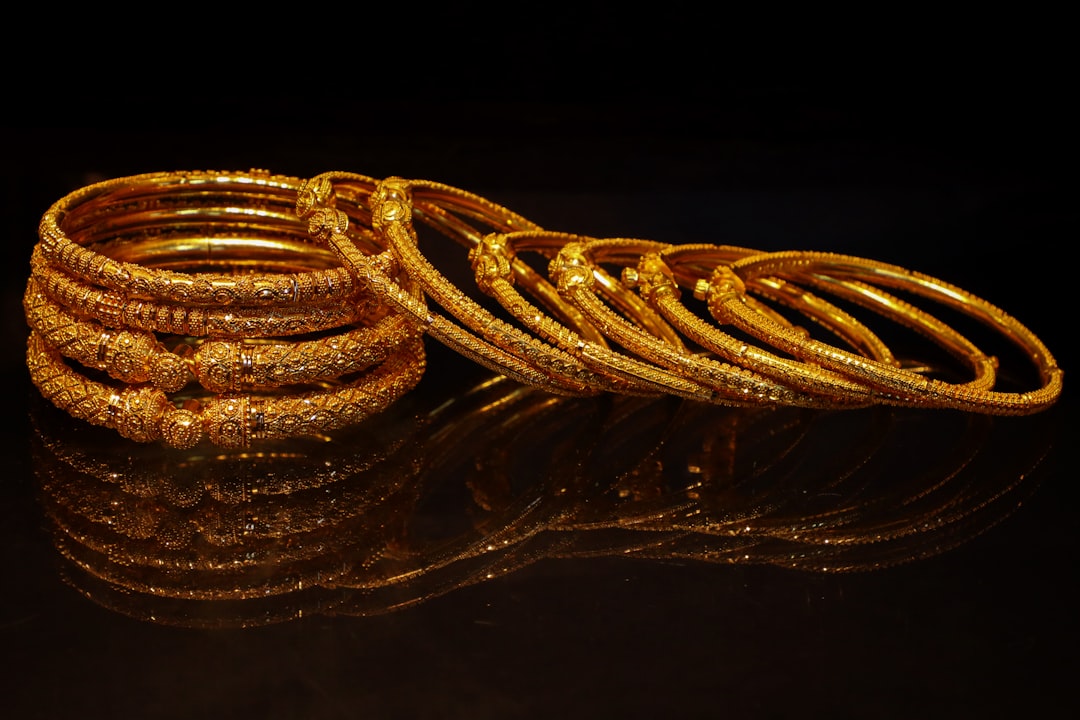
A broken gold chain is disheartening — especially if it's a piece with sentimental value or significant gold weight. The good news: chain repair is one of the most straightforward jewellery repairs a goldsmith can perform, and it rarely costs more than a few hundred rupees. This guide covers every scenario: simple breaks, complex multi-point failures, clasp replacement, and when cutting your losses and getting a new chain is the smarter choice.
Types of Chain Breaks and What They Mean
Single Link Break
The most common type — one link in the chain has opened, bent, or snapped. This is typically caused by a sudden pull (getting caught on something), a weak link from the original manufacturing, or metal fatigue over years. Single break repairs are fast and inexpensive.
Clasp Failure
The clasp (the mechanism that opens and closes the chain) is the weakest point of most chains by design — if something is going to give way under tension, better the clasp than the chain. Clasp failure means you need a replacement clasp fitted, not chain repair.
Multiple Break Points
If a chain has broken in several places — particularly if this has happened before — it indicates the chain has become brittle (metal fatigue), or the pendant weight is too heavy for the chain's gauge. Multiple breaks can be repaired, but the underlying issue must be addressed: either a heavier-gauge chain or a lighter pendant.
Complete Separation
In heavy-wear scenarios (pulled hard, caught in machinery, or very old chains), a chain may separate completely into pieces. If all pieces are recovered, a goldsmith can usually rejoin them. If links are missing or lost, replacement links need to be fabricated or sourced, adding cost.
The Repair Process
Soldering a Chain Break
The goldsmith aligns the broken link ends, applies a tiny amount of gold solder (an alloy that melts at lower temperature than the chain gold) and flux (a chemical that prevents oxidation during heating), then applies a jeweller's torch at precisely controlled temperature. The solder flows into the join and bonds the link. After cooling, the join is filed and polished to match the surrounding chain.
Done correctly, the repaired link is as strong as the original. Done poorly (wrong solder alloy, too much heat), the join may be visible, the surrounding area may be slightly discoloured from overheating, or the link may be weaker than the original.
Clasp Replacement
The old clasp is removed by cutting or unsoldering. A new clasp of matching style and appropriate weight rating is selected. The new clasp is soldered onto the chain ends. The gold purity of the clasp should match the chain — ask the jeweller to confirm this.
Cost Guide (India, April 2026)
| Repair Type | Cost Range | Time |
|---|---|---|
| Single link solder (plain chain) | ₹200–₹400 | 30 min – same day |
| Single break, delicate/hollow chain | ₹400–₹800 | Same day – 1 day |
| Multiple breaks (per additional break) | +₹150–₹300 each | Same day – 1 day |
| Clasp replacement (spring ring / lobster) | ₹300–₹600 | Same day |
| Clasp replacement (box or complex) | ₹500–₹1,000 | Same day – 2 days |
| Chain extension (2–3 cm) | ₹300–₹700 | Same day – 1 day |
| Ornate vintage chain (careful matching) | ₹800–₹2,000 | 1–3 days |
When to Repair vs Replace
Repair makes sense when:
- The chain has sentimental or heirloom value
- The chain is a distinctive design that cannot be easily replaced
- The break is a single isolated incident on an otherwise sound chain
- The repair cost is under 30% of the chain's replacement cost
Replace instead when:
- The chain has broken 3+ times previously
- The chain is extremely thin and the pendant too heavy (the same problem will recur)
- The repair cost approaches the gold weight value of the chain
- Multiple sections of the chain show kinking or stress marks suggesting general fatigue
When replacing, you can exchange the old chain at its gold weight value toward a new one. Check our buyback guide for how gold exchange works.
Choosing the Right Jeweller for Repair
For simple plain-chain repairs, any skilled local goldsmith is fine. For delicate, hollow, or ornate chains:
- Ask if the goldsmith has experience with this specific chain type
- Ask to see a previous similar repair if possible
- Confirm they will use matching gold-purity solder
- For heirloom or high-value chains, go to a specialist or the original jeweller
Find jewellers near you for chain repair on JewellersInCity.
Preventing Future Breaks
- Match chain weight to pendant weight. Heavy pendants need heavy chains (2mm+ gauge for pendants above 5g). A thin chain carrying a heavy pendant will eventually fail.
- Remove before physical activity. Exercise, sports, and heavy lifting create sudden tension spikes that snap chains.
- Store on a chain holder. Hanging chains vertically prevents kinking and tangling that creates stress points.
- Inspect the clasp regularly. A stiff or bent clasp creates leverage stress on the chain end. Replace clasps proactively when they feel harder to operate.
Conclusion
A broken gold chain is almost always repairable — quickly and affordably. The key decisions are: single vs multiple breaks (changes the cost-benefit calculation), matching the clasp to chain weight, and knowing when the chain has reached end-of-life and needs replacement rather than repair. Related: fixing scratched gold jewellery.
More in Maintenance
Share this article
Our editorial team comprises jewellery industry veterans, certified gemmologists, and passionate writers with decades of combined experience across India's gold, diamond, and gemstone markets. Every article is researched, fact-checked, and written to help Indian buyers make smarter, safer jewellery decisions.
Passionate about jewellery and love to write? We'd love to hear from you.
Join us as a writer →Ready to buy? Find verified jewellers near you
Browse 10,000+ BIS hallmark certified jewellers across India. Compare ratings, check today's gold rate, and book a visit.
Keep Reading