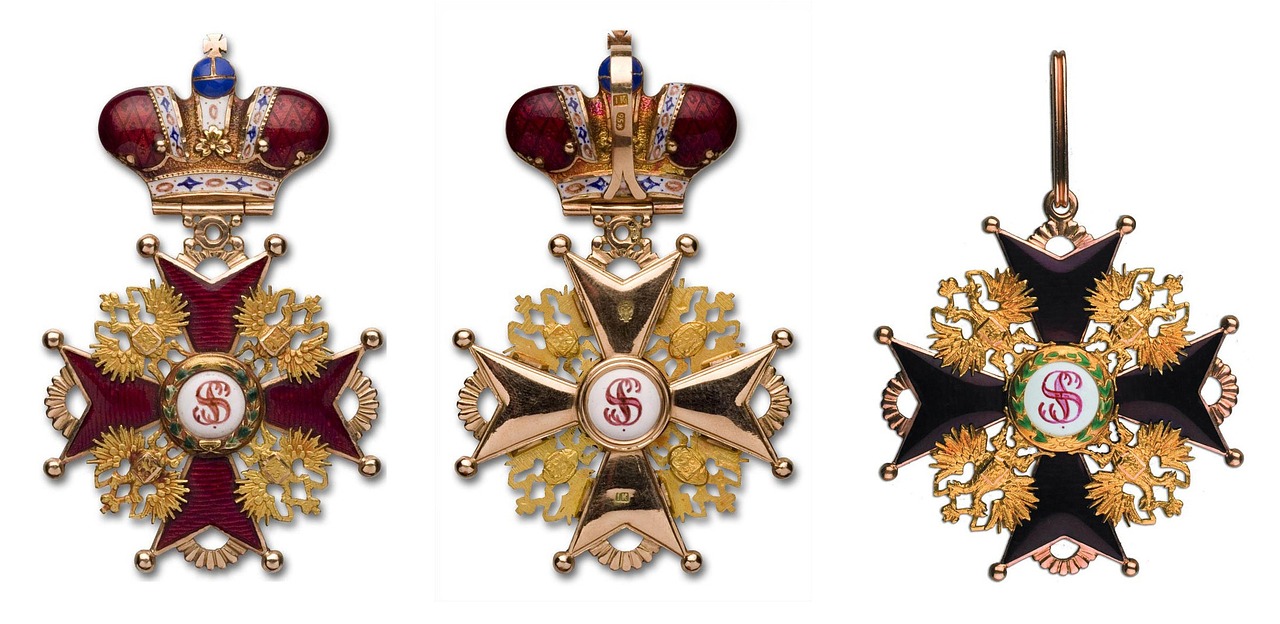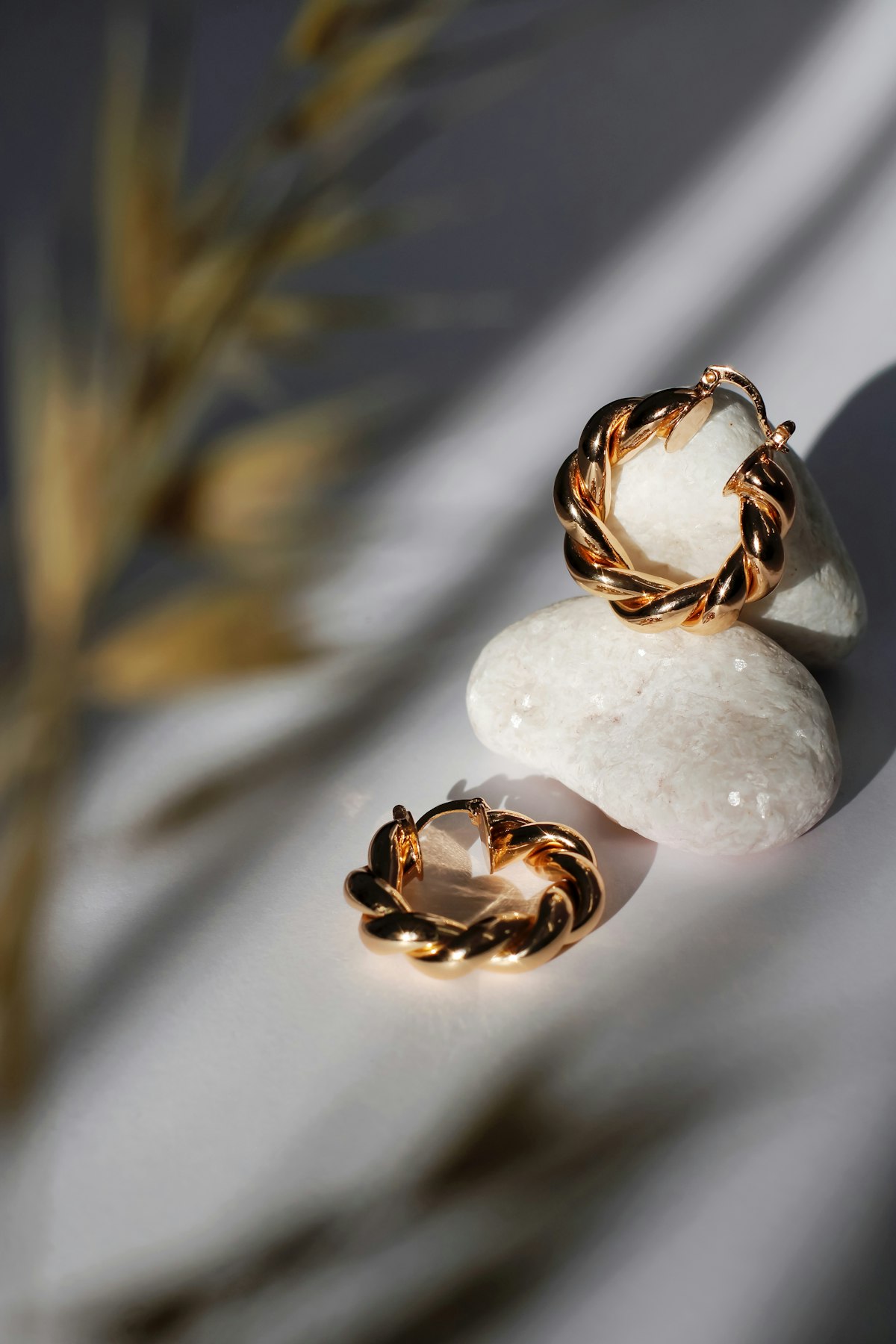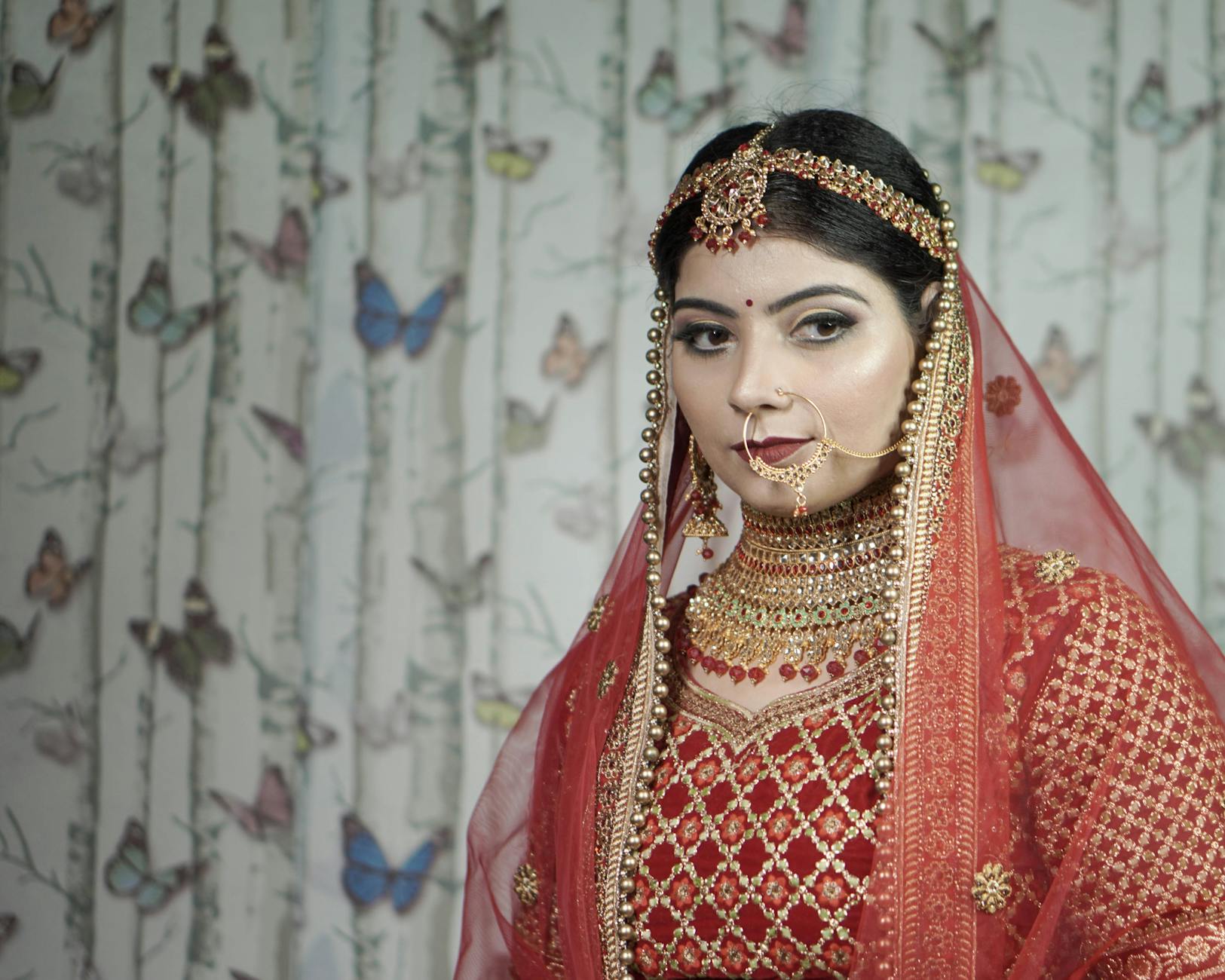
India has one of the world's richest traditions of jewellery making across centuries, dynasties and regional craft schools — which means the antique and vintage jewellery available in Indian markets is extraordinary. Mughal-era Kundan sets, colonial-period Indo-Victorian gold pieces, temple jewellery from Tamil Nadu's workshops, Rajput Polki sets, tribal silver from Orissa and Rajasthan — the range is unmatched anywhere in the world. But antique jewellery shopping in India requires preparation. This guide covers everything you need to navigate these markets intelligently.
Antique vs vintage: what the terms mean in India
In the global antiques trade, the conventional definition of "antique" is an item over 100 years old. "Vintage" typically covers items 20–100 years old. In the Indian context, these definitions are applied loosely — many dealers describe pieces as "antique" that are 40–60 years old. For practical purposes:
- Pre-independence pieces (before 1947): Genuinely old by any standard. Mughal-period, princely state court jewellery, colonial-era pieces.
- Mid-century (1947–1980): What dealers typically mean by "vintage." Pieces from the immediate post-independence period, early modern Indian goldsmithing.
- Retro/old-style (1980–2000): Sometimes sold as "vintage" — old-fashioned designs but not genuinely vintage. Buyer should distinguish based on condition and style.
The important point: age does not automatically confer value. A 70-year-old plain gold chain has melt value plus modest age premium. A 70-year-old signed piece from a documented royal jeweller has significant additional heritage premium. The design and craftsmanship matter as much as the age.
Where to buy antique jewellery in India
Chor Bazaar, Mumbai (Mutton Street)
Officially known as Chor Bazaar (Thieves' Market), the Mutton Street stretch in Mumbai's Bhendi Bazaar area is the most famous antique market in India. Open every day except Friday, the market has hundreds of stalls selling everything from colonial furniture to vintage cameras to — most relevantly — antique and vintage jewellery. Established dealers on Mutton Street (some families have been there for 60+ years) carry legitimate antique jewellery sourced from estate sales across Maharashtra, Gujarat and Goa. The better dealers will tell you where a piece came from. Arrive early — serious buyers and dealers descend by 9 AM. Cash is expected and is used for all transactions.
Janpath and Tibetan Market, New Delhi
Janpath market in Connaught Place has a concentration of antique silver jewellery, particularly tribal pieces from Rajasthan, Gujarat, Himachal Pradesh and Orissa. The Tibetan Market adjacent to Janpath also carries silver pieces. Delhi's Kinari Bazaar in Chandni Chowk is another source for old bridal jewellery. The antique scene in Delhi is more diffuse than Mumbai — the Dilli Haat craft market occasionally features genuine craft-collective sellers with traditional pieces, though this is mixed with contemporary craft production.
Thieves' Market (Nalli Market), Chennai
Chennai's antique market (concentrated around the Burma Bazaar area and the second-hand shops near Sowcarpet) carries substantial temple jewellery, South Indian gold pieces and traditional silver from Tamil Nadu, Kerala and Andhra. South Indian antique jewellery — Lakshmi coin necklaces, temple-style earrings, gold waist belts — is particularly well-represented here. The Mylapore area also has specialist antique jewellery dealers who carry documented provenance pieces.
Johari Bazaar, Jaipur
While primarily a contemporary jewellery market, Johari Bazaar in Jaipur — the historic pink city jewellery district — has a number of established dealers carrying antique Kundan, Polki and Meenakari pieces. Jaipur is the source of some of India's most sophisticated antique jewellery since it was the centre of Mughal-era court jewellery. Heritage dealers here often have pieces from former princely state collections. Prices are higher than Mumbai's Chor Bazaar but provenance is typically better documented.
How to authenticate antique jewellery
Step 1: XRF purity test
Before anything else, establish what the metal actually is. X-ray fluorescence testing at a BIS hallmarking centre (or an independent assay lab) gives you the precise gold alloy composition in under 5 minutes for ₹200–₹500. This tells you: is it gold (and what karat)? Is it silver? Is it gold-plated on a base metal? Old Indian jewellery was made in a range of alloys — 22K, 20K, 18K and various lower karats were all used. Do not pay gold prices for an unverified piece.
Step 2: Physical examination of wear and patina
Genuine age shows in specific ways. Look for:
- Authentic wear: Edges of raised relief softened from decades of contact with skin and fabric. The raised portions are smoother, the recessed areas may have built-up patina. This pattern is hard to fake uniformly.
- Solder joints: Old Indian jewellery used traditional soldering techniques with higher-temperature solders. Under magnification, old solder joints look different from modern ones — rougher, sometimes with a colour variance at the join.
- Clasp and closure type: T-bar and ring closures, barrel clasps and fish-hook closures (for earrings) were typical of older Indian jewellery. Modern spring-ring clasps and lobster clasps are 20th century innovations. A "100-year-old" piece with a modern lobster clasp has been repaired or is not what it claims.
- Setting technique: Kundan setting (gold foil pressed around gems) and Polki setting (uncut diamonds in lac-backed settings) from before the 1960s have specific visual signatures that trained eyes recognise. Contemporary reproductions exist but craftsmanship differences are identifiable.
Step 3: Expert opinion for high-value pieces
For any piece above ₹1 lakh, commission an opinion from a certified gemologist (Fellow of the Gemmological Association, FGA; or GIA Graduate Gemologist, GG). The National Institute of Fashion Technology (NIFT) and several art auction houses (Christie's India, Saffronart) have jewellery experts who can provide written opinions on important pieces. Budget ₹2,000–₹10,000 for a formal expert opinion report — this is worthwhile insurance on a significant purchase.
Valuation: how antique jewellery is priced
A useful mental model: start from melt value and work upward.
| Component | How calculated | Typical range |
|---|---|---|
| Intrinsic gold value | Verified weight (g) × rate for that purity | Base floor |
| Gem value (if any) | Gemologist assessment of stones — old mine cuts, natural rubies, emeralds | Highly variable |
| Design/craftsmanship premium | Based on rarity, technique, condition, aesthetic quality | 50%–500%+ over melt |
| Provenance premium | Documented origin, royal or notable ownership | Can be multiples of melt value |
For insurance and formal sale purposes, a Government of India registered valuer (Category III — Jewellery) issues a formal valuation certificate that can be used for insurance claims. Find registered valuers through the Registered Valuers Foundation or the IBBI (Insolvency and Bankruptcy Board of India) valuers list.
Insuring antique jewellery
Antique jewellery presents specific insurance challenges compared to new jewellery: there is no purchase invoice establishing value, no original certificate, and replacement may be impossible (you cannot replace a genuine 100-year-old piece). The correct insurance approach is a declared value policy (also called agreed value or scheduled jewellery insurance) rather than a replacement cost policy.
In a declared value policy: you declare the value with supporting documentation (registered valuer's certificate + photographs). The insurer agrees to pay that declared value in the event of loss. You are not chasing the insurer to replace an irreplaceable piece — you receive the agreed sum. Premiums are typically 0.4–1.0% of declared value annually, slightly higher than standard jewellery insurance due to the irreplaceability factor.
Documentation required: registered valuer's certificate (updated every 3-5 years as gold prices change), detailed photographs of the piece from multiple angles, any provenance documentation you have. Store copies of all documents separately from the jewellery — cloud storage or a bank safe deposit box works well.
For the broader context of jewellery insurance in India, see our jewellery storage and insurance guide. To understand the gold melt value of any antique piece (useful as your valuation floor), use our gold price formula guide. To find BIS assay centres in your city for XRF testing, browse our jeweller directory. For the hallmarking of antique pieces you want to bring into the formal system, see our HUID hallmarking guide.
For auction results and price benchmarks on important Indian antique jewellery, Sotheby's Jewels department and Saffronart (India's leading auction house with jewellery categories) publish realised prices that serve as useful market comparables.
More in Buying Guides
Share this article
Our editorial team comprises jewellery industry veterans, certified gemmologists, and passionate writers with decades of combined experience across India's gold, diamond, and gemstone markets. Every article is researched, fact-checked, and written to help Indian buyers make smarter, safer jewellery decisions.
Passionate about jewellery and love to write? We'd love to hear from you.
Join us as a writer →Ready to buy? Find verified jewellers near you
Browse 10,000+ BIS hallmark certified jewellers across India. Compare ratings, check today's gold rate, and book a visit.
Keep Reading