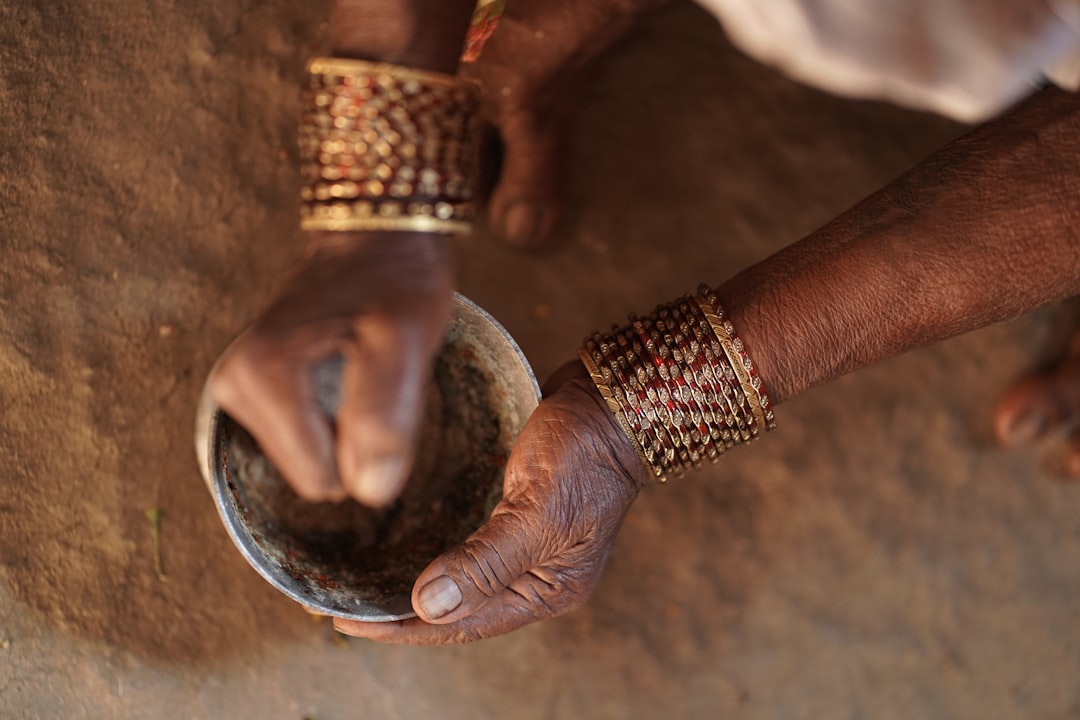
Gold has been the beating heart of Indian culture for millennia, symbolising prosperity, divine grace, and familial bonds that stretch across generations. Yet the journey that gold takes before it arrives in a velvet box at your local jeweller is one that many consumers never consider. From the vast open-pit mines of South Africa to the mercury-laden artisanal operations in parts of West Africa and South America, the extraction of precious metals and gemstones carries an environmental and human cost that is impossible to ignore in 2026. India, as the world's second-largest consumer of gold — importing roughly 700 to 800 tonnes annually — holds extraordinary power to shift the global jewellery industry toward more responsible practices simply through the choices its consumers make.
Sustainable and ethical jewellery is no longer a niche concern championed only by activists. It has become a mainstream purchasing criterion for a growing segment of Indian buyers, particularly among millennials and Gen-Z consumers who are willing to pay a modest premium for transparency. This comprehensive guide walks you through everything you need to know: what sustainable jewellery actually means, how recycled gold works, which certifications matter, which Indian brands are leading the charge, what it costs compared to conventional jewellery, and how you can make informed choices without compromising on beauty or cultural significance.
What Is Sustainable Jewelry?
Sustainable jewellery refers to pieces that are designed, sourced, manufactured, and sold in ways that minimise environmental harm, uphold fair labour practices, and support long-term ecological balance. The concept encompasses the entire lifecycle of a piece — from the mine (or recycling facility) to the workshop, the retail counter, and eventually its reuse or recycling decades later.
The Three Pillars of Sustainability in Jewelry
Environmental responsibility is the first pillar. Traditional gold mining generates approximately 20 tonnes of waste rock and tailings for every single ounce of gold produced. Mercury and cyanide are used extensively in extraction, contaminating waterways and soil. Sustainable jewellery seeks to eliminate or drastically reduce this footprint through recycled metals, responsibly mined stones, and low-impact manufacturing processes. Social equity is the second pillar. An estimated 15 to 20 million people worldwide work in artisanal and small-scale gold mining, many of them in hazardous conditions without adequate safety equipment, fair wages, or legal protections. Children as young as ten work in some mining operations. Ethical jewellery demands that every person in the supply chain is treated with dignity and compensated fairly. Economic sustainability is the third pillar. This means ensuring that mining communities benefit from the wealth extracted from their land, that local economies are supported rather than exploited, and that the jewellery industry itself adopts business models that can endure without depleting finite resources.How It Differs from Conventional Jewelry
Conventional jewellery typically sources gold and gemstones through opaque supply chains where traceability is difficult or impossible. A gold biscuit arriving at a refinery in Mumbai may contain metal from dozens of different mines across multiple countries, making it nearly impossible to verify the conditions under which it was extracted. Sustainable jewellery, by contrast, prioritises traceability, certification, and transparency at every stage.
Recycled Gold: The Most Accessible Sustainable Option
Recycled gold is gold that has been recovered from existing products — old jewellery, electronic waste, dental materials, industrial scrap — and refined back to pure bullion for reuse. Because gold is virtually indestructible and can be melted and re-refined indefinitely without any loss in quality, recycled gold is chemically identical to newly mined gold.
How Gold Recycling Works
The recycling process begins with collection. In India, the most common source of recycled gold is old jewellery exchanged at retail counters. When you trade in an old chain or bangle at your local jeweller, that piece is typically melted down, assayed for purity, and either recast in the same workshop or sold to a refinery. Large-scale refineries like MMTC-PAMP in India process hundreds of kilograms of recycled gold monthly, refining it to 999.9 purity before it re-enters the supply chain.
Electronic waste, or e-waste, is the second major source. A single smartphone contains approximately 0.034 grams of gold, which may seem negligible until you consider that India generates over 3.2 million tonnes of e-waste annually. Specialised facilities extract gold, silver, palladium, and platinum from circuit boards and connectors using chemical and electrolytic processes.
Environmental Impact of Recycled vs Mined Gold
| Parameter | Newly Mined Gold | Recycled Gold | Reduction |
|---|---|---|---|
| CO2 emissions per kg | 16,000 – 22,000 kg | 50 – 100 kg | ~99.5% |
| Water usage per kg | 250,000 – 300,000 litres | 500 – 1,000 litres | ~99.7% |
| Land disturbance per kg | 3 – 5 tonnes of earth | Negligible | ~100% |
| Mercury released per kg | 1.5 – 2.5 kg | Zero | 100% |
| Cyanide usage per kg | 3 – 5 kg | Zero | 100% |
| Energy consumption per kg | 150,000 – 175,000 MJ | 5,000 – 8,000 MJ | ~96% |
Cost of Recycled Gold in India (April 2026)
Many consumers assume that recycled gold costs less than newly mined gold. In practice, the price difference is minimal because gold is a commodity traded on global exchanges, and the market does not currently differentiate between recycled and mined gold in terms of pricing. However, jewellers who use recycled gold often have lower sourcing costs, which can translate into slightly lower making charges.
| Gold Purity | Market Rate (April 2026) | Recycled Gold Premium/Discount | Effective Price per Gram |
|---|---|---|---|
| 24K (999) | ₹8,450 | ±0% (same market rate) | ₹8,450 |
| 22K (916) | ₹7,750 | ±0% | ₹7,750 |
| 18K (750) | ₹6,340 | ±0% | ₹6,340 |
| Making charges (recycled) | — | 5–10% lower | Varies by jeweller |
Ethical Sourcing: Certifications That Matter
When gold cannot be sourced from recycled streams, ethical sourcing certifications provide the next best assurance that the metal was extracted responsibly. Several international standards have emerged, each with different levels of rigour.
Fairmined Gold
Fairmined is a certification developed by the Alliance for Responsible Mining (ARM), a Colombia-based nonprofit. It certifies gold from artisanal and small-scale mining organisations that meet stringent standards for environmental protection, labour rights, and community development. Fairmined-certified miners receive a guaranteed minimum price plus a premium of USD 4,000 per kilogram, which is invested in community projects such as schools, healthcare, and infrastructure.
As of 2026, Fairmined gold is available in India through a handful of forward-thinking jewellers and designers, though supply remains limited. The premium over standard gold prices is typically 5 to 10 percent, reflecting the higher cost of responsible extraction and the community development levy.
Fairtrade Gold
Fairtrade Gold operates under the broader Fairtrade International umbrella and functions similarly to Fairmined. Certified mining cooperatives must adhere to environmental, labour, and governance standards, and they receive a Fairtrade Premium of USD 2,000 per kilogram. Fairtrade Gold has stronger brand recognition among international consumers, though its penetration in the Indian market remains nascent.
Responsible Jewellery Council (RJC) Certification
The RJC is an industry body that certifies the entire supply chain — miners, refiners, manufacturers, and retailers — against a Code of Practices covering human rights, labour conditions, environmental impact, and business ethics. Major Indian brands including Tanishq (Titan Company) and Malabar Gold have obtained or are pursuing RJC certification for parts of their operations.
Kimberly Process (for Diamonds)
The Kimberly Process Certification Scheme (KPCS) was established in 2003 to prevent conflict diamonds from entering the legitimate diamond trade. While it has been criticised for narrow definitions and enforcement gaps, it remains the baseline standard for diamond sourcing. Indian diamond cutting and polishing centres in Surat process approximately 90 percent of the world's diamonds, making India's adherence to the Kimberly Process globally significant.
Indian Brands Leading the Sustainable Jewelry Movement
India's sustainable jewellery ecosystem is growing rapidly, with both established players and independent designers embracing responsible practices.
Tanishq's "Rivaah" and Sustainability Initiatives
Tanishq, India's largest organised jewellery retailer with over 400 stores, has made significant strides in sustainability. The brand's parent company, Titan, publishes annual sustainability reports disclosing energy consumption, waste management, and supply chain practices. Tanishq's Karatmeter initiative, which allows customers to verify gold purity in-store, also supports transparency. Their exchange programme — accepting old gold from any brand — feeds a robust recycled gold pipeline.
Tribe by Amrapali
Amrapali, the Jaipur-based brand known for traditional Rajasthani craftsmanship, has launched Tribe by Amrapali with a focus on handcrafted silver jewellery that supports artisan communities. The brand works directly with over 3,000 karigars (artisans) across Rajasthan, ensuring fair wages and preserving heritage techniques that might otherwise be lost.
Vikram Quila (Mumbai)
Vikram Quila is an independent designer brand that has built its identity around 100 percent recycled gold. Every piece in their collection is crafted from gold recovered from electronic waste and old jewellery, refined to 999.9 purity, and hallmarked by BIS. Their pricing is competitive with conventional jewellers, with making charges ranging from ₹800 to ₹1,500 per gram depending on design complexity.
Khwaahish (Chennai)
Khwaahish has carved a niche in lightweight, everyday diamond jewellery using responsibly sourced diamonds and recycled gold. Their "Green Gold" collection, launched in 2025, explicitly markets the use of recycled precious metals and provides customers with a sustainability certificate for each purchase.
Pachchigar (Ahmedabad)
This Gujarat-based jeweller specialises in traditional Kundan and Meenakari work using recycled gold and ethically sourced gemstones. Their artisan welfare programme provides health insurance, education sponsorship, and retirement benefits to their team of over 200 karigars — a rarity in the largely informal karigar economy.
The Environmental Impact of Your Jewelry Choices
Understanding the full environmental cost of jewellery helps contextualise why sustainable choices matter.
Gold Mining's Global Footprint
Gold mining is one of the most environmentally destructive industries on the planet. The world's gold mines collectively produce over 2,500 tonnes of gold annually, generating approximately 50 billion tonnes of mine waste in the process. This waste often contains arsenic, lead, mercury, and cyanide, which leach into groundwater and rivers, devastating aquatic ecosystems and poisoning communities downstream.
In India, the Kolar Gold Fields in Karnataka — once among the deepest mines in the world — left behind a legacy of arsenic-contaminated groundwater that affects residents to this day, decades after mining ceased. The Hutti Gold Mines in the same state continue to operate, though with improved environmental protocols.
Carbon Footprint Comparison
To put gold's carbon footprint in perspective, producing enough gold for a single 20-gram mangalsutra through conventional mining generates approximately 320 to 440 kilograms of CO2 — equivalent to driving a petrol car from Delhi to Mumbai and back. The same mangalsutra made from recycled gold generates roughly 1 to 2 kilograms of CO2.
Water and Land Impact
A single gold wedding ring (approximately 5 grams) requires the displacement of roughly 15 to 25 tonnes of earth and the use of 1,250 to 1,500 litres of water through conventional mining. These figures become deeply concerning when multiplied across India's annual gold consumption of 700-plus tonnes.
Consumer Guide: How to Buy Sustainable Jewelry
Making the shift to sustainable jewellery does not require sacrificing aesthetics, cultural traditions, or financial prudence. Here is a practical roadmap for Indian consumers.
Step 1: Prioritise Recycled Gold
The simplest and most effective step is to choose jewellers who use recycled gold. Ask your jeweller directly whether they use recycled metal and whether they can provide documentation. Many traditional family jewellers in India have always melted and recast old gold — they simply have not marketed this practice as "sustainable." In many cases, your trusted neighbourhood jeweller may already be more sustainable than you realise.
Step 2: Check for Hallmarking
BIS hallmarking, mandatory for gold jewellery sold in India since June 2021, ensures purity but does not address sourcing. However, it is a baseline indicator of a jeweller's commitment to transparency and regulatory compliance. Always insist on HUID (Hallmark Unique Identification) tagged pieces.
Step 3: Ask About Artisan Welfare
India's jewellery industry employs an estimated 4.5 million karigars, many of whom work in informal settings without contracts, health insurance, or retirement benefits. Ask your jeweller about their artisan welfare practices. Brands that invest in karigar welfare are more likely to be committed to broader ethical principles.
Step 4: Consider Lab-Grown Diamonds
For diamond jewellery, lab-grown diamonds offer a sustainable alternative to mined stones. They are chemically, physically, and optically identical to natural diamonds but require significantly less environmental disruption. India is a global leader in lab-grown diamond production, with Surat-based manufacturers offering stones at 60 to 80 percent less than mined equivalents.
Step 5: Invest in Longevity
The most sustainable piece of jewellery is one that lasts forever and is worn frequently. Choose classic, timeless designs over trend-driven pieces that may feel outdated in a few years. A well-made 22K gold chain or a pair of diamond studs will serve you — and potentially your grandchildren — for a lifetime.
Cost Comparison: Sustainable vs Conventional Jewelry
One of the most common misconceptions about sustainable jewellery is that it carries a prohibitive premium. The reality is more nuanced.
Price Comparison Table (April 2026)
| Jewelry Type | Conventional (₹) | Sustainable/Ethical (₹) | Difference |
|---|---|---|---|
| 22K gold chain, 15g | ₹1,16,250 + ₹15,000 MC = ₹1,31,250 | ₹1,16,250 + ₹13,500 MC = ₹1,29,750 | -₹1,500 (lower MC) |
| 22K gold bangle, 20g | ₹1,55,000 + ₹18,000 MC = ₹1,73,000 | ₹1,55,000 + ₹20,000 MC = ₹1,75,000 | +₹2,000 |
| Diamond ring (0.5ct mined) | ₹1,20,000 – ₹1,80,000 | — | — |
| Diamond ring (0.5ct lab-grown) | — | ₹35,000 – ₹55,000 | -60 to 70% |
| Fairmined gold ring, 5g | — | ₹38,750 + ₹7,500 MC + ₹2,000 premium = ₹48,250 | +5–10% |
| Recycled silver earrings, 10g | ₹950 + ₹1,200 MC = ₹2,150 | ₹950 + ₹1,500 MC = ₹2,450 | +₹300 |
The True Cost Equation
When comparing costs, it is essential to factor in what economists call externalities — costs that are real but not reflected in the price tag. The environmental cleanup cost of gold mining, the healthcare costs borne by mining communities, and the long-term ecological damage to waterways and forests are all borne by society rather than the consumer. Sustainable jewellery internalises some of these costs, making its slightly higher price a more honest reflection of what gold truly costs.
Understanding Gemstone Ethics
Gold is only part of the equation. Gemstones — diamonds, rubies, emeralds, sapphires — carry their own ethical complexities.
Conflict-Free Diamonds
The term "conflict-free" has specific meaning: diamonds that have not been used to finance armed conflict against governments. The Kimberly Process addresses this narrow definition but does not cover broader issues such as child labour, environmental destruction, or worker exploitation in non-conflict zones. Consumers seeking truly ethical diamonds should look beyond Kimberly Process compliance to certifications like RJC or the Diamond Development Initiative.
Coloured Gemstone Challenges
The coloured gemstone supply chain is even more opaque than diamonds. Rubies from Myanmar, emeralds from Colombia, and sapphires from Sri Lanka and Madagascar often pass through multiple intermediaries before reaching India's cutting centres. Traceability is extremely difficult. Some Indian designers are addressing this by sourcing directly from mining cooperatives and providing origin documentation with each stone.
Indian-Origin Gemstones
India itself produces several gemstones, including star rubies from Mysore, moonstones from Bihar, and garnets from Rajasthan. Sourcing Indian-origin stones reduces transportation emissions and supports domestic mining communities, though consumers should still verify that extraction practices are responsible.
Building a Sustainable Jewelry Collection Over Time
Transitioning to a fully sustainable jewellery collection is a journey, not a single purchase. Here is a practical approach.
Start with Exchange
Most Indian households already possess old gold jewellery that is never worn. Exchanging this at a reputable jeweller and having it recast into contemporary designs is the most accessible form of sustainable jewellery consumption. You are literally recycling gold that has already been mined, generating zero new environmental impact beyond the energy used for melting and casting.
Add One Sustainable Piece Per Year
Rather than overhauling your entire collection, commit to adding one sustainably sourced piece each year. Over a decade, you will have built a meaningful collection while spreading the cost and effort. Prioritise high-value, high-visibility pieces — a daily-wear pendant, an engagement ring, or a statement necklace — where the sustainability story is part of the piece's identity.
Document Your Collection's Provenance
Maintain a record of each piece's origin, certification, and sustainability credentials. This provenance documentation adds to the piece's value — both monetary and sentimental — and makes it easier to pass the collection to the next generation with its story intact.
The Future of Sustainable Jewelry in India
India's sustainable jewellery market is poised for significant growth driven by several converging trends.
Regulatory Push
The Bureau of Indian Standards (BIS) mandatory hallmarking programme has already improved transparency in the gold market. Industry observers expect further regulations around supply chain disclosure and environmental standards for refineries within the next few years.
Technology-Enabled Traceability
Blockchain-based traceability platforms are being piloted by several Indian and international companies to track gold from mine to retail. These platforms create an immutable record of each transaction in the supply chain, making it possible for consumers to verify the origin of their gold with a smartphone scan.
Consumer Demand
Surveys consistently show that Indian consumers under 35 are significantly more likely to consider sustainability when making jewellery purchases. As this demographic becomes the primary buying cohort, sustainable jewellery will move from a marketing differentiator to a baseline expectation.
Frequently Asked Questions
1. Is recycled gold the same quality as newly mined gold?
Yes, absolutely. Gold can be refined to 999.9 purity (24 karat) regardless of its source. Once recycled gold is refined, it is chemically indistinguishable from newly mined gold. The refining process removes all impurities, and BIS hallmarking certifies the final purity. A 22K recycled gold bangle is identical in every measurable way to a 22K newly mined gold bangle.
2. How can I verify that a jeweller uses recycled gold?
Ask the jeweller directly and request documentation. Reputable jewellers who use recycled gold are typically proud of the practice and willing to share details. Look for partnerships with certified refineries like MMTC-PAMP, which processes recycled gold. Some jewellers provide a "recycled gold certificate" with each purchase. If a jeweller cannot answer your questions about sourcing, consider it a red flag.
3. Does sustainable jewelry cost significantly more?
Not necessarily. Recycled gold costs the same per gram as newly mined gold because both trade at the same market rate. Making charges may be slightly higher for some ethical brands (5 to 10 percent), but this is offset by lower costs in other areas. Lab-grown diamonds are 60 to 80 percent cheaper than mined equivalents. The overall cost of a sustainable jewellery purchase is often comparable to — or even less than — a conventional one.
4. What is the difference between Fairmined and Fairtrade gold?
Both certifications address responsible artisanal gold mining, but they are managed by different organisations. Fairmined is certified by the Alliance for Responsible Mining and offers a premium of USD 4,000 per kilogram to mining communities. Fairtrade Gold is certified by Fairtrade International with a premium of USD 2,000 per kilogram. Both require adherence to environmental, labour, and governance standards. In practice, both are excellent choices for ethically sourced gold.
5. Are Indian jewellers adopting sustainable practices?
Yes, and the trend is accelerating. Major brands like Tanishq, Malabar Gold, and Kalyan Jewellers have introduced sustainability initiatives ranging from recycled gold programmes to artisan welfare schemes. Independent designers in Mumbai, Chennai, Jaipur, and other cities are building entire brands around sustainability. The RJC has also seen growing membership among Indian companies.
6. Is lab-grown diamond jewelry considered sustainable?
Lab-grown diamonds have a significantly lower environmental impact than mined diamonds. They require no land excavation, generate no mine waste, and do not carry conflict risks. However, they do require substantial energy to produce — approximately 250 kilowatt-hours per carat for CVD-grown diamonds. When produced using renewable energy, lab-grown diamonds are considerably more sustainable than mined alternatives. India's Surat hub is a global leader in this space.
7. How do I know if my diamond is conflict-free?
All diamonds legally sold in India should comply with the Kimberly Process Certification Scheme. Request the Kimberly Process certificate when purchasing loose diamonds. For additional assurance, look for diamonds certified by the Responsible Jewellery Council or sourced from Canadian, Australian, or Botswanan mines, which have strong regulatory oversight. Lab-grown diamonds inherently avoid conflict concerns.
8. Can I make my existing jewelry more sustainable?
Yes. Having old jewellery melted and recast into new designs is one of the most sustainable practices possible. You are reusing existing gold without any new mining impact. Additionally, you can have gemstones from old settings reset into contemporary designs. Many Indian jewellers offer this service, and it is often more affordable than buying new pieces.
9. What role do karigars play in sustainable jewelry?
Karigars — the artisans who handcraft jewellery — are central to the sustainability equation. Fair wages, safe working conditions, health insurance, and skill development programmes for karigars are hallmarks of ethical jewellery brands. When you support jewellers who invest in karigar welfare, you contribute to the social sustainability of the industry. Ask your jeweller about their artisan practices.
10. Is gold mining banned in India?
No, gold mining is not banned in India, but it is limited. The Hutti Gold Mines Company in Karnataka is India's only significant gold mining operation, producing approximately 1.5 tonnes annually. India imports the vast majority of its gold — roughly 700 to 800 tonnes per year — primarily from Switzerland, UAE, South Africa, and Australia. The environmental practices of these source countries vary widely.
11. How does blockchain help in jewelry sustainability?
Blockchain creates a tamper-proof digital ledger that records every transaction in the gold supply chain — from the mine or recycling facility to the refinery, manufacturer, and retailer. Each entry is time-stamped and cannot be altered retroactively. This allows consumers to scan a QR code on their jewellery and trace its entire journey. Several Indian companies, including MMTC-PAMP, are piloting blockchain traceability for gold.
12. Will sustainable jewelry become the norm in India?
All indicators suggest yes. Regulatory mandates (like BIS hallmarking) are increasing transparency. Consumer demand for ethical products is rising, particularly among younger buyers. Technology is making traceability affordable. And major industry players are investing in sustainability infrastructure. Within the next five to ten years, sustainable sourcing will likely become a baseline expectation rather than a premium differentiator in the Indian jewellery market.
Conclusion
The shift toward sustainable and ethical jewellery is not about rejecting India's magnificent gold heritage — it is about honouring it more deeply. When you choose recycled gold, you acknowledge that the earth has already given us enough gold to adorn generations to come. When you support Fairmined or Fairtrade certified metal, you ensure that mining communities share in the wealth extracted from their land. When you invest in lab-grown diamonds, you embrace innovation that preserves natural landscapes. And when you ask your jeweller about karigar welfare, you affirm that the hands that craft your jewellery deserve dignity and fair compensation.
Every purchase is a vote for the kind of industry you want to see. Use our store finder to discover jewellers near you who are committed to sustainable practices, check today's gold rates before you buy, and explore our jewellery calculators to plan your purchase with confidence.
Published: April 2026 | Category: Ethical Jewelry | Last Updated: April 9, 2026
More in Trends & Styles
Share this article
Our editorial team comprises jewellery industry veterans, certified gemmologists, and passionate writers with decades of combined experience across India's gold, diamond, and gemstone markets. Every article is researched, fact-checked, and written to help Indian buyers make smarter, safer jewellery decisions.
Passionate about jewellery and love to write? We'd love to hear from you.
Join us as a writer →Ready to buy? Find verified jewellers near you
Browse 10,000+ BIS hallmark certified jewellers across India. Compare ratings, check today's gold rate, and book a visit.
Keep Reading