Navratna — the Sanskrit word for "nine gems" — is one of India's oldest and most sacred jewellery traditions. For centuries, kings, merchants, and everyday devotees have worn these nine-stone pieces believing they harmonise the nine planetary forces of Vedic astrology. Today, Navratna jewellery is experiencing a revival both as a spiritual talisman and as a bold fashion statement. This guide explains each stone, its planetary association, who should wear it, and everything you need to know before buying.
The Nine Stones and Their Planetary Rulerships
| Gemstone (Hindi name) | Planet (Graha) | Colour | Said to Influence | Minimum Ratti (astrological) |
|---|---|---|---|---|
| Ruby (Manik) | Sun / Surya | Deep red | Confidence, leadership, vitality | 3–5 ratti |
| Pearl (Moti) | Moon / Chandra | White/cream | Emotional stability, intuition | 4–6 ratti |
| Red Coral (Moonga) | Mars / Mangal | Red/orange | Energy, courage, physical health | 6–12 ratti |
| Emerald (Panna) | Mercury / Budh | Green | Intelligence, communication, business | 3–5 ratti |
| Yellow Sapphire (Pukhraj) | Jupiter / Guru | Yellow | Wisdom, marriage prospects, wealth | 3–5 ratti |
| Diamond (Heera) / White Sapphire | Venus / Shukra | Colourless | Luxury, relationships, creativity | 0.5–1 carat |
| Blue Sapphire (Neelam) | Saturn / Shani | Blue | Discipline, career, longevity | 3–5 ratti |
| Hessonite Garnet (Gomed) | Rahu (North Node) | Honey/brown | Ambition, clarity, removing obstacles | 6–10 ratti |
| Cat's Eye Chrysoberyl (Lehsunia) | Ketu (South Node) | Golden-green | Spiritual growth, past life karma | 3–6 ratti |
Why Navratna Is Considered Safe for Everyone
In Vedic astrology, wearing an individual gemstone is a precise prescription — it should only be done after careful analysis of your birth chart (kundali) by an experienced Jyotishi. A stone that strengthens a well-placed planet enhances that planet's positive influence. But a stone that strengthens a malefic planet in your chart can amplify its harmful effects.
Navratna circumvents this problem. By containing all nine planetary gems simultaneously, the set is believed to balance all planetary energies rather than amplifying any single one. The nine stones effectively cancel each other's potential negative influences while providing a gentle overall uplift. This is why Navratna is traditionally considered safe to wear without astrological consultation — a significant distinction from wearing, say, a Blue Sapphire alone.
💡 Pro Tip
The traditional arrangement in a Navratna ring is not arbitrary. Ruby is placed at the centre (Sun as the central luminary), surrounded by the eight other planetary stones in a specific order: Diamond (East), Pearl (SE), Coral (South), Hessonite (SW), Blue Sapphire (West), Cat's Eye (NW), Yellow Sapphire (North), Emerald (NE). This spatial arrangement is considered important in classical Jyotish texts.
Who Benefits Most from Navratna
Business owners and entrepreneurs particularly benefit from the Mercury (Emerald) and Jupiter (Yellow Sapphire) energies in Navratna. Mercury governs trade, communication, and sharp thinking. Jupiter governs expansion, fortune, and ethical dealings. Together, they are considered the two most auspicious planets for commerce.
Couples find Navratna appealing for the Venus (Diamond) energy, which governs romantic relationships, harmony, and mutual attraction. Combined with Jupiter's wisdom, Navratna is frequently gifted at engagements and anniversaries.
People with challenging horoscopes — particularly those undergoing Sade Sati (Saturn's 7.5-year transit over the natal moon), Rahu mahadasha, or other difficult planetary periods — may find Navratna useful as a balancing measure. The multiple gems prevent any single planetary energy from dominating.
Students and researchers benefit from the combination of Mercury (intellect, learning) and Jupiter (higher knowledge, teaching) energies that are part of every Navratna piece.
Individual Stone Warnings: What Navratna Avoids
Understanding why Navratna is safe requires understanding why individual stones can be risky.
Blue Sapphire (Neelam) is considered the most powerful — and potentially the most dangerous — of all astrological gemstones in Vedic tradition. Saturn is a slow-moving, karmic planet, and Neelam is said to act with extraordinary speed. Traditional Jyotish wisdom requires testing Neelam before committing to wearing it: a common recommendation is to leave the stone under your pillow for three nights and observe your dreams, mood, and circumstances before wearing it on your body. Stories of Blue Sapphire bringing sudden fortune to some wearers and sudden misfortune to others are widely told in Indian astrological circles.
Red Coral (Moonga) strengthens Mars, which rules aggression and energy. For already hot-tempered individuals (Aries or Scorpio ascendants with aggressive Mars placements), standalone Moonga can intensify irritability and conflict.
Cat's Eye (Lehsunia) associated with Ketu is considered highly unpredictable as a standalone stone and recommended only for those in Ketu mahadasha with a strong need for it.
⚠️ Important Guidance
Never wear Blue Sapphire, Cat's Eye, or Hessonite Garnet as standalone stones without consulting a qualified Vedic astrologer first. These three — associated with Saturn, Ketu, and Rahu respectively — are considered "shadow planet" gems and require careful chart analysis. In a Navratna setting, their energy is moderated by the other eight stones, which is why the complete set is safer than individual stones.
Natural vs Synthetic Stones for Astrological Effect
This is one of the most debated topics in Jyotish gem therapy. The classical position is clear: only natural, untreated gemstones carry the planetary vibration. Synthetic gemstones (lab-created) are chemically identical to natural ones but are considered astrologically inert because they lack the crystallographic history formed over millions of years under earth's conditions.
Heat treatment — used to enhance colour in rubies, sapphires, and emeralds — is also considered to reduce astrological potency. "Jyotish quality" gems command significant premiums because they are natural, unheated, untreated, and eye-clean. A natural untreated Burma ruby of even 2 carats can cost ₹1–5 lakh, while a heat-treated Thai ruby of similar appearance might cost ₹5,000–₹15,000.
For jewellery worn primarily as fashion, synthetic and enhanced stones are perfectly acceptable and make Navratna accessible at all price points.
Price Guide for Navratna Jewellery in India
| Type | Stone Quality | Price Range |
|---|---|---|
| Fashion ring or pendant | Synthetic / coloured glass | ₹2,000–₹8,000 |
| Silver Navratna set | Semi-precious (natural, treated) | ₹5,000–₹25,000 |
| Gold Navratna ring | Natural coloured gems (treated) | ₹35,000–₹1,50,000 |
| Jyotish quality gold ring | Natural unheated/untreated gems | ₹2,00,000–₹25,00,000+ |
| Bridal Navratna necklace set | Premium natural gems in 22K | ₹5,00,000–₹50,00,000+ |
Navratna Through History: The Mughal Connection
Navratna jewellery has adorned some of history's most powerful figures. Mughal emperors, who blended their Persian-Islamic heritage with Indian Hindu and Jain astrological traditions, were enthusiastic patrons of Navratna. Emperor Akbar is documented to have worn Navratna pieces, and court jewellery of the Mughal era frequently incorporated the nine-gem design. The famous Navaratna rings and pendants from this period — now in museum collections worldwide — show extraordinarily sophisticated stone-setting work in gold.
In South India, the Vijayanagara empire (14th–16th centuries) elevated Navratna to royal status. Tamil Nadu's Navaratna pendent tradition continues today in temple jewellery and bridal sets worn by brides from Tamil Brahmin and Mudaliar communities.
Modern Navratna: Beyond the Ring
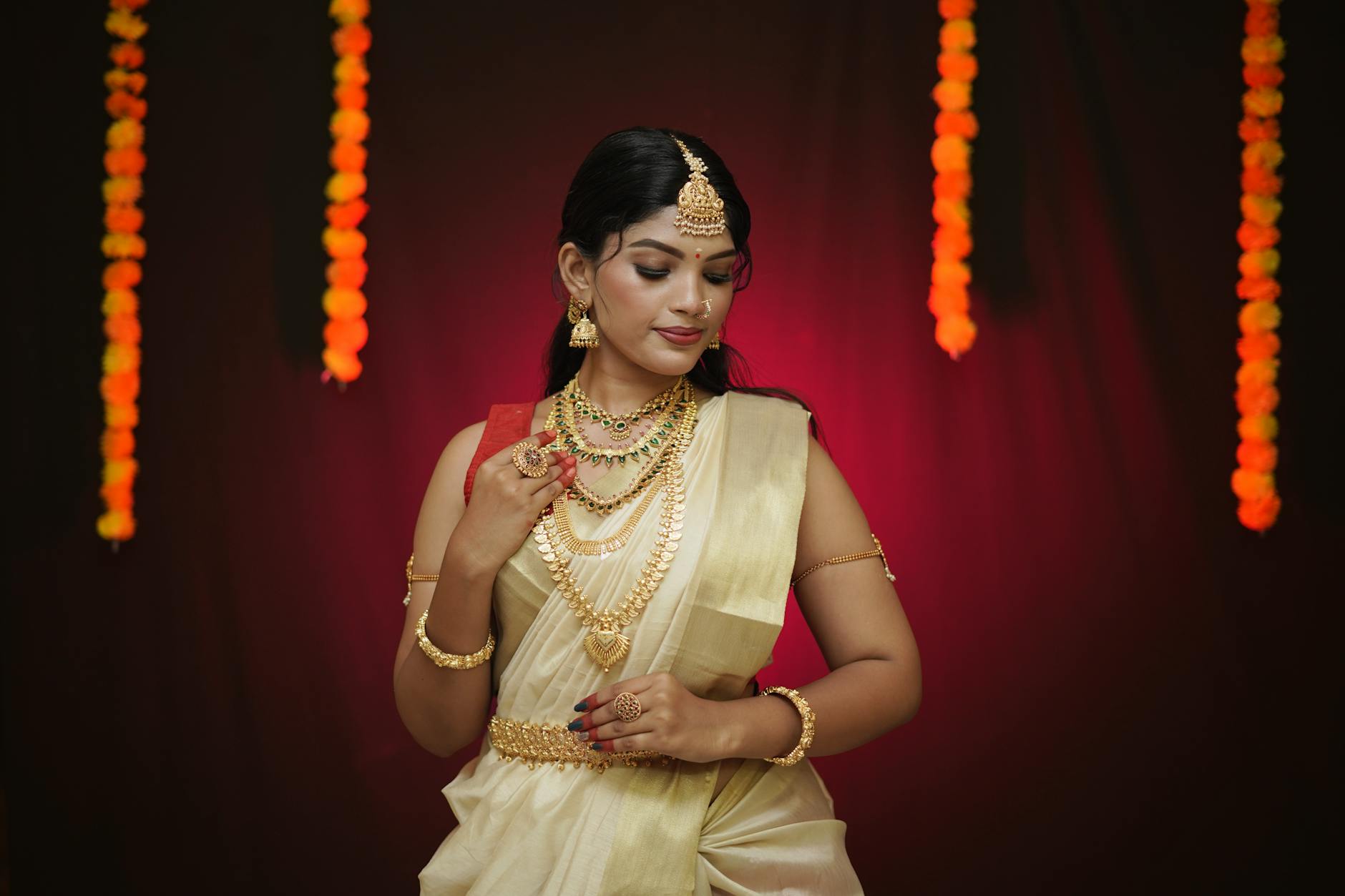
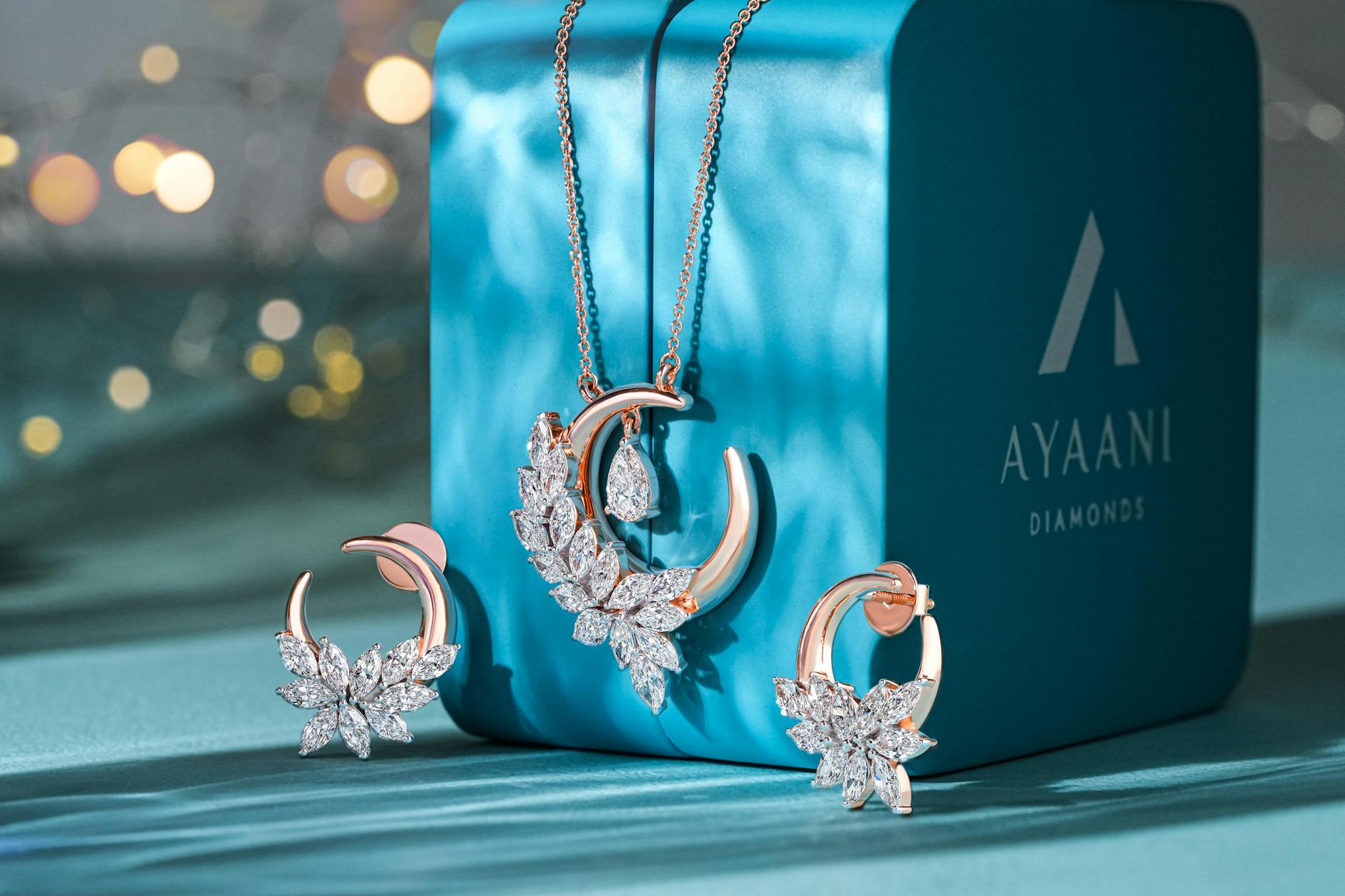
While the classic Navratna ring remains the most popular format, contemporary Indian designers have expanded the concept into pendants (particularly popular with Gen Z buyers who prefer minimal jewellery), bracelets (tennis-style with alternating coloured stones), statement earrings in chandbali and jhumka formats, and even maang tikka designs. Brands like Amrapali, Tanishq, and Melorra offer contemporary Navratna interpretations for buyers who want the symbolic significance without the traditional ring aesthetic.
Frequently Asked Questions
Is a Navratna ring good for everyone? According to classical Jyotish, yes — the nine-gem balance is considered universally beneficial or at least neutral. However, "everyone benefits" does not mean "everyone will have a dramatic positive experience." If your chart is largely positive, you may notice subtle improvements. If you are in a difficult planetary period, Navratna can help moderate extremes.
Can I wear Navratna without an astrologer's consultation? Unlike individual astrological stones, Navratna is traditionally considered safe to wear without consultation. Most Jyotish practitioners agree that the nine-stone balance is unlikely to cause harm even in challenging horoscopes. That said, consulting an astrologer adds the benefit of knowing whether you should emphasise a particular stone within the set.
Which finger should a Navratna ring be worn on? Classical texts suggest the ring finger (Venus finger) of the right hand, but practices vary by community and individual astrologer guidance. Some recommend the index finger (Jupiter finger) for those seeking wisdom and expansion. In practice, whichever finger is comfortable and keeps the piece centred is acceptable for fashion wearers.
Can children wear Navratna? Yes, it is frequently gifted to children in the form of pendants or bracelets and is considered protective and balancing for young people whose charts are still unfolding.
Caring for Navratna Jewellery
Navratna pieces require careful maintenance because of the variety of stones involved. Different gems have different hardness, chemical sensitivity, and light sensitivity. Pearls (Moti) are among the most delicate — they are organic gems that can be damaged by perfume, hairspray, acids, and prolonged exposure to humidity. Always put on Navratna jewellery after applying makeup, perfume, and hairspray.
Emeralds (Panna) are typically treated with natural resins to fill surface-reaching fractures — these treatments can be damaged by ultrasonic cleaners and harsh solvents. Clean Navratna pieces with a soft damp cloth only. Never put a multi-stone piece in an ultrasonic cleaner unless you have confirmed with the jeweller that no organic or treated stones are present.
Red coral (Moonga) is particularly sensitive — it is calcium carbonate (like seashells) and can be etched by acids, dissolved by perfume, and dulled by water. Store coral away from other stones to prevent surface scratching. Yellow Sapphire, Blue Sapphire, Ruby, and Hessonite Garnet are harder and more durable, but no stone is scratch-proof.
For gold settings, a light clean with warm soapy water and a baby toothbrush every 2–3 months keeps the metal bright without risk to any of the nine stones. Store Navratna pieces individually in soft cloth pouches, never in a hard jewellery box where they can knock against each other.
Navratna in Contemporary Fashion
The resurgence of maximalist and heritage aesthetics in Indian fashion has brought Navratna to the forefront of contemporary jewellery design. Designers are reimagining the nine-gem concept in asymmetric earrings, fine stacking rings (one stone per ring, worn together), and enamelled gold cuffs that carry the nine gems in a linear arrangement rather than the traditional star or ring formation. Bollywood celebrities wearing elaborate Navratna pieces at award functions and weddings have significantly boosted the trend among younger buyers who might otherwise have associated Navratna only with their grandmothers' jewellery boxes.
More in Trends & Styles
Share this article
Our editorial team comprises jewellery industry veterans, certified gemmologists, and passionate writers with decades of combined experience across India's gold, diamond, and gemstone markets. Every article is researched, fact-checked, and written to help Indian buyers make smarter, safer jewellery decisions.
Passionate about jewellery and love to write? We'd love to hear from you.
Join us as a writer →Ready to buy? Find verified jewellers near you
Browse 10,000+ BIS hallmark certified jewellers across India. Compare ratings, check today's gold rate, and book a visit.
Keep Reading