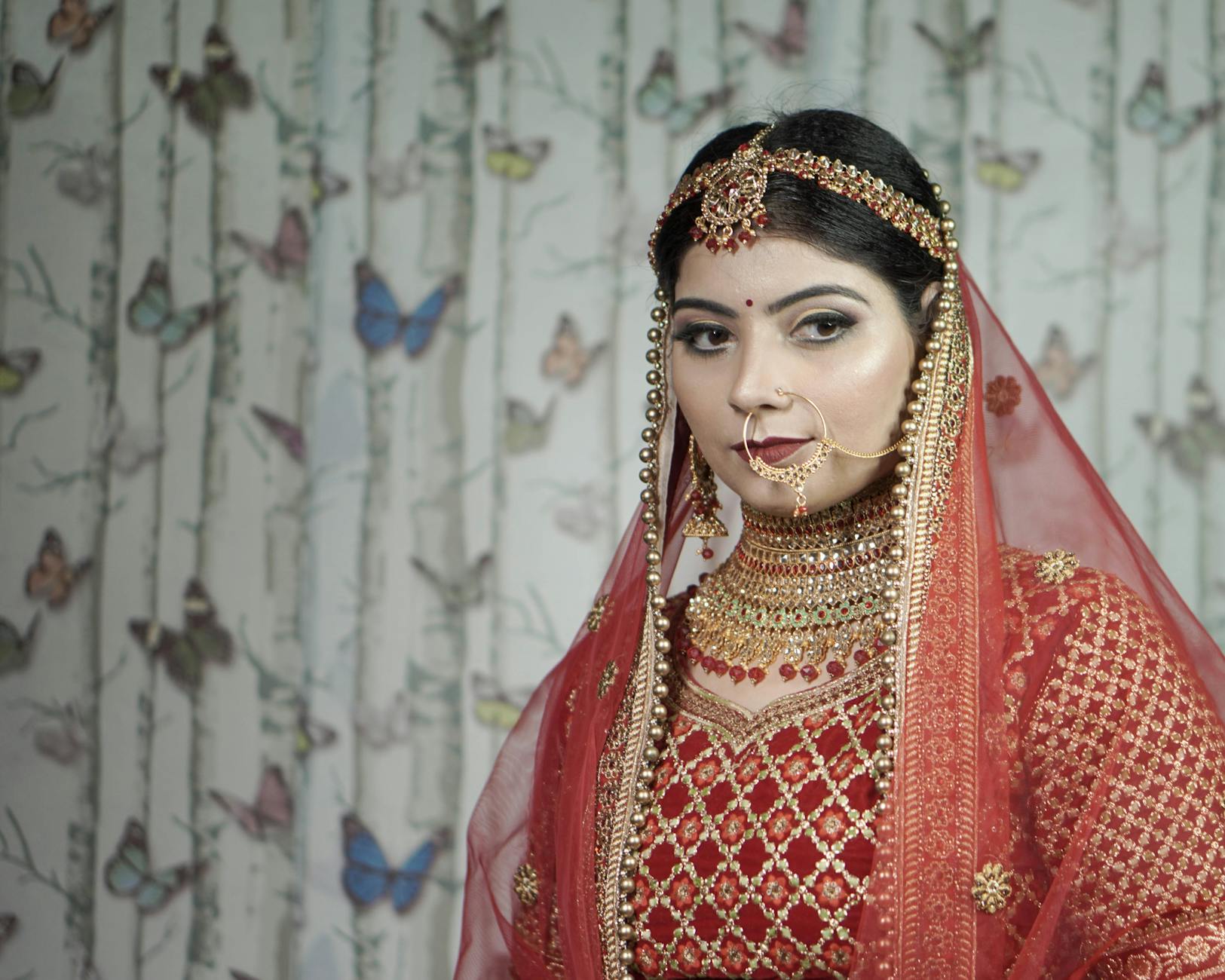
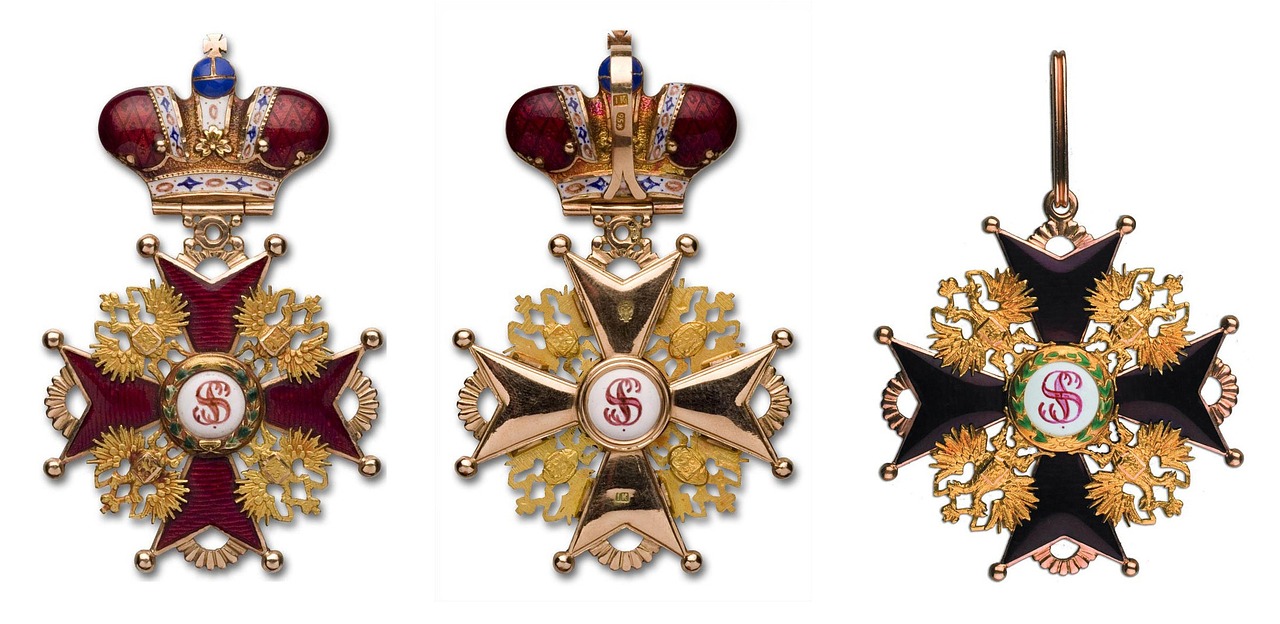
Jewellery collecting is one of humanity's oldest and most enduring pursuits. Long before stock markets, mutual funds, or cryptocurrency, people stored wealth and expressed taste through curated collections of precious metals and gemstones. In India, this tradition is woven into the very fabric of society. The family jewellery box — whether a modest steel almirah or an ornate antique chest — is simultaneously a treasury, a museum, and a repository of memories. Every piece tells a story: a grandmother's wedding set, a great-grandfather's pocket watch chain, a christening gift from a departed aunt.
Yet there is a meaningful distinction between accumulating jewellery and collecting it. Accumulation is passive — pieces arrive through gifts, inheritance, and opportunistic purchases, without a unifying vision. Collecting is intentional — it involves research, strategy, aesthetic criteria, and an understanding of value that extends beyond mere gold weight. A collector knows what they have, why they have it, what it is worth, and what they want next.
In 2026, jewellery collecting in India is experiencing a golden age. Record-high gold prices have heightened awareness of jewellery's investment dimension. A burgeoning antique and vintage market, powered by online platforms and specialist auctions, has made rare pieces more accessible. And a new generation of collectors — educated, globally connected, and aesthetically sophisticated — is approaching jewellery with the same rigour they apply to art, wine, or real estate.
This guide provides the complete framework for building a jewellery collection that is beautiful, culturally significant, and financially sound.
Starting a Jewelry Collection: Foundational Principles
Define Your Collecting Philosophy
Every great collection begins with a philosophy — a set of principles that guide acquisition decisions and give the collection coherence. Without a philosophy, you end up with a random assortment of pretty things. With one, you build something greater than the sum of its parts.
Common collecting philosophies include:
Period-focused: Collecting jewellery from a specific era — Mughal, Art Deco, Victorian, or contemporary designer pieces. This approach builds deep expertise in one area and creates a collection with a strong narrative. Region-focused: Collecting jewellery traditions from a specific geography — Rajasthani Kundan, Tamil Nadu temple jewellery, Bengali filigree, Kashmiri silver, or Hyderabadi pearl work. This preserves cultural heritage and supports regional artisans. Technique-focused: Collecting pieces that showcase specific craftsmanship — Meenakari enamel, Thewa work, filigree, granulation, or stone-setting techniques. This approach celebrates the human skill behind jewellery making. Investment-focused: Prioritising pieces with the strongest potential for financial appreciation — high-purity gold, certified gemstones, signed designer pieces, and documented antiques. Mixed: Most collectors operate with a hybrid philosophy, combining personal aesthetic preferences with investment awareness and cultural interest.Set a Budget Framework
Serious collecting requires financial discipline. A common framework among experienced collectors is the 70/20/10 rule: allocate 70 percent of your annual jewellery budget to "core" pieces that form the backbone of the collection (solid gold, classic designs, good gemstones), 20 percent to "growth" pieces with appreciation potential (antiques, limited editions, emerging designers), and 10 percent to "discovery" pieces (experimental purchases, unfamiliar traditions, auction finds).
Annual Budget Allocation Examples
| Total Annual Budget | Core (70%) | Growth (20%) | Discovery (10%) |
|---|---|---|---|
| ₹2,00,000 | ₹1,40,000 | ₹40,000 | ₹20,000 |
| ₹5,00,000 | ₹3,50,000 | ₹1,00,000 | ₹50,000 |
| ₹10,00,000 | ₹7,00,000 | ₹2,00,000 | ₹1,00,000 |
| ₹25,00,000 | ₹17,50,000 | ₹5,00,000 | ₹2,50,000 |
Investment-Grade Jewelry: What Appreciates
Not all jewellery is created equal from an investment perspective. Understanding what drives appreciation helps collectors make financially sound decisions.
Factors That Drive Appreciation
Intrinsic metal value is the floor. Any gold jewellery has a minimum value equal to its gold content at prevailing market rates. Gold has appreciated at an average of 11 to 13 percent annually in INR terms over the past 20 years, making it a strong baseline. Rarity is the primary driver of above-market appreciation. Pieces that are genuinely scarce — antique items from defunct workshops, limited-edition designer collections, pieces featuring rare gemstones — command premiums that can far exceed their material value. Provenance — documented history of ownership — adds significant value. A necklace that belonged to a historical figure, was exhibited in a museum, or was created by a renowned maker is worth multiples of an identical piece without such history. Craftsmanship excellence elevates value. Pieces that represent the pinnacle of a particular technique — a Thewa panel of extraordinary detail, a Kundan set with flawless stone placement, a filigree bracelet of impossible delicacy — are valued by collectors for their artistry. Condition is critical for older pieces. Original condition (unaltered, unrepaired) commands higher prices than pieces that have been restored, resized, or modified. Minor wear consistent with age is acceptable and even desirable as evidence of authenticity.Appreciation Rates by Category
| Category | 5-Year Avg. Appreciation | 10-Year Avg. Appreciation | Key Drivers |
|---|---|---|---|
| Plain gold (by weight) | 12 – 14% annually | 11 – 13% annually | Gold price movement |
| Certified natural diamonds (1ct+) | 3 – 5% annually | 4 – 6% annually | Rarity, demand |
| Antique gold jewelry (100+ years) | 15 – 25% annually | 12 – 20% annually | Scarcity, collector demand |
| Vintage designer pieces (signed) | 10 – 18% annually | 8 – 15% annually | Brand recognition, rarity |
| Certified coloured gemstones | 8 – 15% annually | 7 – 12% annually | Supply constraints |
| Temple jewelry (pre-1950) | 12 – 20% annually | 10 – 18% annually | Cultural value, scarcity |
| Contemporary designer (limited ed.) | 5 – 12% annually | Variable | Designer reputation |
Top Investment Pieces for Indian Collectors (April 2026)
| Piece | Why It Appreciates | Current Value Range (₹) | 10-Year Outlook |
|---|---|---|---|
| Antique Kundan set (pre-1940) | Irreplaceable craftsmanship, scarcity | 5,00,000 – 50,00,000+ | Strong appreciation |
| Certified Kashmir sapphire (2ct+) | Extreme rarity, no new supply | 20,00,000 – 2,00,00,000+ | Exceptional |
| Signed Cartier/Van Cleef vintage | Global collector demand | 10,00,000 – 1,00,00,000+ | Strong |
| Temple gold necklace (pre-1900) | Cultural significance, gold weight | 3,00,000 – 25,00,000 | Strong |
| Certified Colombian emerald (3ct+) | Declining supply, increasing demand | 5,00,000 – 50,00,000+ | Very strong |
| Mughal-era gemstone ring | Historical significance, rarity | 2,00,000 – 30,00,000+ | Strong |
| Heavy 22K gold kada (antique) | Gold value + collectibility | 2,00,000 – 8,00,000 | Steady |
Vintage vs Antique Classification
The distinction between vintage and antique jewellery is not merely semantic — it has significant implications for value, authentication, and collecting strategy.
Definitions
Antique jewellery is generally defined as pieces that are 100 years old or older. In 2026, this means pieces made before 1926. Antique jewellery is valued for its historical significance, the craftsmanship of a bygone era, and its increasing scarcity as pieces are lost, damaged, or melted down over time. Vintage jewellery refers to pieces that are 20 to 100 years old — made between approximately 1926 and 2006. Vintage pieces reflect the aesthetic and technical developments of the 20th century and can range from Art Deco elegance to mid-century modernism to 1980s maximalism. Estate jewellery is a broader term that simply means pre-owned jewellery, regardless of age. Not all estate jewellery is vintage or antique. Retro jewellery specifically refers to pieces from the 1940s and 1950s, characterised by bold, often oversized designs using rose gold, large coloured gemstones, and mechanical elements.Historical Eras and Their Characteristics
| Era | Period | Characteristics | Indian Context |
|---|---|---|---|
| Georgian | 1714 – 1837 | Handcrafted, foil-backed stones, nature motifs | Mughal influence, Polki diamonds |
| Victorian | 1837 – 1901 | Sentimental motifs, mourning jewelry, seed pearls | British Raj, Anglo-Indian pieces |
| Art Nouveau | 1890 – 1910 | Flowing lines, natural forms, enamel | Limited Indian influence |
| Edwardian | 1901 – 1915 | Platinum, delicate filigree, diamonds | Maharaja commissions from European houses |
| Art Deco | 1920 – 1940 | Geometric shapes, bold colour contrasts | Cartier/Van Cleef Maharaja pieces |
| Retro | 1940 – 1955 | Bold, oversized, rose gold, patriotic themes | Post-independence Indian designs |
| Mid-Century | 1955 – 1975 | Abstract, modernist, textured gold | Indian modernist goldsmiths |
| Contemporary | 1975 – present | Diverse, technology-enabled, designer-driven | Indian designer jewelry renaissance |
Authentication for Collectors
Authentication is the collector's most critical skill. A single misattributed piece can undermine the integrity and value of an entire collection.
Gold Authentication
Hallmarks are the first checkpoint. BIS hallmarking (mandatory in India since 2021) provides reliable purity verification for newer pieces. Older Indian jewellery may carry regional assay marks, maker's marks, or no marks at all. International hallmarks (British, French, Italian) follow standardised systems that can be decoded to determine origin, date, and purity. XRF (X-Ray Fluorescence) testing provides non-destructive elemental analysis, revealing the exact gold content and alloy composition. XRF machines are available at most large jewellery stores and gem labs, with testing costing ₹200 to ₹500 per piece. This is essential for authenticating unmarked antique gold. Touchstone testing (Kasauti) is a traditional Indian method where gold is rubbed on a dark stone and the streak colour compared to reference marks. Experienced goldsmiths can estimate purity within 1 to 2 karats using this method, though it is less precise than XRF.Gemstone Authentication
For any gemstone valued above ₹25,000, laboratory certification is essential. The leading gem labs in India are the Gem Testing Laboratory (GTL) of the GJEPC in Jaipur, the Indian Institute of Gems and Jewellery (IIGJ) in Mumbai, and international labs like GIA and IGI with Indian offices. A lab report confirms species, natural vs synthetic origin, treatment history, and quality grades.
Age and Provenance Verification
Dating antique jewellery requires a combination of stylistic analysis (design motifs, construction techniques), material analysis (alloy composition, stone cutting styles), and documentary evidence (purchase receipts, family records, photographs, insurance documents). Expert appraisers with specialisation in specific periods and regions are invaluable for this purpose.
Red Flags for Collectors
| Warning Sign | What It May Indicate |
|---|---|
| "No need for testing" from seller | May be hiding quality issues |
| Price significantly below market | Possibly fake, stolen, or misrepresented |
| No documentation or provenance | Difficult to verify claims |
| Reluctance to allow independent appraisal | Seller lacks confidence in authenticity |
| "Antique" piece with modern construction | Likely reproduction or fake |
| Gemstone with perfect clarity, very low price | Probably synthetic or treated |
Storage and Insurance
Proper storage and insurance protect both the physical condition and the financial value of a jewellery collection.
Storage Best Practices
Climate control is essential. Gold does not tarnish, but gemstones, pearls, enamel, and silver components are sensitive to humidity, temperature fluctuations, and chemical exposure. Store jewellery in a climate-controlled space with 40 to 50 percent relative humidity and stable temperature. Individual compartments prevent pieces from scratching each other. Diamonds can scratch gold, gold can scratch silver, and chains can tangle and stress link joints. Use a jewellery box with individual padded compartments, or wrap each piece in acid-free tissue or a soft microfibre cloth. Secure storage is non-negotiable for valuable collections. Options range from a home safe (a quality safe costs ₹15,000 to ₹1,00,000 depending on size and fire rating) to a bank safe deposit locker (annual rent ₹3,000 to ₹25,000 depending on size and bank). For collections valued above ₹50 lakh, a bank locker with the highest security tier is recommended. Separate high-value pieces from everyday jewellery. Pieces you wear regularly can be kept in a bedroom safe or secure drawer; collection pieces that are rarely worn should be in a more secure location.Insurance
Jewellery insurance in India is available either as a standalone policy or as an add-on to a home insurance policy.
| Insurance Type | Coverage | Annual Premium (approx.) | Best For |
|---|---|---|---|
| Home insurance add-on | Theft, fire, natural disaster | 0.5 – 1% of declared value | Collections under ₹10 lakh |
| Standalone jewellery policy | All risks including loss, damage | 1 – 2% of appraised value | Collections ₹10 lakh – ₹1 crore |
| High-value specialty policy | All risks, worldwide coverage | 1.5 – 3% of appraised value | Collections above ₹1 crore |
| Bank locker insurance | Limited to locker events | ₹500 – ₹5,000 annually | Supplementary coverage |
Building Your Collection Portfolio
The Portfolio Approach
Experienced collectors think of their jewellery collection as a portfolio, similar to a financial investment portfolio, with diversification across categories, periods, and risk levels.
Foundation pieces (40-50% of collection value): High-quality gold jewellery — heavy chains, bangles, kadas, classic diamond sets — that hold strong intrinsic value due to metal and stone content. These are your "blue chip" holdings. Growth pieces (25-35%): Antique and vintage pieces, certified rare gemstones, and signed designer works with strong appreciation potential. These are your "growth stocks." Speculative pieces (10-15%): Emerging designer works, unusual stones, pieces from undervalued traditions. Some will appreciate significantly; others will not. These are your "venture capital" bets. Sentimental pieces (5-10%): Family heirlooms and personally meaningful items whose value is primarily emotional. These are held regardless of financial return.Portfolio Diversification Example (₹25 Lakh Collection)
| Category | Allocation | Examples | Value (₹) |
|---|---|---|---|
| Foundation | 45% | Heavy 22K gold set, diamond studs, gold kadas | 11,25,000 |
| Growth | 30% | Antique Kundan necklace, certified emerald ring, vintage Cartier brooch | 7,50,000 |
| Speculative | 15% | Emerging designer pendant, rare tourmaline, tribal silver set | 3,75,000 |
| Sentimental | 10% | Grandmother's mangalsutra, mother's wedding bangles | 2,50,000 |
Tracking and Documentation
Maintain a comprehensive collection database. For each piece, record: description, measurements and weight, metal purity and hallmark details, gemstone specifications and certifications, purchase date and price, current appraised value, provenance and history, condition notes, photographs (front, back, close-up of marks and stones), and insurance details. Spreadsheet software or dedicated apps like Collectify or MyGemVault work well for this purpose.
Where to Acquire Collection Pieces in India
Auction Houses
Sotheby's and Christie's hold dedicated Indian jewellery auctions in Mumbai and internationally. AstaGuru, India's leading online auction house, conducts regular jewellery auctions with pieces ranging from ₹50,000 to ₹50 lakh+. These platforms provide authentication, provenance documentation, and transparent bidding processes.
Specialist Dealers
Chor Bazaar in Mumbai, Kinari Bazaar in Delhi, and Johari Bazaar in Jaipur are legendary hunting grounds for antique and vintage jewellery. However, buying from bazaar dealers requires expertise — authentication is your responsibility, and fakes are common. Build relationships with reputable dealers over time, and always verify significant purchases independently.
Estate Sales
Estate sales following the settlement of prominent families' assets occasionally yield extraordinary pieces. These sales are sometimes conducted through auction houses, sometimes through private dealers, and sometimes through family connections. Networking within collector communities is the best way to learn about upcoming estate sales.
Established Jewellers with Heritage Collections
Some established Indian jewellers maintain heritage or antique sections. Gem Palace in Jaipur, Vummidi Bangaru in Chennai, and C. Krishniah Chetty in Bangalore are among the traditional houses known for their antique holdings. Prices are higher than at bazaars, but authentication and quality are more reliable.
Online Platforms
Online marketplaces for antique and vintage jewellery are growing rapidly. Platforms like Ruby Lane, 1stDibs (international), and Etsy's vintage section (for lower-value pieces) offer access to global inventory. Always verify seller reputation, request additional photographs, and insist on return policies for significant purchases.
Common Mistakes Collectors Make
Buying Without Research
The most expensive mistake is purchasing a piece without understanding what you are buying. Before acquiring any significant piece, research the maker, the period, the technique, the gemstones, and the current market value. Knowledge is the collector's most powerful tool.
Neglecting Documentation
A piece without documentation loses much of its collectible premium. Always obtain and preserve purchase receipts, certificates, appraisals, and provenance materials. Photograph every piece thoroughly upon acquisition.
Emotional Overpaying
Auctions and bazaars create emotional pressure that can lead to overpaying. Set a maximum price before bidding or negotiating, and walk away when that limit is reached. There will always be another piece.
Ignoring Condition
Buying damaged or heavily restored pieces at full price is a common beginner error. Condition deductions should be substantial: a missing stone, a repaired clasp, a re-enamelled section, or a resized ring all reduce collectible value by 20 to 50 percent compared to original-condition equivalents.
Failing to Insure
Collections that have taken years and lakhs to build can be lost in minutes to theft, fire, or natural disaster. Insurance is not optional for serious collectors.
Frequently Asked Questions
1. How much money do I need to start collecting jewelry?
You can begin a meaningful collection with any budget. At ₹50,000 to ₹1,00,000 per year, you can acquire quality semi-precious gemstone pieces, lightweight gold items, and interesting vintage finds. At ₹2,00,000 to ₹5,00,000 annually, you can add significant gold pieces and certified gemstones. Above ₹10,00,000, you enter the realm of antique sets, rare gemstones, and designer pieces. Start where your budget allows and build consistently.
2. Is jewelry a good financial investment?
Gold jewellery has historically been a reliable store of value, with gold prices appreciating 11 to 13 percent annually in INR terms over two decades. However, making charges (which are lost on resale) reduce returns below pure gold investment. Antique and rare pieces can appreciate well above gold rates. As a diversified asset within a broader portfolio, jewellery is sound — but it should not be your only investment strategy.
3. How do I get jewelry appraised?
Seek a certified appraiser affiliated with a recognised gemological institute (GIA, IGI, GJEPC). Appraisals typically cost ₹500 to ₹5,000 per piece depending on complexity. The appraiser will assess metal purity, gemstone quality, craftsmanship, condition, and current market value. Get appraisals updated every three to five years for insurance purposes.
4. What is the difference between collector value and scrap value?
Scrap value is the bare minimum — the weight of gold and value of gemstones if the piece were disassembled. Collector value includes premiums for rarity, craftsmanship, age, provenance, condition, and aesthetic appeal. A 50-gram antique Kundan necklace might have a scrap value of ₹3,87,500 (gold only) but a collector value of ₹15,00,000 or more due to its age, artistry, and historical significance.
5. Should I clean antique jewelry?
Exercise extreme caution. Aggressive cleaning can damage patina, enamel, and delicate components, reducing both aesthetic appeal and collector value. For gold, gentle warm water with mild soap is safe. For pieces with enamel, pearls, or organic materials, consult a conservation specialist. Never use ultrasonic cleaners on antique pieces. The natural patina on older pieces is often desirable and should be preserved.
6. How do I verify if an antique piece is genuine?
Use a combination of visual examination (construction techniques, wear patterns, hallmarks), material testing (XRF for gold purity, gemological lab certification for stones), and expert opinion (specialist appraiser or auction house assessment). Compare the piece to documented examples from the same period and region. Be sceptical of pieces that look too perfect — genuine antiques show signs of age and use.
7. What are the best gemstones for investment?
Kashmir sapphires (virtually no new supply), Colombian emeralds (3+ carats, certified untreated), Burmese rubies (pigeon blood colour, unheated), and natural pearls (increasingly rare) have the strongest long-term appreciation track records. Among semi-precious stones, Paraiba tourmalines, alexandrites, and padparadscha sapphires have shown exceptional appreciation. Always purchase with laboratory certification from GIA, GRS, or Gubelin.
8. Is it better to collect gold or gemstone jewelry?
Ideally, both. Gold provides a reliable baseline value that tracks commodity prices. Gemstones offer the potential for outsized appreciation but carry more risk and require more expertise to evaluate. A balanced collection includes heavy gold foundation pieces (reliable value) and select gemstone highlights (appreciation potential).
9. How do I protect my collection from theft?
Layer your security: a quality home safe (fire-rated, bolted to floor), a bank safe deposit locker for the most valuable pieces, a comprehensive insurance policy, and a detailed inventory with photographs stored separately (cloud backup). Consider a home security system with monitored alarm. Never discuss the specifics of your collection with casual acquaintances.
10. Can I collect modern designer jewelry as an investment?
Yes, selectively. Pieces from internationally recognised designers (Buccellati, JAR, Bhagat) and acclaimed Indian designers (Viren Bhagat, Hanut Singh) with documented provenance and limited production can appreciate significantly. However, most contemporary designer jewellery does not outperform its material value over time. Focus on designers with strong auction track records and genuinely limited output.
11. What documentation adds the most value to a collection piece?
In order of impact: original purchase receipt from a known maker or retailer, gemological laboratory certificates, period photographs showing the piece being worn, provenance letters linking the piece to notable individuals or events, and auction catalogue entries. A piece with complete documentation can command two to five times the price of an identical undocumented piece.
12. How do I pass my collection to the next generation?
Create a comprehensive collection catalogue with photographs, documentation, and stories behind each piece. Consider a formal valuation for estate planning purposes. Discuss your wishes with heirs to ensure pieces are distributed to family members who will appreciate and care for them. If the collection has significant financial value, consult an estate lawyer and tax advisor to structure inheritance efficiently under Indian tax law. Note that inherited jewellery is not subject to income tax in India, but wealth tax implications should be considered.
Conclusion
Building a jewellery collection is one of the most rewarding pursuits available to someone who appreciates beauty, history, craftsmanship, and the enduring value of precious materials. It requires patience — the best collections are built over decades, not months. It demands knowledge — the more you learn about periods, techniques, gemstones, and markets, the better your acquisitions become. And it rewards passion — the pieces that bring you the most joy are ultimately the ones that matter most, regardless of their financial return.
Begin your collecting journey by exploring jewellers in your area through our store finder, check current gold rates to understand the market, and use our jewellery calculators to evaluate potential acquisitions.
Published: April 2026 | Category: Jewelry Collecting | Last Updated: April 9, 2026
More in Buying Guides
Share this article
Our editorial team comprises jewellery industry veterans, certified gemmologists, and passionate writers with decades of combined experience across India's gold, diamond, and gemstone markets. Every article is researched, fact-checked, and written to help Indian buyers make smarter, safer jewellery decisions.
Passionate about jewellery and love to write? We'd love to hear from you.
Join us as a writer →Ready to buy? Find verified jewellers near you
Browse 10,000+ BIS hallmark certified jewellers across India. Compare ratings, check today's gold rate, and book a visit.
Keep Reading