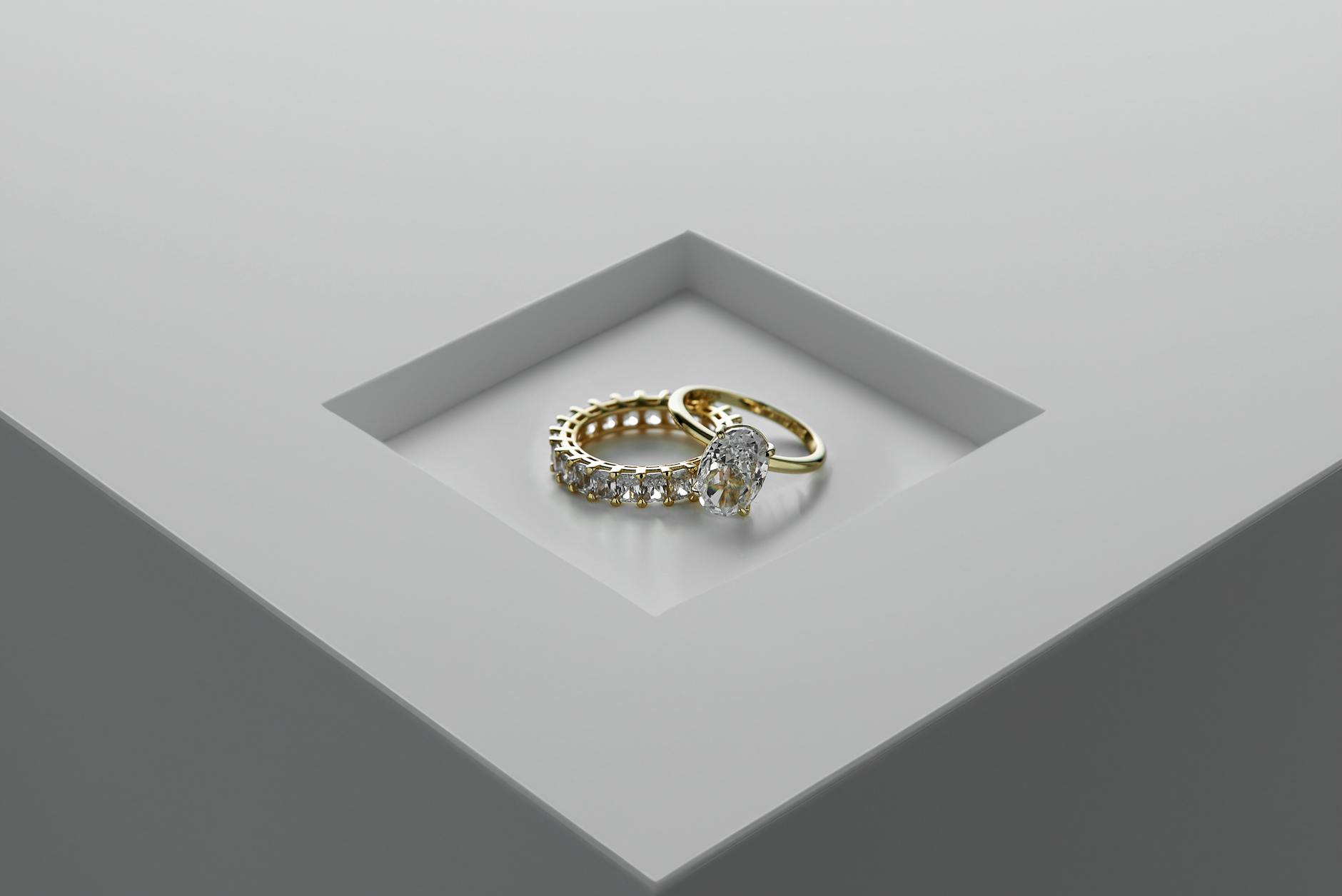
India is the world's second-largest gold consumer. Approximately 800 tonnes of gold jewellery is purchased in India every year — and a significant portion of buyers face some form of fraud or unfair practice in the process. From sub-standard purity to fake hallmarks to bill manipulation, the techniques used against unsuspecting buyers are sophisticated and widespread. This guide documents every significant fraud method and provides the knowledge to defeat each one.
The 12 Most Common Gold Jewellery Frauds in India
1. Sub-Standard Karat — Selling 18K as 22K
This is the most financially significant fraud. A 22K gold piece contains 91.6% pure gold; an 18K piece contains 75% pure gold. Selling 18K gold at 22K gold prices means the buyer overpays by approximately 22% on gold content alone. Before mandatory BIS hallmarking became mainstream, this fraud was rampant. It still occurs with non-hallmarked jewellery and in markets where hallmarked pieces are rare.
Protection: Buy only BIS hallmarked jewellery. The hallmark (a six-sided BIS logo, purity mark, and HUID) is your primary protection. Verify the HUID using the BIS Care app.
2. Stone Weight Included in Net Weight
Jewellery with stones (kundan, polki, meenakari, ruby settings) has two weights: gross weight (total) and net weight (gold only). Fraudulent billing charges the gold rate on gross weight — which includes the stone weight. Since you are already paying separately for stones and their setting, being charged gold rate on stone weight is double billing.
Protection: Always ask for net gold weight separately. For any jewellery with stones, insist the bill itemises net gold weight and the stone/setting charge distinctly. If the jeweller cannot tell you the net gold weight, do not buy.
3. Hollow Jewellery Sold by Weight
Bangles, necklace pendants, and large earrings are often hollow — a technique that reduces gold content while maintaining appearance and size. Hollow jewellery is not inherently fraudulent — you may prefer lighter pieces. The fraud is hollow jewellery sold at the same price-per-gram as solid jewellery, or worse, pieces filled with lac (a resin) or base metal that is included in the weighed total.
Protection: Ask explicitly whether any piece is hollow. For hollow pieces, ask whether any filler material is included in the weight. Tap large pieces lightly with a fingernail — a hollow piece makes a distinct sound compared to solid metal. If buying bangles or thick chains, ask the jeweller to demonstrate the net gold weight calculation.
4. Fake or Counterfeit Hallmarks
Before the HUID (Hallmark Unique Identification) system was implemented, fake hallmark stamps were produced by criminal networks and applied to sub-standard gold. The six-digit alphanumeric HUID was specifically designed to combat this. However, HUID counterfeiting does exist — fake codes, codes duplicated from genuine pieces, or codes from different items applied to new pieces.
Protection: Verify the HUID using the BIS Care app (available on Android and iOS — search "BIS Care" on the app store). Enter the 6-character HUID alphanumeric code from the hallmark. The app will display the registered details. If the HUID shows a different item category or metal than what you are buying, something is wrong.
5. Wastage Scam — Inflated Wastage Percentage
Wastage (the gold lost in the manufacturing process) should range from 3–8% for most jewellery types. Machine-made chain: 3–5%. Handmade intricate pieces: 6–10%. Some jewellers charge 12–18% wastage on standard pieces — this is pure overcharging. The wastage amount is charged at the same gold rate as the jewellery itself, making it a very expensive fraud.
On a 20-gram necklace at current gold rates (approximately ₹6,800/gram for 22K), every 1% wastage is ₹1,360. The difference between fair 5% wastage and fraudulent 15% wastage is ₹13,600 — a significant amount.
Protection: Know fair wastage ranges before shopping. Challenge any wastage above 10% on standard pieces. Ask the jeweller to justify the wastage percentage for the specific design. If they cannot, negotiate it down or walk away.
6. HUID Not Registered — Phantom Hallmarking
Every HUID must be registered in the BIS portal linked to a specific hallmarked item from a registered jeweller. Some pieces bear a HUID that, when checked in the BIS Care app, shows "no record found" — meaning the hallmark was stamped without proper BIS certification. This indicates the piece was not actually tested and certified at an accredited BIS hallmarking centre.
Protection: Check the HUID in the BIS Care app before purchase. If HUID returns no result or an error, the hallmarking is not legitimate. Do not proceed.
7. Making Charges Changed from Quote to Bill
A jeweller quotes ₹400/gram making charges verbally during your selection process, but the final bill shows ₹550/gram. In the excitement of the purchase and the confusion of a crowded showroom, buyers often don't check the bill carefully against verbal quotes.
Protection: Before any payment or packaging, read your bill completely. Compare every line item to what was verbally agreed. If making charges have changed without explanation, insist on correction. Get all commitments in writing (even a WhatsApp message) if dealing with a jeweller you don't know well.
8. Return Policy Reversal
A jeweller verbally confirms a return or exchange policy at the point of sale ("of course, you can exchange within 30 days"). When the customer returns within that period, the jeweller claims the policy does not exist, or imposes deductions not mentioned originally (melting charges, making charge deduction, updated gold rate).
Protection: Get the return/exchange policy in writing on the bill or as a separate written statement. Check what deductions apply (many jewellers deduct making charges on returns — this is standard but must be disclosed upfront). Major chains have published return policies available on their websites.
9. Lower Gold Rate Applied on Old Gold Exchange
When you bring old gold for exchange, the jeweller first tests its purity (XRF test) and then applies a buying rate. The buying rate should be a percentage of the day's IBJA rate adjusted for purity. Some jewellers apply last week's rate, a "house rate" that is 5–8% below IBJA, or simply a made-up lower rate without explanation.
Protection: Know the IBJA rate for the day. Ask the jeweller explicitly: "What percentage of today's IBJA rate are you offering for this gold?" A fair rate is 88–96% of purity-adjusted IBJA. If they offer below 85% without good reason, get competing quotes.
10. Cadmium-Plated Base Metal
This fraud is more common in cheaper jewellery markets and tourist areas. Base metal (brass, copper alloy) pieces are plated with a very thin layer of gold, given a fake hallmark stamp, and sold as gold jewellery. The gold plating lasts weeks to months before the base metal shows through. Cadmium in the base metal alloy is also a health hazard.
Protection: Only buy from established, registered jewellers. Verify HUID. The weight of solid gold jewellery feels distinctly different from base metal — learn the feel of gold by handling known-genuine pieces. Extremely cheap "gold" jewellery should be treated with extreme suspicion.
11. Extra Weight Through Wax or Resin Filling
Large hollow pieces — thick chains, heavy bangles, jumbo earrings — can be filled with wax, resin, or lac to add weight before the jeweller weighs them. The buyer pays gold rates for filler weight. This can add 10–30% to the apparent weight of a piece.
Protection: For any large-volume piece, feel the weight relative to size. Genuine solid gold is extremely heavy relative to size — if a large-looking piece feels surprisingly light, it's hollow. If it feels normal-weight but the price seems very good, wax filling may be present. An XRF test will not detect this (XRF tests surface composition, not what's inside); the solution is buying from trustworthy established jewellers with proper billing.
12. Wrong Billing — GST Manipulation
GST on gold jewellery is 3% on the total value. Some bills show GST calculated on inflated base prices, or add line items that effectively double-count charges. Others might offer to "save GST" by issuing a cash bill without proper invoicing — exposing the buyer to having no documentation for future exchange or resale.
Protection: Always insist on a proper GST invoice with the seller's GSTIN visible. This is your legal proof of purchase and essential for any future exchange or consumer complaint. Calculating GST yourself (3% of total before GST) and verifying against the bill takes 30 seconds.
The XRF Test: Your Most Powerful Tool
X-Ray Fluorescence (XRF) testing is a non-destructive method that identifies the exact elemental composition of a metal sample by bombarding it with X-rays and measuring the fluorescent energy emitted. In gold jewellery terms, it tells you precisely what percentage of the piece is gold — and what the other metals are.
XRF machines (Niton XL series, Olympus Vanta, etc.) are now common at reputable jewellery shops, BIS hallmarking centres, and independent testing labs. Testing typically costs ₹100–500 per piece and takes under 5 minutes.
How to request an XRF test: You can ask any jeweller with an XRF machine to test a piece before purchase. Simply say: "Can you do an XRF test on this piece before I complete the purchase?" A jeweller selling genuine hallmarked gold will agree readily — it confirms their product's quality. A jeweller who refuses or becomes defensive about an XRF test on hallmarked gold is not trustworthy.
What the report shows: The XRF report will list element percentages — gold (Au), silver (Ag), copper (Cu), zinc (Zn), etc. For 22K gold (91.6% pure), the Au reading should be 90–93%. For 18K (75% pure), it should be 74–76%. The exact BIS standards allow a tolerance of ±0.3%.
What to do if the jeweller refuses: Go to an independent testing lab or BIS hallmarking centre. If you have already purchased and XRF reveals sub-standard gold, you have grounds for a consumer complaint and potential criminal complaint under the BIS Act.
The BIS Care App: Step-by-Step Guide
The BIS Care app is your most accessible protection tool and takes under a minute to use. Download it free from Google Play Store or Apple App Store (search "BIS Care").
Step 1: Open the app and tap "Check HUID."
Step 2: Locate the HUID on the jewellery — it is a 6-character alphanumeric code (e.g., AA1234) stamped or laser-etched on the piece, usually near the BIS hallmark logo. You may need magnification to read it clearly.
Step 3: Enter the 6-character HUID in the app and submit.
Step 4: The app should display the item category (necklace, ring, etc.), metal type, purity, and the hallmarking centre that certified it. Verify these match the physical piece you are examining.
What a successful result looks like: The item type matches (if you're buying a ring, it should say ring), the purity matches (22K on the stamp should show 916 in the app), and there is a registered hallmarking centre shown.
What a failed result looks like: "No record found," error message, or mismatched item type. Any of these means the hallmarking is not legitimately registered.
| Jewellery Type | Fair Making Charge (₹/gram) | Fair Wastage % | Red Flag Level |
|---|---|---|---|
| Machine-made chain / simple ring | ₹100–₹250 | 3–5% | Above ₹400/g or 8% |
| Plain bangles (casting) | ₹200–₹400 | 4–6% | Above ₹600/g or 10% |
| Handmade plain necklace | ₹350–₹600 | 5–8% | Above ₹900/g or 12% |
| Intricate handmade / filigree | ₹600–₹1,500 | 7–12% | Above ₹2,000/g or 18% |
| Bridal set (full) | ₹450–₹900 | 5–10% | Above ₹1,200/g or 15% |
| Studded (with stones) | ₹500–₹1,200 | 6–10% | Above ₹1,800/g or 14% |
Consumer Rights and Complaint Mechanisms
BIS Consumer Portal: bis.gov.in — if you suspect gold purity is below hallmarked value, you can file a complaint online. BIS will arrange testing of your piece. If purity is confirmed below standard, the jeweller faces significant penalties under the BIS Act 2016 including fines and license cancellation.
National Consumer Helpline: Call 1800-11-4000 (toll-free) or 1915. You can register a complaint against any jeweller for unfair trade practices including mislabelled purity, fraudulent billing, or return policy violations. The helpline registers your complaint and escalates to the relevant state consumer commission.
Consumer Forum (NCDRC/State/District): For monetary recovery, you can file a complaint at the District Consumer Disputes Redressal Commission (for claims up to ₹1 crore). Filing fee is nominal. Cases for clear-cut fraud (documented purity shortfall, bill mismatch) often settle within 6–18 months. You do not need a lawyer for consumer forum cases — you can represent yourself.
Criminal complaint: Fraudulent hallmarking (fake HUID, counterfeit stamps) is a criminal offence under the BIS Act 2016, with imprisonment up to 2 years for first-time offenders and up to 5 years for repeat offences. If XRF testing confirms your hallmarked 22K piece is actually 18K, you can file a police FIR in addition to consumer and BIS complaints.
XRF Testing Centres in Major Cities
If your jeweller doesn't have an XRF machine, independent testing is available at:
BIS Hallmarking Centres are the most accessible option — there are hundreds across India. Find your nearest centre at bis.gov.in under the "Hallmarking" section. They can test gold purity for a small fee.
Gemmological laboratories in major cities (GAI Mumbai, GII Mumbai, IGI India in major metro offices) offer XRF testing. Cost is typically ₹300–800 per piece.
Some bank branches that handle gold loans have XRF machines — HDFC Bank's gold loan centres and Muthoot Finance branches typically test gold purity before lending. They may test your piece for a fee even without a loan transaction.
⚠️ Seasonal Warning — Dhanteras Buying
Consumer complaint data from BIS and the National Consumer Helpline consistently shows that gold fraud complaints spike by approximately 40% in the two weeks around Dhanteras and Akshaya Tritiya. Rushed buying during festival rush, crowded showrooms, and festive excitement all reduce buyer vigilance. During these periods: buy from established jewellers you know, never skip HUID verification, and read every bill carefully before payment regardless of the queue behind you.
The Smart Buyer Protocol: Step by Step
Before entering the shop: Check IBJA gold rate for today's date at ibja.co. Screenshot it. Know what 22K gold should cost per gram today.
At the shop — selection: Ask for hallmarked pieces only. Note the HUID on any piece you are seriously considering. Use the BIS Care app to verify. Check that purity stamp and HUID are consistent.
At the shop — weighing: Ask to be present when the piece is weighed. Note the gross weight. For studded pieces, ask for net gold weight separately. Note any tare (packaging/box weight) deducted.
At billing: Review the bill completely before paying. Verify: gold rate matches IBJA, making charges match verbal quote, wastage percentage is fair and matches quote, net gold weight is correctly shown (not gross for studded pieces), GST is 3% of the correct base amount.
After purchase: Photograph the hallmark stamp (including HUID), photograph the bill, keep the bill permanently. Do not discard jewellery bills — they are essential for exchange, insurance claims, and consumer complaints.
Online vs Offline: Comparing the Fraud Risk Profile
Many buyers assume offline jewellery shopping carries more fraud risk than online. The reality is more nuanced — both channels have distinct risk profiles.
Online certified risks: Reputable online jewellers (Tanishq online, CaratLane, BlueStone, Malabar's online store) carry very low fraud risk for the core product — gold purity, diamond grades, and return rights are well-regulated and legally exposed. The risks online are subtler: photograph vs actual colour variance (especially in rose gold and gemstone pieces), size misperception from photographs, and impulse purchases without proper examination.
Offline independent risks: Independent jewellers carry higher fraud risk as documented throughout this guide, but they also offer negotiation flexibility, the ability to physically examine before purchase, and the relationship-building that can make subsequent transactions more trusted and better-priced.
Social media / Instagram jewellers: This is the highest-risk channel in India's current market. Jewellers operating primarily through Instagram, WhatsApp, or Facebook have minimal regulatory accountability, no standardised return policy, and sometimes no physical address. For plain hallmarked gold, they can offer competitive prices but verification requirements are highest here. Never purchase unstamped or unverifiable gold from social media sellers regardless of how many positive reviews they display.
Best practice across all channels: Regardless of where you buy, the verification protocol remains identical — HUID check, bill review, weight verification, making charge assessment. Online channels make HUID entry from a photograph more difficult; ask the seller to provide the HUID in text before finalising payment.
Recording Your Purchase: A Permanent Protection System
One of the most underused protection strategies is simply creating a permanent photographic and documentary record of every jewellery purchase. This takes 5 minutes at the time of purchase and provides protection for decades.
What to photograph before leaving the shop: The HUID number on the piece (close-up, readable); the BIS hallmark stamp showing purity and BIS logo; both sides of the purchase bill; the piece from multiple angles; any stones visible in the piece; the jeweller's GST bill header showing their GSTIN.
Where to store the records: Maintain a dedicated folder in Google Photos, iCloud, or similar cloud storage labelled "Jewellery Records." Do not rely solely on phone storage — phones are lost or damaged. A cloud backup ensures these records survive the phone.
Why this matters years later: When you eventually exchange these pieces, the HUID photograph lets you verify purity claims independently. If a dispute arises, photographs of the hallmark and bill are evidence. For insurance purposes, photographs establish what you owned before any loss. For inheritance purposes, these records help your heirs understand what they have received.
The Tanishq XRF Controversy: Learning from History
In 2012, Tanishq launched the "Karatmeter Exchange" programme with widespread advertising, inviting customers to bring any gold for XRF testing. The campaign was a marketing masterstroke and a genuine consumer service — it revealed to millions of Indian buyers that much of the gold they had purchased from non-hallmarked jewellers was significantly below the stated karat.
Many customers discovered that their "22K" gold tested at 18K or below. This created enormous controversy — a wave of consumer complaints against local jewellers and a massive acceleration of BIS hallmarking adoption by the industry, ultimately contributing to the mandatory hallmarking rollout.
The lessons for today's buyer: gold purity fraud was systemic and widespread in the pre-mandatory-hallmarking era. Jewellery purchased before 2022 without BIS hallmarking carries real purity risk. If you have a significant amount of old family jewellery purchased before mandatory hallmarking became widespread (2021-22), having it XRF-tested before any future exchange transaction is worthwhile — you may discover the exchange value calculation needs adjusting from what you assumed.
Frequently Asked Questions
What if my gold fails the acid test at home? Acid test kits (available online for ₹500–1,000) can give a rough indication of gold purity but are not precise enough to confirm BIS purity standards. A borderline or negative acid result is a reason to get an XRF test; it is not conclusive by itself. Take the piece to a BIS hallmarking centre or gemmological lab for a proper XRF test. If the XRF confirms purity is significantly below the hallmarked value, you have the evidence needed for a formal complaint. Do not confront the jeweller with an acid test result alone — it is not precise enough to be definitive evidence.
Can I sue a jeweller for selling me fake gold? Yes, through multiple mechanisms. Under the BIS Act 2016, hallmarking fraud carries criminal penalties. Under the Consumer Protection Act 2019, you can claim refund plus compensation at the District Consumer Disputes Redressal Commission with no mandatory lawyer requirement. Under IPC sections 420 (cheating) and 465–471 (forgery), a criminal FIR can be filed. Consumer forum cases for clear fraud with documentation (XRF report + original bill showing higher purity claim) typically result in full refund plus compensation within 12–18 months.
How do I complain to BIS? Visit bis.gov.in, navigate to "Consumer Services" then "File a Complaint." You will need the HUID of the piece, your purchase bill, and details of your concern. BIS also has a WhatsApp-based complaint system — the number is published on their official website. BIS complaints about hallmarking fraud trigger investigation by the relevant regional BIS office. The jeweller's hallmarking licence can be suspended and their entire inventory can be retested if a legitimate complaint is filed. BIS complaints are among the most effective mechanisms available to gold jewellery buyers in India.
Is gold bought during Dhanteras actually special? The auspiciousness of Dhanteras gold purchase is a cultural and religious belief — the gold itself is no different from gold purchased on any other day. What IS different is that Dhanteras purchases are rushed, shops are crowded, buyers are emotionally engaged, and fraud incidents increase. The best way to honour the auspiciousness of Dhanteras gold buying is to buy genuinely pure gold from a verified source — which requires the same verification steps regardless of the day.
More in Buying Guides
Share this article
Our editorial team comprises jewellery industry veterans, certified gemmologists, and passionate writers with decades of combined experience across India's gold, diamond, and gemstone markets. Every article is researched, fact-checked, and written to help Indian buyers make smarter, safer jewellery decisions.
Passionate about jewellery and love to write? We'd love to hear from you.
Join us as a writer →Ready to buy? Find verified jewellers near you
Browse 10,000+ BIS hallmark certified jewellers across India. Compare ratings, check today's gold rate, and book a visit.
Keep Reading