Across India's diverse cultural landscape, gold jewellery for infants and children is not an extravagance — it is tradition, affection, and auspicious beginning woven into metal. From the tiny gold anklets placed on a newborn in Kerala to the gold chain gifted at a naming ceremony in Punjab, the practices vary by community but the sentiment is universal. This guide helps you buy safely, appropriately, and well.
Why Gold for Children in Indian Tradition
The cultural roots run deep. In Ayurvedic tradition, gold (Swarna) is considered to have health-enhancing properties — gold bhasma (gold ash) is used in certain preparations. Gold worn on the body is believed to enhance vitality and intelligence. The Swarna Prashan (gold-honey preparation given to newborns) is practised in some families, though this should be discussed with a paediatrician. More broadly, gold on a child communicates family love, social status, and the passing of prosperity through generations.
Safety First: Age-Appropriate Guidelines
Newborns to 6 Months
At this stage, the only truly safe jewellery is the simplest. Recommendations:
- Anklets (Jhanjhar / Payal): Traditional across most communities. Must fit loosely enough to not constrict circulation but snugly enough that they cannot slide off and be swallowed. Check fit weekly as the baby grows.
- Very thin chain: Only with constant supervision. Remove before sleep — always. No pendant for very young infants (swallowing hazard; strangulation risk with pendant weight on thin chain).
- Bangles: Common for newborns in South Indian traditions. Must be smooth inside (no rough spots), sized appropriately, and removed if the child shows any discomfort.
- NO necklaces during sleep. This is the single most critical safety rule for infant jewellery.
6 Months to 2 Years
As the baby becomes more mobile and starts putting hands and objects in the mouth:
- Avoid any pieces with decorative charms, beads, or stones that could detach
- Earrings for girls: flat-back studs are safer than drop earrings that can be pulled
- Ring sizing must be checked — growing fingers change fast
- Continue removing all neck jewellery before sleep
2–5 Years
Children this age still put things in their mouths. The main hazards are small detachable parts. Simple gold studs, plain bangles, and thin chains with rounded pendants are appropriate. Avoid chandelier earrings — active children can injure themselves when these catch on things.
5 Years and Older
At this age, most adult jewellery forms are fine with adult supervision. Drop earrings, bracelets, and more decorative pieces become appropriate. Size must continue to be checked — particularly rings and bangles.
Gold Purity for Baby and Child Jewellery
Baby skin is more sensitive than adult skin. The hierarchy of safety for metal purity:
- 24K gold (999 purity): Maximum skin safety, minimum metal allergy risk. The downside: too soft for most wearable jewellery forms — it bends and scratches very easily. Suitable for very simple smooth-form pieces that don't require durability.
- 22K gold (916 hallmark): The best practical choice for baby jewellery in India. High gold content (91.6%) minimises allergy-causing metals while being durable enough for proper jewellery construction. This is the standard recommendation.
- 18K gold: Contains 25% alloy metals. More risk of copper or nickel reactions for sensitive baby skin. Acceptable, but 22K is preferable if budget allows.
- 14K and below: More alloy metals, higher reaction risk. Not recommended for jewellery in direct continuous contact with infant skin.
- Gold-plated pieces: Avoid for babies. Plating wears off quickly with moisture and skin contact; the base metal (typically brass/copper) then contacts skin directly.
Traditional Pieces by Community
South Indian Traditions
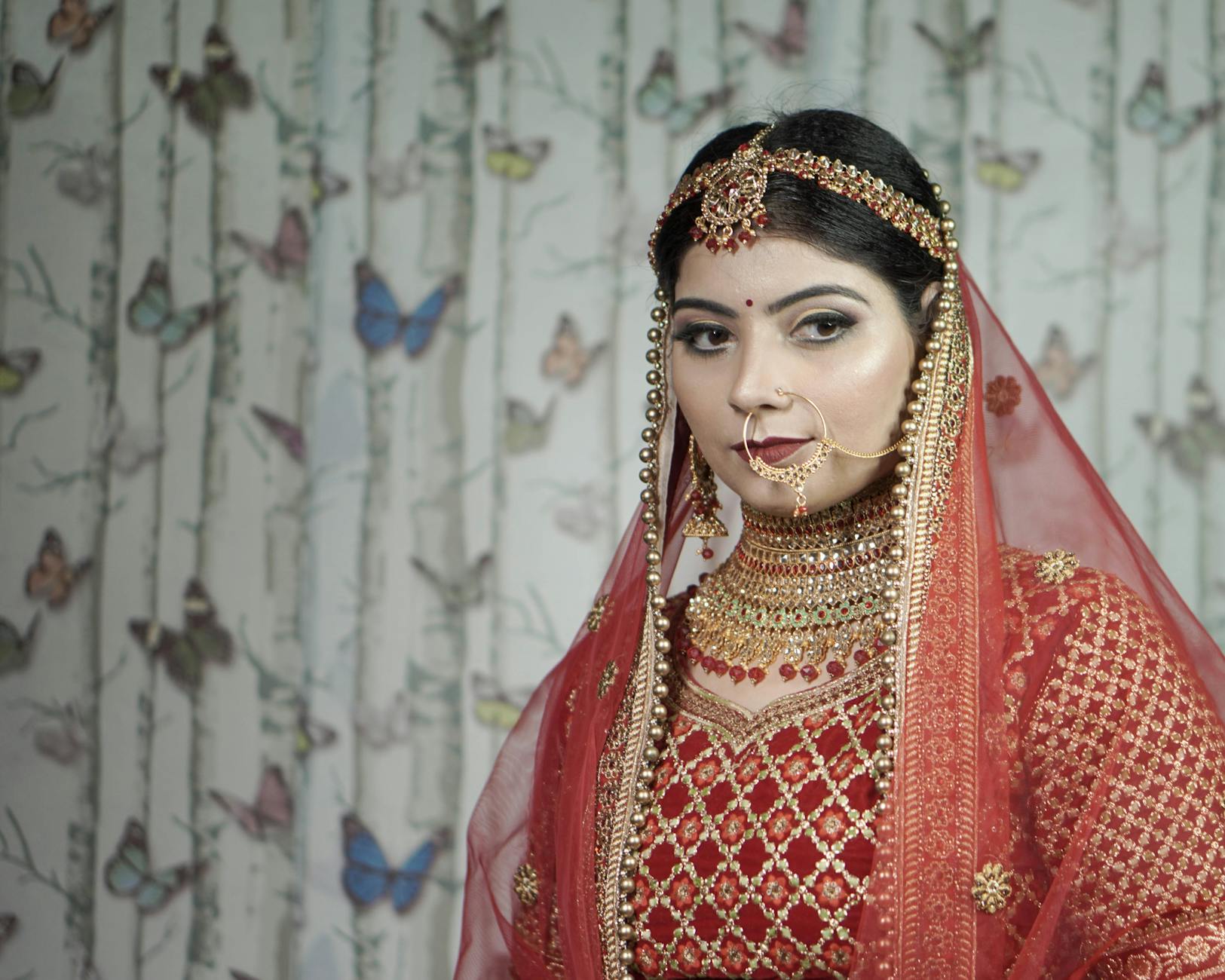
In Tamil, Telugu, Kannada, and Kerala communities, the Namakaranam (naming ceremony) involves substantial gold gifting. Grandparents typically gift a gold chain with an auspicious pendant (Lakshmi, Ganesha, or Om), gold bangles, and gold anklets. The maternal grandmother's gifts are considered especially auspicious. South Indian baby jewellery tends to be heavier and more substantial than North Indian equivalents.
North Indian Traditions
Namkaran gifts in Punjabi, Rajasthani, and UP traditions include gold chains, gold earrings for girls, and gold coins. Punjabi families often gift gold bangles (Kangan) to babies at the Anand Karaj or naming ceremony. Rajasthani families may gift intricate small pieces with kemp stone accents.
Bengali Traditions
Gold Pola bangles (along with red lac Shakha and white Shankha bangles) for girl babies are traditional. Naming ceremony (Annaprashana or Mukhe Bhaat) involves gold chain gifting from grandparents.
Gujarati and Marathi
Simple gold chains and earrings at naming ceremonies. Jain families may gift heavier gold as part of community tradition.
What to Buy: A Practical Gift Guide
| Piece | Weight Range | Approx Cost (2026) | Best For |
|---|---|---|---|
| Simple gold chain (no pendant) | 2–4g | ₹15,000–₹30,000 | Naming ceremony gift; daily wear |
| Chain + auspicious pendant | 3–6g | ₹22,000–₹45,000 | Naming ceremony; grandparent gift |
| Gold anklets (pair) | 3–8g | ₹22,000–₹60,000 | South Indian naming; traditional gift |
| Gold bangles (pair, baby size) | 4–10g | ₹30,000–₹75,000 | Baby shower; community naming |
| Gold stud earrings (pair) | 0.5–1.5g | ₹5,000–₹12,000 | Girl baby; first birthday |
| Gold coin (5g or 10g) | 5–10g | ₹36,000–₹75,000 | Investment gift; locked until adulthood |
Storing Children's Jewellery
As children grow out of jewellery sizes:
- Store outgrown pieces in individual cloth bags with weight and date noted
- Gold bangles can be melted and remade into larger sizes as the child grows — ask your jeweller
- Chains can be lengthened by a goldsmith for a small charge
- Gold coins and plain bars retain full gold weight value for future exchange or investment
The Investment Angle
Gold jewellery gifted to children — particularly gold coins, plain bangles, and simple chains — retains gold value throughout childhood and can be exchanged or sold when the child reaches adulthood. Many families build a child's gold portfolio from infancy to supplement other savings. Gold coins and bars (available from major jewellers and banks) are the most efficient form of gold saving for this purpose, as they carry lower making charges than jewellery. Compare gold savings options here.
Hallmarking Note
All gold jewellery purchased for children should carry BIS HUID hallmarking — mandatory from April 2023. This protects against receiving lower-purity gold than claimed, which is especially important for baby jewellery where 22K purity matters for skin safety.
Conclusion
Gold jewellery for babies and children is deeply embedded in Indian cultural practice — and it can be both beautiful and safe with the right choices. Prioritise 22K gold, smooth finishes, secure fastening, no small detachable elements, and — most critically — never leave a necklace on a sleeping infant. Find jewellers near you on JewellersInCity for naming ceremony and gifting purchases.
More in Buying Guides
Share this article
Our editorial team comprises jewellery industry veterans, certified gemmologists, and passionate writers with decades of combined experience across India's gold, diamond, and gemstone markets. Every article is researched, fact-checked, and written to help Indian buyers make smarter, safer jewellery decisions.
Passionate about jewellery and love to write? We'd love to hear from you.
Join us as a writer →Ready to buy? Find verified jewellers near you
Browse 10,000+ BIS hallmark certified jewellers across India. Compare ratings, check today's gold rate, and book a visit.
Keep Reading