Diwali and gold are inseparable in the Indian consciousness. Every year, as the Festival of Lights approaches, millions of Indian families participate in what is arguably the world's largest annual gold buying event. The tradition of purchasing gold during Diwali, particularly on Dhanteras, is so deeply embedded in Indian culture that it drives measurable spikes in global gold demand. In 2025, India's Diwali season gold purchases exceeded 150 tonnes, accounting for nearly 15 percent of the country's annual gold consumption within a single week.
As we approach Diwali 2026, which falls on Wednesday, October 21, with Dhanteras on Monday, October 19, Indian consumers face a familiar yet evolving set of decisions. Gold prices have risen steadily through 2026, with 22K gold touching Rs. 7,200 per gram in April and analysts projecting Rs. 7,500 to Rs. 8,000 per gram by October. This guide will help you navigate every aspect of your Diwali gold purchase, from understanding the auspicious timing to choosing between coins, jewelry, and bars, and most importantly, protecting yourself from the scams that unfortunately proliferate during this high-demand season.
The Tradition of Dhanteras Gold Buying
Dhanteras, derived from "Dhan" (wealth) and "Teras" (thirteenth day of the lunar fortnight), falls on the thirteenth day of the dark fortnight of the Hindu month of Kartik. It marks the beginning of the five-day Diwali celebration and is considered the most auspicious day of the year for purchasing gold, silver, and other metals.
Mythological Significance
The tradition of buying gold on Dhanteras has multiple mythological origins. The most widely cited is the story of the sixteen-year-old son of King Hima, whose horoscope predicted death by snakebite on the fourth day of his marriage. His new bride, refusing to accept this fate, laid out gold and silver ornaments along with oil lamps at the entrance of their chamber. When Yama, the god of death, arrived in the form of a serpent, he was dazzled by the brilliance of the gold and lamps, and sat listening to the bride's songs all night, eventually departing without claiming her husband's life.
Another tradition associates Dhanteras with the emergence of Dhanvantari, the physician of the gods, who arose from the ocean of milk during the Samudra Manthan carrying the pot of Amrit (nectar of immortality). This association connects the purchasing of precious metals with health, longevity, and divine blessings.
Why Gold Specifically on Dhanteras
While Dhanteras is auspicious for purchasing any metal -- and many families buy stainless steel utensils or silver items -- gold holds a special place because of its association with Goddess Lakshmi, the deity of wealth and prosperity who is worshipped on Diwali. Gold is considered Lakshmi's favorite metal, and purchasing gold on Dhanteras is believed to invite her blessings into the household for the entire coming year.
From a practical standpoint, the Dhanteras tradition also served a historical economic function. In agrarian India, farmers who had sold their harvest in the preceding months used Dhanteras as an occasion to convert their earnings into gold, which served as a stable store of value. This tradition has carried forward into modern times, even as India has urbanized.
Auspicious Timing for Diwali 2026 Gold Purchases
Hindu tradition prescribes specific auspicious hours (muhurat) for gold purchases during the Diwali period. Here are the key dates and timings for 2026.
Dhanteras 2026: Monday, October 19
Dhanteras is the primary day for gold purchases. The Pradosh Kaal (evening twilight period) is considered the most auspicious time. In 2026, the Pradosh Kaal on Dhanteras is expected to fall between approximately 5:30 PM and 8:00 PM IST. Within this window, the Sthira Lagna (fixed zodiac sign rising) period is considered the most propitious for purchases that you wish to retain long-term, which is exactly what gold buying represents.
However, many jewelers begin Dhanteras sales at dawn, and purchases made at any time during the day are considered auspicious. The morning hours before noon are also favored by many families, particularly for those who wish to avoid the extreme crowds that build during the evening.
Narak Chaturdashi (Choti Diwali): Tuesday, October 20
The day after Dhanteras is also considered favorable for gold purchases, though it carries less traditional weight than Dhanteras itself. Many savvy buyers use this day to pick up pieces that were overlooked in the Dhanteras rush, often finding slightly better availability and less crowded showrooms.
Diwali: Wednesday, October 21
The main Diwali day, particularly during the Lakshmi Puja in the evening, is auspicious for worshipping gold that has already been purchased rather than for new purchases. However, many jewelers run Diwali-day promotions that offer excellent value, and purchases made during Lakshmi Puja hours (typically 6:00 PM to 8:30 PM) are considered blessed.
Pre-Diwali Akshaya Tritiya Comparison
For context, Akshaya Tritiya 2026 fell on May 1 and is traditionally considered the other major gold-buying occasion. Many families who purchased gold on Akshaya Tritiya may choose lighter purchases on Dhanteras, while those who missed Akshaya Tritiya often make their primary annual gold purchase during the Diwali window.
| Auspicious Day | Date (2026) | Best Purchase Window | Crowd Level | Deals Available |
|---|---|---|---|---|
| Dhanteras | Monday, Oct 19 | 5:30 PM - 8:00 PM (Pradosh Kaal) | Very High | Standard Diwali offers |
| Narak Chaturdashi | Tuesday, Oct 20 | Morning hours | Moderate | Good availability |
| Diwali (Lakshmi Puja) | Wednesday, Oct 21 | 6:00 PM - 8:30 PM | High | Flash deals common |
| Bhai Dooj | Friday, Oct 23 | Daytime | Low | End-of-season clearance |
What to Buy: Coins vs. Jewelry vs. Bars
The choice between gold coins, jewelry, and bars depends on your primary motivation -- whether it is cultural tradition, personal adornment, or pure investment.
Gold Coins
Gold coins are the most popular Dhanteras purchase, accounting for approximately 40 percent of Diwali season gold sales by volume. They are available in a wide range of weights and designs, making them accessible to virtually every budget.
Lakshmi coins featuring the image of Goddess Lakshmi are the traditional Dhanteras choice. These are available from 0.5 grams (approximately Rs. 3,800 in April 2026) to 100 grams (approximately Rs. 7,60,000). The most popular weights are 1 gram, 2 grams, 5 grams, and 10 grams, with prices in April 2026 ranging from Rs. 7,500 for 1 gram to Rs. 75,000 for 10 grams in 24K (999) purity.
Coins carry lower making charges (2 to 5 percent over spot gold price) compared to jewelry (10 to 30 percent), making them the more investment-efficient option. They are also easier to verify for purity, as reputed coins come with assay certificates from the manufacturer.
However, coins cannot be worn or displayed as jewelry, and their resale is slightly more complex than jewelry, as not all jewelers accept coins from other brands for buyback.
Gold Jewelry
Jewelry is the traditional Diwali purchase for personal use and gifting. During Diwali, jewelers offer their widest collections of the year, and many families take this opportunity to purchase wedding jewelry, anniversary gifts, or personal additions to their collection.
The advantage of jewelry is dual utility -- it serves as both an adornment and a store of value. The disadvantage is higher making charges, which represent a sunk cost on resale. During Diwali, however, many jewelers offer reduced making charges or waive them entirely on select pieces, making this the best time of year to purchase jewelry from a value perspective.
Popular Diwali jewelry purchases include lightweight daily-wear pieces (10 to 30 grams), bridal set components purchased in advance, children's jewelry (bangles, chains, and small earrings), and gold-and-diamond combination pieces that benefit from Diwali discounts.
Gold Bars and Biscuits
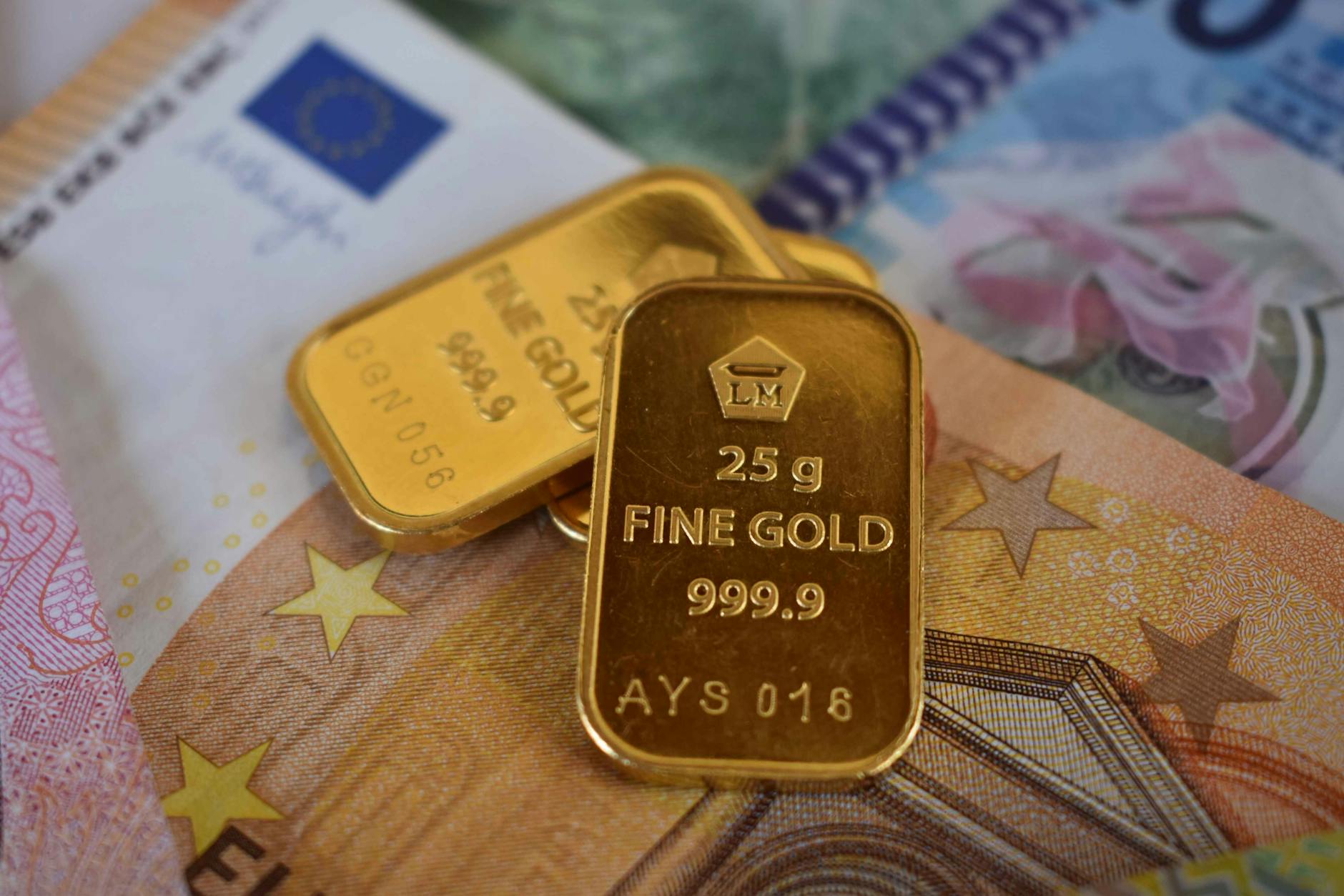
Gold bars (also called biscuits) are the purest form of gold investment, available in 24K (999) purity with the lowest premiums over spot price. They range from 10 grams to 1 kilogram, though the most common Dhanteras purchases are in the 10-gram (Rs. 76,000 in April 2026) and 50-gram (Rs. 3,80,000) categories.
Bars from government-recognized refineries (MMTC-PAMP, Kundan, Augmont) carry the highest trust and easiest resale. These come sealed with tamper-evident packaging and assay certificates that guarantee weight and purity.
For pure investment purposes, gold bars offer the best value because their premium over spot gold is typically just 1 to 3 percent. However, they lack the cultural and emotional appeal of coins and jewelry.
| Purchase Type | Making/Premium | Resale Recovery | Emotional Value | Best For |
|---|---|---|---|---|
| Lakshmi Coins (24K) | 2 - 5% over spot | 95 - 98% | High (tradition) | Dhanteras ritual, gifting |
| Plain Gold Coins (24K) | 1 - 3% over spot | 97 - 99% | Medium | Pure investment |
| Gold Bars (24K) | 1 - 3% over spot | 97 - 99% | Low | Serious investors |
| Lightweight Jewelry (22K) | 10 - 18% making | 82 - 90% | Very High | Personal use + value |
| Heavy Bridal Jewelry (22K) | 15 - 30% making | 70 - 85% | Very High | Wedding preparation |
| Diamond-Gold Jewelry | 20 - 40% making | 50 - 70% (gold portion) | Very High | Luxury gifting |
Price Trends During Diwali Season
Understanding gold price patterns around Diwali can help you time your purchase for maximum value.
Historical Diwali Season Pricing
Gold prices typically exhibit a seasonal pattern around Diwali. In most years, prices rise in the weeks leading up to Dhanteras due to increased demand, plateau during the festival, and may dip slightly in the weeks following as demand normalizes.
Analysis of gold prices over the past five Diwali seasons reveals the following pattern. Gold prices tend to start rising approximately four to six weeks before Dhanteras as jeweler restocking begins. The peak premium typically occurs one to two days before Dhanteras when last-minute retail demand surges. Prices generally stabilize during the actual Diwali week as supply catches up with demand. A modest correction of 1 to 3 percent often occurs in the two to three weeks after Diwali.
2026 Diwali Price Projections
Based on trends through April 2026, where 22K gold is at approximately Rs. 7,200 per gram and 24K at approximately Rs. 7,600 per gram, market analysts project the following scenarios for October 2026.
In a bullish scenario (global uncertainty persists, central banks continue buying), Dhanteras gold could reach Rs. 7,800 to Rs. 8,200 per gram for 22K. In a neutral scenario (current trends continue), prices are expected to be Rs. 7,400 to Rs. 7,800 per gram for 22K. In a bearish scenario (strong global economic recovery reduces safe-haven demand), prices may ease to Rs. 7,000 to Rs. 7,400 per gram.
Timing Strategy for 2026
For those planning significant Diwali gold purchases in 2026, consider a phased approach. Purchase 30 to 40 percent of your planned quantity in June or July when post-Akshaya Tritiya demand typically eases. Buy another 30 to 40 percent in September, before the pre-Diwali price run-up begins. Purchase the remaining 20 to 30 percent on Dhanteras itself for its auspicious value, accepting the potential premium.
This approach averages out your cost and reduces the risk of buying entirely at a seasonal peak.
Lakshmi Coins: The Heart of Dhanteras
Lakshmi coins deserve special attention as they are the quintessential Dhanteras purchase, combining religious significance with gold investment.
Types of Lakshmi Coins
Standard Lakshmi coins feature an image of Goddess Lakshmi on one side and either a lotus, Om symbol, or the manufacturer's logo on the reverse. They are available in 24K (999 purity) and less commonly in 22K (916 purity). Premium Lakshmi coins may feature more detailed engravings, matte finishes, or colored accents.
MMTC-PAMP's Lakshmi gold coins are considered the gold standard (literally) for quality and trust. Their 24K coins come in weights from 1 gram to 50 grams, sealed in certicard packaging with a unique serial number and Swiss-assayed purity guarantee. Other trusted manufacturers include Kundan, Augmont, Muthoot, and Tanishq.
Pricing Breakdown for Lakshmi Coins (April 2026 Estimates)
| Weight | 24K Gold Value | Typical Premium | Total Cost | Ideal For |
|---|---|---|---|---|
| 0.5 gram | Rs. 3,800 | Rs. 200 - 400 | Rs. 4,000 - Rs. 4,200 | Token gift, children |
| 1 gram | Rs. 7,600 | Rs. 200 - 500 | Rs. 7,800 - Rs. 8,100 | Personal ritual |
| 2 grams | Rs. 15,200 | Rs. 400 - 800 | Rs. 15,600 - Rs. 16,000 | Small gifting |
| 5 grams | Rs. 38,000 | Rs. 800 - 1,500 | Rs. 38,800 - Rs. 39,500 | Substantial gift |
| 10 grams | Rs. 76,000 | Rs. 1,500 - 3,000 | Rs. 77,500 - Rs. 79,000 | Major purchase |
| 20 grams | Rs. 1,52,000 | Rs. 2,500 - 5,000 | Rs. 1,54,500 - Rs. 1,57,000 | Investment |
| 50 grams | Rs. 3,80,000 | Rs. 5,000 - 10,000 | Rs. 3,85,000 - Rs. 3,90,000 | Serious investment |
Storing and Caring for Gold Coins
Store gold coins in their original sealed packaging whenever possible. If the seal is broken, store in a soft cloth or velvet pouch in a cool, dry place. Do not store multiple coins in direct contact, as 24K gold is soft and coins can scratch each other. For insurance purposes, photograph each coin with its serial number and certificate, and store documentation separately from the coins.
Best Diwali Gold Deals and Offers
Jewelers compete aggressively for Diwali season business, creating genuine opportunities for savings.
Types of Diwali Gold Offers
The most common Diwali gold offers include waived or reduced making charges (saving 8 to 25 percent on jewelry), fixed-price coin offers (lower premium than usual), exchange bonuses (higher buyback value for old gold), free gifts with purchase (silver coins, jewelry boxes, or gift cards), and EMI options with zero or low interest.
Among these, reduced making charges on jewelry represent the most substantial savings. A piece that normally carries Rs. 15,000 in making charges on a Rs. 1,00,000 gold value might be available for Rs. 5,000 to Rs. 8,000 in making charges during Diwali, representing real savings of Rs. 7,000 to Rs. 10,000.
Evaluating Diwali Offers
Not all Diwali offers are as good as they appear. Some jewelers inflate the base gold price before offering making charge discounts, effectively neutralizing the saving. To evaluate an offer properly, check the per-gram gold rate being charged against the day's live spot rate (available on the JewellersInCity gold rate page). The jeweler's rate should be within Rs. 50 to Rs. 150 of the spot rate for 22K gold. Any premium beyond this suggests the making charge discount is being offset.
Also compare the making charge percentage after discount with what competing jewelers charge as their standard rate. A "50 percent off on making charges" that brings charges down from 25 percent to 12.5 percent may not be as good as another jeweler's standard 10 percent making charge with no discount.
Best Places for Diwali Gold Deals
National chains like Tanishq, Kalyan Jewellers, Malabar Gold, and Joyalukkas run their most attractive promotions during Diwali. Regional powerhouses like Senco Gold (East India), Bhima Jewellers (South India), and TBZ (West India) often offer better deals than national chains due to lower overhead.
Local independent jewelers in traditional jewelry markets (Zaveri Bazaar in Mumbai, Johari Bazaar in Jaipur, Bowbazar in Kolkata) sometimes offer the best prices because of lower operating costs, but ensure they are BIS-certified and provide proper hallmarking.
Use the JewellersInCity store finder to compare Diwali offers from multiple jewelers in your area before making your purchase decision.
Avoiding Diwali Gold Scams
The high volume and emotional nature of Diwali gold buying unfortunately attract fraudulent operators. Here is how to protect yourself.
Common Diwali Gold Scams
The most prevalent scam involves selling under-karated gold at full-karat prices. A piece stamped as 22K (916) may actually be 18K (750) or lower, with the difference pocketed by the dishonest jeweler. During the Diwali rush, when jewelers are handling hundreds of customers, quality control may slip even at reputable establishments.
Other common scams include inflated stone prices (where the weight of stones in studded jewelry is overcharged), hidden charges added to the bill after the price is agreed upon verbally, and the sale of "gold-plated" items as "gold" to uninformed buyers, particularly at temporary Diwali stalls and pop-up shops.
Online scams also increase during Diwali, with fake websites mimicking established jewelers, phishing emails offering "exclusive Diwali gold deals," and social media advertisements for impossibly low-priced gold items.
How to Protect Yourself
Always insist on BIS hallmarked jewelry with the four-digit hallmark that includes the BIS logo, purity grade, jeweler's identification number, and assaying center mark. Since July 2021, hallmarking has been mandatory for gold jewelry sold in India, so any jeweler not providing hallmarked items is operating illegally.
Request a detailed, computer-generated invoice that separately lists the gold weight, gold rate, making charges, stone charges (if applicable), and GST. The invoice should also mention the purity (22K/916 or 24K/999) and the hallmark number.
For high-value purchases (above Rs. 1,00,000), consider getting an independent purity test done. Many cities have BIS-authorized assaying and hallmarking centers that offer walk-in testing services for a nominal fee of Rs. 200 to Rs. 500 per item.
Buy only from established jewelers with a physical store presence and verifiable track record. Check reviews and ratings on the JewellersInCity platform before visiting a new jeweler. Be especially cautious with temporary Diwali stalls, door-to-door sellers, and online-only sellers without established reputations.
Red Flags to Watch For
Be wary of prices that are significantly below market rate -- if a deal seems too good to be true, it probably is. Resistance to providing hallmark details or a proper invoice is a major red flag. Pressure to make an immediate decision ("this price is only available right now") is a classic sales tactic used by less reputable operators. Any request for cash payment to "avoid GST" should be declined, as this also eliminates your paper trail for any future disputes.
Diwali Gold Gifting Etiquette
Gold gifting during Diwali is an important tradition with its own set of cultural norms.
Appropriate Gold Gifts by Relationship
For parents and in-laws, a 5 to 10 gram gold coin or a lightweight jewelry piece is considered a respectful and generous gift. For siblings, 1 to 5 gram coins or small jewelry items are appropriate. For close friends, 1 to 2 gram coins are a thoughtful gesture. For employees and business associates, 0.5 to 1 gram coins or silver coins are standard corporate Diwali gifts.
Presentation Matters
Gold gifts should be presented in red or gold-colored packaging, as these colors are associated with Lakshmi and prosperity. Many jewelers offer complimentary Diwali gift packaging during the season. Avoid wrapping gold gifts in black or white packaging, which carries inauspicious connotations in Hindu tradition.
Tax Implications of Gold Gifts
Under Indian tax law as of April 2026, gold gifts received from relatives (as defined under the Income Tax Act) are exempt from gift tax regardless of value. Gifts from non-relatives exceeding Rs. 50,000 in value in a financial year are taxable in the recipient's hands. For corporate gold gifts, the employer must deduct TDS, and the gift is taxable as a perquisite in the employee's income.
Frequently Asked Questions
1. What is the best time to buy gold on Dhanteras 2026?The most auspicious time for gold purchases on Dhanteras 2026 (Monday, October 19) is during the Pradosh Kaal, which is expected to be between approximately 5:30 PM and 8:00 PM IST. However, from a practical standpoint, visiting jewelers during morning hours (10:00 AM to 1:00 PM) gives you better service, less crowding, and more time to inspect your purchase carefully. The gold you buy retains its Dhanteras auspiciousness regardless of the specific hour.
2. Should I buy gold coins or gold jewelry on Dhanteras?If your primary goal is investment, gold coins (particularly 24K coins from MMTC-PAMP or similar trusted mints) offer the best value with premiums of only 2 to 5 percent over spot price. If you want to combine tradition with personal use, lightweight 22K jewelry (especially during Diwali sales with reduced making charges) gives you dual utility. Many families buy both -- a Lakshmi coin for the Puja and a jewelry piece for personal wear.
3. How much gold should I buy on Dhanteras for good luck?There is no prescribed minimum quantity. Tradition holds that buying even a small amount of gold on Dhanteras -- even a half-gram coin worth around Rs. 4,000 -- is auspicious. The spiritual significance lies in the act of purchasing, not the quantity. Families should buy within their financial means and avoid taking on debt for Dhanteras gold purchases, as debt contradicts the prosperity symbolism of the festival.
4. Are Diwali gold prices higher than normal?Yes, marginally. Retail gold prices during the Diwali week are typically 1 to 3 percent higher than the preceding month due to increased demand. However, the making charge discounts and promotional offers available during Diwali often more than compensate for this premium, particularly on jewelry purchases. For coins and bars, the premium increase is smaller (0.5 to 1 percent). Overall, when factoring in promotional offers, Diwali is actually a good time to buy jewelry specifically.
5. Can I buy gold online during Dhanteras?Yes, and it is an increasingly popular option. Major jewelers like Tanishq, CaratLane, and PC Jeweller offer online Dhanteras purchases with delivery. Digital gold platforms like Augmont, SafeGold, and Paytm Gold allow you to buy gold in any amount starting from Rs. 1 and store it in insured vaults. The gold is hallmarked and can be converted to physical coins or bars at any time. The auspiciousness of the purchase is tied to the transaction date, whether online or offline.
6. What paperwork should I get when buying gold on Dhanteras?Insist on receiving a computer-generated GST invoice mentioning the gold weight (in grams to two decimal places), gold purity (22K/916 or 24K/999), gold rate per gram, making charges (separately listed), stone charges if applicable, 3 percent GST, and the total amount. Also ensure the jewelry carries a BIS hallmark. For coins and bars, you should receive an assay certificate. Keep all documentation safely -- it serves as proof of purchase for insurance claims, resale, and tax purposes.
7. Is it better to buy from a local jeweler or a national chain during Diwali?Both have advantages. National chains offer standardized pricing, verified hallmarking, nationwide buyback guarantees, and large promotional budgets that translate into attractive Diwali offers. Local jewelers often have lower operating costs that translate into lower base prices, more willingness to negotiate, and personalized service. The key is to ensure any jeweler you patronize is BIS-certified. Check the JewellersInCity platform for verified ratings and reviews of both local and chain jewelers in your area.
8. How do I verify gold purity after purchase?The simplest verification is checking for the BIS hallmark -- a four-digit marking that certifies the purity has been tested by an authorized assaying center. For additional assurance, you can visit any BIS-authorized assaying center and have the gold tested using XRF (X-ray fluorescence) technology for Rs. 200 to Rs. 500 per item. Avoid home testing methods like acid testing, as they can damage the jewelry and are not conclusive.
9. What is the GST on gold purchases during Diwali?GST on gold jewelry and coins remains at 3 percent on the gold value plus 5 percent on making charges as of 2026. There is no special Diwali GST rate or exemption. On a jewelry piece worth Rs. 1,00,000 with Rs. 15,000 in making charges, the GST would be Rs. 3,000 (on gold) plus Rs. 750 (on making), totaling Rs. 3,750. This is non-negotiable and should be clearly shown on the invoice.
10. Can I exchange old gold for new on Dhanteras?Yes, and many jewelers offer enhanced exchange rates during Diwali. Standard old gold exchange gives you 90 to 95 percent of the prevailing rate for the gold weight after melting deductions. During Diwali, some jewelers offer 95 to 100 percent exchange value as a promotional offer. This is an excellent opportunity to exchange outdated or broken jewelry for new pieces. Carry your old gold's purchase invoices if available, as they help in valuation.
11. What are the alternatives to physical gold for Dhanteras?If physical gold storage is a concern, consider Sovereign Gold Bonds (SGBs) issued by RBI, which offer 2.5 percent annual interest plus gold price appreciation. Gold ETFs traded on stock exchanges offer high liquidity. Digital gold from platforms like Augmont or SafeGold starts from Rs. 1 and is stored in insured vaults. All these maintain the investment character of gold without storage concerns. However, they lack the tactile and ritualistic satisfaction of physical gold for Dhanteras.
12. How do I store Dhanteras gold safely at home?For small quantities (under 50 grams), a hidden home safe or a bank locker is adequate. For larger quantities, a bank locker is strongly recommended -- annual rental ranges from Rs. 2,000 to Rs. 15,000 depending on the locker size and bank. Note that bank lockers have limited insurance, so consider additional jewelry insurance (approximately 1 to 2 percent of the value annually). Keep gold and its documentation in separate locations -- if both are stolen, replacement and insurance claims become extremely difficult. Photograph all pieces with their invoices and store digital copies in a secure cloud location.
Planning your Diwali gold purchase? Start early by comparing prices and offers from trusted, BIS-certified jewelers on JewellersInCity. Track daily gold rates on our live gold rate page and make an informed purchase this Dhanteras. Find your nearest jeweler today.
More in Buying Guides
Share this article
Our editorial team comprises jewellery industry veterans, certified gemmologists, and passionate writers with decades of combined experience across India's gold, diamond, and gemstone markets. Every article is researched, fact-checked, and written to help Indian buyers make smarter, safer jewellery decisions.
Passionate about jewellery and love to write? We'd love to hear from you.
Join us as a writer →Ready to buy? Find verified jewellers near you
Browse 10,000+ BIS hallmark certified jewellers across India. Compare ratings, check today's gold rate, and book a visit.
Keep Reading