Custom jewellery — a piece designed and crafted to your exact specifications, uniquely yours — is one of the most rewarding purchases you can make. It is also one where the gap between expectation and reality can be widest, especially in India's jewellery market where processes, pricing, and protections vary enormously between a neighbourhood goldsmith and a premium design studio. This guide covers every step of the process, every cost component, and every protection you need to order custom jewellery in India with confidence.
The Complete Custom Jewellery Process — Step by Step
Step 1: Concept and Inspiration Gathering
Before approaching any jeweller, develop a clear reference direction. This does not require you to be a designer — you need reference points: the style you are drawn to, examples of similar pieces, and clarity on purpose (daily wear, bridal, corporate gifting, self-purchase milestone).
Effective reference materials for brief preparation:
- Pinterest boards (share the board URL with the jeweller — universally understood across the industry)
- Instagram jewellery account screenshots (most contemporary jewellers actively follow the same accounts)
- Photographs of existing pieces you own and love — even if the style you want is different, they reveal your aesthetic
- Hand sketches — even rough diagrams with measurements noted are more precise than verbal descriptions
- Tearsheets from bridal magazines or jewellery catalogues
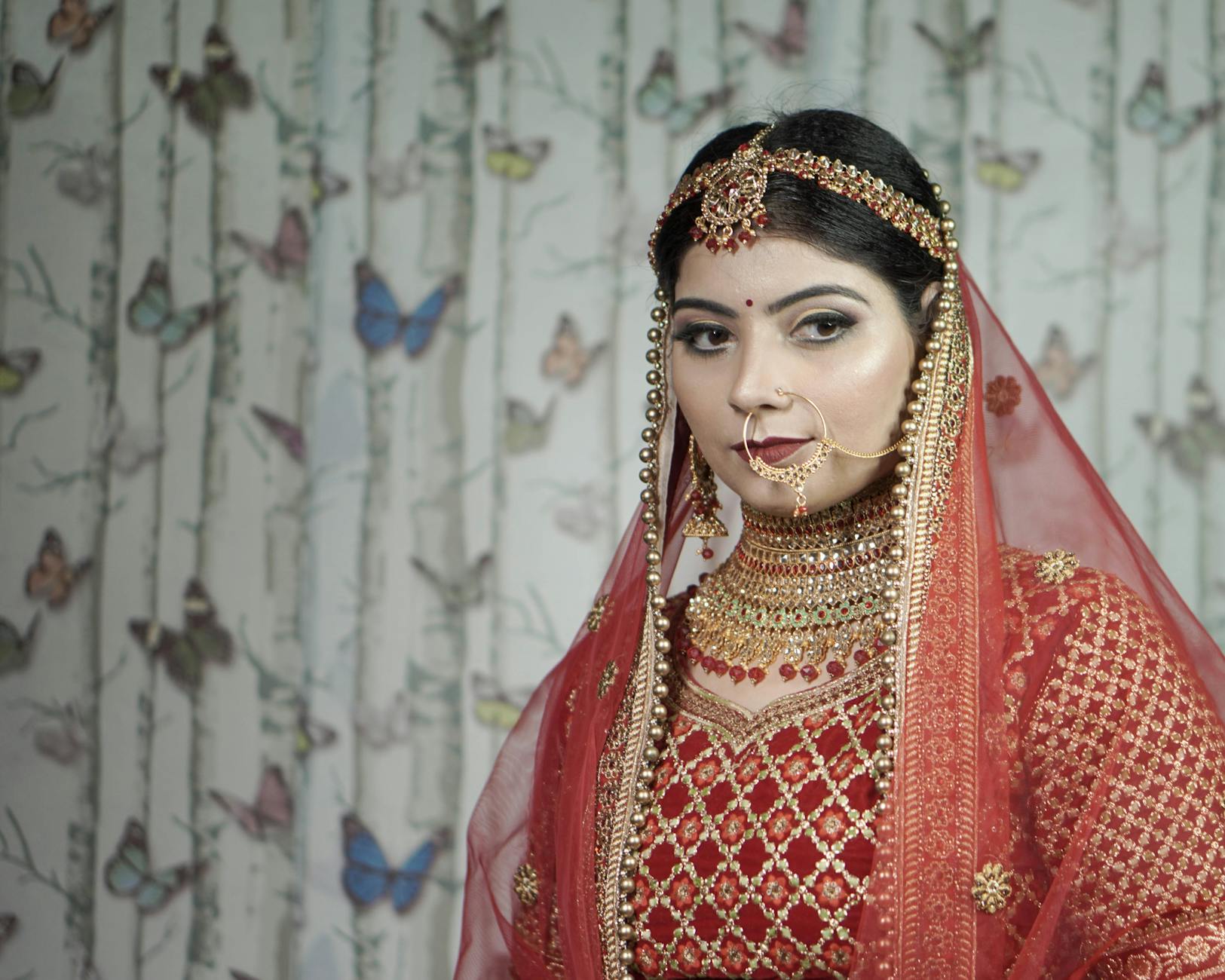
- Reference to the specific cultural tradition you want the piece to belong to (Rajasthani kundan, South Indian temple, contemporary fusion, Mughal revival)
Step 2: Design Discussion and Brief
The design discussion is the most critical session in the entire custom jewellery process. Everything that goes wrong later traces back to ambiguity in this conversation. Schedule at least 60–90 minutes and visit in person for any significant piece.
Key parameters to specify explicitly in this session:
- Metal: Gold karat (22K for deep yellow traditional look, 18K for contemporary/diamond-set), metal colour (yellow, white, rose gold), rough weight range if budget-constrained
- Size and dimensions: Ring finger size (measure with a sizer at the shop, not by guessing). For necklaces — exact chain length, pendant width and height. For bangles — inner diameter in millimetres (measure an existing bangle that fits well)
- Stones: Type, shape, approximate carat weight, colour preference, whether you want certified stones
- Finish: High mirror polish, matte/satin, hammered, oxidised (black rhodium), rhodium plated for white gold
- Design flexibility: "I want exactly this, no creative deviation" vs "use this as a direction, your expertise is welcome within this aesthetic"
- Weight range acceptable: For investment-conscious buyers, specifying "no heavier than 8 grams" saves from surprises at billing
The Verbal Description Trap
Never describe custom jewellery purely in words without visual references. "Delicate but statement-making" means something completely different to you and the jeweller. "Floral motif — not too heavy" will produce wildly different interpretations. Always anchor every verbal description to a visual reference. One good photo is worth a 10-minute conversation.
Step 3: CAD/3D Rendering
All quality custom jewellers in India now use CAD (Computer-Aided Design) to produce a 3D model of the piece before any metal is touched. This is your primary opportunity to approve or redirect the design before the expensive fabrication stage.
What a complete CAD presentation includes:
- 360-degree rotatable 3D view (provided as a video or interactive file via WhatsApp or email)
- Top, front, and side 2D orthographic views with dimensions
- Estimated weight in metal (the most critical financial detail)
- Stone placements shown to scale with carat weight annotations
- Rendering in realistic metal and stone colours (photo-realistic render)
How to evaluate a CAD model effectively:
- Proportions first: Is the pendant too large or small for the chain? Is the ring band thin enough to be comfortable? Is the necklace width appropriate for the intended outfit?
- Structural integrity: Is the bail (pendant attachment loop) substantial enough for the chain you plan to use? For stone-set rings, are the prongs thick enough to hold securely?
- Weight estimate: Ask the jeweller to give you the estimated casting weight. This directly determines your gold cost. If it is higher than your budget, the CAD can be thinned.
- Revision count: Clarify upfront how many revisions are included in the design fee. Standard is 2–3 rounds; beyond that, additional charges may apply.
Step 4: Wax Model (Optional but Valuable)
After CAD approval, quality jewellers offer a physical 3D-printed wax or resin model for you to try on. This step tells you what a digital render cannot: how the ring feels on your specific finger, whether the necklace length sits correctly on your neckline, whether the pendant is balanced when worn.
For rings, bangles, and earrings — wax models are especially valuable. For a flat pendant or a chain, the CAD render is usually sufficient. For bridal sets above ₹2 lakh — insist on a wax model as a condition of the order, even if there is a small additional fee.
Step 5: Casting and Fabrication
Once the design is approved, the master craftsman (karigar) produces the piece. Modern fine jewellery predominantly uses lost-wax casting (cire perdue): the approved wax model is encased in plaster investment, the wax is burned out in a kiln, and molten gold alloy is poured or centrifuged into the cavity. The result is a raw cast piece that then goes through:
- Filing and polishing to remove casting sprue and rough spots
- Stone setting by a specialist setter (the most skilled step — a mistake can crack a diamond or lose a stone)
- Milgrain, engraving, or texture work if specified in design
- Rhodium plating for white gold pieces (gives the bright white finish)
- Final quality polish, inspection, and hallmarking by an AHC before delivery
Step 6: Quality Check Before Accepting Delivery
Never accept a custom piece without a thorough quality check at the delivery counter:
- Compare every design element against the approved CAD — proportions, stone placements, finish type
- Weigh the piece on the shop scale; compare with the CAD-estimated weight (should be within ±5%)
- Check all stone settings by gently pressing each stone — no movement indicates correct setting
- Verify BIS hallmark and HUID using the BIS Care app
- Test clasp/closure functionality — open and close 5 times minimum
- Inspect finish under the shop's magnification loupe or under your phone camera macro mode
Timeline Breakdown by Piece Type
| Piece Type | Typical Timeline | Key Complexity Drivers |
|---|---|---|
| Simple ring (plain band, solitaire) | 7–14 days | Stone availability, sizing accuracy |
| Designer earrings | 10–21 days | Symmetry, matching pair of stones |
| Pendant / small necklace | 14–21 days | CAD complexity, stone sourcing |
| Designer necklace (elaborate) | 21–45 days | Multi-stone setting, handwork elements |
| Bangle set (custom design) | 21–30 days | Sizing precision, matching set pieces |
| Bridal necklace set (single piece) | 45–60 days | Bridal-grade stone quality, fine finishing |
| Full bridal jewellery set | 60–90 days | Multiple pieces, fitting sessions, coordination |
| Kundan / Polki set | 60–120 days | Highly specialised handcraft; limited master karigars available |
Choosing the Right Jeweller — India's Regional Specialisations
The jeweller you choose determines the outcome more than any other factor. India has deep, centuries-old regional specialisations:
- Rajasthan (Jaipur, Bikaner, Nathdwara): Unmatched for kundan meenakari (gold with enamel and uncut stones), polki (uncut flat diamond set in gold), and thewa (gold filigree on coloured glass). The finest kundan karigars in India work in Jaipur's old city workshops. If you want authentic kundan, either commission from a Jaipur jeweller or find a jeweller anywhere who sources directly from Jaipur karigar networks.
- Mumbai (Zaveri Bazaar, Andheri, Bandra): India's most cosmopolitan jewellery hub. Best for contemporary gold jewellery, high-end diamond jewellery, fusion designs, and design-forward pieces. Mumbai jewellers have the broadest exposure to international jewellery trends.
- Chennai / Tamil Nadu (Sowcarpet, T. Nagar, Mylapore): Unrivalled for temple jewellery (Kasu mala, Lakshmi haram, Kemp pieces in gold and silver), South Indian bridal sets (long haram, vanki, ottiyanam), and intricate gold filigree work.
- Kolkata (Bowbazar): Famous for traditional Bengali jewellery in 23K and 24K gold — "Calcutta gold" style with distinctive finishing, sonar bangles, and shakha-pola sets.
- Hyderabad: Specialised in Nizami pearl jewellery, uncut diamond (polki) settings in Mughal style, and classic Hyderabadi necklace forms.
- Surat: Hub for machine-made and cast gold jewellery at competitive production rates; excellent for affordable custom work where elaborateness is less important than accuracy and price.
- Thrissur (Kerala): Gold capital of South India; known for heavy south Indian sets, temple designs, and Kerala wedding jewellery.
When evaluating a jeweller's capability for your specific project:
- Ask to see 5+ completed custom pieces in the style you want — not just a catalogue, but actual pieces with before/after comparison
- Ask to see their CAD files alongside the finished pieces — the gap between CAD and output tells you about execution quality
- Request 1–2 client references who had similar pieces made
- Examine a finished stone-set piece under their magnification loupe — look for uneven settings, file marks, casting seams
Cost Components and Budget Formula
| Cost Component | How Calculated | Typical Range |
|---|---|---|
| Design / CAD fee | Flat fee; often waived if order confirmed | ₹500–₹5,000 |
| Gold value | Net gold weight (g) × IBJA rate for that karat | Current IBJA rate |
| Custom making charges | ₹ per gram of gold weight | ₹400–₹1,500/g standard casting; ₹1,500–₹4,000/g handcrafted/kundan |
| Stone cost | Per stone (diamonds: per carat), billed separately | Varies; always get a separate line item |
| Rhodium plating (white gold) | Per piece flat charge | ₹300–₹800 |
| GST | 3% on gold; 5% on making and stones | Applied on sub-total |
Quick budget formula: Estimated Total = (Gold weight × IBJA rate) + (Gold weight × custom making charge per gram) + Stone costs + GST
Example for a 10g 22K gold diamond pendant with ₹900/g making at ₹7,500/g IBJA rate and ₹15,000 in stones:
(10 × ₹7,500) + (10 × ₹900) + ₹15,000 = ₹75,000 + ₹9,000 + ₹15,000 = ₹99,000 + GST ≈ ₹1,03,000–₹1,06,000
Contract Essentials — What to Insist On
Any custom order above ₹25,000 deserves a written agreement. Essential elements:
- Approved CAD file reference: The order explicitly references the approved CAD design version and date
- Gold weight estimate with tolerance: "Net gold weight approximately X grams ±5%"; if final weight exceeds tolerance, the price difference must be agreed before casting begins
- Karat specification: Write "22K 916 BIS hallmarked" — not just "gold"
- Stone specifications (if applicable): Type, approximate weight, shape, origin (natural), and whether certified
- Delivery date: Specific date, not "4–5 weeks"; with what happens if delayed (price concession, free repair service for a year, etc.)
- Advance payment amount: 30–50% is standard; never pay more than 60% to an untested jeweller before seeing progress
- Balance payment trigger: "On delivery and client approval of piece" — not before
- Cancellation and refund policy: What is retained if you cancel at each stage (pre-CAD, post-CAD approval, post-casting)
Supplying Your Own Gold
Many clients want to recycle heirloom gold into a new custom piece. How jewellers handle scrap gold:
- The jeweller melts your gold and assays purity. Even certified 916 gold is typically valued at a "melt rate" slightly below the IBJA buying rate — this covers their assay cost and handling risk.
- Melting always results in weight loss: 3–5% for plain gold articles, 5–8% for elaborate ornate pieces (solder, alloy variations, stone components are lost or separated)
- Obtain a written receipt of the melt weight and assessed purity before the jeweller proceeds with fabrication
- The difference between your supplied gold value and the new piece's gold value is billed to you at the current day's IBJA rate
Never Give Gold Without Written Documentation
When handing over your gold, obtain a signed receipt stating: each piece's description, gross weight, estimated karat, and acknowledgment of receipt. If possible, photograph each piece before handing over. This documentation protects you if there is any subsequent dispute about how much gold you supplied or its purity.
Stones for Custom Jewellery
Stones are often the highest single cost component and the area with the most potential for quality misrepresentation.
Certified vs Uncertified Diamonds: For diamonds above 0.30 carats, insist on an IGI (International Gemological Institute), GIA (Gemological Institute of America), or HRD grading certificate. These specify the 4Cs: cut, colour, clarity, carat weight. For smaller diamonds (melee, below 0.10 carats), certification is impractical — rely on the jeweller's written batch certificate.
Buyer-Provided Stones: You may source diamonds or coloured stones independently and bring them for setting. The jeweller will typically provide a written acknowledgment of receipt. Clarify in advance: the setting fee per stone, who is liable if a stone is accidentally damaged during setting (standard industry practice: the jeweller is not liable for pre-existing flaws in client-provided stones, but is liable for setting damage caused by their own work), and turnaround time.
Coloured Stones: For emeralds, rubies, and sapphires above ₹10,000 in value, ask for a gemological lab report from GIA, Gübelin (for premium stones), or IGI/GGTL. The report confirms natural vs synthetic origin, whether treated (heat treatment, fissure filling), and approximate weight. Heat-treated rubies and emeralds are significantly less valuable than untreated equivalents — you need the certificate to know what you are paying for.
Bridal Custom Jewellery — Special Timeline and Approach
Bridal jewellery is the highest-stakes custom project. Different rules apply:
- Start 3–4 months before the wedding date at minimum. For kundan, polki, or intricate handcrafted sets, start 5–6 months before.
- First fitting session with wax models or early-stage metal pieces: 6–8 weeks before the wedding. This is when you can still make design changes without crisis.
- Second fitting with completed pieces including stones: 2–3 weeks before the wedding. Final adjustments only — ring resizing, chain length shortening, minor polish touch-ups.
- Design freeze date: Establish explicitly with the jeweller. Changes requested after the design freeze attract a rush premium (typically 15–25% on making charges) and risk quality.
- One-week buffer: Build it into your internal deadline. The jeweller's promised delivery of "10 days before the wedding" should be in your mind as "17 days before" — buffer for unexpected delays.
- Payment structure for bridal sets: 30% advance, 40% at wax model approval, 30% on final delivery and quality approval. This payment structure aligns incentives throughout the process.
Online Custom Jewellery Platforms in India
| Platform | Speciality | Price Range | Notes |
|---|---|---|---|
| CaratLane Custom | Engravings, personalised pendants | ₹5,000–₹1,00,000 | Easy interface; limited design complexity |
| BlueStone Personalise | Name/initials jewellery, solitaire rings | ₹8,000–₹2,00,000 | Good diamond ring builder; BIS hallmarked |
| Melorra | Lightweight contemporary everyday designs | ₹4,000–₹50,000 | Subscription access model; designer-updated regularly |
| Aulerth | High-art fine jewellery; fully bespoke | ₹50,000–₹10,00,000+ | Premium consultations with independent designers |
Getting Fair Quotes — The 3-Quote Method
For any custom project above ₹30,000, obtain at least three quotes before committing. To make quotes comparable:
- Ensure all three jewellers are working from the same reference image or CAD design
- Ask each to break down: gold weight estimate, gold rate used, making charges per gram, stone cost, other charges — separately
- Compare making charges per gram as the primary differentiator (gold rate is IBJA-set and should be identical)
- Check if stone specifications are truly comparable — uncertified stones will always produce lower quotes than certified equivalents
- Ask each jeweller: "What is your timeline?" and "What is your revision policy?" — these are part of the value, not just price
Common Problems and How to Handle Each
Design mismatch at delivery: The piece looks significantly different from the approved CAD. Immediately document with photographs comparing CAD to actual piece. Do not pay the balance. Request the jeweller to correct or redo — most will, rather than face consumer court. If they refuse, file a complaint with the consumer helpline (14404) and initiate consumer court proceedings in your district.
Weight dispute: The actual piece weighs significantly more than estimated, resulting in a higher bill than expected. The solution is prevention: ask for the CAD weight estimate in writing before approving fabrication, and specify in the order that you approve fabrication only if weight is within ±5% of estimate. An unexpectedly heavy piece must be flagged before you accept it, not after.
Delayed delivery: Most custom orders in India run 1–2 weeks past the promised date. Bridal orders sometimes run 2–3 weeks late. The solution is twofold: start early enough that delays do not create a crisis, and have the delay penalty written into the agreement. A commitment to 1% price reduction per week of delay (capped at 5%) is a reasonable clause.
Frequently Asked Questions
Can I cancel a custom order after placing it?
Cancellation rights depend on the agreement terms. Standard practice: before CAD approval — full advance refund. After CAD approval but before fabrication — design fee retained (₹500–₹5,000), rest refunded. After fabrication begins — advance typically non-refundable since materials purchased and labour invested. Always clarify cancellation terms before paying any advance and write them into the order acknowledgment.
Who owns the CAD design I commissioned?
In India's jewellery market, the jeweller typically retains the CAD file. If the design is unique and you do not want it reproduced for other clients, negotiate an exclusivity clause in writing and expect a premium for it. For adaptations of standard templates (your initials on a standard pendant), exclusivity is rarely worth the premium.
What if the final piece looks different from the CAD?
Minor variation between CAD and final piece is normal — finishing adds human character and slight dimension. Significant deviations (wrong stone placement, wrong proportions, missing design elements) are a valid quality complaint. Prevention is better: document the CAD approval, conduct thorough quality check at delivery before paying balance. Never pay the balance until you are satisfied the piece matches the approved design.
Is custom jewellery significantly more expensive than ready-made?
Almost always yes. Custom making charges are 20–40% higher than mass-production making for comparable casting work, and 200–300% higher for handcrafted traditional techniques. The justification is a unique piece built to your exact specifications and measurements. For bridal jewellery and significant gifts where no ready-made piece is exactly right, the premium is usually worthwhile.
Consumer Protections and Dispute Resolution for Custom Jewellery
India's Consumer Protection Act 2019 provides strong remedies for custom jewellery disputes. The key consumer rights applicable:
- Right to information: You are entitled to an itemised bill showing gold weight, karat, making charges per gram, stone costs, and HUID. A jeweller who refuses to provide an itemised bill is in violation of consumer rights and BIS hallmarking regulations simultaneously.
- Right against unfair trade practices: Delivering a piece that differs substantially from the approved CAD constitutes a deficiency in service and an unfair trade practice under Section 2(47) of the Consumer Protection Act.
- Consumer court jurisdiction: District Consumer Disputes Redressal Commission handles claims up to ₹50 lakhs. Filing is now possible online at consumerhelpline.gov.in. You do not need a lawyer for amounts under ₹5 lakhs — you can appear in person.
- Typical remedies awarded: Full refund or re-make of the piece, compensation for mental agony (₹10,000–₹50,000 in documented cases), and costs of litigation. Consumer courts have become significantly more active and faster in recent years.
- CGPDTM (Geographical Indications): Pieces described as "Jaipur Kundan" or "Kolkata Gold" have geographical indication protections — if you buy a piece specifically for its regional craft identity, ask the jeweller for the GI certification or artisan registry documentation.
The Single Best Practice for Custom Jewellery
Document everything in writing at every stage: design brief confirmation, CAD approval email, wax model sign-off, weight estimate confirmation, advance payment receipt. Custom jewellery disputes that reach consumer courts are almost always decided in favour of whichever party has better documentation. A jeweller who provides thorough documentation at every stage is also demonstrating professionalism and accountability — itself a strong quality signal.
More in Buying Guides
Share this article
Our editorial team comprises jewellery industry veterans, certified gemmologists, and passionate writers with decades of combined experience across India's gold, diamond, and gemstone markets. Every article is researched, fact-checked, and written to help Indian buyers make smarter, safer jewellery decisions.
Passionate about jewellery and love to write? We'd love to hear from you.
Join us as a writer →Ready to buy? Find verified jewellers near you
Browse 10,000+ BIS hallmark certified jewellers across India. Compare ratings, check today's gold rate, and book a visit.
Keep Reading