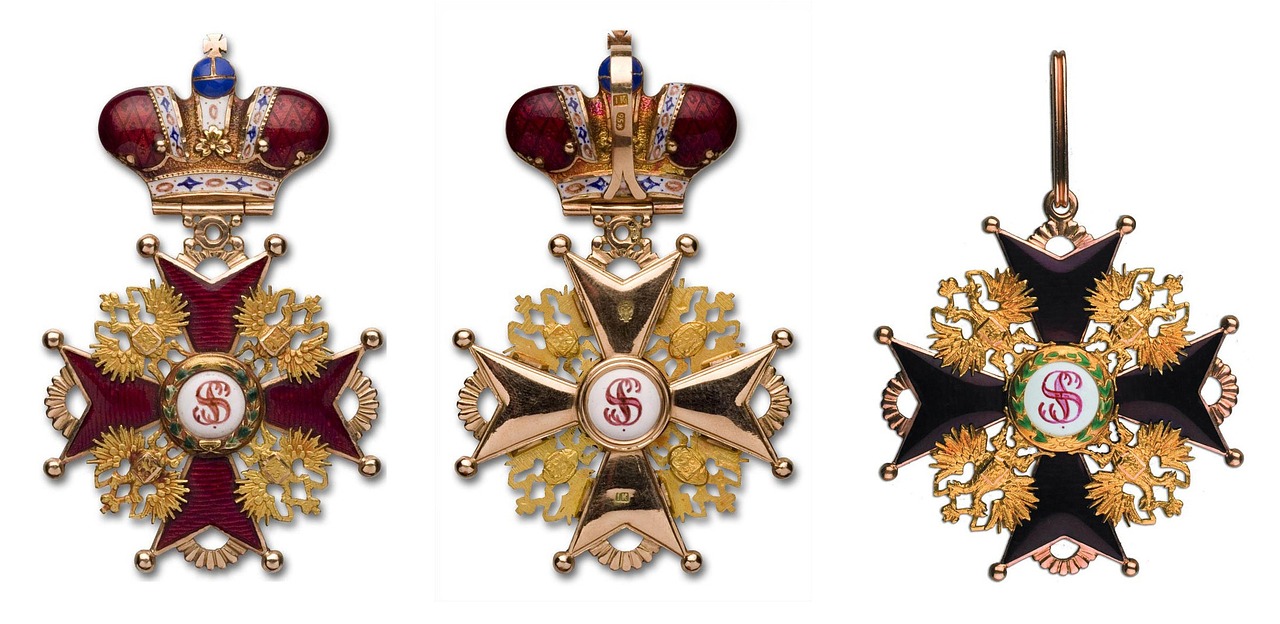
India's gold recycling market is enormous — the country has an estimated 25,000+ tonnes of above-ground gold stock, much of it in household jewellery. When families upgrade, consolidate, or need cash, this gold re-enters the market. Buying second-hand gold intelligently can deliver real savings — but the verification steps are non-negotiable. This guide covers everything from where to look to what to test.
Why Buy Second-Hand Gold?
The economics are simple: a new 22K gold necklace priced at ₹3,50,000 might consist of ₹2,80,000 of gold value and ₹70,000 of making charges. If you buy the same piece second-hand for ₹2,90,000, you save ₹60,000 — essentially getting a free making charge. For buyers primarily interested in gold as metal value, or for heirloom-quality designs they love, second-hand purchases make strong financial sense.
The catch: you need to verify what you're actually getting. The new-purchase chain at a certified jeweller with HUID gives you purity certainty; second-hand requires active verification.
Sources for Second-Hand Gold in India
1. Jeweller Exchange Counters
The safest and most common source. Major jewellery chains (Tanishq, Malabar, Kalyan, Jos Alukkas) have formal programmes where they buy old gold from the public at competitive rates. Some of this gold is remelted; some pieces in good condition are sold as "certified pre-owned" at their exchange counters or through dedicated refurbished jewellery programmes.
Benefits: the jeweller has already verified purity (they are buying at gold value — they check before they pay). Pieces resold via jeweller exchange typically carry new HUID hallmarks after re-assaying.
2. Online Platforms
OLX, Facebook Marketplace, and specialised resale platforms list pre-owned gold jewellery at every price point. The quality and authenticity range from genuine to fraudulent — approach with significant caution and do not send payment before physical inspection and testing.
3. Estate Sales and Auction Houses
For significant jewellery — particularly antique and vintage pieces — estate sales (often organised through auction houses) can surface exceptional finds. Major auction houses like Saffronart (online) and regional estate sale organisers handle significant jewellery inventories. Pieces are typically described with provenance details and often come with prior assay documentation.
4. Pawn Shops / Gold Loan NBFCs
Gold loan companies (Muthoot, Manappuram, others) occasionally sell forfeited jewellery when borrowers default. These pieces have typically been assayed for the loan — so purity is known. Availability is irregular and requires inquiry with local branches.
5. Classified Ads (Individual Sellers)
The highest-risk category. Benefits: potentially lowest prices if you find genuine sellers in financial need. Risks: purity fraud, stolen property, and scam operations. Never purchase from unknown individual sellers without verification steps, and always meet in a secure public location (not at your home).
Purity Verification: The Essential Steps
Never complete a second-hand gold purchase without at least one of these verifications:
Step 1: Visual Hallmark Check
Look for the BIS HUID — a six-character alphanumeric code (e.g., "AZ4B2C") stamped on the jewellery. This was mandatory for all new gold jewellery from April 2023. Pieces hallmarked before 2023 may carry the older BIS hallmark format (karatage symbol in a triangle or square). Old-format hallmarks are still valid purity indicators.
Verify HUID on the BIS Care app (free on Android/iOS): enter the code and confirm the karatage matches what the seller is claiming.
Step 2: Acid Test (at a Jeweller)
A quick nitric acid test by any jeweller reveals karatage with reasonable accuracy. The jeweller makes a small scratch on a non-visible part of the piece, applies a drop of acid, and observes the reaction colour. Takes 2 minutes; costs nothing at most jewellers if you are considering a purchase from them.
Step 3: XRF Testing (for High-Value Pieces)
X-ray fluorescence (XRF) testing is non-destructive and gives precise metal composition (e.g., "87.3% gold, 8.2% copper, 4.5% silver"). Available at BIS-licensed assay labs, some larger jeweller workshops, and dedicated testing labs. Typical cost: ₹200–₹500 per piece. For any purchase above ₹1 lakh, this is a worthwhile step.
Step 4: Weight Verification
Weigh the piece on a certified scale in your presence. Confirm the claimed weight. A 10-gram chain should weigh 10 grams — not 8 grams with a hollow interior counted as 10. Cross-reference with the price calculation at current gold rates.
Fair Price Calculation
For second-hand plain gold without major stone setting:
- Get the current 22K gold rate (check IBJA daily rates or major jeweller websites)
- Weigh the piece: net gold weight (gross weight minus stone weight if applicable)
- Calculate gold value: weight × current 22K rate
- Reasonable second-hand price: gold value × 0.90 to 0.97 (jeweller's 3–10% margin)
Example: 15-gram plain 22K chain. Current 22K rate: ₹7,200/gram. Gold value: 15 × 7,200 = ₹1,08,000. Fair second-hand price range: ₹97,200–₹1,04,760.
For pieces with significant design value (Kundan, antique, designer), the above formula understimates the piece's value. But for resale purposes, the stone value and making charges typically recover less than their original cost — be realistic about what you will pay vs what you could eventually resell for.
Getting Second-Hand Pieces Hallmarked
If you purchase a piece without HUID, you can take it to any BIS-licensed Hallmarking Centre for assay and hallmarking. The centre tests the piece, applies a new HUID, and returns it with a certificate. This adds to the piece's resale transparency and confirms the purity you paid for.
Find your nearest BIS Hallmarking Centre at bis.gov.in (search under Hallmarking Centre locator). Typical fee: ₹35–₹45 per article. Full HUID guide here.
Red Flags: When to Walk Away
- Price far below current gold rate. If a 20-gram chain is offered at ₹80,000 when gold alone would be worth ₹1,44,000 — something is wrong. Either the weight claim is false, the purity is below claimed karatage, or the piece is stolen.
- Seller refuses testing. Any legitimate seller of genuine gold will allow verification. Resistance to testing is a strong fraud indicator.
- No documentation whatsoever. For high-value pieces, the seller should be able to provide at least something — original purchase bill, inheritance document, or assay certificate.
- Stone-heavy pieces at high "gold" prices. Beware pieces with large stones sold at a gold weight price that implies the stones are free — either the stones are glass or the gold weight is misrepresented.
Conclusion
Second-hand gold jewellery is a legitimate and often financially smart category — especially for buyers who value the gold metal itself, want vintage designs, or are comfortable verifying purity independently. The keys: insist on hallmark or testing, calculate a fair price from gold rate, and buy from verified sources. Find jewellers on JewellersInCity who offer exchange and certified pre-owned programmes.
More in Buying Guides
Share this article
Our editorial team comprises jewellery industry veterans, certified gemmologists, and passionate writers with decades of combined experience across India's gold, diamond, and gemstone markets. Every article is researched, fact-checked, and written to help Indian buyers make smarter, safer jewellery decisions.
Passionate about jewellery and love to write? We'd love to hear from you.
Join us as a writer →Ready to buy? Find verified jewellers near you
Browse 10,000+ BIS hallmark certified jewellers across India. Compare ratings, check today's gold rate, and book a visit.
Keep Reading