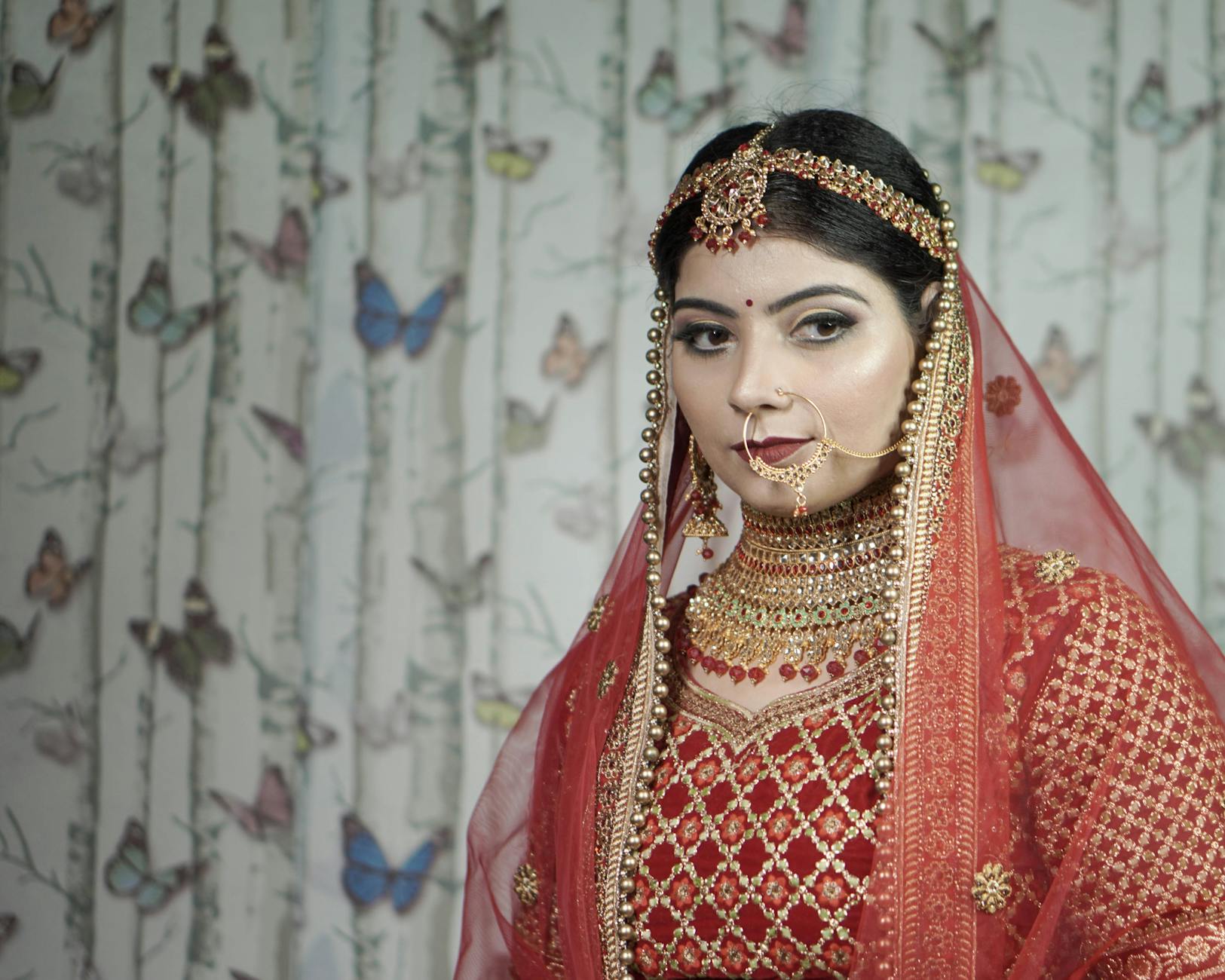
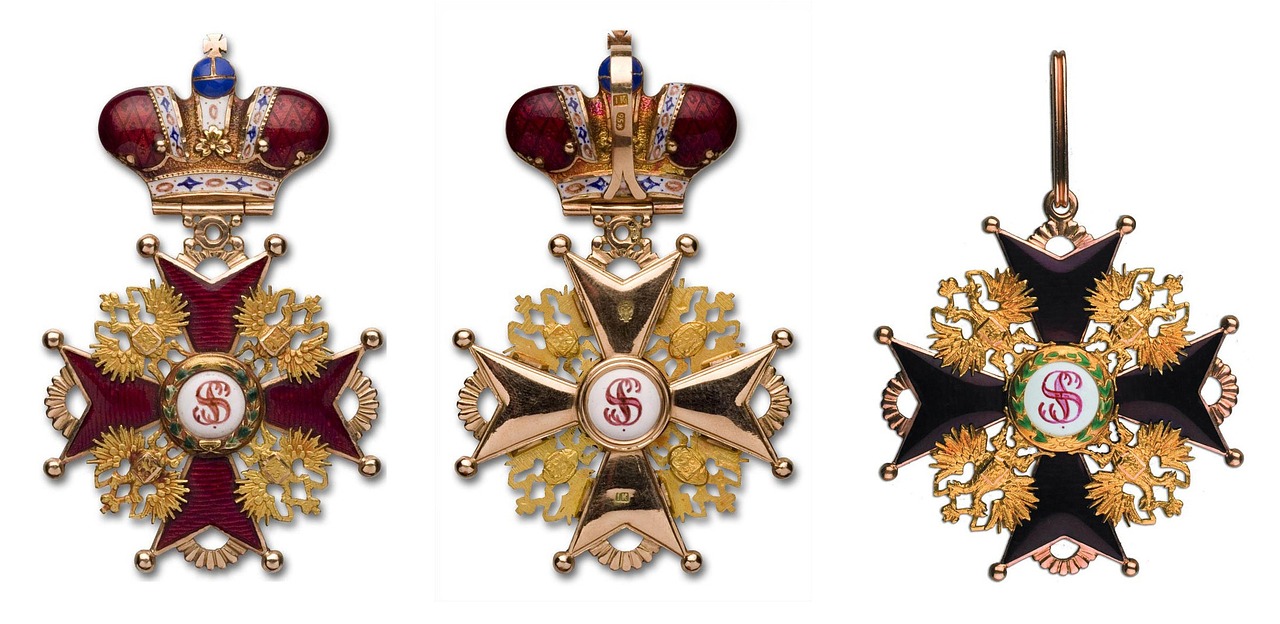
India's relationship with gold jewellery spans at least five thousand years, from the exquisitely crafted ornaments unearthed at Mohenjo-daro and Harappa to the temple treasures of Thanjavur and the legendary collections of the Nizam of Hyderabad. This unbroken heritage means that India possesses one of the richest repositories of antique and vintage gold jewellery anywhere in the world. Pieces from the Mughal courts, the Rajput kingdoms, the Maratha confederacy, the colonial era, and the early decades of independence survive in family collections, temple vaults, museum archives, and the bustling antique markets of Mumbai, Delhi, Jaipur, and Chennai.
For buyers, collectors, and inheritors of old jewellery, understanding the distinction between antique and vintage — and knowing how to identify, authenticate, and value these pieces — is both financially important and culturally enriching. An unmarked gold necklace found in a grandmother's locker could be a mass-produced piece from the 1980s worth its gold weight, or it could be a handcrafted masterwork from the 1880s worth many times its material value to the right collector.
This guide provides the knowledge you need to tell the difference, assess what you have, and navigate the Indian antique and vintage jewellery market with confidence.
Definitions: Antique, Vintage, Estate, and Retro
Clear definitions prevent confusion and help set appropriate expectations for value and collectibility.
Antique Jewelry (100+ Years Old)
Antique jewellery, by the widely accepted trade definition, is any piece that is at least 100 years old. In 2026, this means pieces made before 1926. The 100-year threshold is not arbitrary — it was established by the U.S. Customs Service for tariff purposes and has been adopted globally by auction houses, dealers, and collectors as the standard benchmark.
Antique gold jewellery from India encompasses an extraordinary range: Mughal-era pieces featuring Polki (uncut) diamonds and Kundan (foil-backed) stone setting, Rajasthani Meenakari enamel work, South Indian temple jewellery featuring images of deities, Bengali filigree, and Anglo-Indian hybrid pieces created during the British Raj that blend European and Indian design elements.
Vintage Jewelry (20–100 Years Old)
Vintage jewellery refers to pieces between 20 and 100 years old — made between approximately 1926 and 2006. This broad category encompasses numerous distinct design periods: Art Deco (1920s–1940s), Retro (1940s–1950s), Mid-Century Modern (1950s–1970s), and the eclectic styles of the 1980s and 1990s.
In the Indian context, vintage jewellery includes post-independence pieces that blend traditional Indian motifs with modern manufacturing techniques, the bold gold jewellery of the 1970s and 1980s (when India's gold market was heavily regulated and designs tended toward heavy, simple pieces), and the designer jewellery renaissance that began in the 1990s.
Estate Jewelry
Estate jewellery is simply pre-owned jewellery, regardless of age. A three-year-old ring purchased from an estate sale is estate jewellery but is neither vintage nor antique. The term is most commonly used in auction and resale contexts.
Retro Jewelry
Retro specifically refers to jewellery from the 1940s and 1950s. In the Western context, Retro pieces are characterised by large, bold, often mechanical designs using rose gold and large coloured gemstones. In India, this period produced interesting transitional pieces as traditional workshops began incorporating some modernist elements while maintaining fundamentally Indian design sensibilities.
Identification Methods: How to Date Gold Jewelry
Dating gold jewellery requires examining multiple characteristics simultaneously. No single feature is conclusive, but the convergence of several indicators can establish a reliable date range.
Construction Techniques
Handmade indicators: Before the widespread adoption of machine manufacturing in Indian jewellery (which occurred gradually from the 1960s onward), all pieces were entirely handcrafted. Look for slight asymmetries, tool marks, hand-soldered joints, and organic irregularities that betray the human hand. Machine-made pieces, by contrast, are perfectly uniform, with identical repeated elements and smooth, machine-finished surfaces. Casting methods: Lost-wax casting (Madhuchishtha Vidhana) has been used in India for millennia and produces characteristic surface textures. Modern centrifugal and vacuum casting, introduced in the late 20th century, produces denser, more uniform results. The casting method alone can narrow dating significantly. Stone setting techniques: Kundan (foil-backed) setting, used in Indian jewellery since at least the Mughal period, involves setting stones in gold foil rather than prongs. The quality and style of Kundan work has evolved over centuries, and experts can often date a piece within a few decades based on the foil work alone. Claw and prong settings in the Western style became common in Indian jewellery only in the 20th century.Hallmarks and Maker's Marks
| Mark Type | What It Tells You | Period |
|---|---|---|
| British colonial hallmarks | Origin, date, purity (sometimes) | Pre-1947 |
| Regional Indian marks (Kalasi, etc.) | Workshop or guild origin | Pre-1950 |
| BIS hallmark (old format) | Purity, assay centre | 2000 – 2021 |
| BIS hallmark with HUID | Purity, unique ID, date | 2021 – present |
| No marks at all | Pre-regulation or informal sector | Varies widely |
| Maker's punch or signature | Specific workshop or goldsmith | All periods |
Alloy Composition
The trace elements in gold alloys can provide dating clues. Pre-20th century Indian gold often has distinctive alloy compositions reflecting local metallurgical traditions — higher copper content in Rajasthani pieces, distinctive silver ratios in Tamil Nadu temple gold, and specific trace elements associated with particular gold sources. XRF analysis (non-destructive) can reveal these compositional signatures.
Design and Motif Analysis
Design elements serve as powerful dating indicators.
Mughal period (16th–18th century): Floral motifs (particularly roses, irises, and poppies), arabesque patterns, Polki diamond work, emerald and ruby accents, Kundan technique at its finest. Colonial era (18th–19th century): Hybrid designs combining Indian craftsmanship with European aesthetics, Anglo-Indian motifs, Victorian-era sentimental themes adapted with Indian materials. Art Deco (1920s–1940s): Geometric patterns, bold colour contrasts (emerald green with diamond white, ruby red with onyx black), streamlined forms. Post-independence (1947–1970s): Nationalist motifs (lotus, peacock, Ashoka chakra), simplified traditional forms, increasing standardisation. 1980s–1990s: Heavy, chunky gold designs, Italian-inspired chain styles, increasing use of machine manufacturing.Wear Patterns
Genuine antique and vintage pieces show characteristic wear patterns that are difficult to fake convincingly. Look for:
- Smooth, worn edges on frequently handled elements (clasps, chain links, ring shanks)
- Thinning at stress points (where a chain bends, where a bangle has been slid on and off)
- Micro-scratches consistent with decades of wear (not the deep, uniform scratches sometimes added to fake "aged" pieces)
- Patina in recessed areas where cleaning cloths cannot reach
Value Assessment: What Makes Old Jewelry Valuable
The value of antique and vintage gold jewellery is determined by the intersection of several factors, and understanding these is essential for both buyers and sellers.
The Value Equation
Material value (floor): The weight of gold multiplied by the current market rate for its purity. At April 2026 rates (₹7,750 per gram for 22K), a 50-gram antique necklace has a minimum material value of ₹3,87,500. This is the absolute floor — no piece is worth less than its melt value. Craftsmanship premium: Hand-executed techniques, particularly those that are no longer widely practised (fine Thewa work, detailed Meenakari, intricate filigree), add significant value. A piece demonstrating exceptional artisanal skill can command 2 to 5 times its material value. Age premium: Generally, older pieces command higher premiums, all else being equal. A pre-1850 piece is rarer and more historically significant than a 1950s equivalent. Provenance premium: Documented history of ownership, exhibition, or creation by a known maker adds substantial value. Well-documented provenance can multiply value by 3 to 10 times. Condition premium/discount: Original condition commands the highest prices. Restoration reduces value, though the degree of reduction depends on the quality and extent of restoration. Rarity premium: If few comparable pieces exist, value increases significantly. This is particularly relevant for pieces from defunct workshops or rare regional traditions.Valuation Comparison Table
| Piece Description | Gold Weight/Value (₹) | Estimated Market Value (₹) | Premium Multiple |
|---|---|---|---|
| 50g plain 22K chain, 1990s | 3,87,500 | 3,50,000 – 4,00,000 | ~1x (material only) |
| 50g 22K necklace, fine Kundan, 1920s | 3,87,500 | 8,00,000 – 12,00,000 | 2 – 3x |
| 50g 22K temple necklace, pre-1880 | 3,87,500 | 12,00,000 – 25,00,000 | 3 – 6x |
| 50g 22K Mughal-era necklace, documented | 3,87,500 | 25,00,000 – 75,00,000+ | 6 – 20x |
| 30g 22K ring, 1970s, no special features | 2,32,500 | 2,10,000 – 2,40,000 | ~1x |
| 30g 22K signet ring, Victorian era, crested | 2,32,500 | 5,00,000 – 10,00,000 | 2 – 4x |
Authentication: Protecting Yourself
The antique jewellery market, like any market involving high-value items and subjective assessments, attracts both honest dealers and bad actors. Authentication is your primary defence.
Professional Authentication
For any antique or vintage piece valued above ₹1,00,000, invest in professional authentication. Seek appraisers who specialise in the specific period and region of the piece. The Gemological Institute of India (GII), the Indian Institute of Gems and Jewellery (IIGJ), and specialist appraisers affiliated with auction houses like AstaGuru or Sotheby's can provide credible assessments.
A comprehensive authentication report should include: confirmation of materials (gold purity via XRF, gemstone identification via lab testing), estimated date range with supporting evidence, assessment of condition (original vs restored elements), comparison to known examples, and a current market value estimate.
DIY Authentication Checklist
Before seeking professional help, you can perform a preliminary assessment yourself.
Weight and feel: Genuine gold has a distinctive heft. A piece that feels lighter than expected for its size may be hollow, gold-plated, or a gold alloy with lower-than-claimed purity. Magnet test: Gold is not magnetic. If a piece responds to a strong magnet, it contains ferrous metals and is either gold-plated over a base metal or has iron components (some antique clasps used iron springs, so a magnetic response at the clasp alone may be normal). Visual examination under magnification: Use a 10x loupe to examine construction, solder joints, hallmarks, stone settings, and wear patterns. Fakes often reveal themselves under magnification through modern construction techniques, uniform machine marks, or implausibly perfect condition. Acid testing (professional only): Gold testing acid kits confirm purity by observing the reaction of a gold sample with nitric and hydrochloric acid. This is mildly destructive (a tiny scratch is required) and should only be performed by professionals on a discreet area.Common Fakes and Reproductions
| Fake Type | How to Identify | Prevalence |
|---|---|---|
| Modern Kundan sold as antique | Too-perfect foil work, modern alloy composition, no wear | Very common |
| Gold-plated base metal as solid gold | Light weight, green/black under plating at wear points | Common |
| Machine-made sold as handcrafted | Perfect uniformity, no tool marks, identical repeated elements | Common |
| New stones in old settings | Mismatched wear (old setting, bright new stone), modern cutting | Moderately common |
| Entirely fabricated "Mughal" pieces | Implausible provenance story, perfect condition, modern materials | Common in tourist areas |
| Genuine old pieces with upgraded stones | Check for setting disturbance, compare stone wear with metal wear | Occasional |
Common Eras and Styles in Indian Antique/Vintage Jewelry
Mughal Era (1526–1857)
Mughal jewellery represents the pinnacle of Indian goldsmithing. Techniques include Kundan (gold foil-backed gemstone setting), Jadau (embedding stones in gold), Meenakari (enamel work, often on the reverse side of Kundan pieces), and Polki (uncut, flat diamond) work. Materials were extravagant: diamonds from Golconda, emeralds from Central Asia, rubies from Burma, and pearls from the Persian Gulf. These pieces are exceedingly rare and valuable. Even fragmentary Mughal-era pieces command six to seven-figure prices at major auctions.
Rajput and Marwari Tradition (15th century onward)
Rajasthani jewellery traditions developed in parallel with Mughal aesthetics but maintained distinctive characteristics: heavier gold usage, bold Kundan work with large stones, vibrant Meenakari enamel in red, green, blue, and white, and specific ornament forms (Borla, Rakhdi, Timaniya, Aad). Pre-1920 Rajasthani pieces are highly collectible.
South Indian Temple Jewelry (Ancient tradition, peaked 17th–19th century)
Temple jewellery draws its motifs from Hindu iconography: deities, sacred symbols, mango (paisley) motifs, and lotus patterns. Made in heavy 22K gold with rubies, emeralds, and pearls, these pieces were originally created for temple deities and later adopted for bridal wear. Antique temple jewellery from the Chola, Vijayanagara, and Nayak periods is exceptionally rare and valuable.
Anglo-Indian Colonial Era (1757–1947)
The colonial period produced a fascinating hybrid aesthetic. British residents and Indian royalty commissioned pieces that combined Indian craftsmanship with European design sensibilities. Pieces from this era may feature European-style cuts and settings executed in Indian workshops, or Indian motifs adapted for Western jewellery forms. The Maharaja commissions from Cartier, Van Cleef & Arpels, and Boucheron during the Art Deco period represent some of the most valuable jewellery ever created.
Post-Independence Modern (1947–1980)
The post-independence period saw Indian goldsmithing navigate between tradition and modernity. Designers like the early Amrapali founders drew on Rajasthani heritage while simplifying forms for modern wear. South Indian temple jewellery was adapted into lighter, more wearable versions. The Gold Control Act of 1968 (repealed in 1990) restricted gold jewellery manufacturing and shaped the market for two decades, pushing production toward heavier, simpler pieces that maximised gold content with minimal making charges.
The Indian Antique Jewelry Market in 2026
Market Size and Growth
The Indian antique and vintage jewellery market is estimated at ₹5,000 to ₹8,000 crore in 2026, growing at approximately 15 to 20 percent annually. Growth is driven by increasing collector interest, rising gold prices (which lift the floor value of all gold jewellery), greater access to information through the internet, and the emergence of professional auction platforms.
Key Market Hubs
| City | Speciality | Key Markets/Dealers |
|---|---|---|
| Mumbai | All categories, auctions | Chor Bazaar, Zaveri Bazaar, AstaGuru auctions |
| Jaipur | Kundan, Meenakari, Mughal | Johari Bazaar, Gem Palace, Amrapali heritage |
| Delhi | Mughal, colonial, North Indian | Kinari Bazaar, Sundar Nagar antique market |
| Chennai | Temple jewelry, South Indian | Mylapore, T. Nagar heritage dealers |
| Hyderabad | Nizami, pearl, Bidri work | Laad Bazaar, Charminar area |
| Kolkata | Bengali filigree, Art Deco | New Market, Gariahat antique shops |
Pricing Trends
Antique gold jewellery has consistently outperformed plain gold as an investment over the past decade. While gold prices rose approximately 120 percent in INR terms from 2016 to 2026, quality antique pieces from recognised traditions (Mughal, Rajasthani, Temple) appreciated 200 to 400 percent in the same period, reflecting growing collector demand against fixed supply.
Buying Guide: Practical Steps
Step 1: Educate Yourself
Before entering the market, study the periods, styles, and techniques that interest you. Visit museums — the National Museum in Delhi, the Salar Jung Museum in Hyderabad, the Government Museum in Chennai, and the Albert Hall Museum in Jaipur all have significant jewellery collections. Read reference books. Attend auction previews. Handle as many pieces as possible to develop a tactile sense for genuine old gold.
Step 2: Start Small
Begin with affordable pieces — vintage items in the ₹20,000 to ₹1,00,000 range — to develop your eye and your confidence without risking large sums. As your knowledge grows, gradually move into higher-value acquisitions.
Step 3: Build Relationships
The antique jewellery market runs on relationships and reputation. Identify reputable dealers, attend regularly, ask questions, and make small purchases to establish trust. Over time, dealers will offer you first access to significant pieces and more honest assessments of condition and value.
Step 4: Always Authenticate
Never rely solely on a seller's claims. For pieces above ₹1,00,000, invest in independent authentication. The cost of an appraisal (₹1,000 to ₹5,000) is negligible compared to the risk of purchasing a fake or overvalued piece.
Step 5: Negotiate Wisely
Antique jewellery pricing is negotiable in bazaars and with independent dealers (less so at auction). A good negotiating strategy is to have your own assessment of fair value before engaging, to walk away if the price exceeds your limit, and to make offers based on specific observations about condition, provenance gaps, or comparable pieces you have seen elsewhere.
Buying Cost Comparison
| Source | Price Premium Over Value | Authentication Included | Return Policy |
|---|---|---|---|
| Major auction (Sotheby's, AstaGuru) | 15 – 30% (buyer's premium) | Yes | Limited |
| Established heritage dealer | 20 – 40% | Usually | Negotiable |
| Bazaar dealer (reputable) | 10 – 25% | No | Rarely |
| Online platform | 15 – 35% | Varies | Usually 7–14 days |
| Private sale / estate | 0 – 15% | No | None |
Frequently Asked Questions
1. How can I tell if my grandmother's gold jewelry is antique or just old?
The key is the 100-year threshold. If the piece was made before 1926, it qualifies as antique. Look for handmade construction (tool marks, slight irregularities, hand-soldered joints), absence of modern hallmarks, and design motifs consistent with pre-1926 styles. Family records, old photographs showing the piece being worn, and family oral history can help establish approximate age. For definitive dating, consult a specialist appraiser.
2. Is antique gold jewelry more valuable than new jewelry of the same weight?
It can be, significantly so. While a plain, undistinguished vintage chain may trade near its gold weight value, an antique piece with fine craftsmanship, identifiable regional style, or historical significance can command 2 to 20 times its material value. The premium depends on age, craftsmanship, rarity, provenance, and condition.
3. Should I melt down old jewelry that has no antique value?
If a piece is genuinely without aesthetic, sentimental, or collectible value — a broken chain, an outdated design with no craft distinction — melting and recasting is a practical option. You recover the gold value and can have it made into something you will actually wear. However, always have old pieces assessed by a knowledgeable person before melting. Many families have unknowingly melted down valuable antiques for their gold weight alone.
4. Where is the best place to buy antique gold jewelry in India?
Jaipur's Johari Bazaar and specialist dealers like Gem Palace offer the strongest selection of Kundan, Meenakari, and Rajasthani antiques. Mumbai's Chor Bazaar and Zaveri Bazaar cover a wider range. Delhi's Sundar Nagar market features high-end dealers. Chennai's Mylapore area specialises in temple jewellery. For authenticated pieces with provenance, auction houses like AstaGuru are the safest option, though prices include buyer's premiums.
5. How do I care for antique gold jewelry?
Handle minimally and gently. Clean with lukewarm water and a very soft brush — never use chemicals, ultrasonic cleaners, or polishing compounds on antique pieces. Store in individual soft pouches in a climate-controlled environment. Avoid wearing antique pieces for strenuous activities. If repairs are needed, seek a conservator who specialises in antique jewellery rather than a regular jeweller, who may inadvertently damage historical features.
6. Can antique jewelry be worn daily?
Some antique pieces are robust enough for regular wear — heavy gold kadas, solid gold rings, and well-made chains, for example. Delicate pieces with enamel work, Kundan stone settings, or fragile links are better reserved for occasional wear. As a general rule, if a piece has survived 100+ years, it is structurally sound, but daily wear will inevitably accelerate the aging process.
7. What makes Mughal-era jewelry so expensive?
Mughal-era pieces combine exceptional craftsmanship (Kundan, Jadau, and Meenakari at their historical peak), rare materials (Golconda diamonds, Badakhshan spinels, natural Basra pearls), historical significance (association with one of history's great empires), and extreme scarcity (fewer surviving pieces each year). A single Mughal-era jewel sold at Christie's in 2023 for over USD 4 million.
8. How does the Gold Control Act affect vintage jewelry?
The Gold Control Act (1968–1990) restricted gold jewellery manufacturing and dealer licensing in India. Pieces from this era tend to be heavier and simpler, as consumers prioritised gold weight over design complexity. The Act also pushed some gold activity underground, meaning pieces from this period may lack documentation. The Act's repeal in 1990 opened the market and spurred the design renaissance of the 1990s and 2000s.
9. Are Victorian-era Indian pieces valuable?
Victorian-era (1837–1901) Indian pieces are highly collectible, particularly Anglo-Indian hybrid designs that reflect the cultural exchange of the colonial period. Pieces commissioned by British residents from Indian workshops, or Indian pieces adapted for Western taste, are sought by collectors worldwide. Quality Victorian-era Indian pieces command ₹2,00,000 to ₹20,00,000+ depending on quality and provenance.
10. How do I sell antique jewelry for the best price?
For pieces with genuine antique value (as opposed to mere gold weight), auction houses typically achieve the best prices because they reach the widest audience of qualified collectors. AstaGuru, Sotheby's (for high-value pieces), and specialist dealers are the primary channels. Avoid selling antique pieces to regular jewellers or gold buyers, who will typically offer only scrap value and miss the collectible premium entirely.
11. Is there a risk of buying stolen antique jewelry?
Yes, and due diligence is essential. Request provenance documentation for any significant purchase. Be wary of pieces offered at suspiciously low prices, sold hurriedly, or with implausible origin stories. In India, the Antiquities and Art Treasures Act (1972) regulates the sale of antiquities, and pieces classified as "antiquities" under this Act require registration. Auction houses conduct provenance checks, which provides an additional layer of protection.
12. Can modern jewellers replicate antique techniques?
Some traditional techniques (Kundan, Meenakari, filigree) continue to be practised by skilled karigars in cities like Jaipur, Hyderabad, and Kolkata. These artisans can create pieces in antique styles with impressive fidelity. However, the subtle differences — in gold composition, tool marks, patina, and overall "feel" — distinguish genuine antiques from reproductions. Modern reproductions in antique styles can be beautiful and valuable in their own right, but they should not be priced or represented as genuine antiques.
Conclusion
Antique and vintage gold jewellery is where India's magnificent goldsmithing heritage meets the practical realities of investment, authentication, and modern collecting. Whether you have inherited old pieces and want to understand their value, or you are actively building a collection of historical Indian jewellery, the rewards are immense — both financial and cultural. Every antique piece you preserve is a fragment of India's artistic history saved from the melting pot.
Discover jewellers specialising in antique and heritage pieces through our store finder, check current gold rates to understand material values, and use our jewellery calculators to assess the gold content of pieces in your collection.
Published: April 2026 | Category: Antique Jewelry | Last Updated: April 9, 2026
More in Buying Guides
Share this article
Our editorial team comprises jewellery industry veterans, certified gemmologists, and passionate writers with decades of combined experience across India's gold, diamond, and gemstone markets. Every article is researched, fact-checked, and written to help Indian buyers make smarter, safer jewellery decisions.
Passionate about jewellery and love to write? We'd love to hear from you.
Join us as a writer →Ready to buy? Find verified jewellers near you
Browse 10,000+ BIS hallmark certified jewellers across India. Compare ratings, check today's gold rate, and book a visit.
Keep Reading