India has one of the world's richest traditions of jewellery making, spanning thousands of years and dozens of distinct regional styles. Antique and vintage jewellery from this heritage carries not just precious metal value but historical, cultural, and artistic value that can make a piece worth many times its weight in gold. Yet the antique jewellery market in India is also fraught with fakes, misrepresentations, and overpriced mediocrity. This comprehensive guide gives you the knowledge to seek out genuine pieces, authenticate them, and buy with confidence.
Defining Antique, Vintage, and Estate Jewellery
These terms are frequently misused by sellers. Understanding the precise definitions helps you evaluate claims and set appropriate price expectations.
- Antique jewellery: Generally defined as 100 or more years old. In the Indian context, this includes Mughal-era pieces, Colonial period (British Raj) jewellery from the 19th century, and pre-Independence temple jewellery. True antiques from India are increasingly rare and valuable.
- Vintage jewellery: Typically defined as 20–99 years old. In India, this includes Art Deco pieces from the 1920s–1940s, mid-century traditional jewellery from the 1950s–1970s, and early post-Independence regional styles.
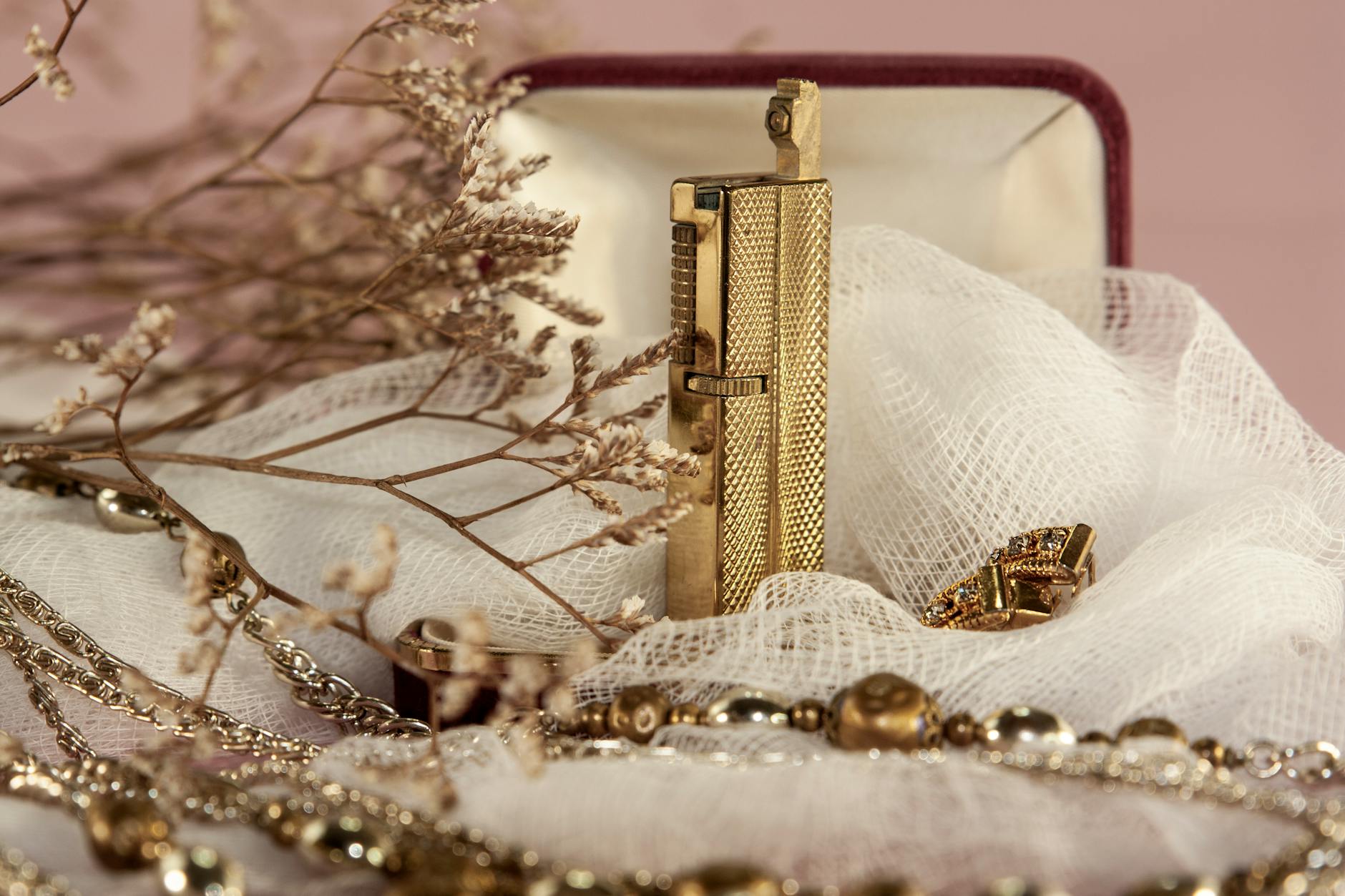
- Estate jewellery: A term for any pre-owned jewellery, regardless of age. An "estate piece" from 2005 is simply second-hand jewellery. The term carries no inherent age implication and is sometimes used loosely by sellers to imply age that does not exist.
Major Indian Antique Jewellery Styles
| Style | Period | Key Characteristics | Notable Materials |
|---|---|---|---|
| Mughal | 16th–19th C | Meenakari enamel, floral motifs, Kundan setting | Gold, rubies, emeralds, diamonds, enamel |
| Temple Jewellery | 17th–20th C | Deity motifs, repoussé work, sacred iconography | 22K gold, rubies, pearls |
| Victorian Indian | 1837–1901 | Western motifs with Indian craftsmanship, mourning jewellery, lockets | Gold, seed pearls, hair inclusions, enamel |
| Art Nouveau | 1890–1915 | Organic flowing forms, nature motifs, plique-à-jour enamel | Gold, silver, enamel, opals, moonstones |
| Art Deco | 1920–1940 | Geometric patterns, bold contrasts, platinum and white gold settings | Platinum, diamonds, onyx, coral, jade |
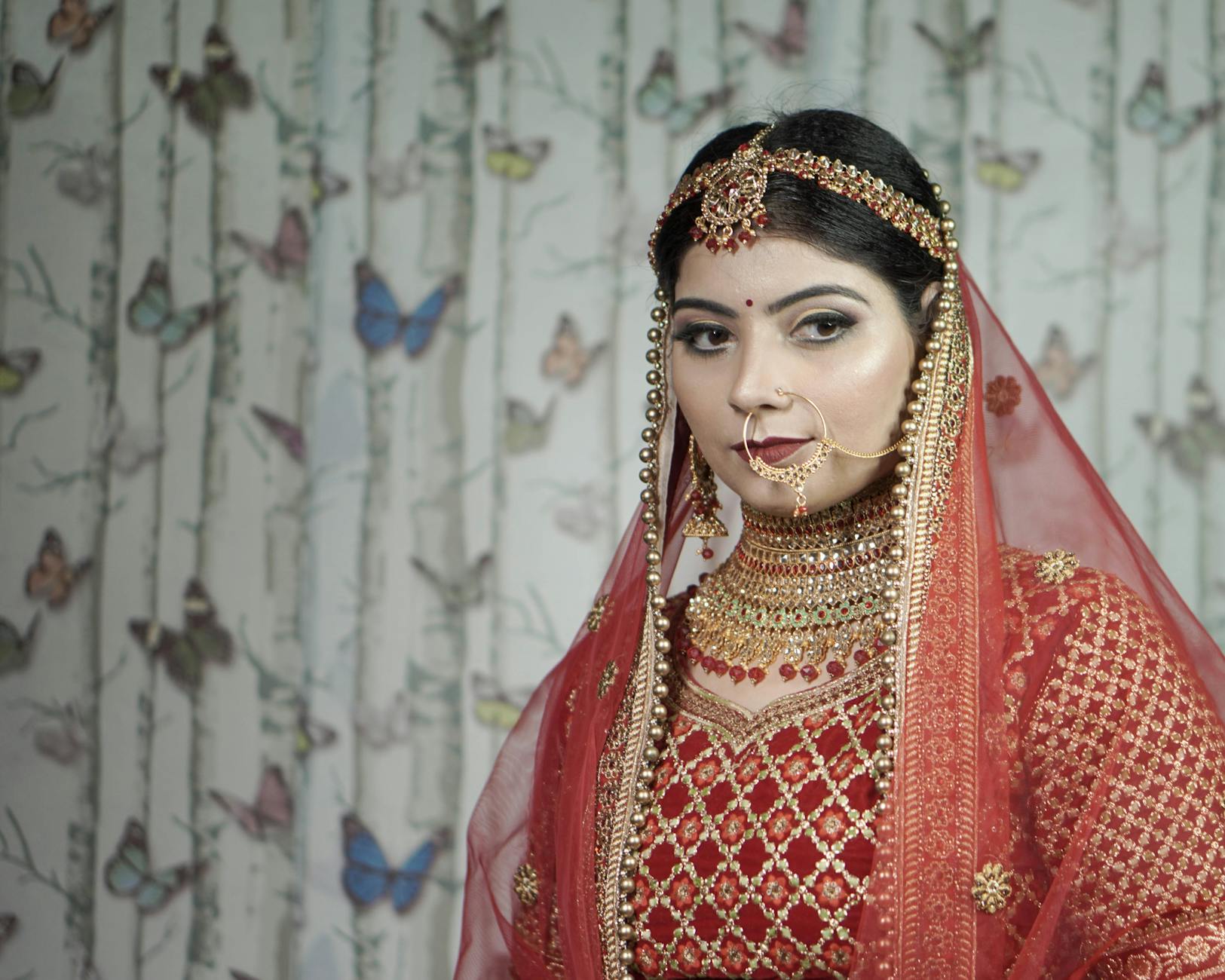
| Nizam Hyderabadi | 18th–20th C | Elaborate pearl work, Satlada necklaces, Jadau setting | Natural pearls, diamonds, rubies, emeralds |
| Rajput / Rajasthani | 16th–20th C | Bold chunky forms, lac inlay, mirror work, strong Kundan | Gold, uncut diamonds, rubies, lac, enamel |
How to Authenticate Antique Jewellery
1. Examine the Hallmarks and Maker's Marks
Pre-BIS-era Indian jewellery rarely carries standardised hallmarks. British colonial-era pieces may carry Birmingham Assay Office marks, British date letters, or maker's marks — these are detailed and trackable in reference books on British hallmarks. Indian pieces prior to 2000 may have jeweller's own stamps or state assay marks from princely states. The absence of a BIS hallmark does not make a piece fake — it may simply predate modern requirements — but the presence of a fake BIS mark on a supposedly antique piece is a serious red flag.
2. Assess the Patina and Wear Patterns
Genuine antique jewellery develops patina (a natural oxidisation layer) in recessed areas that cannot be replicated artificially with convincing uniformity. The patina should be darker in engraved grooves and recesses and lighter on high points. Wear patterns from decades of use should appear at contact points — the backs of rings, the clasp mechanisms, the bale of a pendant where a chain runs through. Artificially "aged" pieces often show uniform artificial darkening without logical wear patterns.
3. Evaluate Craftsmanship Techniques
Different eras used different construction techniques. Pre-1940s pieces will show hand-fabricated elements — slightly irregular scrollwork, hand-cut stones that are not perfectly uniform, soldering points that show a craftsman's hand. Post-1950s pieces increasingly show machine-cut regularity. Mughal Kundan jewellery uses foil-backed uncut stones (polkis) set in high-carat gold with lac filling — a technique that takes years to master and produces characteristic surface textures. Modern reproductions in this style cut corners that an expert can identify immediately.
4. Check Stones for Period-Appropriate Types
Truly antique Indian pieces will not contain lab-grown diamonds, synthetic rubies, or cubic zirconia — these were unavailable in earlier centuries. Mughal jewellery uses polki (uncut natural) diamonds and natural rubies, emeralds, and sapphires. If a "Mughal-era" piece contains well-matched, faceted round brilliant diamonds, it is not from the Mughal era. Victorian pieces used rose-cut and old mine-cut diamonds with seed pearls. Art Deco used old European cut diamonds.
5. Request Provenance Documentation
Provenance — the documented history of a piece's ownership — is the gold standard for antique authentication. Even partial provenance (a family photograph from the 1940s showing the piece, an old insurance valuation, a mention in family records) adds significant authenticity and value. Reputable auction houses like Christie's, Sotheby's, and Pundole's always document provenance for high-value antique Indian pieces. The absence of provenance is not disqualifying for privately traded pieces, but a seller claiming high antique value for a piece with zero documentation deserves scepticism.
Where to Buy Authentic Antique Jewellery in India
Government Emporiums and State Craft Centres
State government emporiums — the Central Cottage Industries Emporium in Delhi, Cauvery Crafts in Bengaluru, Poompuhar in Chennai — carry authenticated traditional and some antique pieces. While these do not always stock true antiques, the quality control is reliable and you are assured of authentic craftsmanship. Prices are typically fair and non-negotiable.
Established Antique Markets
Chor Bazaar in Mumbai's Mutton Street area is India's most famous antique market, with several reputable dealers specialising in vintage and antique jewellery alongside curiosities. Dilli Haat and Janpath Market in Delhi have sellers with regional pieces. Secunderabad's Laad Bazaar in Hyderabad is famous for lac jewellery and traditional Hyderabadi pieces. These markets require knowledge — bargaining is expected and prices for the uninformed are inflated significantly.
Heritage Jewellers with Antique Divisions
Established heritage jewellers in cities like Jaipur, Hyderabad, and Mumbai sometimes maintain antique collections alongside their contemporary stock. Amrapali in Jaipur, for instance, is internationally known for its collection of antique and reproduced tribal and Mughal-style jewellery. These dealers typically offer better authentication guarantees and more transparent pricing than market bazaars.
Auction Houses
For high-value antique jewellery above ₹5 lakh, auction houses offer the best combination of expert authentication and transparent price discovery. Saffronart, Pundole's, and the Indian arms of Christie's and Bonhams regularly feature significant antique Indian jewellery in their fine art and jewellery sales. Auction house specialists have examined thousands of pieces and their authentication carries serious weight. Buyer's premiums of 15–20% apply, but the peace of mind is worth it for significant purchases.
Pricing Antique Jewellery
Antique jewellery pricing is multidimensional. The base is always the intrinsic value — weight of precious metal at market rate plus stone values. Above this base, a rarity and historical significance premium is added, which can range from 50% above intrinsic value for modest estate pieces to 500–2,000% above intrinsic value for historically significant or rare pieces.
Key factors driving the premium above intrinsic value:
- Age and period authenticity (genuinely 150+ years old commands the highest premium)
- Regional rarity (Nizam-era pieces are far rarer than generic Victorian gold)
- Condition (original clasps, unrestored enamel, original stones = premium; heavy restoration = discount)
- Provenance quality (royal collection provenance can multiply value 5–10x)
- Completeness of a set (a matched parure of necklace, earrings, and bracelet is worth more than the sum of individual pieces)
- Art historical significance (pieces that appear in reference books, museum exhibitions, or auction records)
Restoration: When It Helps and When It Hurts Value
Antique jewellery restoration is a nuanced topic. A piece that has become structurally unsound (broken clasp, cracked setting, missing prongs) benefits from careful restoration by a specialist in antique techniques. However, aggressive cleaning, polishing, or modernisation of settings significantly devalues antique pieces by destroying the evidence of age and the patina that collectors prize.
The guiding principle in the antique world is "minimum intervention." Clean a piece enough to be wearable; preserve evidence of age wherever possible. A piece restored to look new is not an antique anymore — it is a repaired antique, and the distinction matters to serious collectors and future resale value.
Insuring Antique Jewellery
Antique jewellery requires specialist insurance separate from standard household valuables coverage. Standard policies reimburse replacement cost (the cost of a new comparable item), which is meaningless for a unique antique. You need agreed-value coverage — where the insurer agrees upfront to pay a specified amount (supported by a professional valuation certificate) regardless of market movements.
Get a professional valuation from a certified gemologist (FGA — Fellow of the Gemmological Association) or a qualified antique jewellery appraiser at least every 5 years, as antique values can change substantially. Insurers in India who offer this type of coverage include New India Assurance and National Insurance with their "all-risk" jewellery policies.
Frequently Asked Questions
How do I know if a piece is genuinely antique or a reproduction?
Key indicators of genuine antique status include: authentic patina in recessed areas, hand-crafted irregularities, period-appropriate stone types (polki diamonds, old mine-cut diamonds, no lab-grown stones), construction techniques consistent with the claimed era, and provenance documentation. For valuable pieces, commission an independent expert appraisal from an FGA-qualified gemologist.
Is antique jewellery a good investment in India?
High-quality antique Indian jewellery from documented sources has shown strong appreciation over decades — particularly Mughal, Nizam-era, and authenticated royal provenance pieces. However, it is an illiquid asset. Finding buyers willing to pay the full antique premium at the time you want to sell is uncertain. Treat antique jewellery as primarily a cultural and aesthetic investment with potential financial upside, not as a guaranteed financial instrument.
Can I export antique jewellery from India?
Items over 100 years old are classified as antiques under India's Antiquities and Art Treasures Act 1972 and typically require an export permit from the Archaeological Survey of India. Attempting to export genuine antiques without proper documentation is a criminal offence. Items under 100 years old can generally be exported under standard customs rules with appropriate documentation of purchase.
Where is the best place to sell genuine antique Indian jewellery?
For maximum value, consign to a reputable auction house like Pundole's, Saffronart, or Bonhams India. They attract serious collectors willing to pay full premium. For faster liquidity with slightly lower prices, established heritage jewellers in Jaipur or Mumbai who deal in antiques will make direct purchase offers. Avoid general second-hand jewellery buyers who will only offer intrinsic metal value.
Are temple jewellery pieces from South India genuinely old?
Most "temple jewellery" sold in retail today is contemporary reproduction work crafted in traditional styles, primarily in Tamil Nadu (Chennai, Nagercoil). These are legitimate artistic products and excellent quality can be found, but they are not antique. Genuinely antique temple pieces donated to or decommissioned from actual temples are exceedingly rare and would not typically appear in retail shops.
More in Buying Guides
Share this article
Our editorial team comprises jewellery industry veterans, certified gemmologists, and passionate writers with decades of combined experience across India's gold, diamond, and gemstone markets. Every article is researched, fact-checked, and written to help Indian buyers make smarter, safer jewellery decisions.
Passionate about jewellery and love to write? We'd love to hear from you.
Join us as a writer →Ready to buy? Find verified jewellers near you
Browse 10,000+ BIS hallmark certified jewellers across India. Compare ratings, check today's gold rate, and book a visit.
Keep Reading