Gold is woven into India's identity in a way that is unlike any other country on earth.
India consumes 700–900 tonnes of gold every year — roughly 25% of global demand — and holds an estimated 25,000 tonnes in private household storage.
This isn't just sentiment: gold is financial security, cultural ritual, and aesthetic tradition rolled into one metal.
This guide explains everything you need to understand about gold before you buy: purity, pricing, forms, and the right questions to ask your jeweller.
Gold Purity: What the Numbers Really Mean
Gold purity is measured in karats (K) or in millesimal fineness (parts per thousand). The two systems express the same thing differently:
| Karat | Fineness (BIS Mark) | Gold Content | Common Use in India |
|---|---|---|---|
| 24K | 999 | 99.9% | Coins, bars, investment; too soft for jewellery |
| 23K | 958 | 95.8% | Very rare; specialist use |
| 22K | 916 | 91.6% | Most Indian jewellery — traditional sets, bangles, chains |
| 18K | 750 | 75.0% | Diamond-set jewellery, contemporary designs |
| 14K | 585 | 58.5% | Export jewellery, daily-wear for active lifestyles |
| 9K | 375 | 37.5% | Uncommon in India; popular in UK/Australia |
The remaining percentage in each alloy is other metals — typically silver, copper, zinc, or palladium depending on the intended colour and properties.
A 22K gold piece is 91.6% gold and 8.4% alloy metals.
The alloying metals affect the colour: more copper gives a slightly reddish tint (some traditional 22K Indian jewellery has this warm tone), while more silver gives a paler, greener cast.
Why 22K Dominates Indian Jewellery
22K (916) gold is the Indian standard because it strikes a balance between purity (and therefore resale value) and workability.
Pure 24K gold is too soft to hold gemstone settings and scratches easily. 18K is harder but has lower gold content.
At 22K, artisans can work the metal into complex traditional designs while maintaining the high gold content that gives Indian jewellery its characteristic warmth and resale confidence.
How Gold Rates Are Set in India
The gold price you see quoted in India is derived from a chain of global and local factors:
International Price (LBMA / COMEX)
The London Bullion Market Association (LBMA) publishes a benchmark gold price in US dollars per troy ounce twice daily.
This is the global reference point from which all national prices are derived. The COMEX exchange in New York also trades gold futures, which influence spot prices.
Dollar-Rupee Exchange Rate
Since gold is priced in USD globally, every rupee-dollar movement affects the Indian gold price directly.
When the rupee weakens against the dollar, the gold price in rupees rises — even if the global dollar price is unchanged.
This is why Indian gold prices sometimes move significantly on days when there's no international gold market movement.
Import Duty
India charges customs duty on gold imports. As of 2026, the effective import duty is approximately 15% (including agriculture infrastructure cess and other levies).
This duty creates a floor below which Indian retail gold cannot fall — making Indian gold consistently more expensive than international spot price alone would suggest.
MCX India
The Multi Commodity Exchange (MCX) in India is where most domestic gold trading occurs.
MCX gold prices are the benchmark that Indian jewellers and banks use for daily pricing. You can check the live MCX gold rate on MCX's website or through financial apps.
Making Charges and GST
On top of the metal price, you pay making charges (₹300–₹4,000/gram depending on design complexity) and GST at 3% on the total purchase value.
Making charges are non-recoverable on resale — this is the "processing cost" of turning raw gold into jewellery.
Forms of Gold: What Can You Actually Buy?
Jewellery
The most emotionally satisfying and culturally ingrained form.
Gold jewellery gives you something beautiful to wear while holding the metal's value, but the making charges reduce investment efficiency.
Coins and Bars
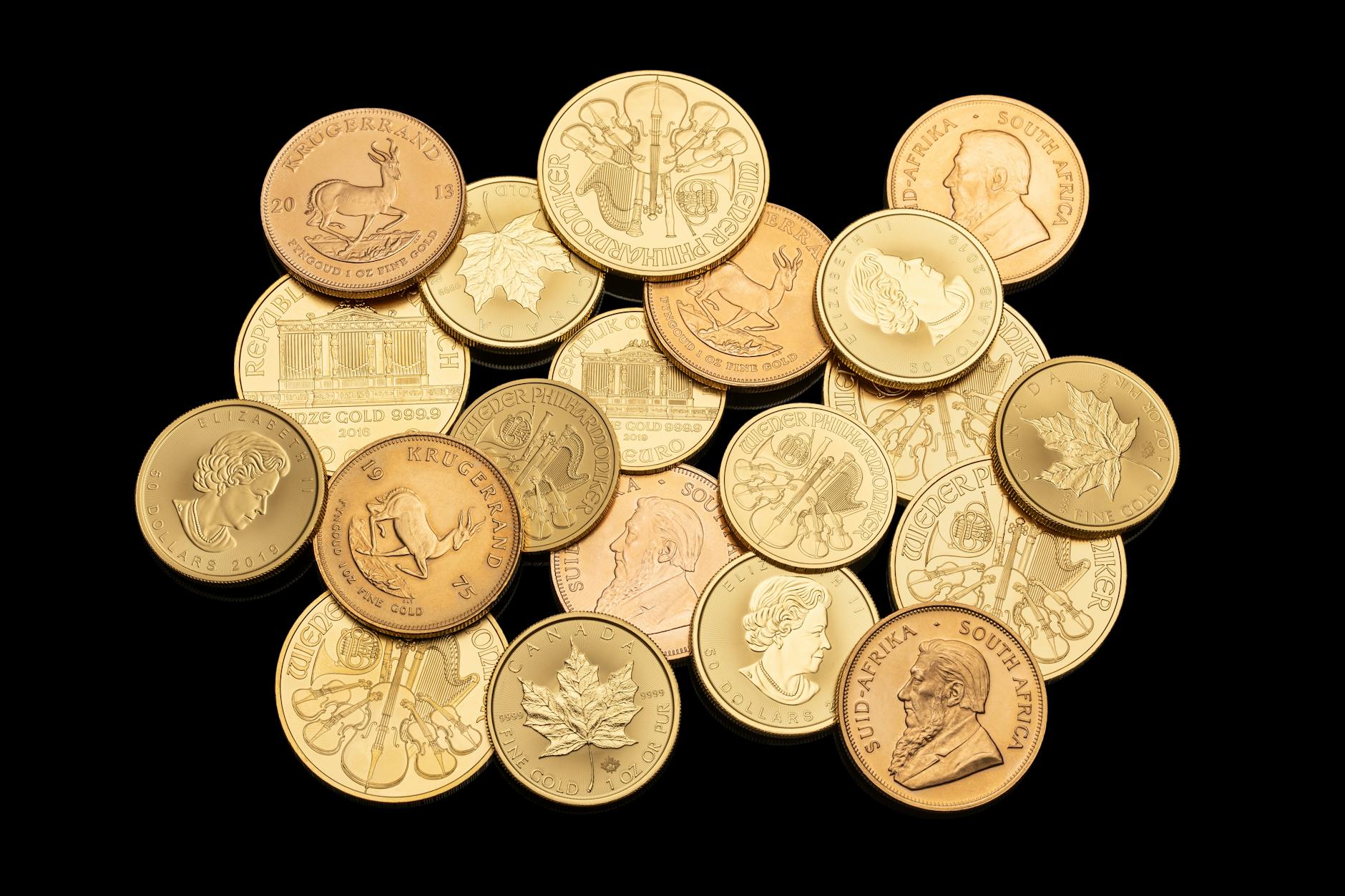
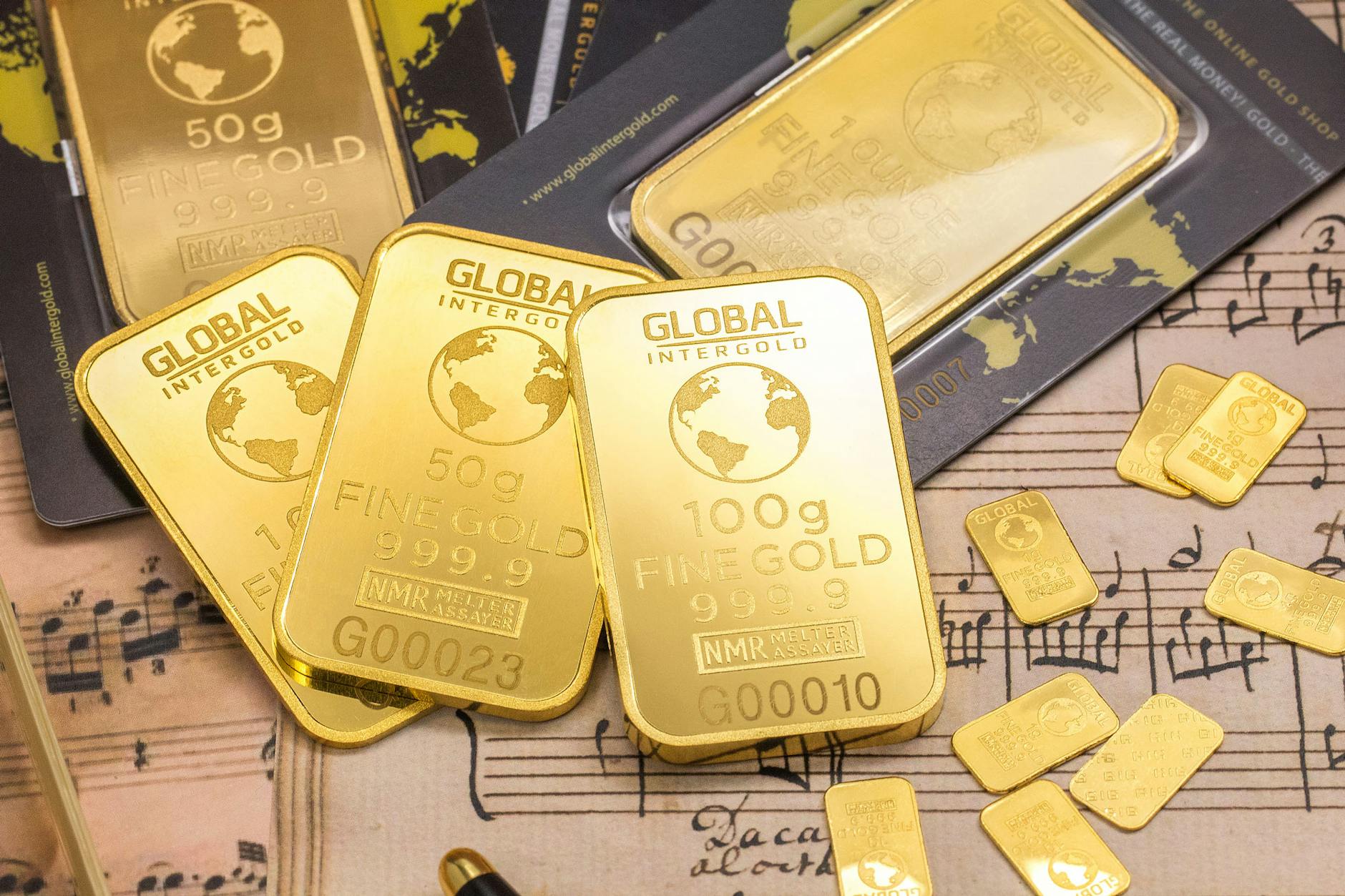
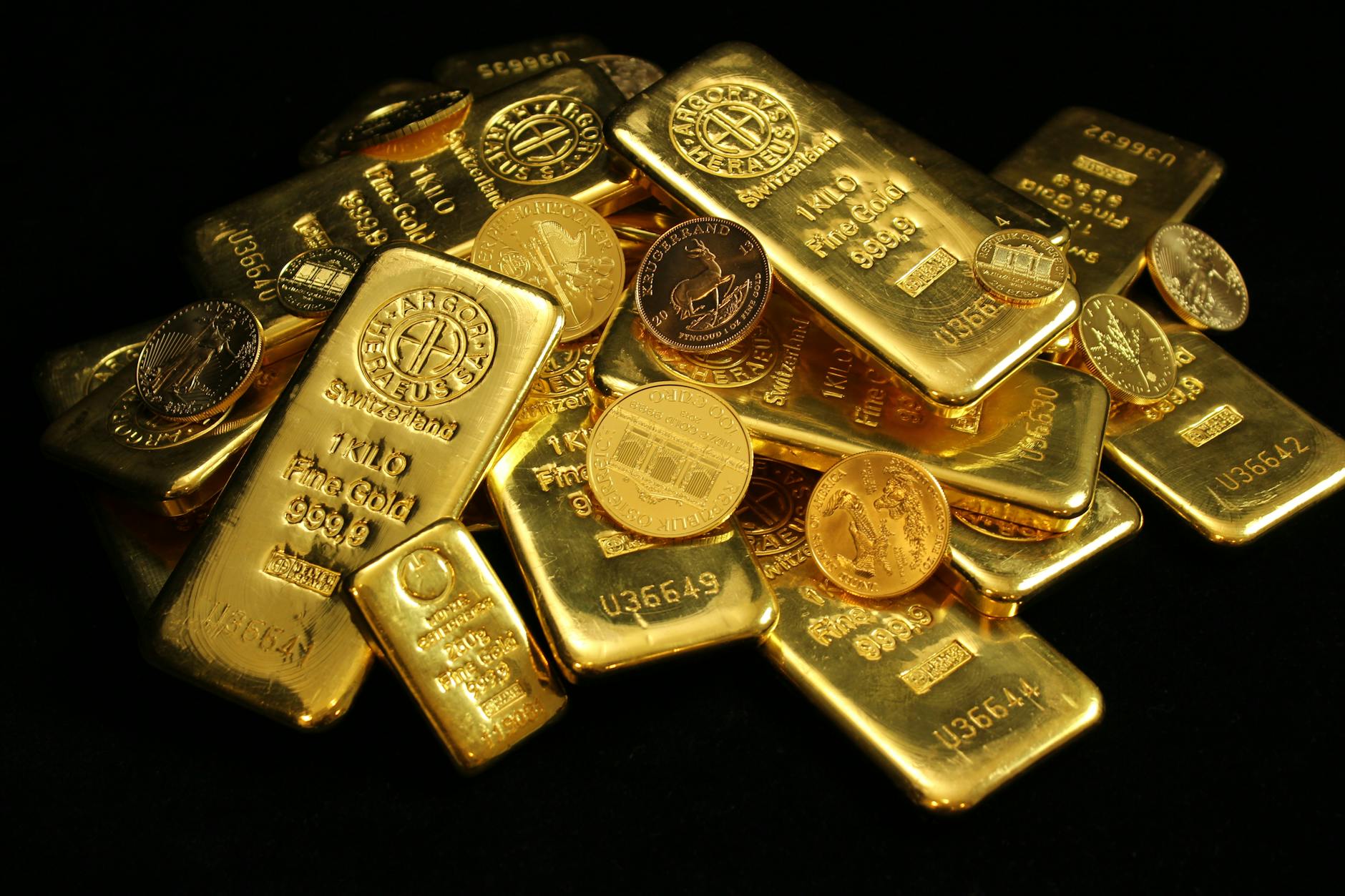
Gold coins (typically 1g, 2g, 5g, 8g, 10g, 50g) and bars (10g, 100g, 1kg+) are sold by banks, MMTC, jewellers, and authorised dealers.
They're BIS-certified, carry minimal making charges versus jewellery, and are easy to store and resell.
The most efficient physical gold purchase if investment is the primary goal.
Digital Gold
Platforms like Google Pay, PhonePe, Paytm, and MMTC-PAMP allow you to buy fractional gold digitally — as little as ₹1 worth.
Backed by physically held gold in secure vaults. Convertible to coins or bars for delivery.
Excellent for regular small investments (SIP-style buying).
Not regulated by SEBI as a formal investment product — check the backing entity's credibility before investing large sums.
Sovereign Gold Bonds (SGBs)
Issued by the Reserve Bank of India in specific tranches, SGBs track gold prices and pay 2.5% annual interest. Held in demat form (no physical storage, no theft risk).
Capital gains on redemption after 8 years are completely tax-free.
SGBs are the most financially efficient way to hold gold exposure in India — combining price appreciation potential with guaranteed income and a tax-free exit.
Gold ETFs
Exchange-traded funds backed by physical gold, tradeable on BSE/NSE like shares.
More liquid than SGBs (can sell any trading day), but capital gains are taxable (unlike SGBs held to maturity). Annual expense ratios of 0.5–1% apply.
| Form | Investment Efficiency | Liquidity | Storage | Tax (Long-term) | Best For |
|---|---|---|---|---|---|
| Jewellery | Low (making charges) | Good | Home/locker | LTCG with indexation | Wearing + heritage |
| Coins/Bars | Medium (small premium) | Good | Home/locker | LTCG with indexation | Physical holding |
| Digital Gold | Medium | Excellent | None required | LTCG | Small regular investments |
| SGBs | Highest (+ 2.5% interest) | Low (8yr lock-in) | None required | Tax-free after 8 yrs | Long-term investment |
| Gold ETFs | High (low cost) | Excellent | None required | LTCG | Medium-term flexible |
Silver, Platinum, and Other Precious Metals
Silver
Silver occupies a unique position in Indian culture — auspicious for certain ceremonies (anklets and toe rings are traditionally silver in most regional traditions; silver is associated with the moon and certain deities), and more accessible financially than gold.
India's silver jewellery market is significant, particularly for traditional and tribal jewellery forms.
Silver purity standards:
- 999 — Fine silver (99.9%); too soft for most jewellery
- 925 — Sterling silver (92.5%); international jewellery standard; durable and workable
- 800 — Common in older European and some Indian silver; visibly darker/duller
BIS hallmarking for silver is currently voluntary in India. Look for the 925 stamp when buying silver jewellery from reputable stores.
Platinum
Platinum jewellery (typically 950 — 95% pure) has grown significantly in India over the past decade, particularly for engagement rings, wedding bands, and diamond-set jewellery.
Its advantages over white gold: no rhodium plating required, naturally hypoallergenic, and denser and more durable.
Its disadvantages: significantly more expensive, heavier to wear, and resale markets are thinner than gold.
Platinum jewellery in India is certified by the Platinum Guild International and should carry a 950 mark alongside the BIS hallmark.
Palladium
Rarely seen in Indian jewellery retail as a standalone metal, but used as an alloying element in white gold (to achieve white colour without nickel).
Palladium prices have historically been volatile — interesting as a commodity but not practical for most jewellery buyers.
Understanding Gold Rates: Reading the Daily Price
When you see gold rates quoted online or in a jewellery store, understand what you're reading:
- "Gold rate today" typically means the MCX spot price per 10 grams for 24K (999) gold, before making charges or GST
- The 22K price is derived from the 24K price: 24K price × (916/1000) = 22K equivalent
- Store prices will differ slightly from MCX: jewellers add a small premium over MCX to cover their buying cost, and the daily rate is typically set in the morning
- Different cities have slightly different rates, primarily due to local taxes, transportation premiums, and demand-supply dynamics in regional wholesale markets
Quick Price Formula
Cost of 22K gold piece = (Weight in grams × 22K gold rate per gram) + Making charges + 3% GST on the total.
Example: A 10-gram 22K bangle at ₹6,500/gram MCX with ₹800/gram making charges = (10 × 6,500) + (10 × 800) + 3% GST = ₹65,000 + ₹8,000 + ₹2,190 = ₹75,190
Buying Gold Responsibly: The Checklist
- Check the MCX price before visiting any store — know your baseline
- Verify the BIS hallmark and HUID on every piece using the BIS Care app
- Get an itemised receipt — weight, purity, rate, making charges, and GST separately stated
- Confirm the exchange/buyback policy in writing before purchasing
- For coins/bars: buy only from banks (SBI, India Post, HDFC, ICICI), MMTC, or BIS-certified dealers
- For SGBs: buy through your bank's demat account or through a registered broker — no third-party intermediaries
Gold is not merely a commodity in India — it is a language of love, security, celebration, and heritage.
Understanding what you're buying ensures that every piece you purchase honours that tradition and serves you well for generations.
Use JewellersinCity to find verified gold jewellers in your city who stock BIS-hallmarked jewellery at transparent, competitive prices.
More in Gold & Precious Metals
Share this article
Our editorial team comprises jewellery industry veterans, certified gemmologists, and passionate writers with decades of combined experience across India's gold, diamond, and gemstone markets. Every article is researched, fact-checked, and written to help Indian buyers make smarter, safer jewellery decisions.
Passionate about jewellery and love to write? We'd love to hear from you.
Join us as a writer →Ready to buy? Find verified jewellers near you
Browse 10,000+ BIS hallmark certified jewellers across India. Compare ratings, check today's gold rate, and book a visit.
Keep Reading