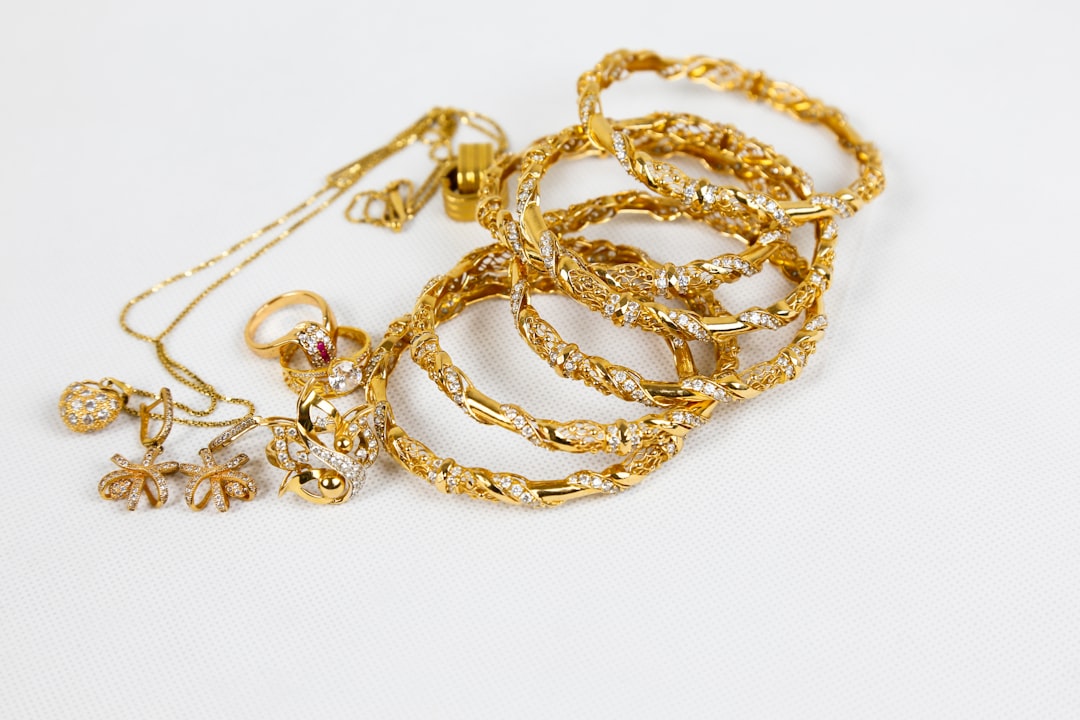
The modern Indian professional navigates a complex sartorial landscape every morning. The choice of what jewellery to wear to the office sits at the intersection of cultural identity, professional image, personal style, and practical considerations like comfort and durability. In a country where gold jewellery is deeply woven into daily life and cultural expression, the question is not whether to wear jewellery to work, but how to wear it in a way that enhances your professional presence rather than distracting from it.
India's workplaces span an extraordinary range — from conservative banking halls and courtrooms to vibrant advertising agencies and tech startup offices, from hospital wards where safety regulations govern every accessory to media studios where bold personal style is practically a job requirement. Each environment has its own unwritten (and sometimes written) rules about appropriate adornment, and understanding these rules is essential for making a confident impression.
This comprehensive guide covers everything the Indian professional needs to know about wearing jewellery at work: which pieces are appropriate for different industries, how to balance tradition with professionalism, which gold purities and designs stand up to daily wear, how to build an office jewellery wardrobe on various budgets, and how to style jewellery for maximum professional impact.
Why Office Jewelry Matters
The Psychology of Professional Adornment
Research in organisational psychology consistently shows that personal appearance, including accessories, influences first impressions, perceived competence, and professional credibility. In the Indian context, appropriate jewellery signals attention to detail, cultural awareness, and professional grooming. It can also serve as a subtle marker of success and stability — qualities that matter in client-facing roles, leadership positions, and networking contexts.
The key word is "appropriate." Jewellery that is well-chosen and well-fitted enhances professional presence. Jewellery that is excessive, noisy, or incongruent with the workplace environment can distract, irritate, or create unwanted impressions.
Cultural Context in Indian Workplaces
India is unique in that gold jewellery is a cultural norm rather than a luxury indulgence. A married woman wearing a mangalsutra, gold bangles, and a bindi is expressing cultural identity, not making a fashion statement. Indian workplaces generally accommodate this cultural dimension more generously than Western workplaces might. However, there is still a spectrum of appropriateness that varies by industry, seniority, and workplace culture.
Industry-Specific Guidelines
Corporate and Financial Services
Environment: Banks, insurance companies, consulting firms, law firms, accounting practices, large corporations. Typically formal dress codes with an emphasis on understated professionalism. Appropriate pieces:- Ears: Small to medium gold studs (weight: 1 to 3 grams per pair), small jhumkas for formal Indian wear
- Neck: Delicate chain with small pendant (total weight: 3 to 8 grams), or a fine mangalsutra
- Wrists: A single bangle or bracelet (5 to 15 grams), a watch with gold accents
- Fingers: Wedding ring, one additional ring maximum (3 to 8 grams each)
- Nose: Small nose pin if culturally worn (0.5 to 1 gram)
| Piece | Recommended Specs | Approximate Cost (₹) |
|---|---|---|
| Daily wear studs (22K) | 2g, simple design | 15,500 + 2,500 MC = 18,000 |
| Office chain with pendant (22K) | 5g total | 38,750 + 5,000 MC = 43,750 |
| Slim bracelet (22K) | 8g | 62,000 + 7,000 MC = 69,000 |
| Wedding band (18K) | 4g | 25,360 + 3,500 MC = 28,860 |
| Complete corporate set | — | ₹1,40,000 – ₹1,80,000 |
Information Technology and Startups
Environment: Software companies, tech startups, digital agencies. Generally relaxed dress codes with emphasis on individual expression, though client-facing roles may require more restraint. Appropriate pieces: Almost anything that is comfortable for long hours at a desk. Tech workplaces in India are among the most jewellery-friendly professional environments. Gold chains, statement earrings, stacked bracelets, and multiple rings are all acceptable in most tech offices. Practical considerations: Bracelets should not catch on keyboards or trackpads. Rings should not interfere with typing. Long pendants should not dangle onto laptop screens when leaning forward. Heavy earrings become uncomfortable during long video calls with headsets. Budget guide:| Piece | Recommended Specs | Approximate Cost (₹) |
|---|---|---|
| Statement earrings (22K) | 4g, jhumka or hoop | 31,000 + 5,000 MC = 36,000 |
| Layered chains (22K) | 8g total, 2 chains | 62,000 + 9,000 MC = 71,000 |
| Stacking rings (18K, set of 3) | 6g total | 38,040 + 6,000 MC = 44,040 |
| Bracelet stack (22K + 18K) | 12g total | 88,000 + 10,000 MC = 98,000 |
| Complete tech-friendly set | — | ₹1,50,000 – ₹2,50,000 |
Creative Industries
Environment: Advertising agencies, design studios, media houses, publishing, entertainment, fashion. Self-expression is valued and sometimes expected. Bold choices are welcome. Appropriate pieces: Creative workplaces are where jewellery can truly shine. Oversized earrings, layered necklaces, statement cuffs, cocktail rings, and mixed-metal combinations are all appropriate and even admired. This is the environment where a Kundan choker, a set of Rajasthani bangles, or a dramatic cuff bracelet become conversation starters rather than distractions. Budget guide: Allocate more toward distinctive, design-forward pieces. Consider investing in one or two statement items rather than multiple basic pieces. Artisanal and designer jewellery carries more currency in creative environments than mass-produced branded pieces.Healthcare
Environment: Hospitals, clinics, dental practices, laboratories. Safety regulations and hygiene protocols govern accessory choices. Key restrictions:- Rings: Most hospitals restrict rings to a single plain band (wedding ring) for hygiene during handwashing and gloving. Stones and elaborate settings trap bacteria.
- Bracelets and bangles: Generally prohibited in clinical areas. Bacteria accumulate under bracelets, and bangles interfere with hand hygiene protocols.
- Necklaces: Must be short and tucked inside scrubs/uniforms. Dangling necklaces pose infection control and patient safety risks.
- Earrings: Small studs only. Hoops and dangles risk being grabbed by patients (particularly in psychiatric, paediatric, and geriatric settings) and can harbour bacteria.
- Nose pins: Generally permitted if small and secure.
| Piece | Recommended Specs | Approximate Cost (₹) |
|---|---|---|
| Plain gold studs (22K) | 1.5g, screw-back for security | 11,625 + 2,000 MC = 13,625 |
| Thin chain (22K) | 3g, tuck-under length | 23,250 + 3,000 MC = 26,250 |
| Plain wedding band (22K) | 3g, smooth surface | 23,250 + 2,000 MC = 25,250 |
| Complete healthcare set | — | ₹55,000 – ₹75,000 |
Education
Environment: Schools, colleges, universities. Moderate dress codes with some variation by institution type (conservative in traditional institutions, relaxed in liberal arts colleges). Appropriate pieces: Small to medium earrings, a modest necklace, a couple of bangles, and a ring or two. Avoid pieces that produce sound (clinking bangles distract students) and very expensive-looking items (which can create uncomfortable dynamics in educational settings with students from diverse economic backgrounds).Government and Civil Services
Environment: Government offices, public sector undertakings, civil service roles. Formal to semi-formal dress codes with cultural conservatism. Appropriate pieces: Traditional Indian jewellery in moderate quantities is entirely appropriate and often expected. A mangalsutra, gold bangles (2 to 4), small earrings, and a single ring represent the typical office jewellery for women in government service. For men, a ring and a watch are standard. Excessive display of wealth through jewellery is viewed negatively in public-facing government roles.Subtle vs Statement: Finding Your Balance
The Subtlety Spectrum
Office jewellery exists on a spectrum from invisible to unmissable. Where you should position yourself depends on your workplace, your role, and your personal style.
Level 1 — Minimal: Single stud earrings, thin chain under clothing, wedding ring only. Appropriate for: healthcare, conservative banking, client-facing roles in traditional industries. Level 2 — Understated: Small earrings, visible but delicate necklace, slim bracelet, wedding ring plus one additional ring. Appropriate for: corporate offices, government, education, client-facing tech roles. Level 3 — Moderate: Medium earrings (small jhumkas), visible pendant necklace, 2 to 4 bangles, 2 to 3 rings. Appropriate for: most Indian workplaces, non-client-facing corporate roles, tech offices. Level 4 — Expressive: Statement earrings, layered necklaces, stacked bracelets, cocktail rings. Appropriate for: creative industries, senior positions in relaxed workplaces, fashion and media. Level 5 — Bold: Heavy jewellery, multiple statement pieces, full traditional sets. Appropriate for: festivals at work, celebration days, creative workplaces, own business/entrepreneurship.Reading Your Workplace
If you are unsure about the appropriate level for your workplace, observe what senior women in similar roles wear. They have already navigated the unwritten rules and their choices reflect the institutional culture. When in doubt, err one level toward subtlety — it is easier to add a piece than to remove one mid-day.
Daily Wear Durability: Choosing Pieces That Last
Gold Purity for Daily Wear
Daily office wear subjects jewellery to consistent stress: contact with desk surfaces, keyboard friction, hand sanitiser chemicals, perfume and lotion exposure, and the simple repetition of putting pieces on and taking them off 250+ days per year.
| Purity | Daily Wear Rating | Why |
|---|---|---|
| 24K (999) | Poor | Too soft; scratches and deforms easily |
| 22K (916) | Good for earrings, chains, pendants | Adequate hardness for low-impact pieces |
| 18K (750) | Excellent for rings, bracelets, bangles | Superior scratch resistance for high-friction pieces |
| 14K (585) | Best durability | Excellent for very active lifestyles, budget option |
Design Features for Durability
Clasps: Spring-ring and lobster-claw clasps are more secure than barrel clasps for daily-wear chains. Magnetic clasps are convenient but can open unexpectedly. Settings: Bezel settings (where the metal completely surrounds the stone) are more secure for daily wear than prong settings, which can catch on fabrics and loosen over time. Profiles: Rounded profiles (D-shaped ring shanks, rounded bangle edges) resist scratching better than flat or angular profiles. Chain types: Box chains and snake chains are sleek but vulnerable to kinking. Curb chains and rope chains are more durable for daily wear.Maintenance Schedule for Office Jewelry
| Frequency | Task | Method |
|---|---|---|
| Daily | Remove before hand washing (rings) | Habit formation |
| Weekly | Gentle cleaning | Warm water + mild soap + soft cloth |
| Monthly | Inspect clasps, check stone settings | Visual + gentle tug test |
| Quarterly | Professional polish (if needed) | Local jeweller, usually free |
| Annually | Full professional cleaning and inspection | Jeweller or ultrasonic service |
Budget Guide: Building an Office Jewelry Wardrobe
Starter Wardrobe (₹75,000 – ₹1,25,000)
For a professional just beginning to build an office jewellery collection, prioritise versatility.
| Piece | Specs | Budget (₹) |
|---|---|---|
| Classic gold studs (22K) | 2g, screw-back | 18,000 – 20,000 |
| Delicate chain with pendant (22K) | 5g, 16-18 inch | 42,000 – 48,000 |
| Slim bangle or bracelet (22K) | 8g | 68,000 – 75,000 |
| Simple ring (18K) | 3g | 22,000 – 25,000 |
| Total | ₹1,50,000 – ₹1,68,000 |
Mid-Career Wardrobe (₹2,50,000 – ₹4,00,000)
With a larger budget, add variety and situational options.
| Piece | Specs | Budget (₹) |
|---|---|---|
| Two pairs of earrings (studs + small jhumkas) | 2g + 4g, 22K | 50,000 – 60,000 |
| Two necklaces (delicate + medium statement) | 5g + 10g, 22K | 1,20,000 – 1,45,000 |
| Pair of daily bangles (22K) | 15g each, 30g total | 2,55,000 – 2,70,000 |
| Two rings (plain + design, 18K) | 3g + 5g | 55,000 – 65,000 |
| Diamond studs (lab-grown, 0.25ct each) | 18K setting | 25,000 – 35,000 |
| Total | ₹5,05,000 – ₹5,75,000 |
Executive Wardrobe (₹5,00,000+)
For senior professionals who attend board meetings, conferences, and client events.
| Piece | Specs | Budget (₹) |
|---|---|---|
| Premium diamond studs (0.5ct each, natural) | 18K white gold | 2,00,000 – 3,00,000 |
| Signature necklace (22K, quality design) | 15g | 1,40,000 – 1,60,000 |
| Designer bracelet (18K or 22K) | 12g | 1,05,000 – 1,30,000 |
| Statement ring (diamond or gemstone, 18K) | 5g + stone | 80,000 – 1,50,000 |
| Elegant watch with gold accents | — | 50,000 – 2,00,000 |
| Conference/event earrings (Kundan or modern) | 6g, 22K | 55,000 – 75,000 |
| Total | ₹5,30,000 – ₹10,15,000 |
Styling by Profession
The Lawyer
Credibility and authority are paramount. Choose structured, geometric designs over ornate or fussy pieces. A pair of gold knot studs, a slim bar pendant on a fine chain, and a single quality bangle project competence and confidence. Avoid anything that makes noise — judges and senior partners notice distractions.
The Doctor
Safety and hygiene dictate choices. Invest in beautiful, high-quality studs that you can wear every day without worrying about infection control. A pair of 22K gold studs with a tiny diamond accent (₹25,000 to ₹40,000) can become your signature. Save statement pieces for medical conferences and social events.
The Banker/Finance Professional
Conservative elegance works best. Think Tanishq's "Mia" collection aesthetic — refined, modern, and understated. A thin gold chain with a geometric pendant, matching studs, and a quality watch create a polished look that communicates trustworthiness.
The Teacher/Professor
Moderate, culturally appropriate jewellery creates warmth and approachability. A pair of comfortable jhumkas, 2 to 4 bangles (that do not clink excessively against the whiteboard), and a simple chain work beautifully. Students and parents respond positively to teachers who appear well-groomed and approachable.
The Software Engineer
Comfort and self-expression are the priorities. If you are at a desk all day, choose pieces that do not interfere with typing or cause headset discomfort. Stud earrings or small hoops (not dangles that catch on headsets), a bracelet that does not clink on the desk, and rings that do not impede keyboard use are practical choices.
The Entrepreneur
You are your own brand, and your jewellery is part of your brand identity. Choose pieces that communicate your values — minimalist and modern if you run a tech company, bold and artisanal if you are in the creative space, classic and premium if you are in professional services. Invest in two or three signature pieces that people associate with you.
The Government Officer
Traditional appropriateness matters here. A mangalsutra, gold bangles, small earrings, and a ring represent the cultural default that is universally accepted across government departments. Avoid overtly expensive or flashy pieces, which can attract unwanted attention and commentary.
Men's Professional Jewelry
While this guide focuses primarily on women's office jewellery (as women face more complex choices in this area), men's professional jewellery also deserves attention.
What Is Acceptable for Men in Indian Offices
Always appropriate: A quality wristwatch, a wedding ring, a thin gold chain worn under the shirt. Usually appropriate: A visible gold chain (medium weight, tucked partially under collar), a bracelet under the cuff, cufflinks (with formal attire). Industry-dependent: A kada (appropriate in many North Indian offices, some corporate environments), an ear stud (accepted in creative and tech, less so in conservative corporate), a signet ring (generally fine in any setting).Men's Office Jewelry Budget
| Piece | Specs | Budget (₹) |
|---|---|---|
| Quality wristwatch | Gold accents | 25,000 – 2,00,000+ |
| Wedding band (18K) | 5g, brushed finish | 35,000 – 40,000 |
| Understated chain (22K) | 12g, box or curb link | 1,05,000 – 1,20,000 |
| Gold cufflinks (22K) | 4g pair | 35,000 – 45,000 |
| Total | ₹2,00,000 – ₹4,05,000 |
Caring for Office Jewelry
The Work-Life Transition
Develop a routine for transitioning between office and home jewellery. Keep a small jewellery pouch in your handbag for pieces you want to swap. Many professionals wear their core pieces (studs, chain, wedding ring) all day and add or change pieces when going out after work.
Desk-Side Risks
Common office hazards for jewellery include: hand sanitiser (alcohol-based sanitisers can dull gold finishes over time), keyboard friction (scratches rings and bracelets), desk edges (dings bangles), and phone screens (scratches from ring settings). Being mindful of these interactions extends the life of your pieces significantly.
Travel and Conference Jewelry
When travelling for work, bring versatile pieces that can transition from meetings to dinners. A pair of earrings that work with both a sari and a business suit, a necklace that complements both Indian and Western outfits, and a bracelet that dresses up a simple blouse are the travel essentials. Use a hard-case jewellery organiser and keep valuable pieces in your carry-on luggage, never in checked bags.
Frequently Asked Questions
1. How much jewelry is too much for an Indian office?
The answer varies by industry, but a useful guideline is: if your jewellery is the first thing people notice about you — before your face, your expression, or your words — you may be wearing too much for a professional setting. In corporate environments, three to four visible pieces (earrings, necklace, bracelet, ring) is the comfortable maximum. In creative fields, there is effectively no upper limit.
2. Can I wear traditional jewelry like jhumkas to a corporate office?
Small to medium jhumkas are generally appropriate in Indian corporate offices, provided they do not make noise or swing excessively. Large, heavy jhumkas that create sound or draw constant visual attention are better reserved for cultural events and celebrations. The Indian corporate world is generally more accepting of traditional jewellery than its Western counterpart.
3. Should I wear different jewelry for client meetings?
Yes, calibrate to the client's industry and culture. For meetings with conservative clients (government, banking, traditional businesses), dial back to Level 2 (understated). For creative clients, you have more latitude. For international clients unfamiliar with Indian culture, moderate, elegant pieces communicate professionalism across cultural lines.
4. Is it appropriate to wear gold bangles to office daily?
Absolutely, provided they are comfortable and not excessively noisy. Two to four slim, close-fitting bangles are universally appropriate in Indian offices. Avoid loose-fitting bangles that slide and clink during typing or meetings. Some professionals choose a single substantial kada or cuff instead of multiple bangles for a quieter, more streamlined look.
5. What gold purity is best for daily office wear?
For earrings, chains, and pendants (low-impact pieces), 22K provides the rich colour Indians love with adequate durability. For rings, bracelets, and bangles (high-friction, high-impact pieces), 18K is preferable for superior scratch resistance and structural integrity. Many professionals mix purities across different pieces without any visual mismatch.
6. How do I store jewelry at the office?
Keep a small, lockable jewellery pouch in your desk drawer for pieces you remove during the day (rings during hand-intensive work, bracelets during typing marathons). Never leave jewellery loose on a desk — it can fall, get swept into trash, or be taken. If your office has personal lockers, use them for any jewellery you remove.
7. Can wearing expensive jewelry affect how colleagues perceive me?
In India, gold jewellery is broadly normalised, so moderate jewellery does not typically trigger negative perceptions. However, very expensive or ostentatious pieces can create discomfort in teams with significant income diversity. Use judgment — a ₹50,000 chain will not raise eyebrows, but a ₹5,00,000 diamond set worn daily might. Senior leaders should be particularly conscious, as their choices set cultural tone.
8. What jewelry should I avoid wearing to office?
Avoid: anklets with bells or charms (noise in quiet offices), very long dangling earrings (safety hazard near machinery, unprofessional in meetings), body piercings beyond ears and nose (still controversial in many Indian workplaces), charm bracelets that jingle, and any piece that requires constant fidgeting or adjustment.
9. How do I transition office jewelry to evening wear?
The simplest method is to swap one or two pieces. Replace small studs with statement earrings, add a second necklace for a layered look, switch a plain bangle for a designed cuff, or add a cocktail ring. Keeping a "swap set" of two to three evening pieces in your bag or car enables effortless day-to-night transitions.
10. Is it okay to wear imitation jewelry to office?
There is no shame in wearing quality fashion jewellery or gold-plated pieces to the office. Many professionals alternate between real gold and quality fashion jewellery for daily wear, reserving their gold pieces for important meetings and events. The key is that the pieces should look polished and well-maintained regardless of material.
11. Should I insure my office-wear jewelry?
If your daily-wear pieces are collectively worth more than ₹1,00,000, insurance is a sensible precaution. The risk of loss (leaving a ring in a washroom, a bracelet clasp failing during commute) is higher with daily-wear pieces than with occasionally worn items. A jewellery floater under your home insurance policy is the most cost-effective option.
12. How do I build an office jewelry wardrobe on a tight budget?
Start with three foundation pieces — studs, a chain, and a ring — in 22K or 18K gold. Budget approximately ₹50,000 to ₹80,000 for these basics. Add one piece every six months as budget allows. Consider lab-grown diamond accents instead of natural diamonds for significant savings. Gold-plated sterling silver pieces can supplement your collection for variety without the cost of solid gold.
Conclusion
Professional jewellery is a powerful tool in the Indian working woman's arsenal — one that communicates competence, cultural identity, personal style, and attention to detail simultaneously. The goal is not to minimise your jewellery to invisibility (as some Western corporate guides might suggest) but to curate it thoughtfully so that it enhances your professional presence.
Know your industry's norms, invest in quality pieces that withstand daily wear, build your collection gradually with versatile items, and always let your professional achievements shine brighter than your accessories. Explore office-appropriate collections from jewellers near you through our store finder, check the latest gold rates for smart purchasing, and use our gold calculators to budget your professional wardrobe precisely.
Published: April 2026 | Category: Style Guide | Last Updated: April 9, 2026
More in Style Guide
Share this article
Our editorial team comprises jewellery industry veterans, certified gemmologists, and passionate writers with decades of combined experience across India's gold, diamond, and gemstone markets. Every article is researched, fact-checked, and written to help Indian buyers make smarter, safer jewellery decisions.
Passionate about jewellery and love to write? We'd love to hear from you.
Join us as a writer →Ready to buy? Find verified jewellers near you
Browse 10,000+ BIS hallmark certified jewellers across India. Compare ratings, check today's gold rate, and book a visit.
Keep Reading