In 2010, platinum jewellery was a rarity in Indian retail — an exotic import category known to a small slice of cosmopolitan buyers.
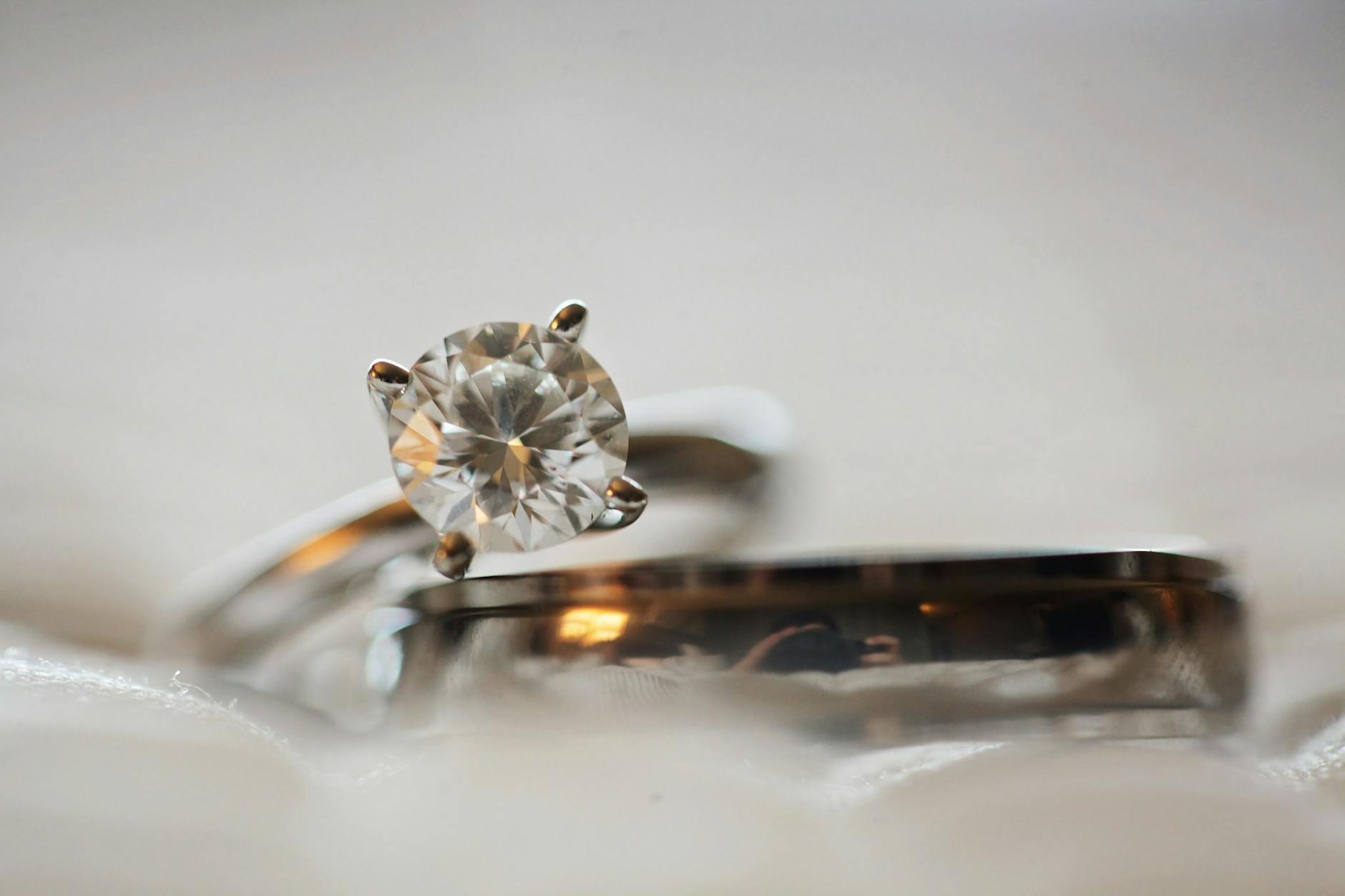
In 2026, it is a mainstream category at major jewellery chains, with hundreds of crores in annual sales, a recognised certification system (Platinum Guild International), and a specific demographic that has made it their metal of choice: young urban couples buying engagement rings and wedding bands who want contemporary, durable, and symbolically distinct jewellery.
Whether that premium is worth it depends on what you value.
What Is Platinum, Exactly?
Platinum is a naturally white precious metal, rarer than gold (mined primarily in South Africa and Russia), and significantly denser.
Key physical properties that matter for jewellery:
- Natural colour: White. Unlike white gold (which is yellow gold alloyed with palladium/nickel and then rhodium-plated to appear white), platinum is naturally, permanently white. No coating is needed.
- Purity in jewellery: Typically 950 — meaning 95% pure platinum. The remaining 5% is ruthenium, iridium, or cobalt (the alloy metals vary by manufacturer). This is significantly purer than 18K white gold (75% gold).
- Density: Platinum is approximately 60% denser than gold. A platinum ring weighs noticeably more than an identically sized white gold ring — some buyers find this reassuring; others find heavy rings uncomfortable.
- Hardness and scratch behaviour: This is the most important and most misunderstood point about platinum. Platinum is harder in some senses (more resistant to cracking) but it does scratch. The difference is crucial: when platinum scratches, the metal is displaced to the sides of the scratch (it does not fly off the surface as with softer metals). Over time, this creates a surface texture called "patina" — a slightly matte, lived-in look. Some owners love the patina; others prefer a mirror polish, which requires professional buffing every few years.
- Hypoallergenic: Platinum 950 is completely biocompatible — no known allergies. White gold sometimes uses nickel as an alloy metal (particularly cheaper white gold), which causes skin reactions in approximately 15% of people. Platinum is the safest choice for anyone with sensitive skin or known metal sensitivities.
Price Comparison: Platinum vs White Gold vs Yellow Gold
Let's make this concrete with a real-world example: a plain 5-gram solitaire engagement ring band (the metal, excluding the stone).
| Metal | Purity | Approx Metal Cost (5g) | Rhodium Plating | Lifetime Re-plating Needs | Estimated Total 10-yr Cost |
|---|---|---|---|---|---|
| Yellow Gold 22K | 91.6% | ₹35,000–₹45,000 | Not applicable | None | ₹35,000–₹45,000 |
| White Gold 18K | 75% | ₹25,000–₹32,000 | Yes, at purchase | Every 2–3 years (₹800–₹1,500/time) | ₹29,000–₹38,000 |
| Platinum 950 | 95% | ₹40,000–₹55,000 | Not needed | Polish every 5–7 years (₹1,000–₹2,000) | ₹42,000–₹59,000 |
The gap narrows over time when you account for the ongoing rhodium re-plating cost of white gold.
Platinum still costs more, but the premium on a 10-year view is smaller than the sticker-price difference suggests.
Rhodium plating on white gold wears off with daily wear, typically within 12–24 months for a ring that is worn constantly. Some white gold pieces need re-plating every year if worn aggressively. Over a 20-year marriage, those re-plating costs (₹800–₹1,500 per visit, 8–15 visits) add ₹6,000–₹20,000 to the total ownership cost. Platinum requires no re-plating — ever.
Hallmarking and Certification in India
Platinum jewellery in India carries two types of certification that together give you confidence in what you are buying:
- Platinum Guild International (PGI) mark: PGI is the international marketing body for platinum jewellery. Jewellers who sell PGI-certified platinum are vetted and must meet standards for platinum purity. The PGI mark on a piece is a quality signal, though it is not a government mandate.
- BIS Hallmark (950 mark): The BIS has extended its hallmarking framework to platinum. A BIS-hallmarked platinum piece carries the 950 purity mark alongside the BIS logo and HUID code. As with gold, you can verify the HUID on the BIS Care app. Insist on BIS-hallmarked platinum — it is your strongest assurance of purity in the Indian market.
The Resale Market: Thinner Than Gold
This is the honest downside of platinum ownership in India that you must understand before buying.
Gold has a robust, near-universal resale market — any jeweller in India will buy your gold. Platinum's resale market is thinner for several reasons:
- Fewer jewellers are equipped and certified to handle platinum (it requires different tools and techniques than gold).
- India's platinum jewellery market is still maturing — the number of buyers relative to the total stock is lower than for gold.
- Platinum's lower gold cultural association means it is rarely accepted in jewellery exchange schemes the way gold is.
In practical terms: expect to receive 80–90% of the platinum spot value on resale to a jeweller, versus closer to 95–100% for gold.
If you plan to sell within 5–10 years, factor this in.
If you plan to keep the piece for life (as most engagement and wedding rings are intended), it is not a practical concern.
Who Should Buy Platinum in India
| Situation | Platinum: Good Choice? | Reason |
|---|---|---|
| Daily-wear engagement or wedding ring | Yes — excellent | Durability, no maintenance, naturally white |
| Diamond solitaire setting | Yes — excellent | Platinum prongs are stronger; will not discolour against white diamond |
| Metal allergy / sensitive skin | Yes — strongly recommended | Fully hypoallergenic; no nickel used |
| Traditional Indian bridal set | No — generally not appropriate | Traditional aesthetics call for yellow gold; platinum looks out of place |
| Investment purchase (resale focus) | No — gold is better | Thinner resale market; lower cultural demand |
| Contemporary diamond jewellery (pendants, earrings) | Yes — good choice | Long-lasting white finish without plating maintenance |
| Budget-conscious buyer | No — 60% premium is real | White gold offers similar aesthetics at lower cost if re-plating is acceptable |
Maintenance: What Platinum Actually Needs
Platinum is one of the lowest-maintenance fine metals. Here is the realistic care schedule:
- Daily wear: Platinum can be worn continuously — shower, sleep, work. Remove it for heavy-duty manual work or contact sports where the ring could be deformed (platinum is not immune to bending under significant force).
- Cleaning: Mild soap and warm water with a soft brush is all you need for regular cleaning. A gentle scrub every two weeks prevents soap film buildup.
- Polishing: When the surface patina no longer suits you (or if you are gifting or reselling), a professional polish by a platinum-certified jeweller will restore the mirror finish. This costs ₹1,000–₹2,000 and takes 30–60 minutes in-store. Do it every 5–7 years, or whenever you choose.
- Annual inspection: Have prong settings checked annually if the ring carries a significant stone. Platinum prongs are strong but can still loosen with extreme wear over years.
Platinum is not for everyone, and it is not meant to be.
It is for the buyer who values permanence over everything else — a metal that will look as distinctive and wear as comfortably in 2046 as it does on the day of purchase, without a single visit for re-plating.
For the right buyer, the premium is not a cost — it is the price of buying something once and for good.
Find PGI-certified platinum jewellers in your city on JewellersinCity, with verified reviews from buyers who know exactly what they chose and why.
More in Gold & Precious Metals
Share this article
Our editorial team comprises jewellery industry veterans, certified gemmologists, and passionate writers with decades of combined experience across India's gold, diamond, and gemstone markets. Every article is researched, fact-checked, and written to help Indian buyers make smarter, safer jewellery decisions.
Passionate about jewellery and love to write? We'd love to hear from you.
Join us as a writer →Ready to buy? Find verified jewellers near you
Browse 10,000+ BIS hallmark certified jewellers across India. Compare ratings, check today's gold rate, and book a visit.
Keep Reading