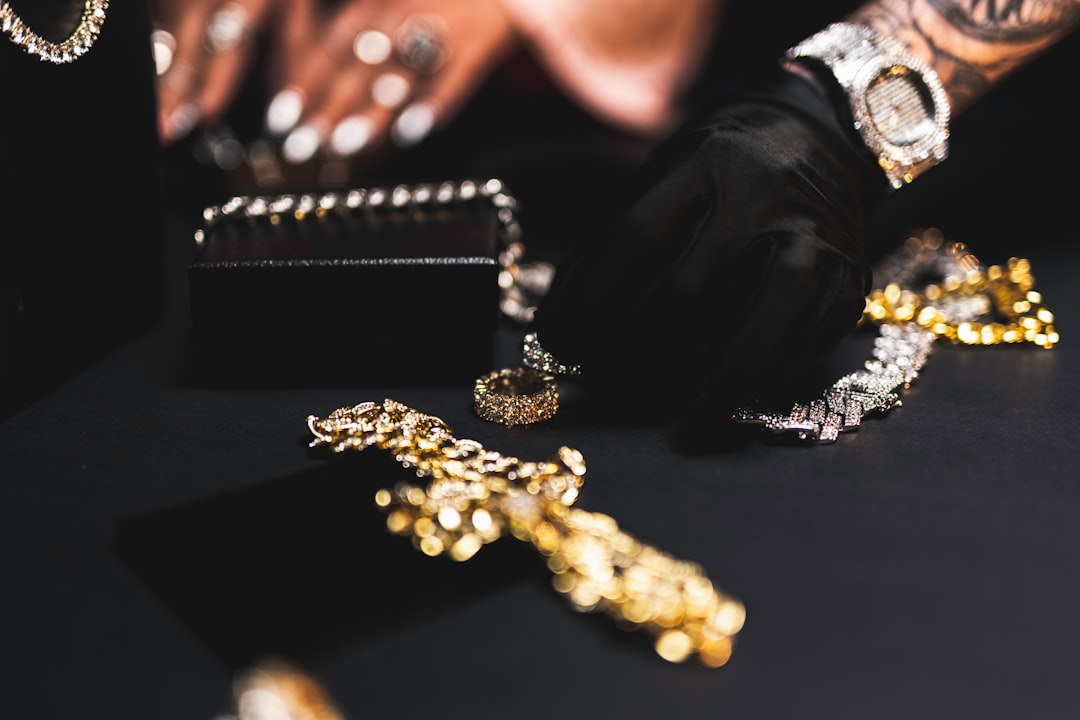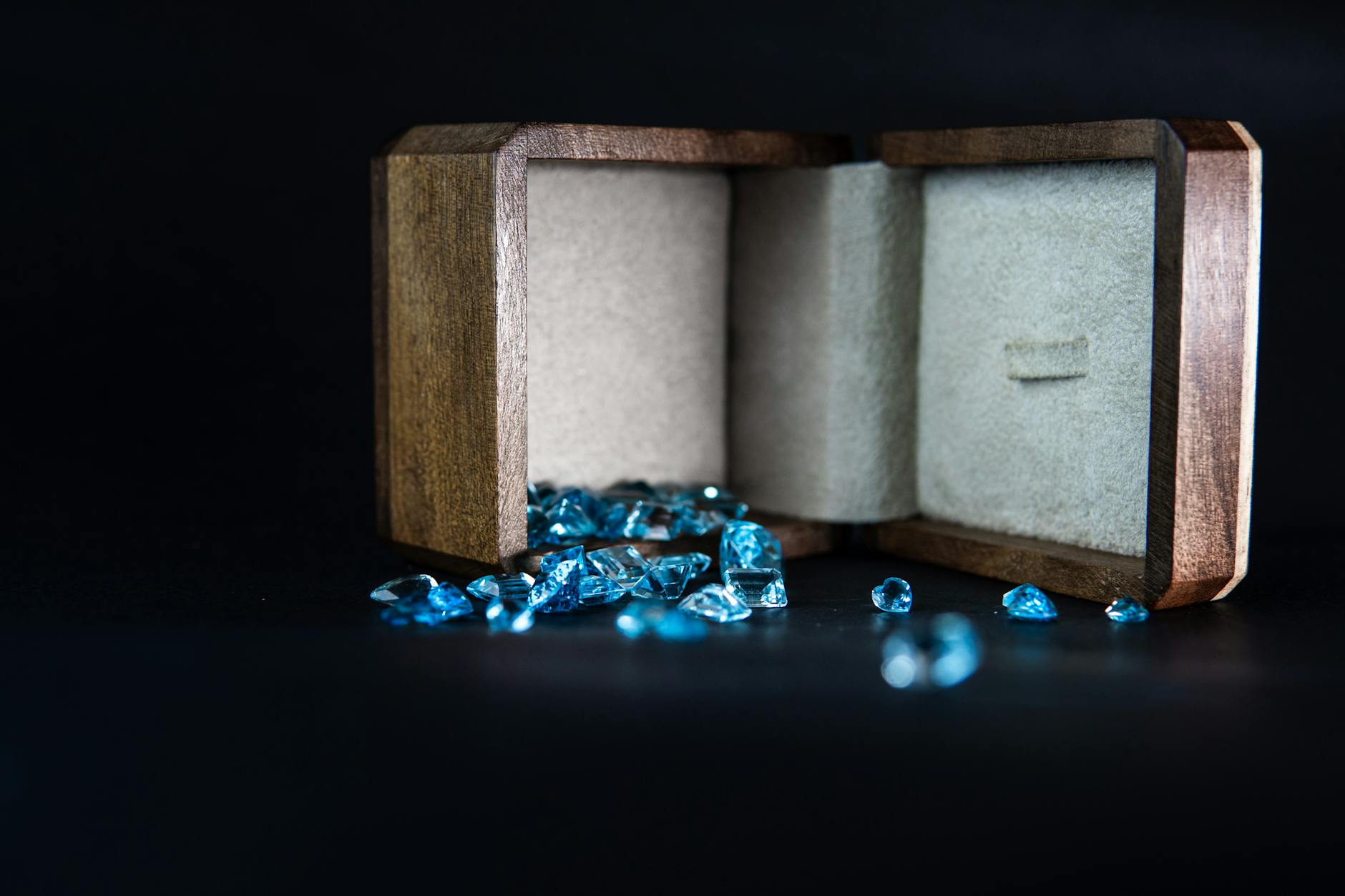
A surprising amount of jewellery damage happens not during wear but in storage. Chains tangle and break.
Gold pieces scratch each other. Silver tarnishes in humid drawers.
Kundan stones shift in storage bags pressed against hard surfaces. High-value pieces left in accessible spots get stolen.
Getting jewellery storage right protects both the financial and emotional value of your collection.
The Core Principles of Jewellery Storage
Separate Compartments Prevent Scratches
Gold, silver, and platinum can all scratch each other and softer gemstones. Diamonds can scratch everything.
Every piece of jewellery — even pieces of similar metal and hardness — should be stored in its own compartment or soft pouch.
This single rule prevents more damage than any other.
Anti-Tarnish Materials for Silver
Silver needs sulphur-absorbing materials in its storage environment.
Anti-tarnish strips (available at jewellery supply stores for ₹50–₹150 per pack) placed in drawers and boxes significantly slow tarnish. Replace them every 3–6 months.
Avoid storing silver in cardboard boxes — cardboard contains acids that can also tarnish silver over time.
Acid-Free Tissue for Antiques
Antique jewellery — particularly pieces with enamel work, lac bases, or organic components — should be wrapped in acid-free tissue before storage.
Regular tissue and newspaper contain bleaching agents and acidic compounds that can damage delicate surfaces over years.
Avoid Rubber Bands and Standard Plastic Bags
Rubber bands off-gas sulphur and cause rapid tarnishing on any silver they touch. Standard plastic bags trap humidity and can cause condensation on metal surfaces.
Use anti-tarnish zip-lock bags or soft cloth pouches instead.
Humidity and Temperature Control
High humidity accelerates tarnish and can damage organic components in antique pieces.
A silica gel packet in each storage compartment or drawer absorbs excess moisture effectively.
Recharge silica gel every few months by placing packets in a warm oven (60°C) for an hour.
Keep jewellery away from direct sunlight (UV fades enamel and some gemstones) and away from heat sources (prolonged heat affects lac, wax, and some adhesives used in settings).
Storage Solutions by Budget
| Budget Range | Storage Solution | Best For |
|---|---|---|
| ₹200–₹500 | Individual soft pouches (velvet or cotton), kept in a drawer | Small collections, basic separation |
| ₹1,000–₹3,000 | Jewellery box with compartmented interior, ring rolls, and earring slots | Mid-size collections, daily-access pieces |
| ₹3,000–₹10,000 | Multi-drawer jewellery cabinet with mirror, separate sections by type | Larger collections, mixed jewellery types |
| ₹5,000–₹25,000+ | Home safe or fireproof lockbox (electronic or key lock) | High-value pieces, gold jewellery above ₹1,00,000 |
| ₹1,000–₹5,000 per year | Bank locker (annual rental) | Heirlooms, bridal sets, investment gold |
Bank Lockers for High-Value Jewellery
For jewellery collections worth above ₹5,00,000 — or for heirloom pieces that are irreplaceable — a bank locker is the safest storage solution.
Most nationalised and private banks offer lockers at annual rentals ranging from ₹1,000 to ₹5,000 depending on locker size and bank location.
The locker is accessible only to the registered holders, the contents are not visible to bank staff, and the premises are secured 24 hours.
Note that bank lockers do not automatically insure contents — a separate jewellery insurance policy is recommended for high-value collections.
Special Storage by Jewellery Type
Necklaces
Necklaces — especially delicate chains — tangle catastrophically when stored loose. The solution: hang necklaces vertically.
A simple wall-mounted hook rack, a jewellery stand with hanging hooks, or even pushpins in the back of a drawer work well.
For fine chains, slip one end of the chain into a drinking straw before hooking, to keep the chain straight and tangle-free.
Heavier necklaces can be laid flat in their original boxes or individual soft pouches.
Bangles
Bangles stored lying flat in a pile scratch each other. The ideal storage is vertical — on a bangle stand or bangle roll (a padded cylinder designed for this purpose).
Individual velvet pouches are the next best option. Never store different metal bangles together — gold-on-silver contact causes galvanic reactions over time.
Earrings
Earring posts scratch gems and each other when stored loose.
A dedicated earring holder — either a compartmented tray or a fabric-covered board with holes for posts — keeps pairs together and prevents damage.
Store pairs together always; a misplaced earring back or lost partner makes a piece unwearable.
Rings
A ring roll — a padded cylinder that rings slide onto — is the ideal storage. Alternatively, individual slots in a compartmented jewellery box.
Avoid stacking rings in a bowl or on a flat surface: the stones and metal edges will scratch each other.
Antique and Heirloom Pieces
Store separately from all other jewellery. Wrap individually in acid-free tissue.
Do not stack or nest. If the original box is available, use it.
Place a silica gel packet nearby. Ideally, store in a fireproof container or bank locker.
Jewellery Storage Checklist
- Every piece has its own compartment or soft pouch — no touching between pieces
- Anti-tarnish strips in all silver storage areas
- Silica gel packets in jewellery boxes and drawers — refreshed every 3 months
- No rubber bands in contact with any jewellery
- High-value pieces locked away (home safe or bank locker)
- Necklaces hung vertically to prevent tangling
- Original purchase bills stored safely alongside or photographed digitally
- Jewellery insurance in place for collections above ₹2,00,000
Good storage costs very little relative to the value it protects.
A ₹500 set of soft pouches and a ₹200 pack of anti-tarnish strips can protect jewellery worth lakhs from scratching and tarnishing indefinitely.
The time investment in setting up correct storage is measured in minutes. The protection it provides is permanent.
More in Jewellery Care
Share this article
Our editorial team comprises jewellery industry veterans, certified gemmologists, and passionate writers with decades of combined experience across India's gold, diamond, and gemstone markets. Every article is researched, fact-checked, and written to help Indian buyers make smarter, safer jewellery decisions.
Passionate about jewellery and love to write? We'd love to hear from you.
Join us as a writer →Ready to buy? Find verified jewellers near you
Browse 10,000+ BIS hallmark certified jewellers across India. Compare ratings, check today's gold rate, and book a visit.
Keep Reading