Imitation vs Real Jewellery in India: When to Wear Each & How to Tell the Difference
India's imitation jewellery market is one of the world's largest — estimated at ₹30,000+ crore annually and growing fast. Also called "artificial," "fashion," or "costume" jewellery, imitation pieces make bold designs accessible at a fraction of real gold's price. But knowing when to choose imitation vs real gold — and how to tell them apart — is essential knowledge for every Indian consumer.
What Is Imitation Jewellery?
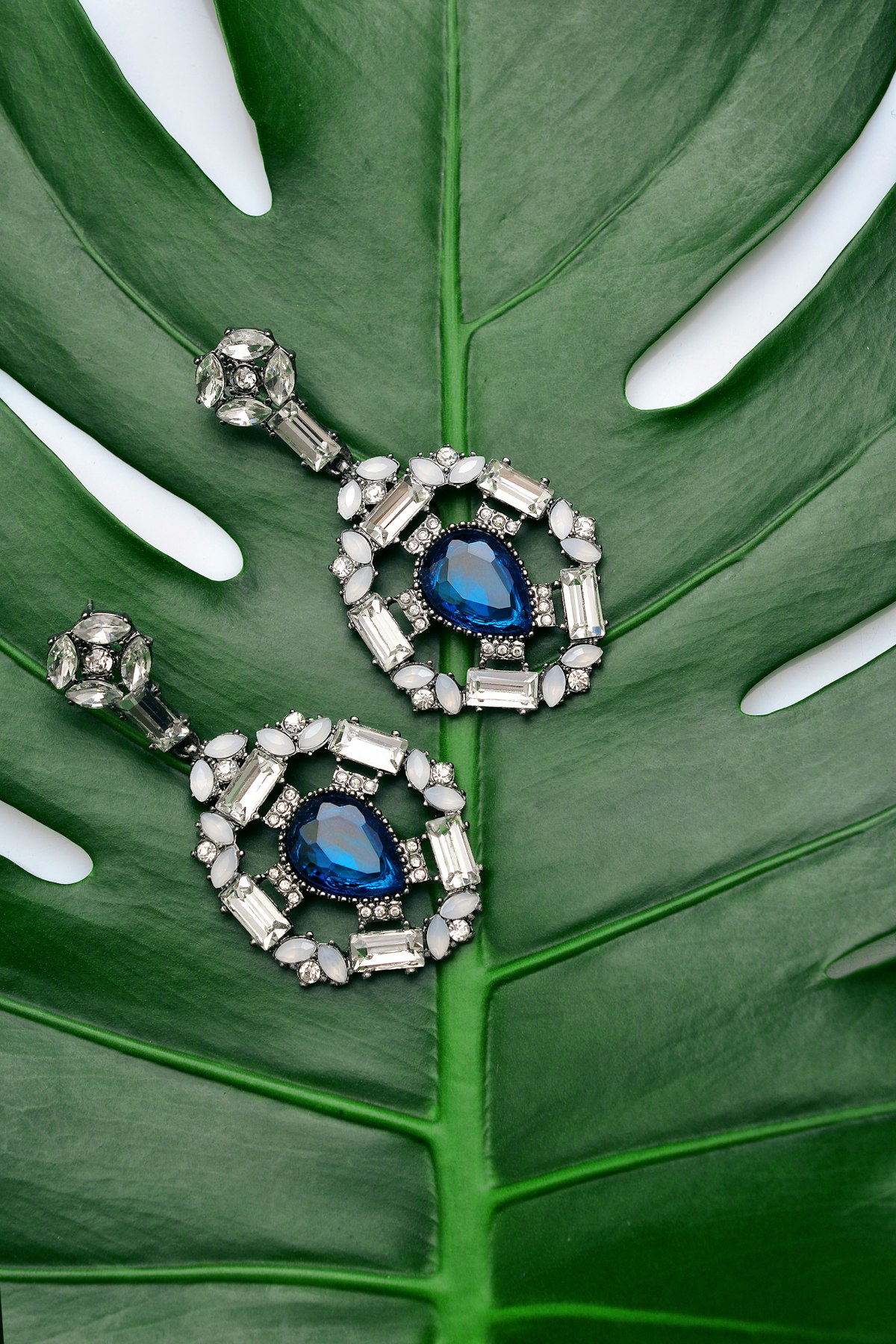
Imitation jewellery uses base metals (brass, copper, zinc alloy) as the core, often with gold or silver-coloured plating on the surface, and substitutes for precious stones (cubic zirconia, coloured glass, resins, or synthetic stones) instead of genuine diamonds, rubies, and emeralds.
Types of Imitation Jewellery in India
1. AD Jewellery (American Diamond)
"American Diamond" is the Indian market name for cubic zirconia (CZ) stones — a synthetic crystalline material with a refractive index similar to diamond, making it visually sparkly. AD jewellery uses CZ stones set in gold-plated brass or silver-plated brass. At quality ranges:
- Low-end AD: Thin plating that wears off in weeks; used CZ that clouds over; worth ₹200–₹2,000
- Mid-range AD: Thicker micro-gold or rhodium plating; better CZ clarity; lasts 1–2 years with care; ₹2,000–₹15,000
- High-end AD (Bridal Quality): Heavy micro-gold plating over silver base (called "silver base AD"); CZ in quality grades; lasts 3–5 years; ₹15,000–₹80,000
2. Kundan Imitation
Authentic Kundan uses 24K gold foil and genuine stones. Imitation Kundan uses gold-plated metal and glass or CZ stones to mimic the flat, vivid aesthetic of real Kundan at 1–5% of the cost. Extremely popular for mehendi, sangeet, and haldi ceremony looks. Sold at ₹500–₹10,000 for full sets.
3. Temple Jewellery Imitation
South Indian temple jewellery replicas in gold-plated copper or brass with coloured glass stones replacing rubies. Sold extensively in Chennai's T. Nagar, Hyderabad's Laad Bazaar, and online. Ranges from ₹300–₹20,000 depending on quality and weight of base metal.
4. Oxidised Silver Jewellery
This is a semi-legitimate category — some oxidised silver is actual 925 sterling silver with an intentionally darkened (oxidised) finish. Much of what's sold as "oxidised silver" is silver-coloured zinc alloy or brass with chemical darkening treatment. The best oxidised pieces are real sterling silver; mass-market pieces are usually base metal.
5. Plated Jewellery (Gold-Filled, Vermeil, Gold-Plated)
- Gold-plated: Thin layer of gold (0.5–2 microns) on base metal. Wears off quickly.
- Gold vermeil: Gold plating (minimum 2.5 microns) on sterling silver base. Better quality; lasts longer.
- Gold-filled: Thick gold layer (1/20th of total weight must be gold). Very durable; much closer to solid gold in longevity.
When Imitation Jewellery Makes Sense
1. High-Risk Environments
Travel, crowded public events, trekking, or situations where loss or theft is possible. Wearing ₹300 AD earrings to a music festival makes far more sense than wearing ₹30,000 gold earrings.
2. Trend-Based Purchases
Fashion trends in jewellery change every season. Chunky chains, shell jewellery, acrylic pieces — these trend cycles are 1–2 years. Buying real gold in trend-specific designs is financially inefficient. Buy imitation for trends, real gold for classics.
3. Colour Coordination Pieces
You need exact emerald green earrings to match a specific lehenga. Finding that in real emeralds would be expensive and time-consuming. An imitation piece solves the problem in minutes at a fraction of the cost.
4. Mehendi, Haldi, and Sangeet
Pre-wedding ceremonies where jewellery may be exposed to turmeric, water, or heavy use. Imitation is smarter — you look great in photos, the risk is minimal, and if a piece gets damaged, it's easily replaceable.
5. Children's Jewellery
Young children's jewellery gets lost, broken, or outgrown quickly. Quality imitation that's hypoallergenic (nickel-free) is far more practical than real gold for everyday use, though real gold is appropriate for traditional ceremonies and gifts.
When Real Gold Is Non-Negotiable
- Wedding jewellery that will be worn on the actual wedding day: These photographs last forever and the pieces become family heirlooms
- Jewellery as gifts of financial significance: Gold given at engagement, birth, or important milestones is Stridhan — real gold has financial and legal standing that imitation doesn't
- Pieces you'll wear daily for years: The economics of real gold improve dramatically over time; real gold outlasts any imitation by decades
- Religious occasions and temple visits: Many temples and orthodox families expect real gold for specific rituals
- Investment intent: Only real gold has asset value you can reclaim later
How to Tell Imitation from Real Gold
1. Look for the BIS HUID Stamp
All legally hallmarked gold in India has a 6-digit HUID stamped on it. Verify with the BIS Care app. No HUID = not BIS hallmarked = cannot be guaranteed as real gold.
2. The Magnet Test
Gold is non-magnetic. Bring a strong magnet close to the piece — if it attracts or deflects, the base metal is ferrous (iron-containing) and it's not real gold. Brass and copper (common imitation bases) are not magnetic either, so this test only reliably catches low-quality iron-based fakes.
3. The Skin Test
Wear the piece for an hour. Real 22K gold doesn't leave green, black, or grey marks on skin (though some 18K alloys can, depending on the alloy composition). Base metal imitation often causes skin discolouration within hours due to chemical reaction between copper/zinc and skin oils.
4. The Acid Test
A jeweller can perform an acid test: a drop of nitric acid on the surface. Real gold resists the acid; base metals react with colour change (copper turns green, silver turns grey). Not for home use — nitric acid is hazardous.
5. Price Test
Current 22K gold is ~₹7,500/gram. A "22K gold" necklace weighing 10g can't cost ₹3,000. If the price is too good, it's not real gold. The melt value alone would exceed the selling price.
Quality Indicators in Imitation Jewellery
Even within imitation, quality varies enormously. Signs of better-quality imitation:
- Heavy base metal (feels substantial, not lightweight and tinny)
- Micro-gold or micro-silver plating specified (not just "gold colour")
- Hypoallergenic / nickel-free certification
- Clean stone settings without glue visible
- Silver base rather than brass base for the highest-quality tier
- Brand with physical location and return policy (not an anonymous social media seller)
Frequently Asked Questions
Is it safe to wear imitation jewellery every day?
Low-quality imitation jewellery can cause skin irritation or allergic reactions (nickel allergy is common — nickel is used in many plated jewellery alloys). Look for "hypoallergenic" or "nickel-free" labels. Sterling silver (925) imitation or gold-filled pieces are generally safe for daily wear. Avoid cheap brass-plated pieces against skin for extended periods.
Can imitation jewellery fool a gold test?
Modern testing tools (XRF machines) cannot be fooled by plating — they read the underlying metal. Acid tests cannot be fooled either. Visual inspection fools only the untrained eye. BIS hallmarking with HUID is the most reliable verification — no imitation can legally carry a valid HUID.
How long does gold-plated imitation jewellery last?
Depends entirely on the plating thickness: thin gold plating (0.5 micron): weeks to months. Standard micro-gold plating (1–2 microns): 1–2 years with careful use. Heavy micro-gold plating on silver base (2.5+ microns): 3–7 years. Factors that reduce lifespan: sweat contact, perfume/soap, daily hard wear, chlorine exposure.
Is there a way to extend the life of plated jewellery?
Yes: (1) Apply perfume and hairspray before putting on jewellery — never spray after. (2) Remove before bathing, swimming, and exercise. (3) Store in anti-tarnish bags or cloth-lined box (not open air). (4) Clean gently with a dry soft cloth, never with abrasive cleaners. (5) Professional re-plating at jewellery repair shops (₹200–₹500) can restore faded pieces to near-original appearance.
See our guide on choosing a trustworthy jeweller and testing gold purity at home. Find verified jewellers near you on JewellersInCity.
More in Education
Share this article
Our editorial team comprises jewellery industry veterans, certified gemmologists, and passionate writers with decades of combined experience across India's gold, diamond, and gemstone markets. Every article is researched, fact-checked, and written to help Indian buyers make smarter, safer jewellery decisions.
Passionate about jewellery and love to write? We'd love to hear from you.
Join us as a writer →Ready to buy? Find verified jewellers near you
Browse 10,000+ BIS hallmark certified jewellers across India. Compare ratings, check today's gold rate, and book a visit.
Keep Reading