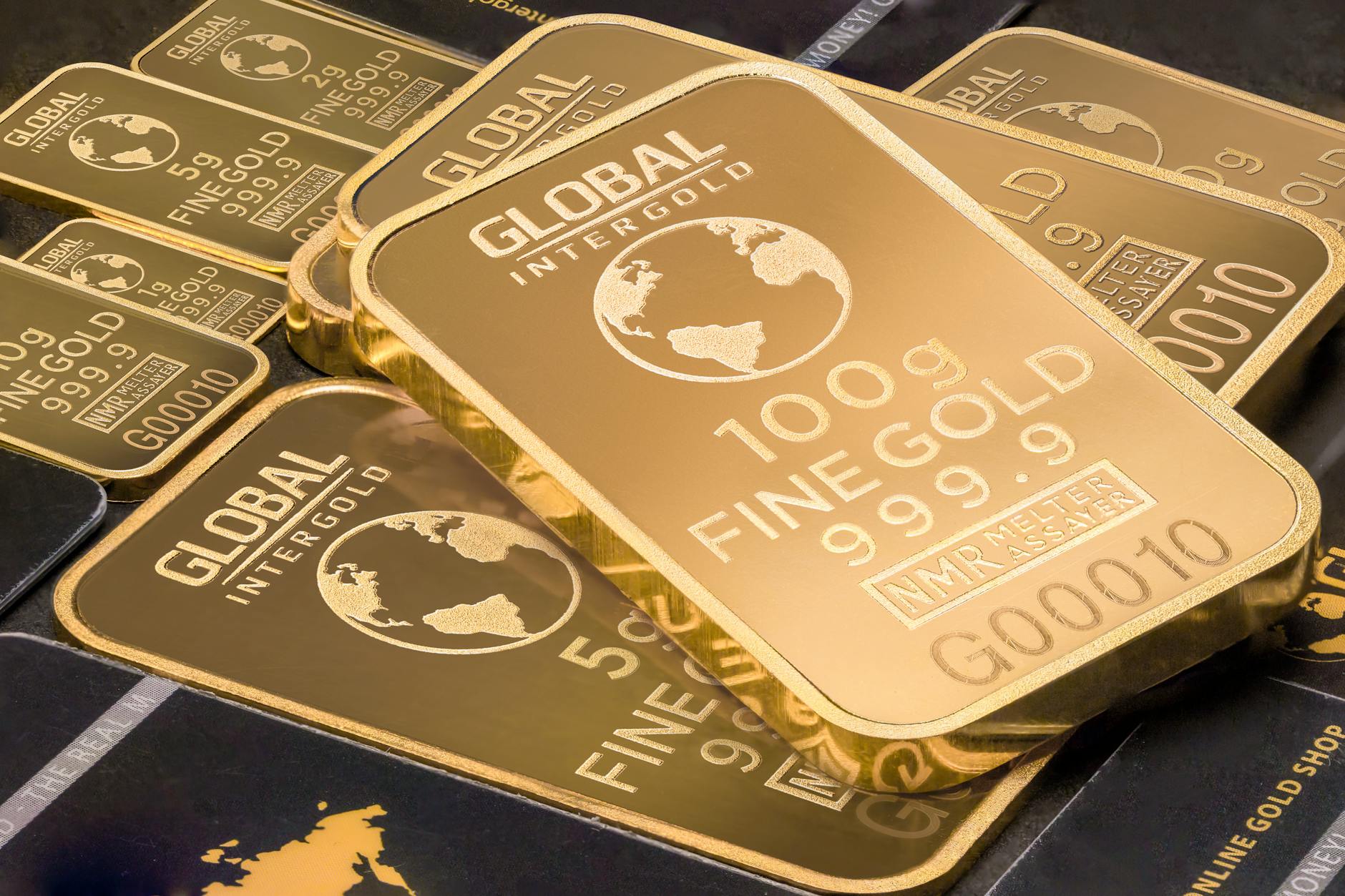
Gold has been India's most enduring investment for millennia. In 2026, with prices touching ₹75,000–₹80,000 per 10 grams, many investors are asking: is this too high to buy? Has the gold rally run its course? Or is gold still a sound long-term investment? This guide analyses gold's historical returns, compares it to other asset classes, and helps you decide how — and whether — to invest in gold in 2026.
Gold Price History in India — 2000 to 2026
The long-term story of gold in India is one of remarkable growth:
| Year | Price (₹/10g approx.) | Key Driver |
|---|---|---|
| 2000 | ₹4,400 | Base level; USD gold at $273 |
| 2005 | ₹7,000 | USD gold rally begins |
| 2010 | ₹18,500 | Post-GFC safe haven demand |
| 2012 (peak) | ₹32,000 | Euro crisis; USD gold at $1,700 |
| 2015 | ₹26,000 | USD strengthens; gold corrects |
| 2019 | ₹35,000 | INR weakens; geopolitical tension |
| 2020 | ₹55,000 | COVID pandemic; USD gold at $2,070 |
| 2023 | ₹60,000 | Central bank buying surge |
| 2026 | ₹75,000–₹80,000 | Geopolitical uncertainty; USD gold $2,800+ |
CAGR (Compound Annual Growth Rate) calculation: From ₹4,400 in 2000 to ₹77,000 in 2026 is approximately a 17.5x increase over 26 years. This translates to a CAGR of approximately 10.5–11% per annum in Indian Rupee (INR) terms. For context, India's consumer price inflation has averaged approximately 6–7% per annum over this period — meaning gold has delivered roughly 4–5% real (inflation-adjusted) returns over 26 years.
Gold vs Other Asset Classes — Comparative Returns
| Asset Class | 5-Year CAGR (2021–26) | 10-Year CAGR (2016–26) | 20-Year CAGR (2006–26) |
|---|---|---|---|
| Gold (INR) | ~12% | ~10% | ~11% |
| Nifty 50 (Total Return) | ~15% | ~13% | ~14% |
| Bank FD (1-yr, avg.) | ~6% | ~6.5% | ~7% |
| PPF | ~7.1% | ~7.5% | ~8% |
| Residential Real Estate (metro avg.) | ~8% | ~6% | ~9% |
Note: Nifty 50 has outperformed gold over most long-term periods in India. However, gold has significantly outperformed equities during specific crisis periods (2008–09, 2019–20). Gold's role is as a portfolio stabiliser and crisis hedge, not a primary growth engine.
Why Gold Performs Well in India Specifically
Gold's strong INR returns are driven by a combination of factors unique to India:
1. INR depreciation against the USD: Gold is priced globally in US Dollars. When the INR weakens against the USD (as it has consistently — from ~₹45/USD in 2000 to ~₹84/USD in 2026), Indian investors get an automatic boost in gold's INR price even if the USD gold price is flat. This currency tailwind has contributed approximately 2–3% per annum to gold's INR returns over the long term.
2. Inflation hedge: Gold tends to hold its purchasing power over time. In an economy with 6–7% annual inflation, gold's 10–11% CAGR has kept pace with and slightly beaten inflation.
3. Cultural demand floor: India consumes 700–800 tonnes of gold annually — the second largest in the world after China. Weddings, festivals, and gifting create a permanent demand base that supports prices.
How to Invest in Gold — Detailed Comparison
| Method | Returns | Annual Cost / Charges | Liquidity | Tax (LTCG) | Best For |
|---|---|---|---|---|---|
| Jewellery | Gold price only | Making charges 5–25% (one-time loss) | Low (exchange only) | 20% with indexation (3+ yrs) | Wearing; not investment |
| Coins / Bars | Gold price only | 2–3% premium; storage cost | Moderate | 20% with indexation (3+ yrs) | Physical ownership preference |
| Sovereign Gold Bond (SGB) | Gold price + 2.5% interest | Zero | Low (8-yr lock-in; tradeable) | Zero at maturity | Best for investors (8-yr horizon) |
| Gold ETF | Gold price | 0.1–0.4% p.a. expense ratio | High (stock exchange) | 20% with indexation (3+ yrs) | Liquid, demat gold exposure |
| Digital Gold | Gold price | 0–3% spread; storage fee | High (24/7) | 20% with indexation (3+ yrs) | Small amounts; convenience |
Sovereign Gold Bond (SGB) — The Best Investment Vehicle
For pure investment purposes, the Sovereign Gold Bond scheme offered by the Reserve Bank of India (on behalf of the Government of India) is widely considered the best way to invest in gold in India. Here is why:
- Gold price appreciation: You get 100% of the gold price movement — if gold goes up 15%, your SGB value goes up 15%.
- 2.5% annual interest: In addition to gold price gains, you earn 2.5% per annum interest, paid semi-annually, on the face value. This is a cash yield with no equivalent in physical gold or Gold ETF.
- Zero capital gains tax at maturity: If you hold the SGB to its 8-year maturity, the capital gain is completely exempt from tax. This is a massive advantage over physical gold, Gold ETF, or digital gold — all of which attract 20% LTCG tax after 3 years.
- Government sovereign guarantee: SGBs are backed by the Government of India — there is no counterparty risk.
- No storage cost: SGBs are held in demat form — no physical storage, no insurance cost, no risk of theft.
⚠️ SGB Issuance Pause in 2025–26
The Government of India paused new SGB issuances in 2025 and as of early 2026 has not announced a resumption schedule, reportedly due to the high cost of the gold price guarantee to the government at elevated gold prices. Existing SGBs can be purchased on the secondary market (NSE/BSE) at market rates. Monitor RBI announcements for new issuance windows.
Gold ETF — Best for Liquidity
Gold ETFs are listed on stock exchanges (NSE/BSE) and trade like shares throughout the trading day. They track the physical gold price closely. Key advantages: instant liquidity at any time during market hours, no storage concern, and the ability to invest as little as 1 unit (1 gram equivalent). Expense ratios range from 0.1% to 0.4% per annum across different fund houses. You need a demat account to invest. LTCG tax applies at 20% with indexation after 3 years.
Gold's Role in Your Portfolio
Most financial planners recommend an allocation of 10–15% of your total investment portfolio in gold. The rationale is not that gold will outperform equities (it usually does not over very long periods) but that gold is negatively correlated with equities during crises — when stock markets crash, gold typically rises. A 10–15% gold allocation reduces your portfolio's overall volatility and drawdown during market stress, even if it slightly reduces the average return in normal times.
When NOT to Invest in Gold
Gold underperforms in specific conditions. The worst environment for gold is when:
- Interest rates are high and rising (gold yields nothing, so opportunity cost is high)
- The US Dollar is strengthening (gold, priced in USD, becomes expensive for other currencies)
- Economic growth is strong and equity markets are in a sustained bull run
In such environments, maintaining your 10–15% allocation rather than increasing it is advisable. Investing a large additional amount in gold specifically because it has recently hit new highs is a common timing mistake — like buying equities at market peaks.
2026 Outlook — Key Factors
Several factors support continued gold strength in 2026:
- Central bank buying: Central banks worldwide, particularly in emerging markets (China, India, Russia, Turkey, Poland) have been buying gold at record pace since 2022, diversifying away from USD reserves. This structural demand supports gold prices.
- Geopolitical uncertainty: Ongoing conflicts and trade tensions globally support safe-haven demand for gold.
- INR pressure: Continued structural INR depreciation amplifies gold returns for Indian investors.
- Potential headwinds: If the US Federal Reserve cuts rates and global growth improves significantly, gold could face selling pressure. A very strong USD would also be negative for gold in USD terms.
💡 Pro Tip
Rather than timing the gold market, use Systematic Investment Plans (SIP) in Gold ETFs or purchase SGBs when issued, in small regular amounts. Rupee cost averaging over time removes the stress of trying to buy at the perfect price and has historically worked well for gold investors in India.
Frequently Asked Questions
Should I buy gold jewellery as an investment? No — not if your primary goal is investment returns. Jewellery carries making charges of 5–25% of the gold value, which is an immediate loss the moment you buy. When you sell jewellery, you get only the melt value of gold — you lose the making charges entirely. Jewellery is for wearing and for cultural/emotional reasons; for investment, use SGBs, Gold ETFs, or coins/bars with minimal making charges (1–2%).
What is the minimum investment in Sovereign Gold Bonds? The minimum SGB investment is 1 gram of gold. During fresh issuances (when RBI announces them), you can invest through banks, post offices, stock exchanges, and stock brokers. On the secondary market, you can buy any quantity of existing SGBs through your demat account.
How do I buy a Gold ETF? You need a demat account and a trading account with any registered stock broker (Zerodha, Groww, HDFC Securities, ICICI Direct, etc.). Search for Gold ETF on the NSE/BSE — major Gold ETFs include GOLDBEES (Nippon), HDFCGOLD, AXISGOLD, and KOTAKGOLD. Buy during market hours at the prevailing market price, which tracks the physical gold price very closely.
Is digital gold (Paytm Gold, PhonePe Gold, MMTC-PAMP) safe? Digital gold is stored by the vendor on your behalf (MMTC-PAMP and Augmont are the two major physical gold trustees for most platforms). While convenient, digital gold platforms are not regulated by SEBI or RBI in the same way as Gold ETFs or SGBs, and there is more counterparty risk. For amounts above ₹50,000, Gold ETFs are generally considered safer and more transparent.
More in Investment
Share this article
Our editorial team comprises jewellery industry veterans, certified gemmologists, and passionate writers with decades of combined experience across India's gold, diamond, and gemstone markets. Every article is researched, fact-checked, and written to help Indian buyers make smarter, safer jewellery decisions.
Passionate about jewellery and love to write? We'd love to hear from you.
Join us as a writer →Ready to buy? Find verified jewellers near you
Browse 10,000+ BIS hallmark certified jewellers across India. Compare ratings, check today's gold rate, and book a visit.
Keep Reading