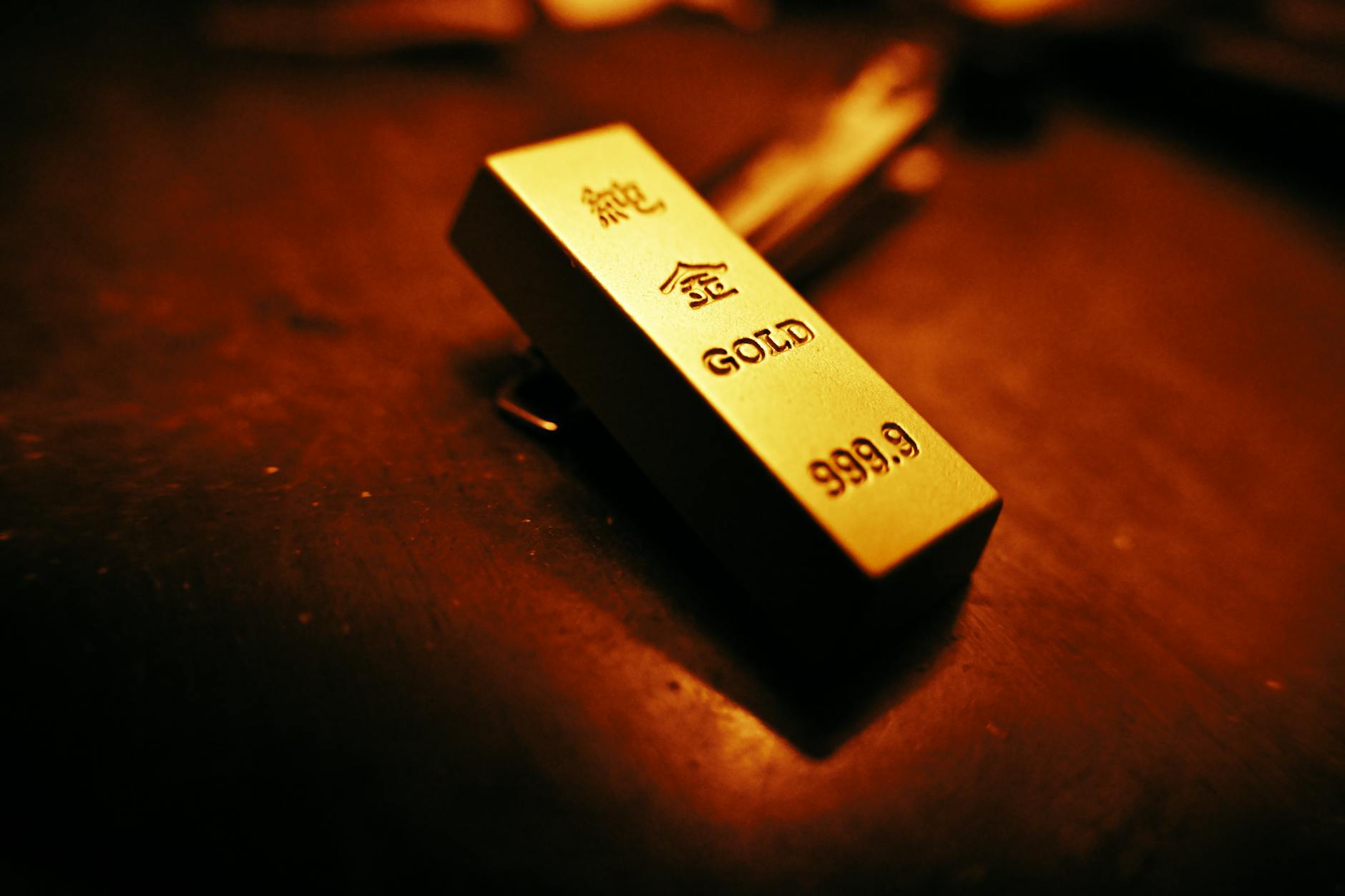
India is the world's second-largest consumer of gold, and unfortunately, also one of the markets where gold adulteration and fake gold jewellery remain real concerns — particularly in unorganised retail. Knowing how to test gold at home, and understanding the limitations of each method, can save you from a costly mistake.
⚠️ Important Caveat
No single home test is 100% conclusive. Home tests are screening tools that raise or lower suspicion — they are not substitutes for professional testing. If any test raises a concern, get a professional XRF test or acid test at a BIS-authorised assaying centre before making a major purchase or accepting a piece as genuine.
Understanding the Types of "Fake" Gold
Before diving into tests, it helps to understand what "fake gold" actually means in the Indian context:
- Gold-plated jewellery: A base metal (brass, copper, silver) coated with a thin layer of gold. Common in fashion jewellery, sold legitimately at low prices. Problem arises when sold as solid gold.
- Gold-filled jewellery: A thicker layer of gold bonded to a base metal — more durable than plating but still not solid gold.
- Adulterated solid gold: Sold as 22K but actually 18K or lower purity. Looks identical but contains more base metal alloy.
- Completely base metal with gold finish: No gold content — brass, bronze, or other metals polished or plated to look like gold.
The 10 Tests — Step by Step
Test 1: The Magnet Test
How to perform: Hold a strong neodymium magnet (available online for ₹100–200) close to the jewellery. Real gold is not magnetic and will show no attraction.
What it means: If the jewellery is attracted to the magnet, it almost certainly contains iron or steel — it is not solid gold. Gold-plated steel is common in cheap fashion jewellery and will fail this test.
Limitation: Gold-plated brass, copper, or aluminium will also pass (show no magnetic attraction) because these base metals are also non-magnetic. A piece passing the magnet test is not confirmed gold — it only rules out iron/steel cores.
Test 2: Skin Discolouration Test
How to perform: Wear the jewellery against clean, dry skin for 30–60 minutes. Observe whether any green, black, or dark marks appear on your skin.
What it means: Green marks indicate a copper base (copper reacts with skin sweat to form copper salts). Black marks suggest nickel or silver content. Real 22K gold (91.6% gold) may leave very faint marks from the 8.4% alloy metals, but solid gold jewellery generally does not discolour skin.
Limitation: Some people's skin chemistry is more acidic and may react with even low alloy content. Also, some people apply lotions or perfumes that can cause reactions. Not reliable as a standalone test.
Test 3: Acid Test
How to perform: Purchase a gold acid test kit (available on Amazon.in for ₹200–500, or from a laboratory supplies shop). The kit includes nitric acid solutions for different karat levels (10K, 14K, 18K, 22K). Scratch the jewellery lightly on a black testing stone included in the kit to leave a faint gold streak. Apply the appropriate acid to the streak and observe the colour change.
Interpreting results: No reaction (streak remains gold-coloured) = gold at or above the tested karat. Cream/milky discolouration = lower karat than tested. Green discolouration = base metal present. Complete dissolution = likely copper or brass.
Limitation: Nitric acid is corrosive — handle with rubber gloves and eye protection. The scratch must reach the inner metal, not just the surface plating. For plated pieces, the surface layer gives a false pass. Perform the test in a well-ventilated area.
Test 4: Float Test (Density Test)
How to perform: Fill a glass with water and drop the jewellery in.
What it means: Real gold is extremely dense (19.3 g/cm³ for 24K, ~17.7 for 22K). It sinks immediately and rapidly. Fake or hollow gold may float or sink slowly.
Limitation: Hollow gold jewellery (which may be genuinely gold but hollow) will float or sink slowly. Some base metals (like platinum and lead) are also very dense. Not reliable for hollow pieces.
Test 5: Ceramic Scratch Test
How to perform: Rub the jewellery against an unglazed ceramic tile (the back of a bathroom tile works). Observe the streak left behind.
What it means: Real gold leaves a gold-coloured streak. Fake gold or gold-plated base metal leaves a black or dark streak (from the base metal beneath the thin gold layer).
Limitation: This test scratches the jewellery and may damage delicate pieces. Use lightly on an inconspicuous area. This is a destructive test in a minor sense.
Test 6: Vinegar Test
How to perform: Apply a few drops of white vinegar (acetic acid) to the jewellery and leave for 15 minutes. Observe for any colour change or fading.
What it means: Real gold is chemically inert and will show no change. Fake gold, gold-plated pieces, or base metals will show some fading, discolouration, or surface change.
Limitation: Weak acid test — not as reliable as nitric acid. May not detect lower-karat gold adulteration (e.g., 18K vs 22K). Good only for identifying non-gold or heavily plated pieces.
Test 7: BIS Hallmark + HUID Verification
How to perform: Look for the BIS hallmark stamp on the jewellery — typically a triangular BIS logo, purity mark (916 for 22K, 750 for 18K, 999 for 24K), and a 6-character alphanumeric HUID. Download the BIS Care app and enter the HUID to verify.
What it means: A verified HUID that matches the jewellery description (item type, purity, jeweller details) is strong evidence of genuine hallmarked gold.
Limitation: Sophisticated fraudsters can replicate hallmark stamps. Always verify the HUID in the app — a physically present stamp that does not appear in the BIS database is a fake hallmark.
Test 8: Weight Comparison
How to perform: If you have a known piece of genuine gold of similar size and style, compare the weights on a precise scale (digital kitchen scales accurate to 0.1g). Real gold is significantly heavier than most base metals for the same volume.
Limitation: Requires a reference piece. Not practical for standalone testing without a comparison item. Works better as a relative check.
Test 9: Sound Test
How to perform: Drop the jewellery onto a hard, non-carpeted surface (stone or tile) from a height of about 30 cm and listen to the sound.
What it means: Real solid gold produces a clear, high-pitched ringing sound that resonates briefly. Base metals tend to produce a duller, shorter "thud" or lower-pitched sound.
Limitation: Subjective — requires practice. Hollow gold sounds different from solid gold. Stone settings also affect the sound. Best used by experienced jewellers, not as a primary home test.
Test 10: Professional XRF Test
How to perform: Visit any BIS-authorised assaying and hallmarking centre (find the nearest at bis.gov.in) and request an XRF (X-ray fluorescence) test. Cost: ₹100–500 per item.
What it means: XRF analysis gives an instant, non-destructive, accurate reading of the elemental composition of the jewellery — telling you exactly what percentage gold, silver, copper, zinc, and other metals are present. It is the gold standard for purity verification (pun intended).
Limitation: None — this is the most reliable method available. The only "limitation" is that it tests the surface composition; for heavily plated pieces, a small surface scratch before XRF testing provides the most accurate result. Always do this before any high-value purchase if you have doubts.
Test Reliability Summary
| Test | Cost | Reliability | Best For |
|---|---|---|---|
| Magnet | ₹100–200 (magnet) | Low–Medium | Ruling out steel-core |
| Skin discolouration | Free | Low | Identifying copper base |
| Acid test (home kit) | ₹200–500 | Medium–High | Solid pieces, purity check |
| Float test | Free | Low | Solid, non-hollow pieces only |
| Ceramic scratch | Free | Medium | Distinguishing plated from solid |
| Vinegar | Free | Low | Obvious fakes only |
| BIS HUID (BIS Care app) | Free | High | Verifying hallmarked pieces |
| Weight comparison | Free | Low–Medium | Relative checks with reference |
| Sound test | Free | Low | Experienced users only |
| Professional XRF | ₹100–500 | Very High | Definitive purity testing |
💡 Pro Tip
For any purchase above ₹20,000, insist on BIS hallmarked jewellery and verify the HUID with the BIS Care app in the shop. For inherited gold or second-hand purchases, spend ₹200–300 on a professional XRF test before accepting or transacting. It is the cheapest insurance you can buy.
What to Do If You Suspect Fake Gold
If home tests raise suspicion: do not confront the jeweller aggressively before you have professional confirmation. Get the XRF test first — it gives you objective evidence. If the XRF confirms your suspicion, you have grounds to file a consumer complaint (see our guide on how to file a complaint against a jeweller) and/or report to BIS for hallmarking violations.
Why BIS Hallmarking Is Still More Reliable Than Home Tests
BIS-certified assayers test jewellery using fire assay or XRF analysis, both of which are far more accurate than any home test. The HUID system creates a traceable chain from the jeweller to the assaying centre to the BIS database — making it very difficult to pass off adulterated gold as hallmarked. Home tests are a first-line screening tool; BIS hallmarking with verified HUID is the gold standard for consumer protection.
More in Education
Share this article
Our editorial team comprises jewellery industry veterans, certified gemmologists, and passionate writers with decades of combined experience across India's gold, diamond, and gemstone markets. Every article is researched, fact-checked, and written to help Indian buyers make smarter, safer jewellery decisions.
Passionate about jewellery and love to write? We'd love to hear from you.
Join us as a writer →Ready to buy? Find verified jewellers near you
Browse 10,000+ BIS hallmark certified jewellers across India. Compare ratings, check today's gold rate, and book a visit.
Keep Reading