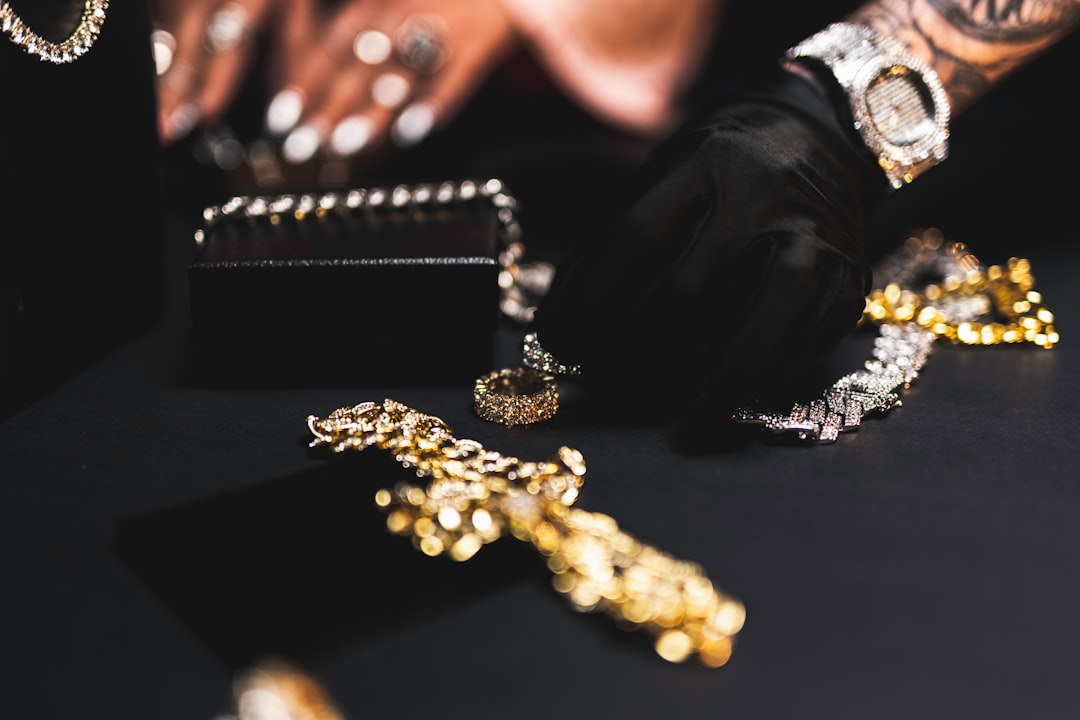
A diamond engagement ring or solitaire pendant is often the most valuable piece of jewellery in a household — emotionally and financially.
Diamonds are famously the hardest natural material on Earth, rated 10 on the Mohs hardness scale. But hardness is not the same as invulnerability.
The metal setting holding your diamond, the prongs securing it, and the daily exposure your ring faces can all lead to real damage if you are not paying attention.
This guide explains exactly how to care for your diamond ring — from daily habits to annual professional checks — so it stays brilliant for decades.
Why Diamonds Go Cloudy (It Is Not What You Think)
Many people believe diamonds scratch or lose their brilliance over time. In practice, a diamond does not scratch under normal conditions — its surface is too hard.
What makes diamonds look dull is a thin film of grease, oils, skin care products, and hand cream that accumulates on the surface and underneath the stone, blocking light from refracting properly.
This is why a diamond ring that looked brilliant when you bought it looks dull six months later. The stone has not changed — the light cannot get through the coating.
Cleaning removes the film and immediately restores the brilliance, which is why a freshly cleaned diamond always looks spectacular.
How Often to Clean a Diamond Ring
For a ring worn daily — which describes most engagement rings and wedding bands — cleaning every two to four weeks is ideal.
If you cook, apply moisturiser, or use hand sanitiser regularly, every two weeks keeps the stone performing at its best.
The visible test: hold the ring under bright light (preferably natural daylight) and look through the stone from the top.
A clean diamond will show crisp light return and sparkle. A coated diamond will look slightly foggy or grey, especially visible from the side of the setting.
The Best Home Cleaning Method
This method is safe for diamonds set in gold (22K, 18K, 14K) and platinum. Do not use this method on rings that also contain pearls, emeralds, or other soft or porous stones.
- Fill a small bowl with warm water — not boiling, not cold
- Add one drop of mild dish soap (any common brand is fine)
- Place the ring in the solution and soak for 10–15 minutes
- Use a soft toothbrush to gently scrub the stone (including underneath the setting where grease accumulates most), the prongs, and the inner surface of the band
- Rinse under warm running water — hold the ring securely and use a strainer over the drain if you are concerned about dropping it
- Pat dry with a soft, lint-free cloth
- Allow to air-dry completely before putting it on or storing it
The Prong Security Check: Do This Monthly
Prongs are the thin metal claws that hold your diamond in its setting. They are almost always the weakest point of a diamond ring.
With daily wear — typing, gym, cooking, opening car doors — prongs get nudged, bent, and worn down. A prong that has shifted even slightly can allow the diamond to loosen.
The monthly check: with the ring off your finger, hold it between your thumb and index finger at the band.
With the other hand, gently push the diamond from the side with a fingernail. It should have absolutely zero movement.
Try pushing from multiple sides.
Any movement at all — any shift, any rattle — means a prong has loosened and the ring needs professional attention before you wear it again.
A loose diamond can fall out during ordinary activity and may never be recovered.
- Diamond moves when you push it gently — even slightly
- You can see a prong is bent, missing, or visibly shorter than the others
- The ring band has thinned noticeably at the base (hold it up to light and look through it)
- The clasp on a pendant chain is stiff, loose, or requires force to open/close
- Any part of the ring catches on fabric when you put it on or take it off
What Activities Damage Diamond Ring Settings
The diamond itself will survive almost anything. The setting will not.
- Gym and weightlifting: Gripping barbells and dumbells bends prongs. Even bodyweight exercises (push-ups, pull-ups) put pressure on rings. Remove all rings before any gym session.
- Swimming: Chlorine in pools attacks gold alloys and weakens prong metal over time. Cold water also shrinks fingers temporarily, increasing the chance of a ring sliding off. Remove rings before swimming.
- Cooking: Food particles, oils, and dough get trapped in settings and under stones. The heat from cooking affects some soft stones. Remove rings while preparing food.
- Typing and desk work: Lower impact, but daily pressure on prongs from keyboard use is cumulative over years. Consider removing rings at your desk if you type heavily.
- Gardening and outdoor work: Soil, grit, and physical impact — highly damaging. Always remove fine jewellery for any outdoor work.
Safe Storage for Diamond Rings
Diamonds are hard enough to scratch other gemstones and even other gold pieces.
Store your diamond ring in its own compartment — a separate slot in a jewellery box, or its own soft pouch. Never throw it loose into a drawer or bag with other jewellery.
The ring will scratch softer pieces, and softer pieces can scratch the gold setting (though not the diamond itself).
Annual Professional Service
Once a year, take your diamond ring to a professional jeweller for:
- Ultrasonic or steam cleaning (safe for most diamond rings, removes deep-set grease)
- Prong inspection and tightening (a professional can re-tip worn prongs before they break)
- Band thickness check (worn shanks are re-plated or built up before they break)
- Rhodium re-plating if the ring is white gold (rhodium wears off after 12–24 months)
Most jewellers where you purchased the ring will provide this service free or for a nominal charge (₹300–₹800).
It is the most cost-effective insurance for a piece worth ₹50,000 to ₹5,00,000.
Diamond Ring Care at a Glance
| Task | Frequency | Method |
|---|---|---|
| Clean stone and setting | Every 2–4 weeks | Warm water, drop of dish soap, soft toothbrush |
| Check prong security | Monthly | Gentle side-to-side push with fingernail |
| Inspect for wear or damage | Every 3 months | Bright light, visual inspection of band and prongs |
| Professional clean and check | Annually | At a reputable jeweller |
| Rhodium re-plating (white gold only) | Every 12–24 months | At jeweller — not a DIY task |
A well-maintained diamond ring looks as brilliant at twenty years as it did on day one.
The difference between a ring that ages beautifully and one that ends up in a repair shop is simply consistent, appropriate care.
The habits described here take less than five minutes per month — a small investment for a piece that may last a lifetime.
More in Jewellery Care
Share this article
Our editorial team comprises jewellery industry veterans, certified gemmologists, and passionate writers with decades of combined experience across India's gold, diamond, and gemstone markets. Every article is researched, fact-checked, and written to help Indian buyers make smarter, safer jewellery decisions.
Passionate about jewellery and love to write? We'd love to hear from you.
Join us as a writer →Ready to buy? Find verified jewellers near you
Browse 10,000+ BIS hallmark certified jewellers across India. Compare ratings, check today's gold rate, and book a visit.
Keep Reading